 Seeking LED
how long do led tennis court lights last?
7how long do led tennis court lights last? Learn real lifespan, performance factors, and expert insights on maintaining efficient court lighting systems.
View detailsSearch the whole station
What Is LED Hazardous Area Lighting?
LED hazardous area lighting is a certified lighting system designed for locations where flammable gases, vapors, combustible dust, or fibers may create explosive atmospheres. It combines high-efficiency LED technology with explosion-protection engineering to deliver safe, reliable illumination while preventing the fixture from becoming an ignition source.
People often assume hazardous lighting is simply a tougher industrial lamp with a thicker housing. After spending years working with EPC contractors, refinery maintenance teams, and industrial distributors, I’ve learned that this misconception appears surprisingly often. The first time I visited a petrochemical expansion project, an electrical supervisor pointed toward two fixtures mounted only a few meters apart. They looked almost identical. One was a standard IP66 floodlight; the other carried full ATEX certification. From a distance, there was little visible difference. Internally, however, every component—from cable entries to flame paths—had been engineered for an entirely different purpose.
That experience stayed with me because it perfectly illustrated why certified hazardous lighting exists.
According to the International Energy Agency (IEA), lighting accounts for roughly 15% of global electricity consumption, and industrial facilities worldwide continue upgrading to LED technology because of its efficiency and maintenance advantages.
Reference:
https://www.iea.org/reports/lighting
Within Europe, hazardous-area equipment is regulated under ATEX Directive 2014/34/EU, while many multinational projects additionally specify IECEx certification to simplify international compliance.
References:
https://single-market-economy.ec.europa.eu
This guide explains what LED hazardous area lighting is, why ordinary industrial luminaires cannot replace it, and what engineers actually evaluate before approving a lighting specification.
Explosive atmospheres form when three conditions exist simultaneously:
Industrial plants frequently contain all three.
Examples include:
Lighting equipment naturally generates electrical energy and heat. If that energy escapes in an uncontrolled manner, it can ignite the surrounding atmosphere.
LED hazardous area lighting is engineered specifically to eliminate—or tightly control—that risk.
Instead of relying solely on stronger housings, certified fixtures integrate multiple protective design features that work together under both normal operating conditions and specified fault scenarios.
At first glance, hazardous luminaires resemble many heavy-duty industrial fixtures.
Internally, the engineering is significantly more sophisticated.
Typical design features include:
Every component contributes to preventing ignition.
The objective is not to make explosions impossible inside the fixture.
Rather, it is to ensure that if ignition were ever to occur internally, it cannot propagate into the surrounding hazardous atmosphere.
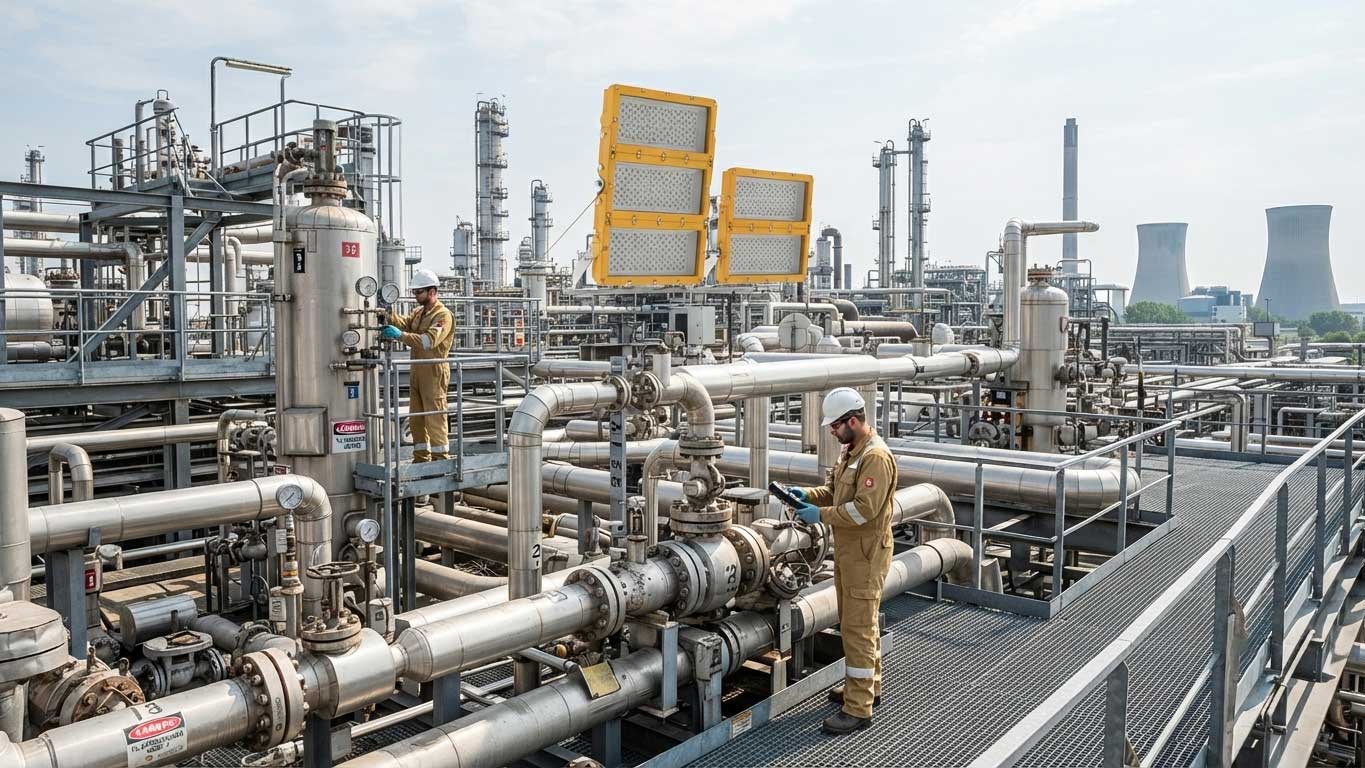
Certified hazardous lighting appears across a surprisingly broad range of industries.
Common applications include:
During one refinery modernization project, almost every maintenance walkway had already transitioned from metal halide fixtures to LED hazardous luminaires. The maintenance manager wasn’t primarily interested in reducing electricity costs. His priority was reducing lift rentals and minimizing lamp replacement shutdowns in difficult-to-access pipe rack areas.
That practical perspective is becoming increasingly common throughout the industry.
Selecting lighting begins with hazardous area classification—not fixture appearance.
| Zone | Description |
|---|---|
| Zone 0 | Explosive gas continuously present |
| Zone 1 | Explosive gas likely during normal operation |
| Zone 2 | Explosive gas unlikely and present only briefly |
Zone classification determines which explosion-protection methods are acceptable.
| Zone | Description |
|---|---|
| Zone 20 | Combustible dust continuously present |
| Zone 21 | Dust occasionally present |
| Zone 22 | Dust rarely present |
Combustible dust often receives less attention than flammable gas, despite causing numerous industrial explosions throughout history.
Facilities processing flour, sugar, aluminum powder and certain pharmaceutical ingredients frequently require certified dust-rated lighting.
For decades, hazardous locations depended primarily on:
These technologies performed adequately but introduced recurring maintenance challenges.
LED technology significantly improved industrial lighting by offering:
According to the U.S. Department of Energy, modern LED systems dramatically reduce maintenance requirements while providing significant energy savings compared with conventional lighting technologies.
Reference:
https://www.energy.gov/eere/ssl
Certification is the most important characteristic of any hazardous luminaire.
Without recognized certification, a fixture should never be installed in an explosive atmosphere.
The most common international certifications include:
| Certification | Primary Market |
|---|---|
| ATEX | European Union |
| IECEx | International projects |
| UL844 | United States |
| CSA | Canada |
These certifications evaluate multiple performance areas, including:
An experienced engineer will usually review certification markings before looking at lumen output or wattage.
After reviewing hundreds of project inquiries over the years, I’ve noticed that successful lighting specifications almost always begin with the hazardous area classification—not the wattage or the price.
When our engineering team at SEEKINGLED evaluates a project, we typically work through the following checklist.
The first question is always:
Where will the fixture be installed?
| Hazardous Area | Typical Lighting Requirement |
|---|---|
| Zone 1 | Certified Ex db / Ex eb LED lighting |
| Zone 2 | Certified Zone 2 hazardous LED lighting |
| Zone 21 | Dust ignition protected LED fixture |
| Zone 22 | Certified combustible dust lighting |
Selecting a Zone 2 luminaire for a Zone 1 installation can create serious safety and compliance issues.
Different gases ignite differently.
| Gas Group | Typical Gas |
|---|---|
| IIA | Propane |
| IIB | Ethylene |
| IIC | Hydrogen, Acetylene |
Hydrogen requires significantly higher explosion protection than propane, which is why IIC-certified fixtures usually involve more demanding engineering requirements.
Surface temperature matters just as much as enclosure strength.
| Temperature Class | Maximum Surface Temperature |
|---|---|
| T1 | 450°C |
| T2 | 300°C |
| T3 | 200°C |
| T4 | 135°C |
| T5 | 100°C |
| T6 | 85°C |
Many refinery and petrochemical projects today specify T4 or T5 depending on process conditions.
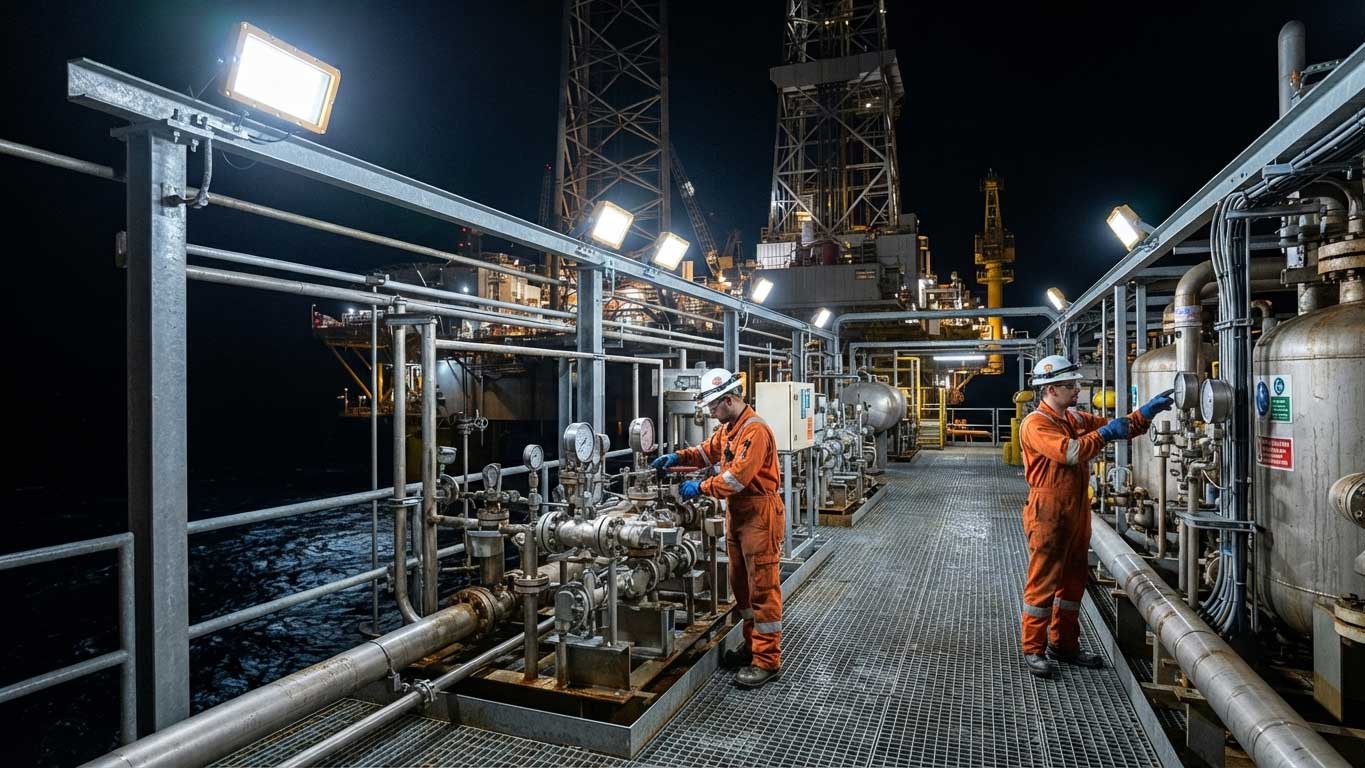
The surrounding environment affects long-term reliability.
Consider:
A fixture installed on an offshore platform experiences far harsher conditions than one mounted inside a pharmaceutical packaging facility.
Even experienced buyers occasionally focus on specifications that are less important than they appear.
The mistakes we encounter most frequently include:
One chemical plant we supported initially selected a lower-cost fixture based solely on lumen output. After reviewing the installation drawings, it became clear that the fixture lacked the required corrosion protection for the coastal environment. The project team eventually chose a marine-grade alternative, avoiding premature replacement only a few years later.
Not exactly.
Explosion-proof lighting is one type of hazardous area lighting. Hazardous area lighting also includes flameproof, increased safety, dust-protected and several other certified protection concepts depending on the applicable international standards.Visit the product page: Explosion Proof Lighting
Yes.
Most industrial hazardous luminaires are specifically designed for outdoor environments and commonly feature:
High-quality industrial fixtures generally offer an L70 lifetime exceeding 100,000 hours, provided they operate within their specified ambient temperature range.
Actual service life depends on:
The required certification depends on the destination market.
| Region | Certification |
|---|---|
| European Union | ATEX |
| International Projects | IECEx |
| United States | UL844 |
| Canada | CSA |
Always verify that certification matches the project’s hazardous classification rather than assuming approvals are interchangeable.
At SEEKINGLED, we’ve worked alongside EPC contractors, industrial distributors, plant engineers and end users involved in refinery expansions, offshore platforms, chemical processing facilities and mining operations.
Our engineering philosophy has remained consistent:
Reliable hazardous lighting should continue performing long after commissioning—not simply achieve impressive specifications on a product brochure.
Our LED hazardous area lighting is designed with emphasis on:
Rather than focusing solely on maximum lumen output, we prioritize dependable performance throughout years of continuous industrial operation.
What Is LED Hazardous Area Lighting? It is a purpose-engineered lighting system designed to provide safe illumination in environments where explosive gases or combustible dust may be present.
Unlike conventional industrial luminaires, certified hazardous fixtures combine explosion-protection engineering, thermal management and internationally recognized certifications to prevent the lighting equipment itself from becoming an ignition source.
When selected according to hazardous zone, gas group, temperature class and environmental conditions, LED hazardous area lighting delivers outstanding safety, reduced maintenance, lower energy consumption and reliable long-term performance for demanding industrial facilities.
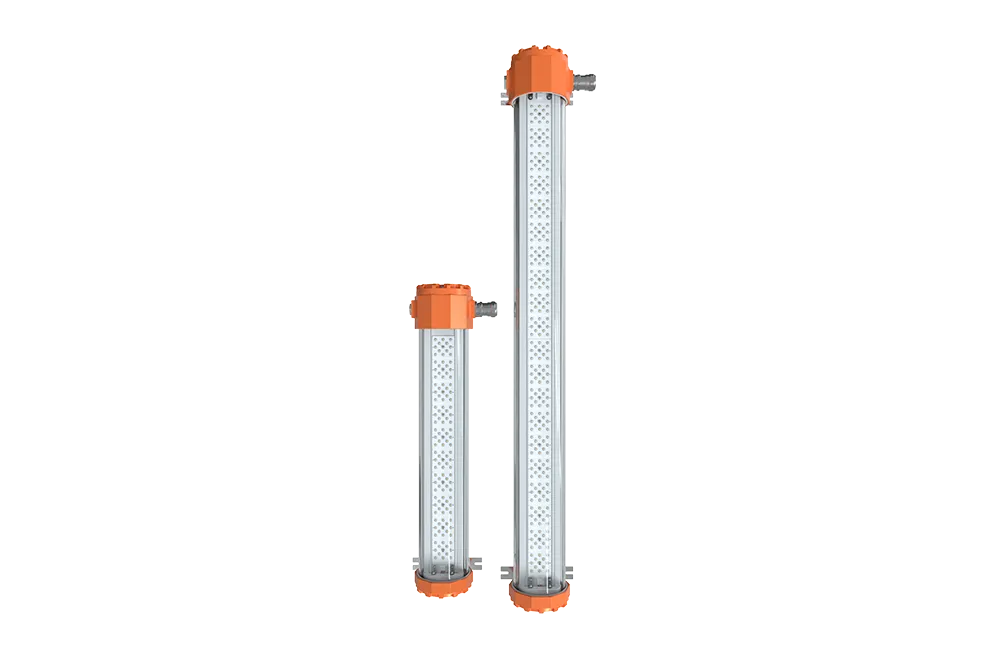
SEEKINGLED LED Linear Explosion Proof Light and Explosion Proof lighting is ATEX and IECEx certified for Zone 1, Zone 2, Zone 21 and Zone 22 hazardous locations, built for long-term industrial use.
View details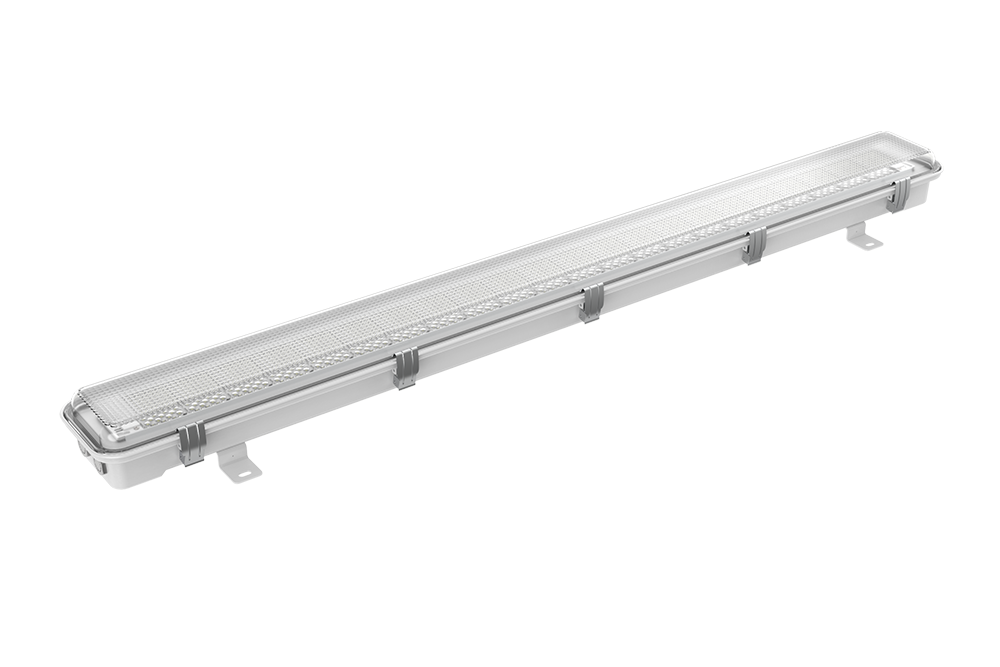
LED Linear Explosion Proof Lights and EX Proof lights for Zone 1, Zone 2, Zone 21 and Zone 22 hazardous areas. ATEX & IECEx certified explosion proof LED linear lighting with emergency function, adjustable power and IP67 protection by SEEKINGLED.
View details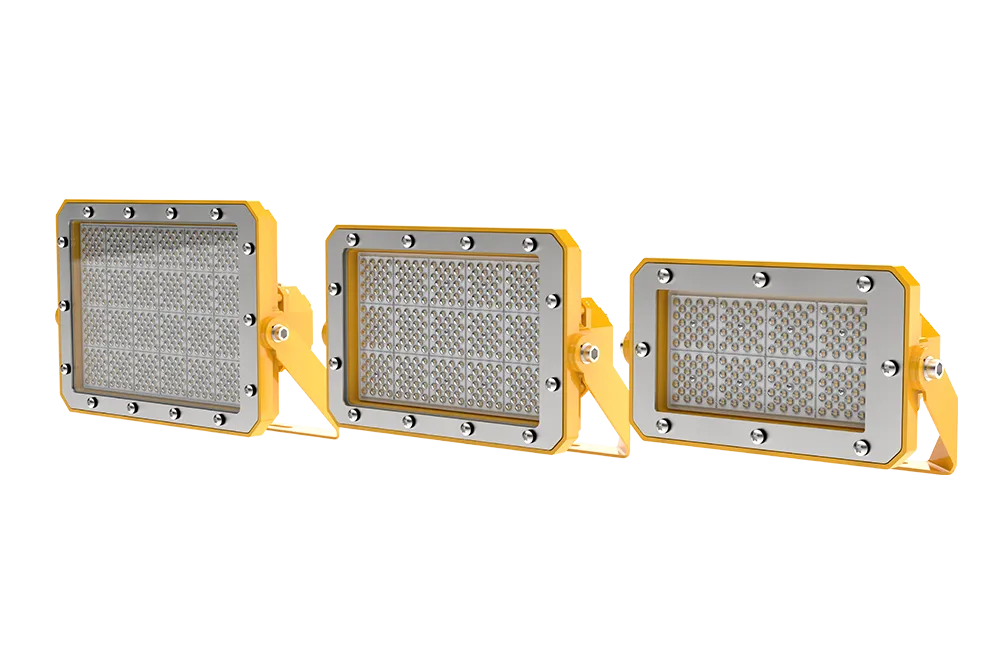
SEEKINGLED LED Explosion Proof Flood Lights are ATEX certified for Zone 2 and Zone 22 hazardous areas, offering high efficiency, adjustable power and integrated junction box.
View details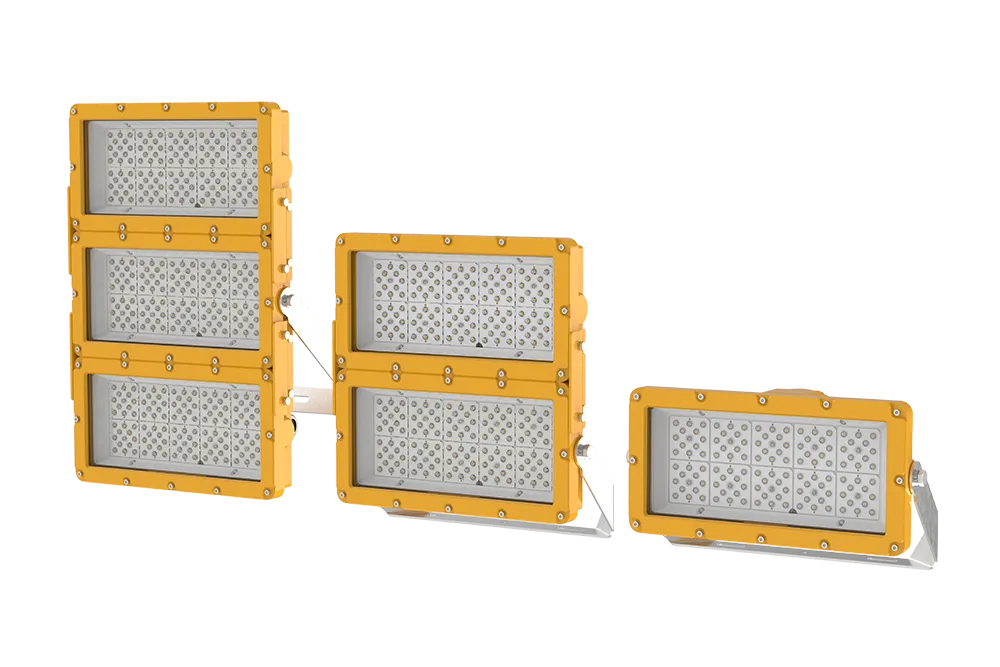
SEEKINGLED LED Explosion Proof Flood Lights are flameproof ATEX and IECEx certified for Zone 1 and Zone 2 hazardous areas, offering high power, adjustable output and long service life.
View details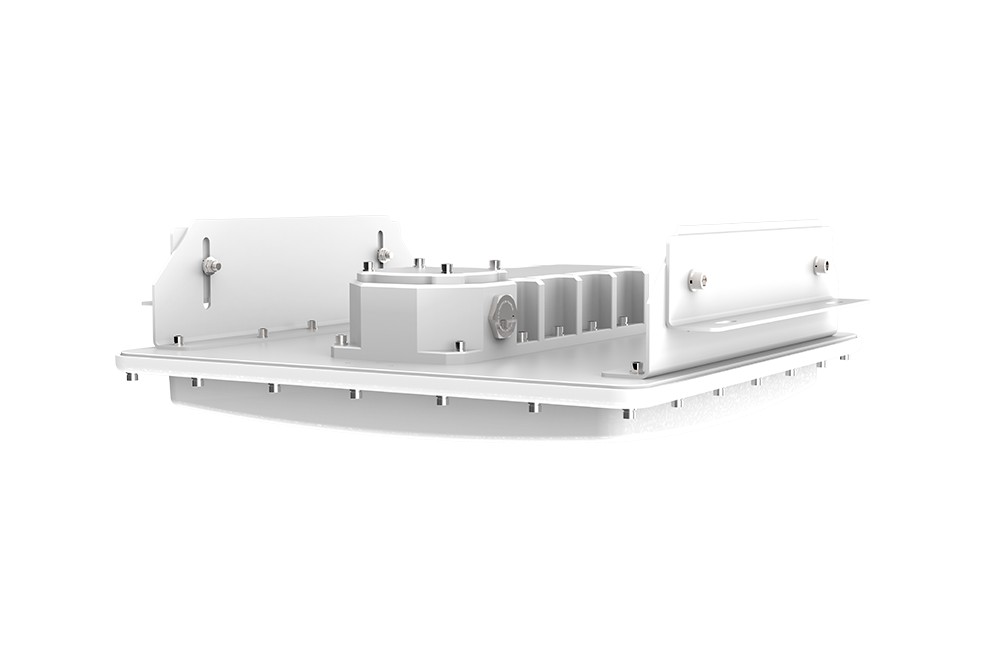
SEEKINGLED LED Gas Station Canopy Lights are ATEX certified for Zone 2 and Zone 22 hazardous areas, featuring adjustable power and built-in explosion-proof junction box.
View details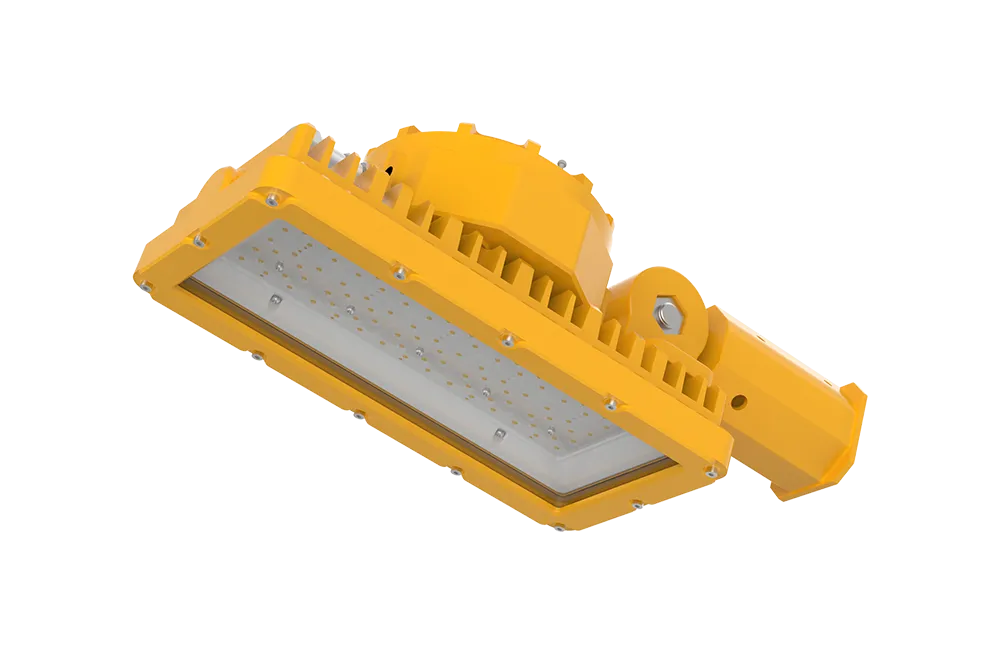
ATEX: Ex II 2G Ex db IIB T6/T5 GbEx II 2D Ex tb IIIC T80°C/ T95°C Db IECEx Ex db IIB T6 Gb;Ex tb IIIC T80°C Db Feature: ● For Zone 1,2 and Zone 21,22● Flameproof type, the strongest● 100W can replace 250W HID,energy saving● Power:60W,80W,100W Application: Oil and gas, marine, Chemical, pharmaceutical, semiconductor,mining,military industr…
View details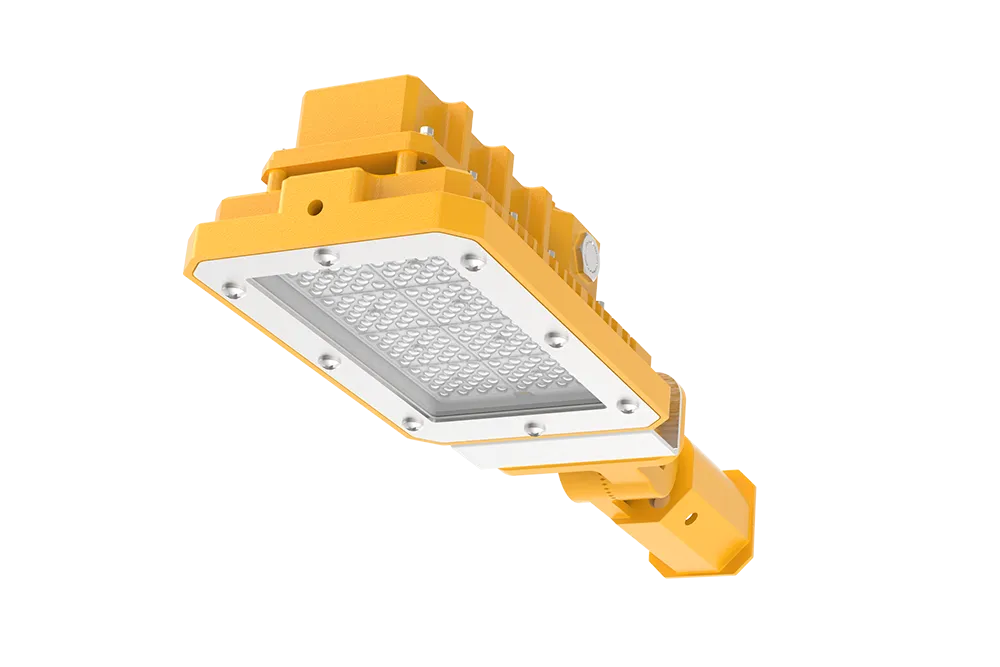
ATEX: II 3G Ex nR ⅡC T5/T6 GcII 3D Ex tc ⅢC T80℃/T95℃Dc ATEX Certificate NO: TÜV CY 26 ATEX 0207611 X Feature: ● For Zone 2 and Zone 22● 150W can replace 250W HID lamps,Energy saving● Power:50W,75W,100W,150W,200W Application: Oil and gas, marine, Chemical, pharmaceutical, semiconductor,mining,military industry, paint booth,power plant ETC…
View details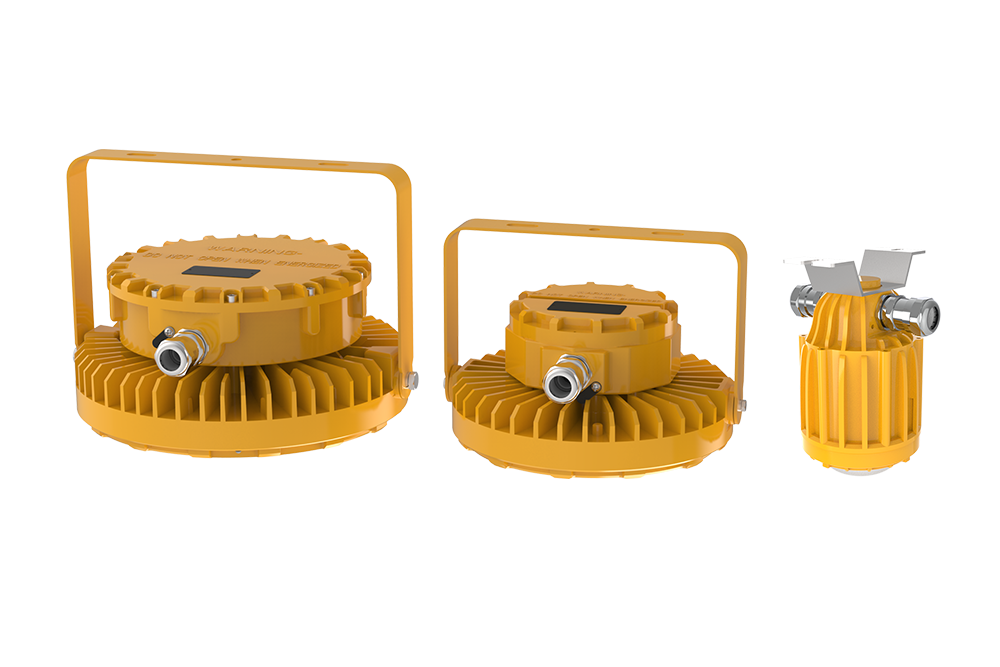
LED explosion proof high bay lights are designed for Zone 1, Zone 2, Zone 21 and Zone 22 hazardous areas. This page introduces the HB21 Series from SEEKING, including certifications, power options and real application considerations.
View details
LED Linear Explosion Proof Lights from SEEKINGLED. LU Series Flame Proof lights ATEX-certified explosion proof LED linear lighting for Zone 2 gas and Zone 22 dust areas, IP69K, IK10, long lifetime and flexible power options.
View details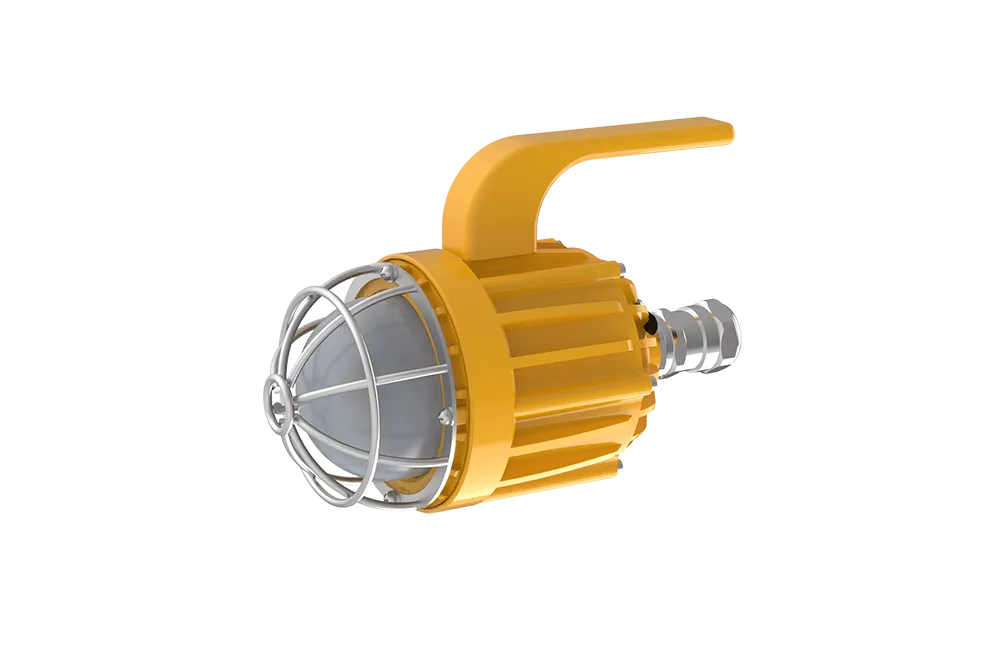
Certified explosion proof work lights for Zone 1 & 21 hazardous areas. Portable, ATEX & IECEx approved, built for oil, gas and chemical plants by SEEKINGLED.
View details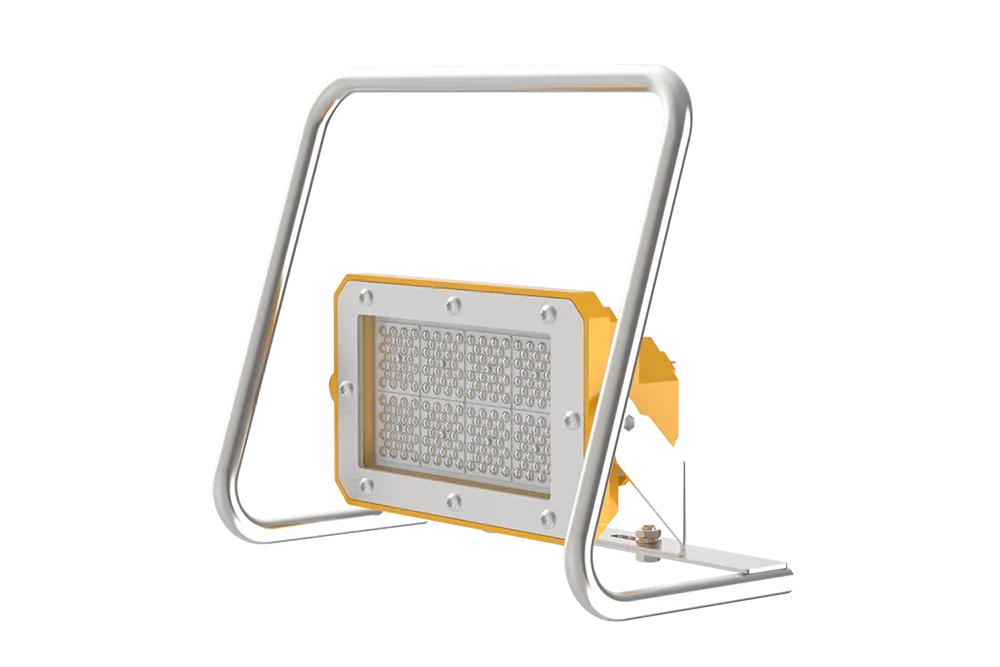
ATEX: II 3G Ex nR ⅡC T6 GcII 3D Ex tc ⅢC T80℃ Dc ATEX Certificate NO: TÜV CY 26 ATEX 0207611 X Feature: ● For Zone 2 and Zone 22● Accepts battery-powered supply● indestructible● Power:AC input:50W,75W,100WDC input:15W,25W,35W Application: Oil and gas, marine, Chemical, pharmaceutical, semiconductor,mining,military industry, paint booth,po…
View details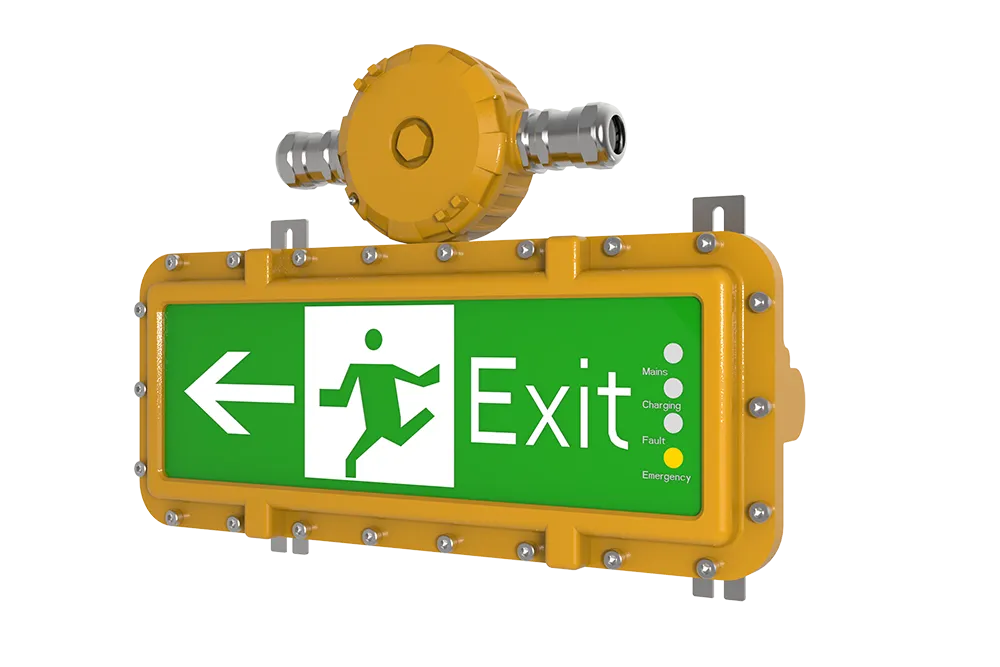
ATEX: Ex II 2G Ex db IIB T6 GbEx II 2D Ex tb IIIC T80°C Db IECEx Ex db IIB T6 Gb;Ex tb IIIC T80°C Db Feature: ● For Zone 1,2 and Zone 21,22● Flameproof type, the strongest Application: Oil and gas, marine, Chemical, pharmaceutical, semiconductor,mining,military industry, paint booth,power plant ETC hazardous area. Technical Specifications:…
View details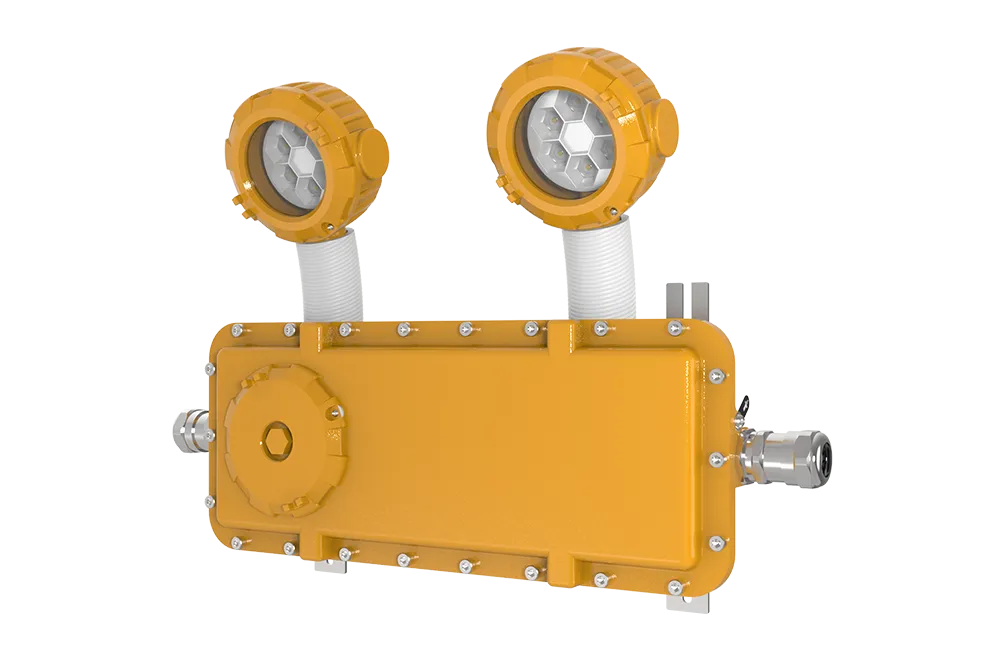
ATEX: Ex II 2G Ex db IIB T6 GbEx II 2D Ex tb IIIC T80°C Db IECEx Ex db IIB T6 Gb;Ex tb IIIC T80°C Db Feature: ● For Zone 1,2 and Zone 21,22● Flameproof type, the strongest Application: Oil and gas, marine, Chemical, pharmaceutical, semiconductor,mining,military industry, paint booth,power plant ETC hazardous area. Technical Specifications:…
View details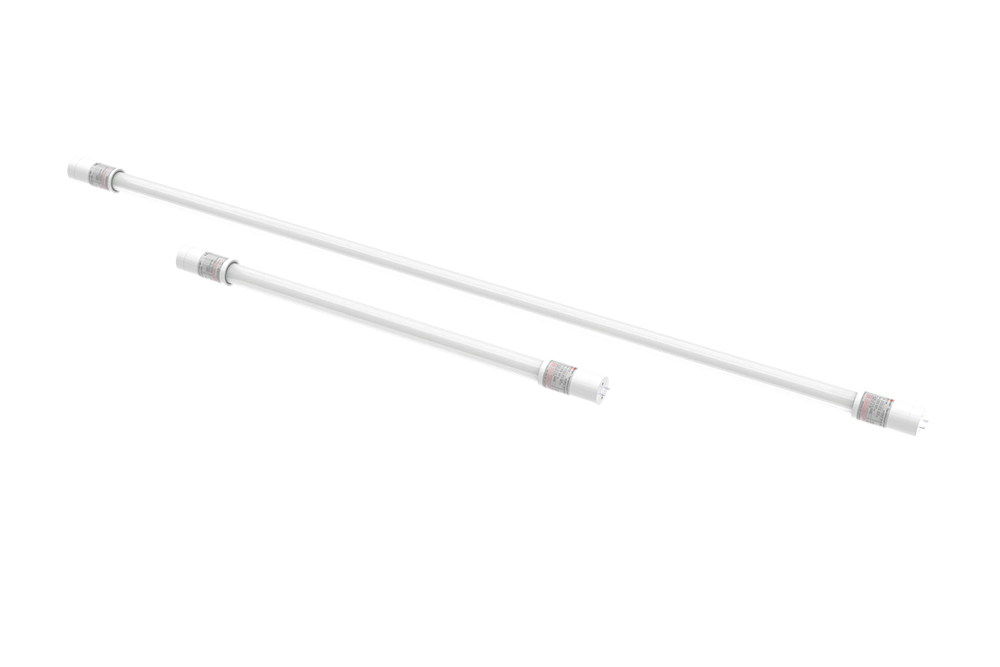
ATEX: Ex II 2G Ex d e IIB T6 Gb ATEX: Ex d e IIB T6 Gb; Feature: ● For Zone 1,2● 9W can replace 18W fluorescent lamps,50% Energy saving Application: Oil and gas, marine, Chemical, pharmaceutical, semiconductor,mining,military industry, paint booth,power plant ETC hazardous area. Technical Specifications: Standards:60079-0, 60079-1, 60079…
View details
how long do led tennis court lights last? Learn real lifespan, performance factors, and expert insights on maintaining efficient court lighting systems.
View details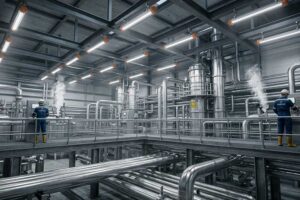
What Is HLL Linear LED Lighting Hazardous Area? Learn how certified explosion-proof linear LED fixtures improve industrial safety, reliability, and compliance with SEEKINGLED's expert guide.
View details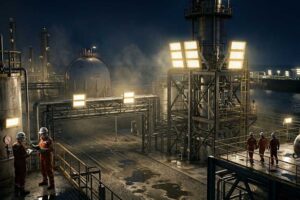
Zone 1 LED floodlight solutions deliver certified safety, reliable performance, and powerful illumination for hazardous industrial environments and explosive gas zones.
View details
Outdoor flood lights should be installed with proper electrical isolation, secure mounting, protected wiring, correct beam selection, and nighttime aiming.
View details