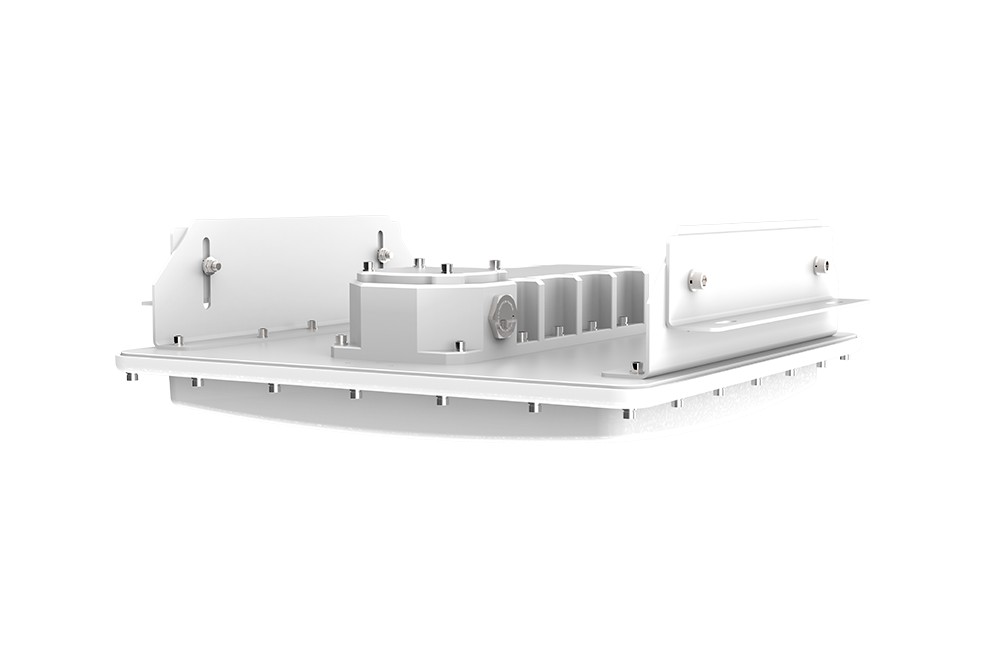
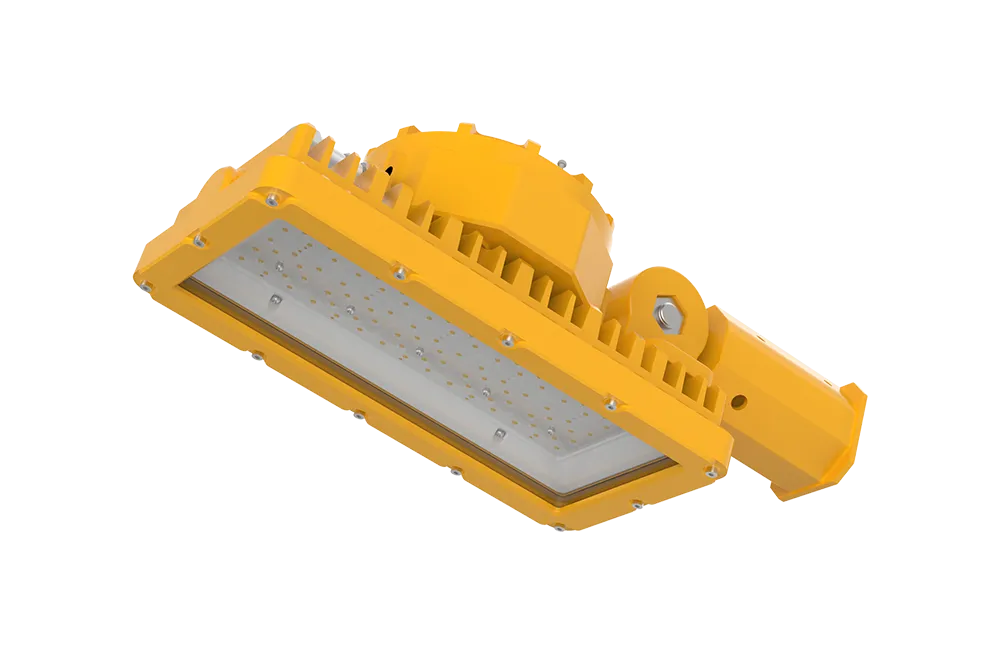
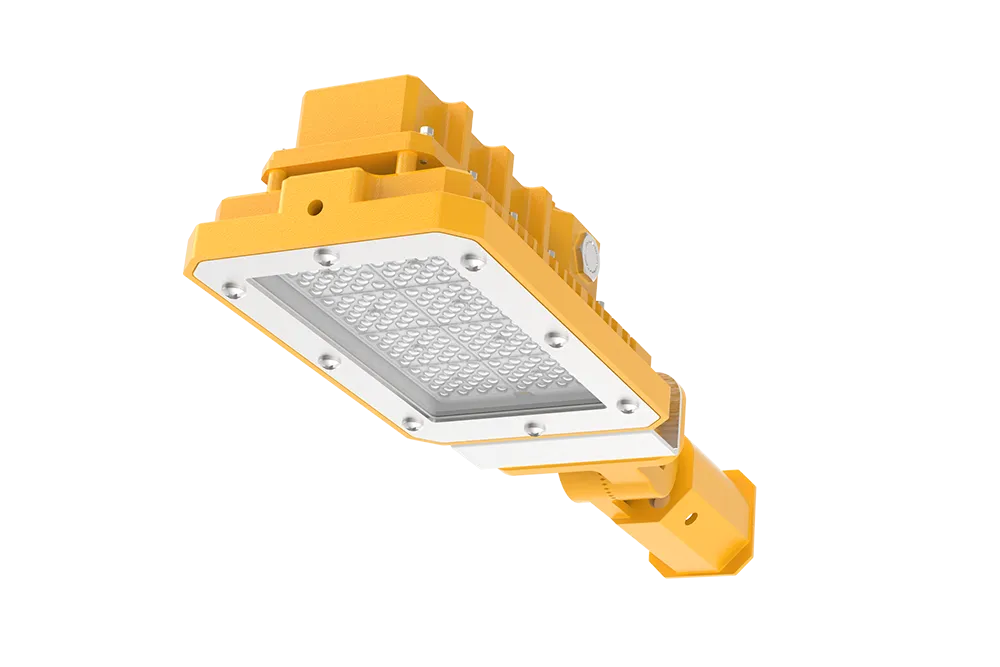
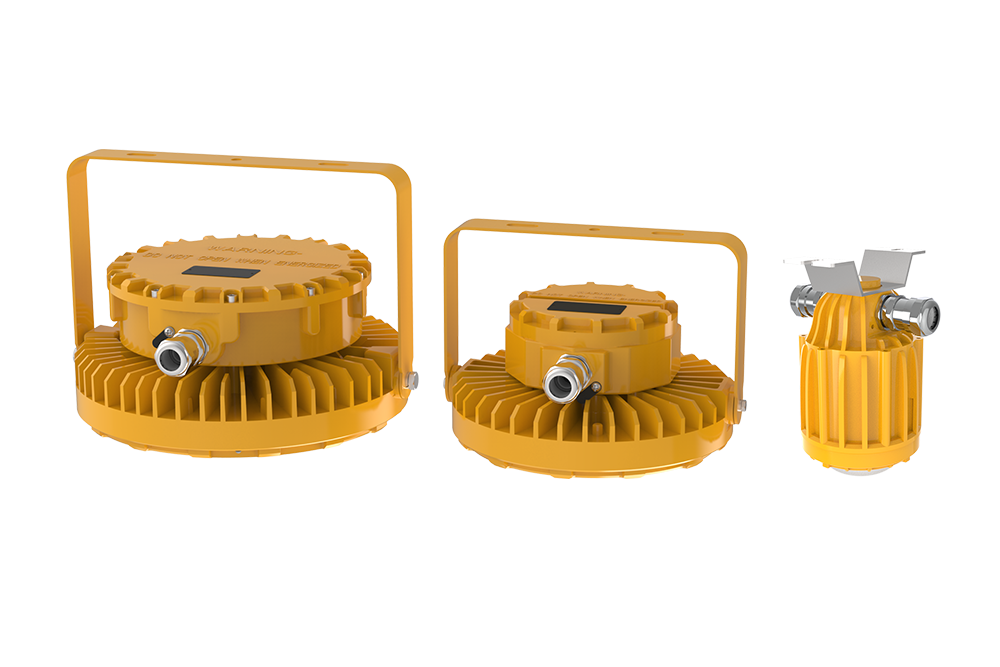
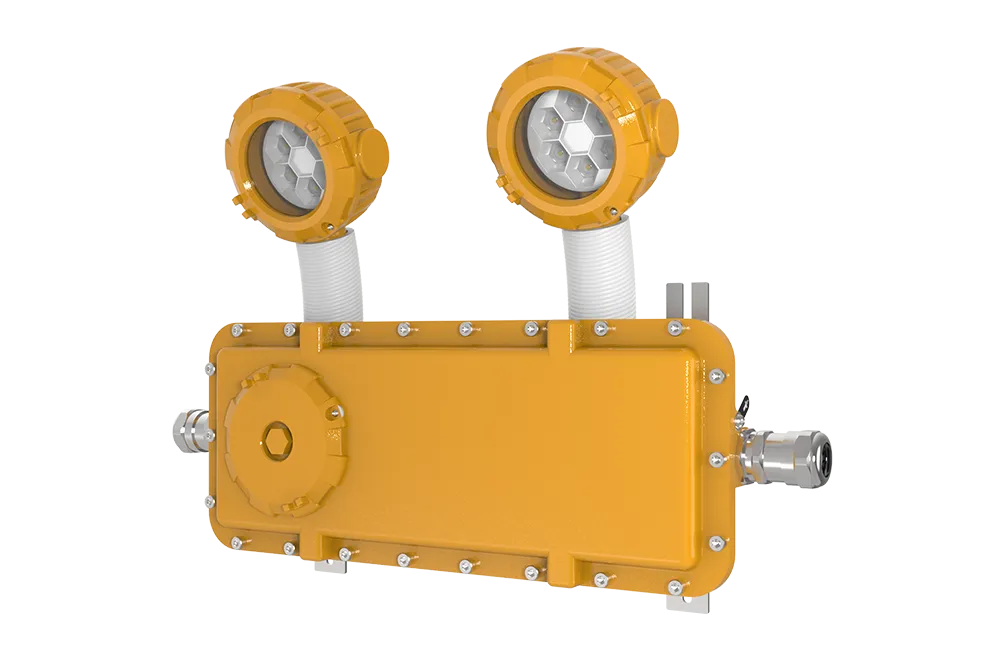
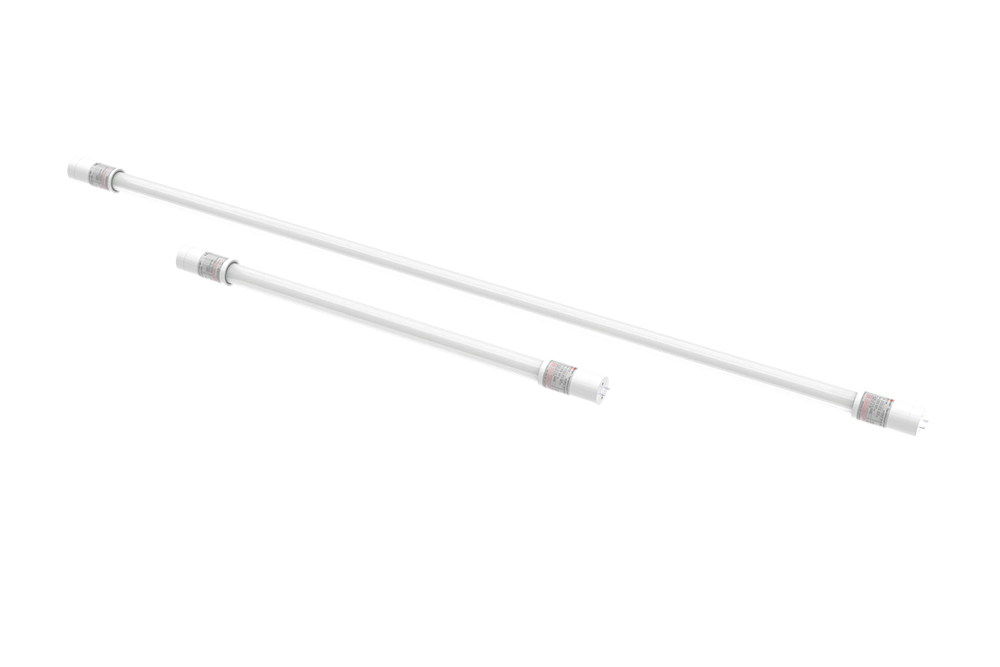
LED hazardous area lighting is specifically engineered for explosive atmospheres where flammable gases, vapors, dust, or fibers may be present. Certified LED hazardous area lighting minimizes ignition risks while delivering reliable illumination, lower energy consumption, and long service life in demanding industrial environments.
I’ve spent years visiting petrochemical plants, offshore platforms, LNG terminals, and chemical processing facilities where lighting isn’t simply about visibility—it becomes part of an overall explosion protection strategy. One thing becomes obvious after enough site walks: experienced engineers rarely begin by asking how bright a fixture is. Instead, they ask about certification markings, temperature class, corrosion resistance, and long-term reliability after years of continuous operation.
That mindset separates industrial lighting from commercial lighting.
According to the International Energy Agency (IEA), lighting accounts for approximately 15% of global electricity consumption, and LED technology has become one of the most effective methods of reducing industrial energy demand.
Meanwhile, hazardous-area equipment installed within Europe follows ATEX Directive 2014/34/EU, while many international projects also require IECEx certification.
This guide explains how modern LED hazardous area lighting works, why certification matters, and how engineers select fixtures that continue operating safely long after installation.
What Is LED Hazardous Area Lighting?
LED hazardous area lighting refers to luminaires specifically designed and certified for locations where explosive atmospheres may occur.
Unlike ordinary industrial lights, these fixtures are engineered so they cannot ignite surrounding gases or combustible dust during normal operation—or under specified fault conditions.
Typical hazardous environments include:
Oil refineries
Offshore platforms
LNG facilities
Chemical plants
Pharmaceutical factories
Grain processing plants
Paint manufacturing
Mining operations
Fuel storage terminals
Wastewater treatment facilities
A hazardous area fixture combines several protective technologies:
Explosion-proof enclosure
Flameproof construction
Increased safety terminals
Controlled surface temperature
High ingress protection
Corrosion-resistant housing
Impact-resistant lens
Certified cable entries
The objective is straightforward:
Prevent the lighting fixture itself from becoming an ignition source.
Why Hazardous Areas Need Special LED Lighting
Many industrial processes continuously release tiny amounts of flammable gases.
Most of the time these gases disperse safely.
Occasionally they accumulate.
When concentration reaches the explosive range, only one ignition source is necessary.
Possible ignition sources include:
Electrical sparks
Hot surfaces
Mechanical friction
Static electricity
Switching arcs
Component failures
Lighting equipment naturally generates electrical energy and heat.
Without proper engineering, conventional luminaires can become dangerous.
This explains why hazardous locations require certified lighting systems rather than ordinary IP65 or IP66 industrial fixtures.
Understanding Hazardous Area Classifications
Before selecting any fixture, engineers first classify the environment.
Gas Zones
Zone
Description
Zone 0
Explosive gas continuously present
Zone 1
Explosive atmosphere likely during normal operation
Zone 2
Explosive atmosphere unlikely and only for short periods
Zone classification directly influences which protection methods are permitted.
Dust Zones
Zone
Description
Zone 20
Combustible dust continuously present
Zone 21
Dust occasionally present
Zone 22
Dust rarely present
Dust explosions are frequently underestimated.
In food processing plants, sugar dust behaves very differently from clean warehouse air.
I’ve visited facilities where nearly every horizontal surface accumulated fine combustible dust. The lighting specification there wasn’t driven by lumen output—it was driven by ignition temperature and enclosure integrity.
Major International Certifications
Selecting certified lighting begins with understanding applicable standards.
Certification
Primary Market
ATEX
European Union
IECEx
International
UL844
United States
CSA
Canada
Each certification evaluates:
Electrical safety
Mechanical strength
Surface temperature
Explosion containment
Environmental sealing
Material durability
Certification is never interchangeable.
A fixture approved for one market may require additional approvals before installation elsewhere.
Why LED Technology Changed Hazardous Area Lighting
For decades, hazardous locations relied heavily on:
Metal halide lamps
High-pressure sodium lamps
Fluorescent fixtures
These systems worked—but they introduced operational challenges.
Maintenance teams frequently dealt with:
Lamp replacements
Ballast failures
Long restrike times
Higher temperatures
Greater power consumption
LED technology transformed hazardous lighting by addressing many of these issues simultaneously.
Typical benefits include:
Instant startup
Higher efficacy
Reduced maintenance
Longer operating life
Better optical control
Lower operating temperature
Improved vibration resistance
According to the U.S. Department of Energy, LED systems can reduce lighting energy consumption dramatically compared with legacy technologies, while significantly lowering maintenance requirements.
A reliable hazardous fixture combines multiple engineered systems working together.
Housing Material
Most premium fixtures use:
Marine-grade die-cast aluminum
Stainless steel fasteners
Polyester powder coating
Corrosion-resistant finish
This becomes especially important for:
Offshore installations
Coastal terminals
Chemical processing
Saltwater exposure
Optical System
Industrial optics determine more than brightness.
Well-designed optics improve:
Uniform illumination
Reduced glare
Fewer dark zones
Better visibility during maintenance
Beam options commonly include:
30°
60°
90°
120°
Asymmetric roadway optics
Choosing the wrong beam angle often causes more problems than choosing slightly lower lumen output.
Thermal Management
Heat remains one of the biggest factors influencing LED lifespan.
Quality hazardous fixtures incorporate:
Large cooling fins
Optimized airflow
High thermal conductivity materials
Efficient driver separation
During one refinery retrofit I observed, the engineering team rejected a lower-cost fixture after thermal testing revealed elevated housing temperatures during continuous operation. The replacement model had a larger heat sink and maintained substantially lower operating temperatures under identical ambient conditions.
How to Choose the Right LED Hazardous Area Lighting
Selecting LED hazardous area lighting starts with the hazardous area classification—not with wattage or price. Throughout refinery expansions and chemical plant retrofit projects I’ve participated in, successful lighting specifications always followed the same sequence: classify the environment first, then match the certification, and only afterward compare optical performance.
The checklist below reflects the process our engineering team at SEEKINGLED uses when reviewing project drawings.
Step 1 – Confirm the Hazardous Zone
Identify whether the installation is located in:
Hazardous Area
Typical Requirement
Zone 1
Ex db / Ex eb certified luminaires
Zone 2
Certified Zone 2 explosion-protected fixtures
Zone 21
Dust ignition protection
Zone 22
Certified dust hazardous lighting
Choosing a Zone 2 fixture for a Zone 1 application is never acceptable, regardless of light output.
Step 2 – Verify Gas Group
Different gases require different protection levels.
Gas Group
Typical Examples
IIA
Propane
IIB
Ethylene
IIC
Hydrogen, Acetylene
IIC environments require the highest level of explosion protection because ignition is significantly easier.
Step 3 – Match Temperature Class
The fixture’s maximum surface temperature must remain below the ignition temperature of the surrounding atmosphere.
Temperature Class
Maximum Surface Temperature
T1
450°C
T2
300°C
T3
200°C
T4
135°C
T5
100°C
T6
85°C
Many oil & gas facilities today specify T4 or T5 depending on process requirements.
Step 4 – Evaluate Environmental Conditions
Consider:
Ambient temperature
Offshore salt spray
Chemical corrosion
Dust accumulation
High vibration
Washdown requirements
Wind exposure
UV exposure
A fixture installed on an offshore platform experiences very different conditions than one inside a pharmaceutical packaging facility.
Common Applications
Modern LED hazardous area lighting is used across almost every industry where explosive atmospheres may exist.
Typical applications include:
Oil refineries
Offshore drilling platforms
LNG terminals
Petrochemical plants
Aviation fuel depots
Paint manufacturing
Grain processing facilities
Pharmaceutical production
Chemical storage terminals
Wastewater treatment plants
Mining operations
Marine engine rooms
One interesting trend we’ve noticed over the last several years is that many industrial clients are replacing only the highest-maintenance HID fixtures first. Once maintenance savings become measurable, additional production areas are upgraded in phases rather than replacing every luminaire at once.
Why More Industrial Facilities Are Switching to LED
The decision is no longer driven only by energy savings.
Today’s engineering departments evaluate total ownership cost.
Compared with traditional HID lighting, certified LED hazardous fixtures typically provide:
Lower maintenance frequency
Faster installation during retrofit
Better illumination uniformity
Instant restart after power interruption
Lower operating temperature
Improved reliability under vibration
Reduced inventory of replacement lamps
According to the U.S. Department of Energy, LED lighting systems can dramatically reduce maintenance requirements while improving overall energy efficiency.
Common Mistakes When Purchasing Hazardous Area Lighting
Over the years we’ve reviewed many project specifications that looked acceptable initially but contained critical omissions.
The most common mistakes include:
❌ Selecting based only on wattage
❌ Assuming IP66 means explosion-proof
❌ Ignoring ambient operating temperature
❌ Overlooking corrosion protection
❌ Not verifying certification markings
❌ Choosing the wrong beam angle
❌ Buying solely on lowest purchase price
The least expensive fixture often becomes the most expensive once maintenance, downtime and replacement costs are considered.
FAQ About LED Hazardous Area Lighting
Is LED hazardous area lighting the same as explosion-proof lighting?
Not always. “Explosion-proof” describes one protection method. Hazardous area lighting also includes flameproof, increased safety, dust ignition protection and other certified protection concepts depending on the applicable standards.Visit the product page: Explosion Proof Lighting
Can LED hazardous area lighting be installed outdoors?
Yes.
Most industrial fixtures are designed for outdoor installation and commonly feature:
IP66 or IP67 protection
Corrosion-resistant coatings
UV-resistant materials
Marine-grade aluminum housings
Wide operating temperature ranges
How long does LED hazardous area lighting last?
Premium industrial luminaires typically provide an L70 lifetime exceeding 100,000 hours, provided they operate within their specified ambient temperature limits and receive appropriate maintenance.
Which certification is required?
It depends on the project location.
Market
Certification
European Union
ATEX
International
IECEx
United States
UL844
Canada
CSA
Why Engineers Choose SEEKINGLED
At SEEKINGLED, we have worked with EPC contractors, industrial distributors and end users across oil & gas, marine, mining and chemical industries.
Our engineering philosophy is straightforward:
Rather than pursuing the highest published lumen figures, we prioritize dependable long-term operation in harsh industrial environments.
Our hazardous area lighting solutions feature:
International certification support
High-performance LED technology
Marine-grade corrosion protection
Industrial-grade drivers
Multiple beam distributions
Long service life
Stable thermal management
Reliable performance in demanding operating conditions
That practical approach has helped our products serve challenging industrial applications worldwide.
Conclusion
LED hazardous area lighting represents far more than an energy-efficient replacement for conventional industrial fixtures. It is an engineered safety system designed to operate reliably where explosive gases or combustible dust may be present.
When properly specified according to hazardous zone, gas group, temperature class and environmental conditions, certified LED hazardous area lighting delivers exceptional safety, reduced maintenance, lower energy consumption and dependable long-term performance.
For industrial facilities planning new construction or modernizing existing installations, investing in certified LED hazardous area lighting is an investment in operational reliability, regulatory compliance and personnel safety.
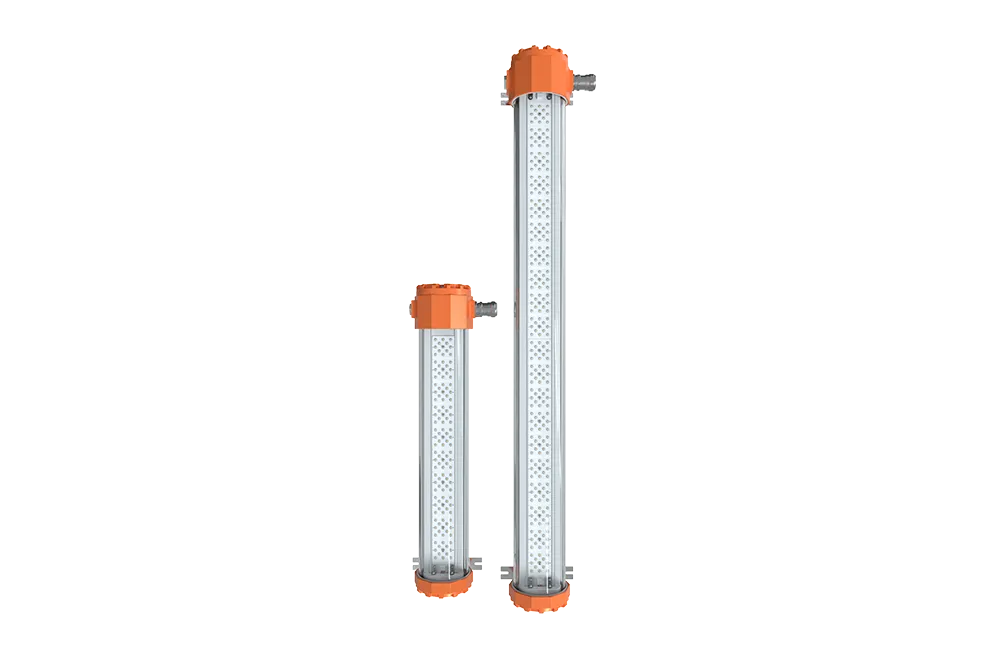
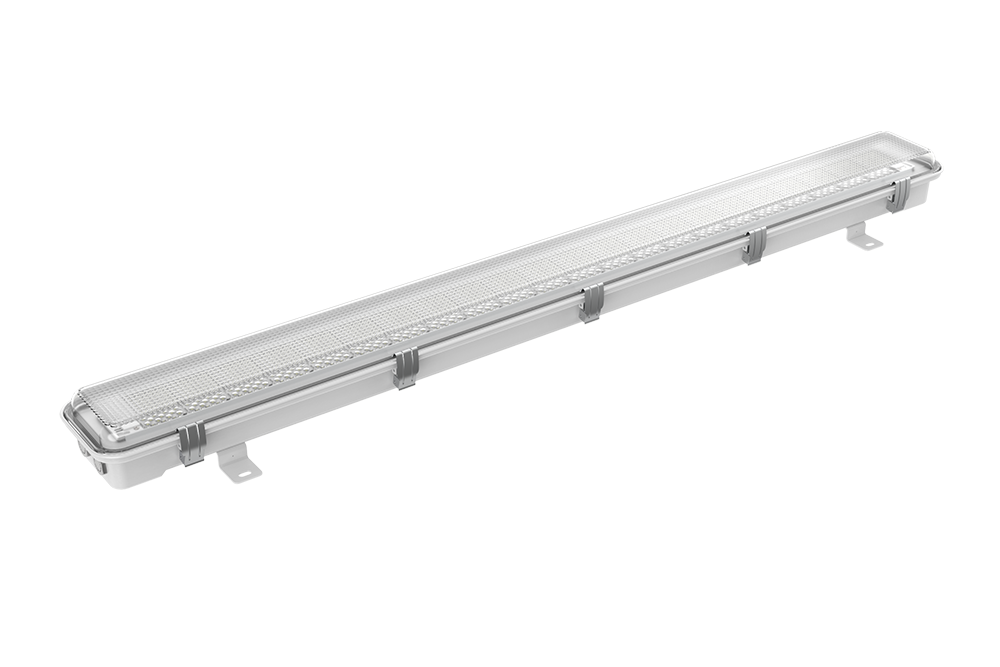
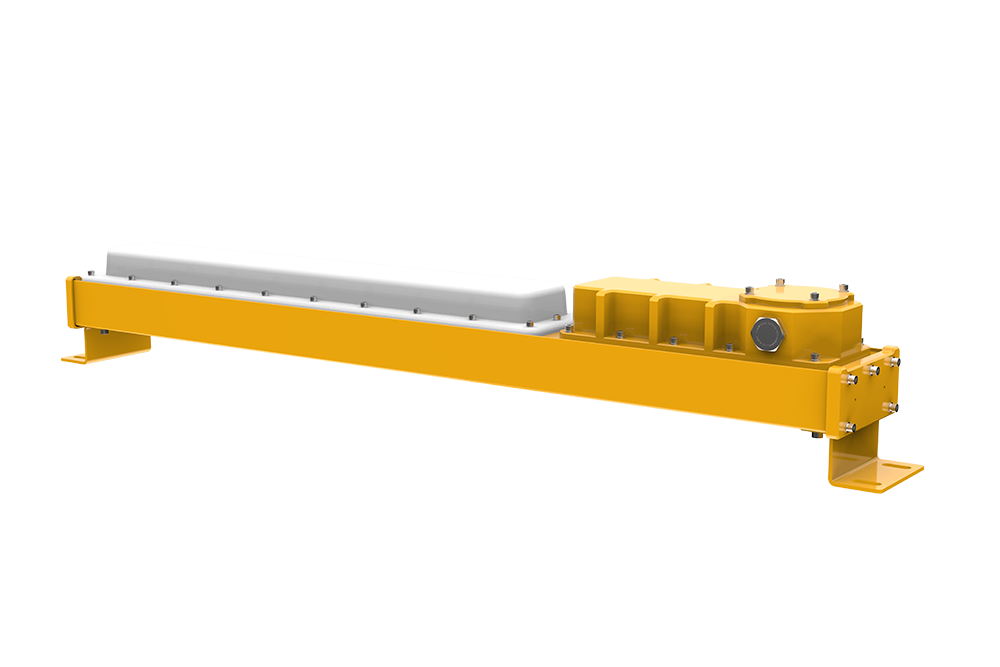
SEEKINGLED LED Linear Explosion Proof Light and Explosion Proof lighting is ATEX and IECEx certified for Zone 1, Zone 2, Zone 21 and Zone 22 hazardous locations, built for long-term industrial use.
LED Linear Explosion Proof Lights and EX Proof lights for Zone 1, Zone 2, Zone 21 and Zone 22 hazardous areas. ATEX & IECEx certified explosion proof LED linear lighting with emergency function, adjustable power and IP67 protection by SEEKINGLED.
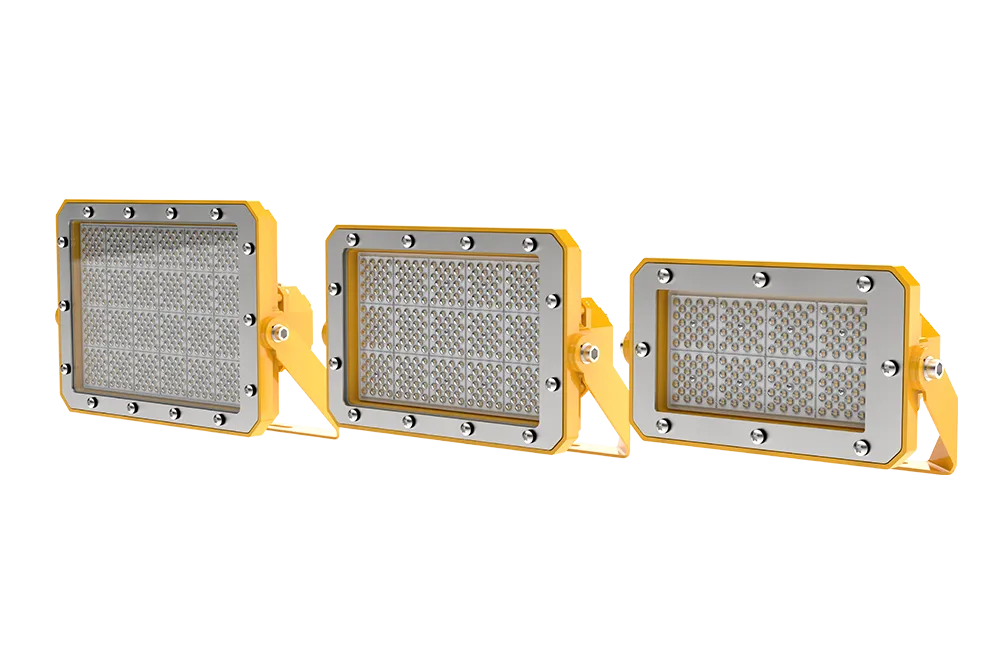
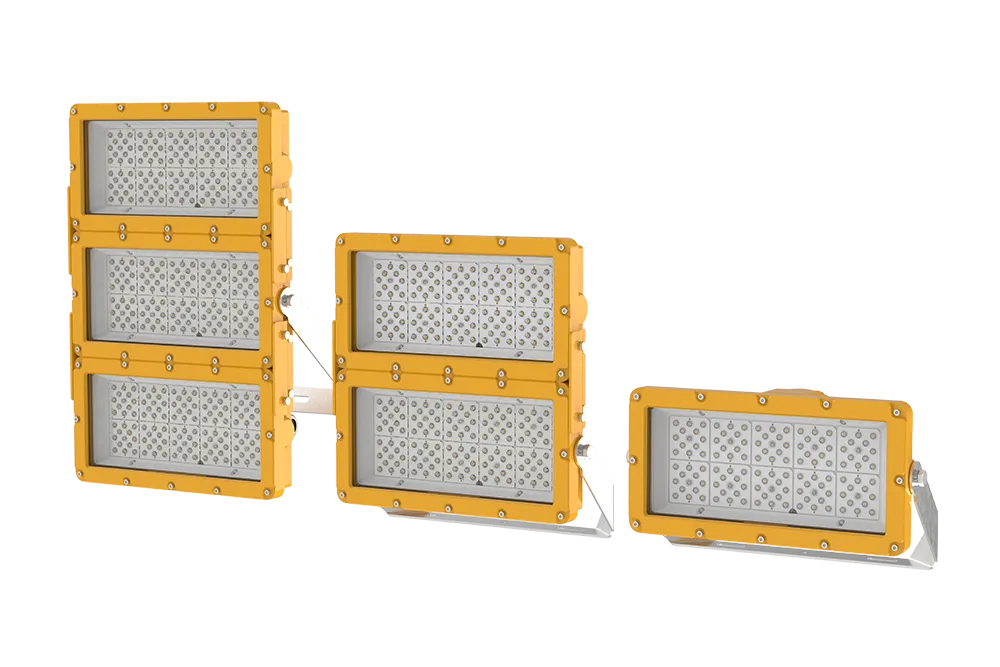
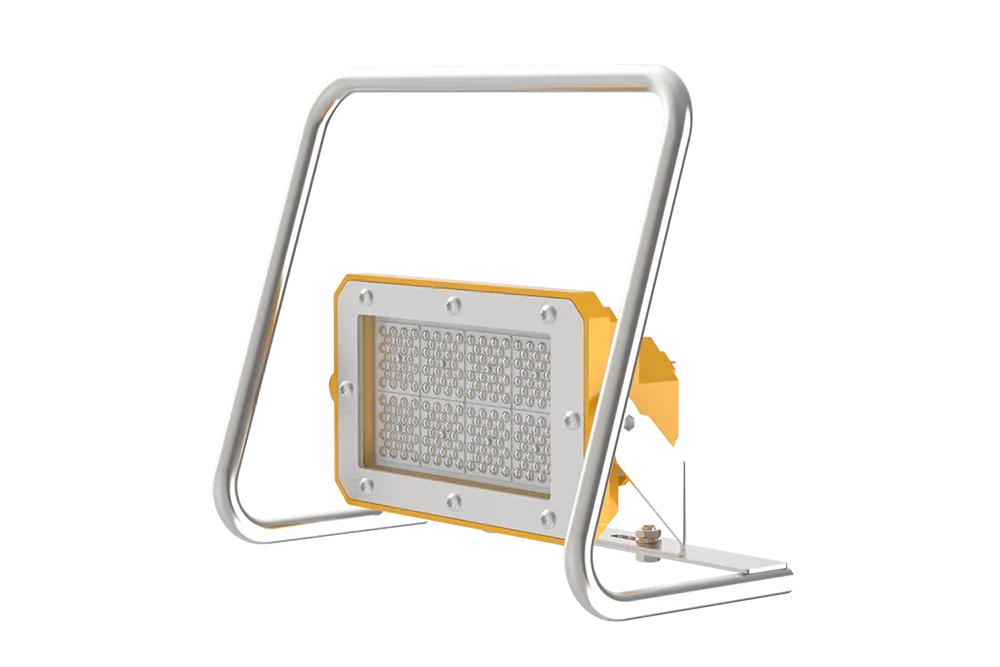
SEEKINGLED LED Explosion Proof Flood Lights are ATEX certified for Zone 2 and Zone 22 hazardous areas, offering high efficiency, adjustable power and integrated junction box.
SEEKINGLED LED Explosion Proof Flood Lights are flameproof ATEX and IECEx certified for Zone 1 and Zone 2 hazardous areas, offering high power, adjustable output and long service life.
SEEKINGLED LED Gas Station Canopy Lights are ATEX certified for Zone 2 and Zone 22 hazardous areas, featuring adjustable power and built-in explosion-proof junction box.
ATEX: Ex II 2G Ex db IIB T6/T5 GbEx II 2D Ex tb IIIC T80°C/ T95°C Db IECEx Ex db IIB T6 Gb;Ex tb IIIC T80°C Db Feature: ● For Zone 1,2 and Zone 21,22● Flameproof type, the strongest● 100W can replace 250W HID,energy saving● Power:60W,80W,100W Application: Oil and gas, marine, Chemical, pharmaceutical, semiconductor,mining,military industr…
ATEX: II 3G Ex nR ⅡC T5/T6 GcII 3D Ex tc ⅢC T80℃/T95℃Dc ATEX Certificate NO: TÜV CY 26 ATEX 0207611 X Feature: ● For Zone 2 and Zone 22● 150W can replace 250W HID lamps,Energy saving● Power:50W,75W,100W,150W,200W Application: Oil and gas, marine, Chemical, pharmaceutical, semiconductor,mining,military industry, paint booth,power plant ETC…
LED explosion proof high bay lights are designed for Zone 1, Zone 2, Zone 21 and Zone 22 hazardous areas. This page introduces the HB21 Series from SEEKING, including certifications, power options and real application considerations.
LED Linear Explosion Proof Lights from SEEKINGLED. LU Series Flame Proof lights ATEX-certified explosion proof LED linear lighting for Zone 2 gas and Zone 22 dust areas, IP69K, IK10, long lifetime and flexible power options.
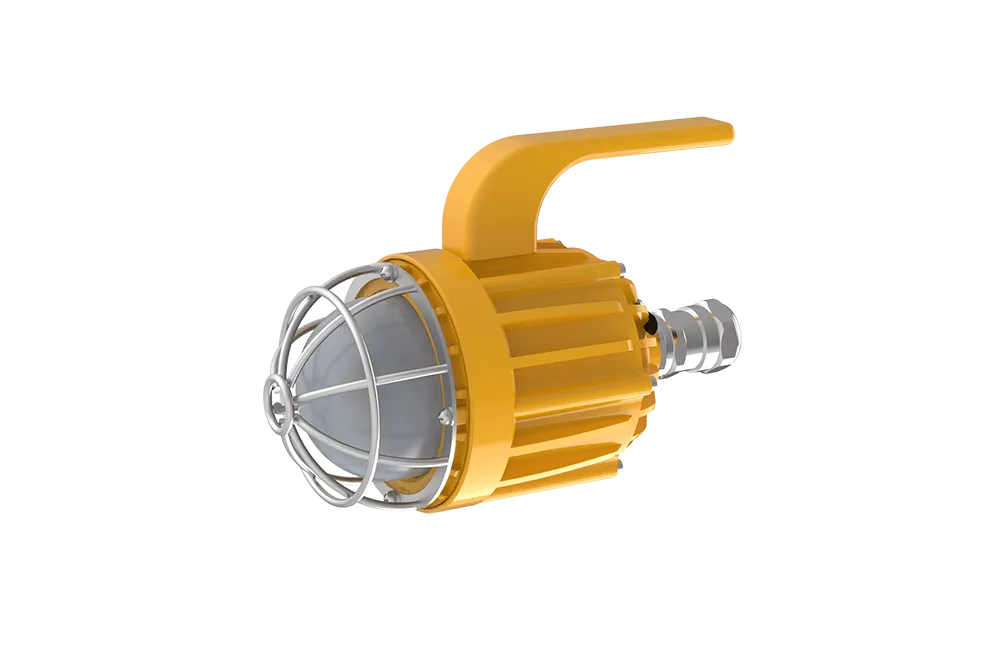
Certified explosion proof work lights for Zone 1 & 21 hazardous areas. Portable, ATEX & IECEx approved, built for oil, gas and chemical plants by SEEKINGLED.
ATEX: II 3G Ex nR ⅡC T6 GcII 3D Ex tc ⅢC T80℃ Dc ATEX Certificate NO: TÜV CY 26 ATEX 0207611 X Feature: ● For Zone 2 and Zone 22● Accepts battery-powered supply● indestructible● Power:AC input:50W,75W,100WDC input:15W,25W,35W Application: Oil and gas, marine, Chemical, pharmaceutical, semiconductor,mining,military industry, paint booth,po…
ATEX: Ex II 2G Ex db IIB T6 GbEx II 2D Ex tb IIIC T80°C Db IECEx Ex db IIB T6 Gb;Ex tb IIIC T80°C Db Feature: ● For Zone 1,2 and Zone 21,22● Flameproof type, the strongest Application: Oil and gas, marine, Chemical, pharmaceutical, semiconductor,mining,military industry, paint booth,power plant ETC hazardous area. Technical Specifications:…
ATEX: Ex II 2G Ex db IIB T6 GbEx II 2D Ex tb IIIC T80°C Db IECEx Ex db IIB T6 Gb;Ex tb IIIC T80°C Db Feature: ● For Zone 1,2 and Zone 21,22● Flameproof type, the strongest Application: Oil and gas, marine, Chemical, pharmaceutical, semiconductor,mining,military industry, paint booth,power plant ETC hazardous area. Technical Specifications:…
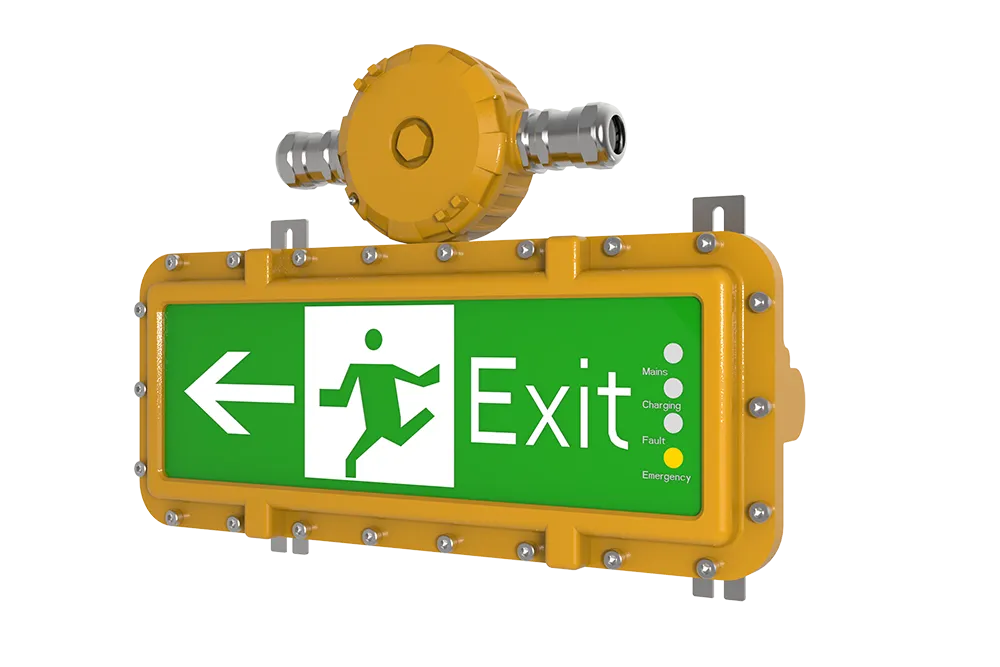
ATEX: Ex II 2G Ex d e IIB T6 Gb ATEX: Ex d e IIB T6 Gb; Feature: ● For Zone 1,2● 9W can replace 18W fluorescent lamps,50% Energy saving Application: Oil and gas, marine, Chemical, pharmaceutical, semiconductor,mining,military industry, paint booth,power plant ETC hazardous area. Technical Specifications: Standards:60079-0, 60079-1, 60079…
What explosion proof LED floodlights are best suited for offshore platforms? Learn key certifications, corrosion resistance, and offshore lighting requirements from industry experts.
outdoor energy efficient flood lights reduce energy use up to 70% while delivering high brightness and durability—ideal for yards, parking, and industrial use.
Indoor sports LED lighting solutions improve visibility, safety, and energy efficiency. Learn how SEEKINGLED applies high bay lights, linear LEDs, and stadium lighting in real indoor sports facilities.
 Seeking LED