 Seeking LED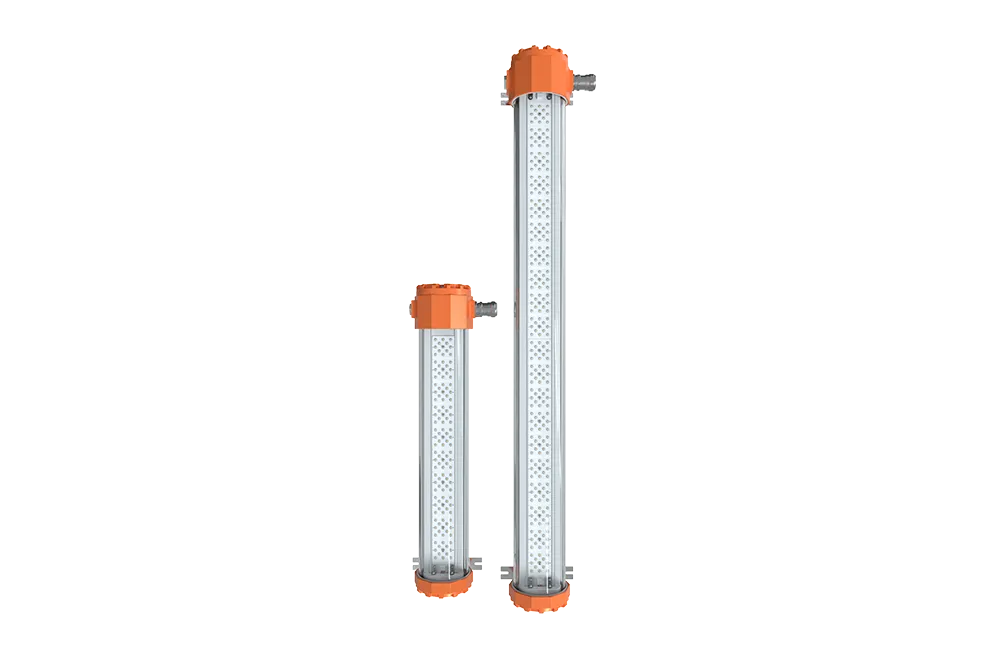
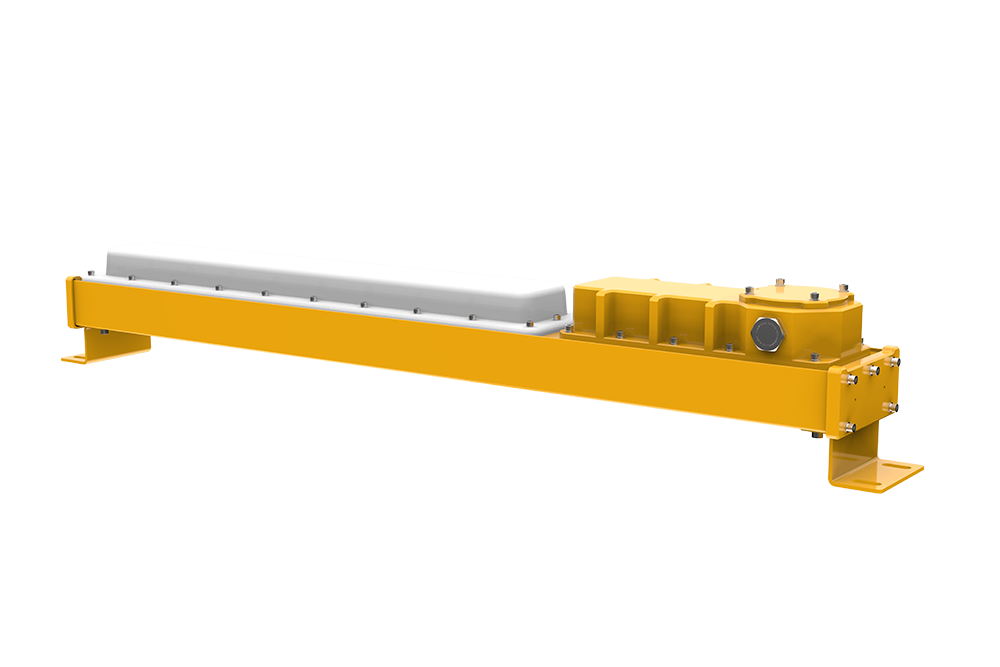
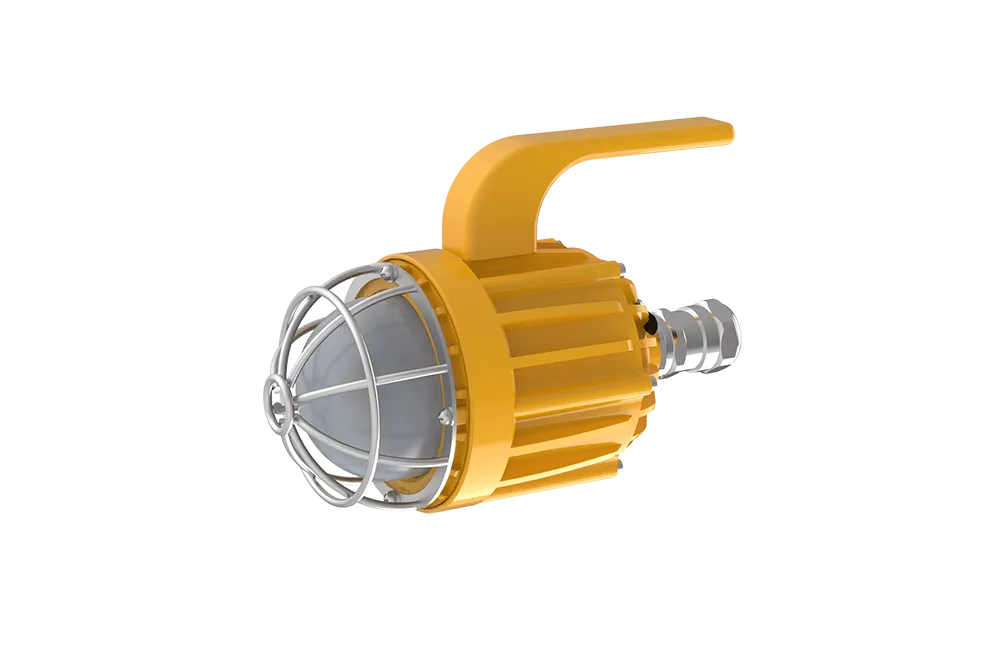
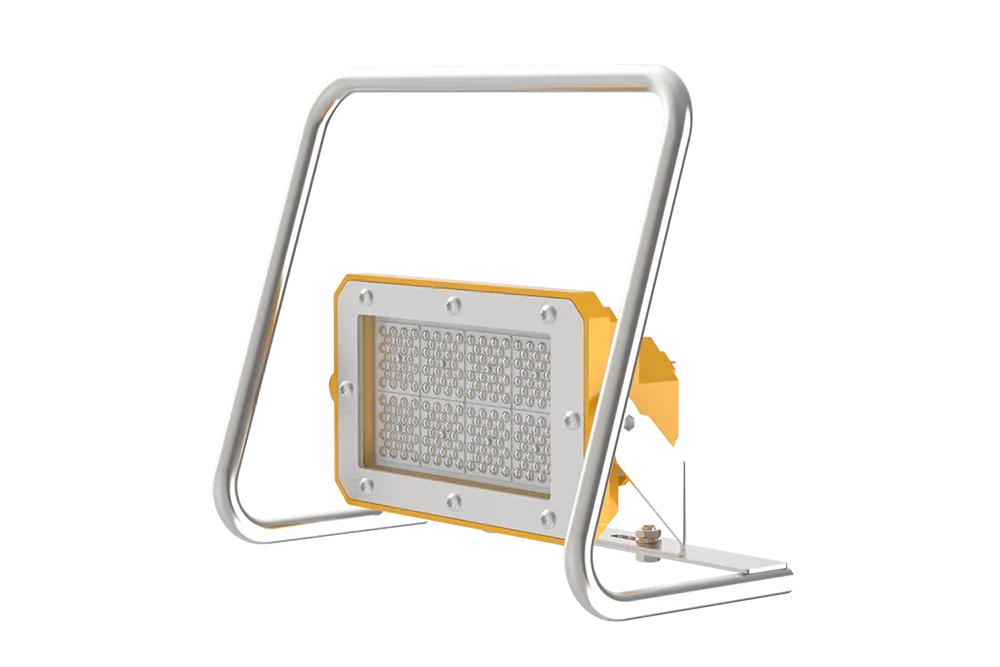
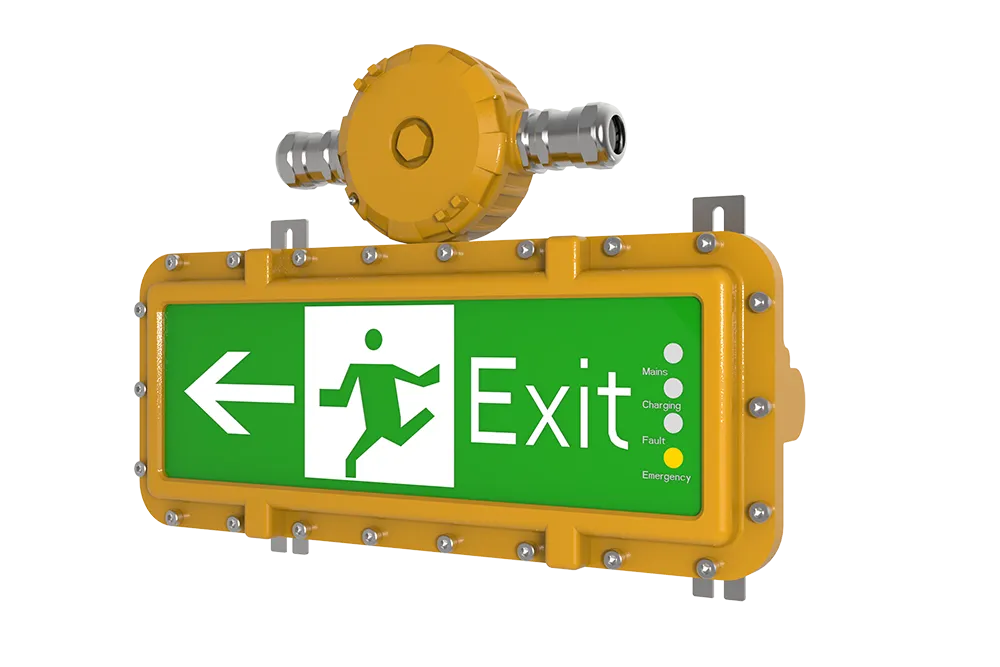
Zone 2 Hazardous Area Lighting: Complete Selection and Safety Guide
0Discover zone 2 hazardous area lighting requirements, certifications, applications, and LED solutions for safe industrial operation in hazardous environments.
View detailsSearch the whole station
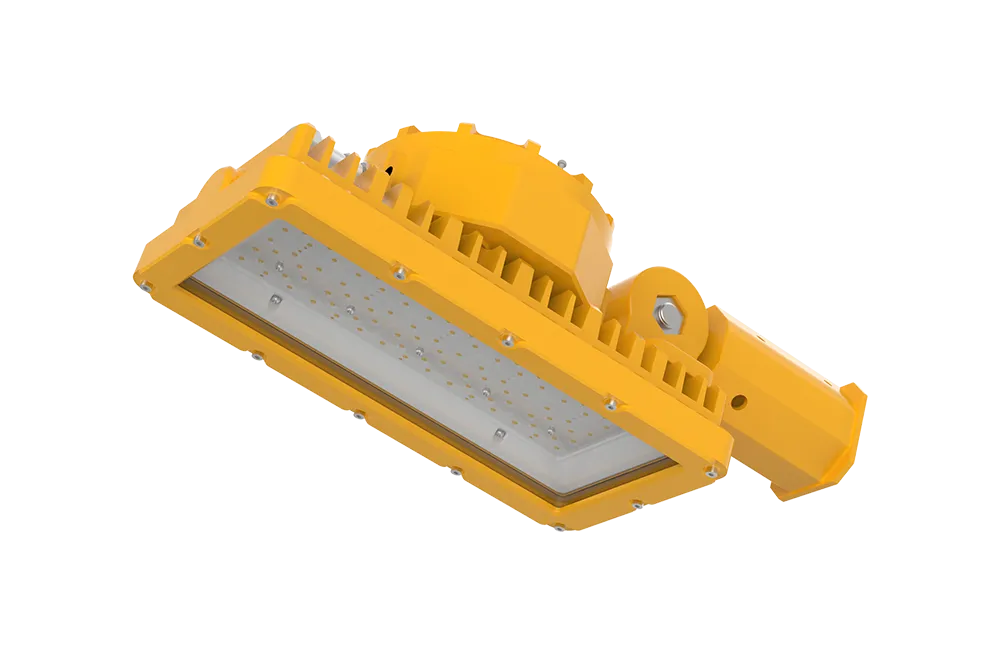
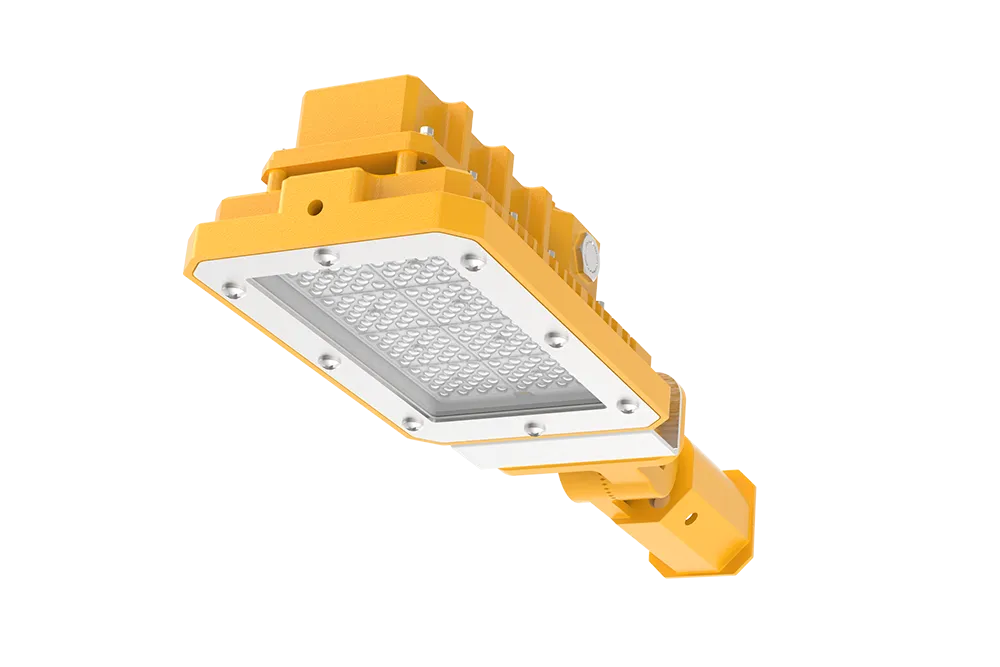
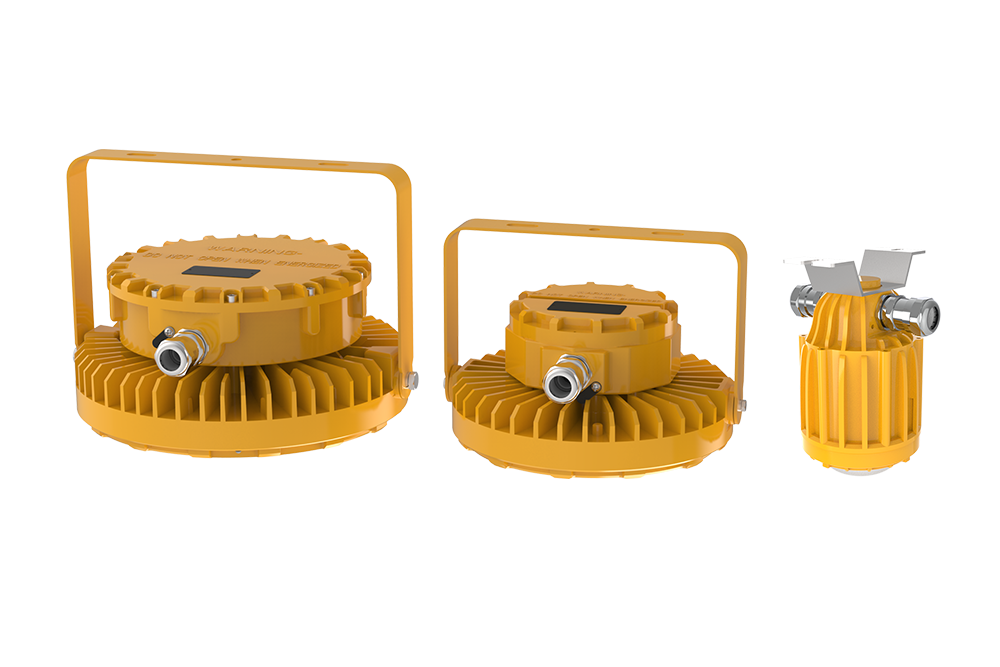
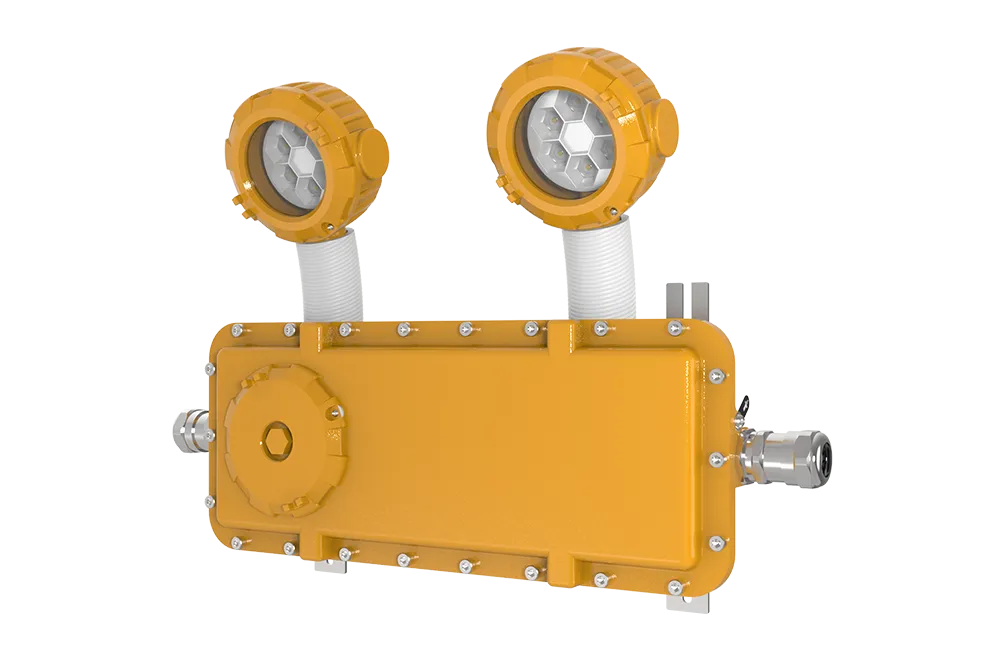
LED explosion proof lighting refers to lighting systems specifically designed to operate safely in environments where flammable gas, vapor, or combustible dust may be present.
The purpose is simple: even if something fails inside the light, it must not ignite the surrounding atmosphere.
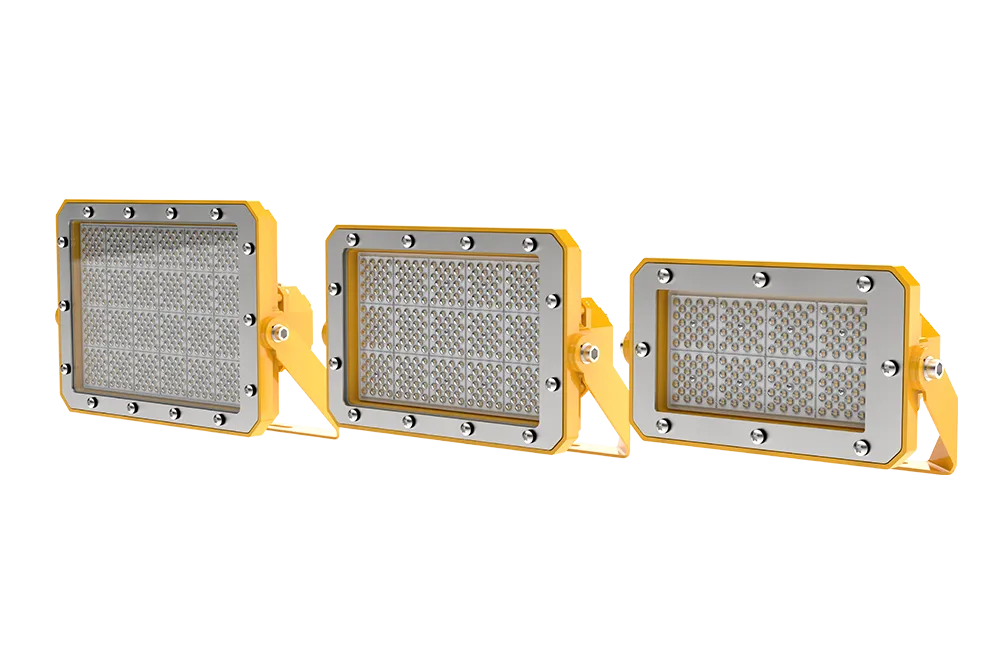
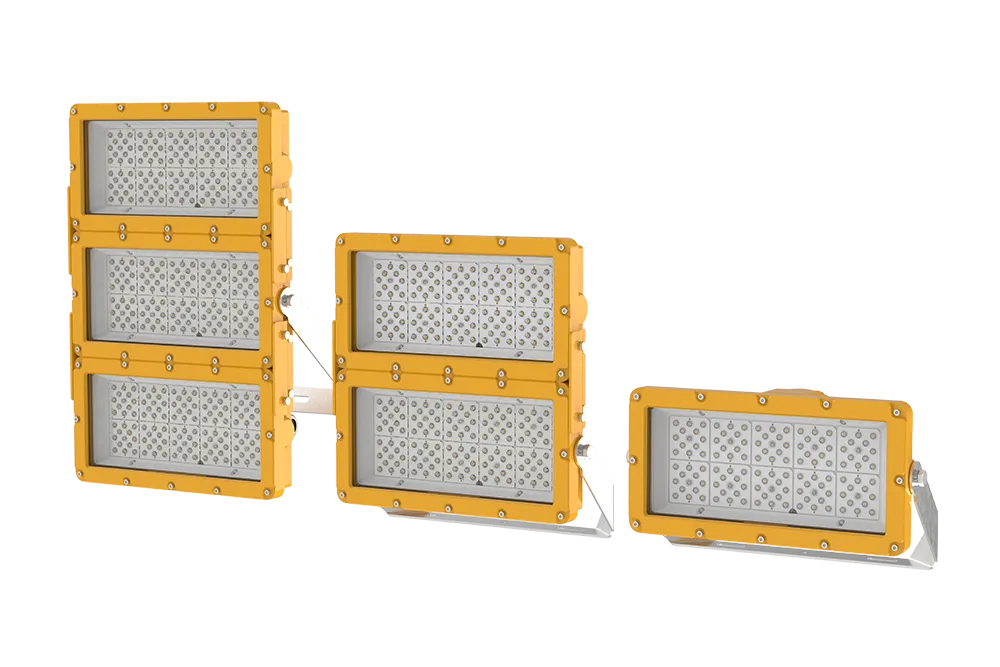
Unlike ordinary industrial LED fixtures, explosion-proof lights use reinforced housings, controlled temperature design, sealed cable entries, and certified flame paths. At SEEKINGLED, these details are treated as engineering requirements, not optional features.
LEDs are efficient, but they are still electrical devices. Inside every luminaire there are:
In hazardous areas, a single spark or overheated surface can cause ignition. LED explosion proof lighting is built so that internal ignition sources remain contained, and external surface temperatures stay within strict limits.
This is why certification standards matter more than lumen output.
From an engineering standpoint, the protection comes from several combined design elements:
LED technology fits well into this structure because it produces less heat and maintains stable output over long periods.
LED explosion proof lighting is widely installed in:
These locations often operate continuously, so lighting reliability directly affects safety and productivity.
Yes, and this difference is often misunderstood.
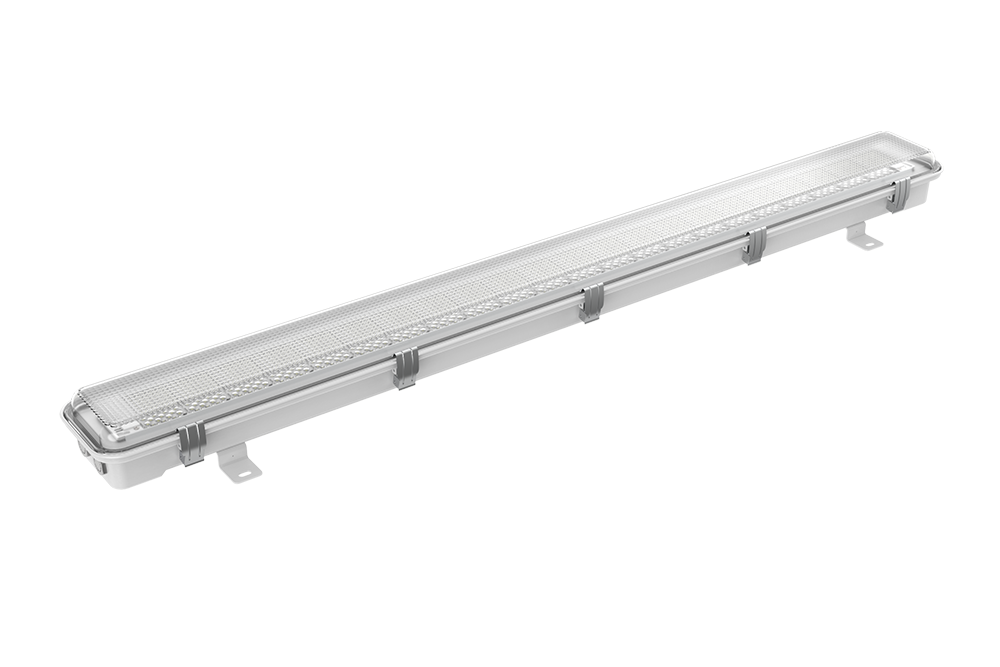
Vapor-tight lights are designed to keep moisture and dust out. Explosion-proof LED lighting is designed to contain ignition. A vapor-tight fixture without proper certification is not suitable for classified hazardous zones.
SEEKINGLED regularly supports customers who need to replace incorrect fixtures installed in explosive environments.
Certification depends on market and application, but common systems include:
Certificates define gas groups, dust groups, zones, and temperature classes. Without these markings, a fixture cannot legally be used in many hazardous installations.
LED explosion proof lighting offers several practical advantages:
These benefits lower total operating cost, especially in facilities that run 24/7.
Yes. Many explosion-proof LED systems are designed for both indoor and outdoor use, with high ingress protection and corrosion-resistant materials.
SEEKINGLED designs outdoor explosion-proof lighting with consideration for rain, salt air, dust, and temperature variation, not just certification labels.
Selection usually starts with:
Choosing a manufacturer that understands both certification and real installation conditions helps avoid costly mistakes.
In classified hazardous areas, yes. Regulations typically require certified equipment. Using non-rated lighting can lead to shutdowns, failed inspections, or serious safety incidents.
This is why many project engineers standardize on certified LED explosion proof lighting from the start.
Discover zone 2 hazardous area lighting requirements, certifications, applications, and LED solutions for safe industrial operation in hazardous environments.
View details
100 watt LED flood light delivers high brightness with low energy cost. Discover real-world performance, installation tips, and expert insights for outdoor lighting with SEEKINGLED.
View details
Which company LED flood light is best? A practical answer based on real outdoor use, durability, and long-term performance.
View details
Glare risks in narrow aisle LED high bay lighting are often underestimated. Learn why bright fixtures can reduce visibility and how to avoid mistakes.
View details