 Seeking LED
LED High Bay Light for Dairy Farm Lighting Upgrade
309A California dairy farm upgraded its barn lighting with LED high bay lights to improve visibility, reduce energy use, and support daily operations.
View detailsSearch the whole station
Flame proof lights are specially engineered fixtures that contain internal explosions and prevent ignition of surrounding hazardous gases or dust, ensuring safe operation in high-risk industrial environments.
That’s the short answer. But in practice—especially on-site—the story is messier, more mechanical, and far more interesting.
I’ve worked on retrofit projects in petrochemical storage yards and offshore maintenance zones. The difference between a standard LED floodlight and a true flame proof light isn’t just certification—it’s survival margin.
A common misunderstanding: people think flame proof lights simply “block sparks.”
In reality, these fixtures are built to:
According to the International Electrotechnical Commission (IEC 60079 standard), flameproof enclosures must withstand explosion pressure and safely contain it without rupture.
That means:
I’ve personally seen a failed low-cost housing crack under thermal stress after just 9 months in a refinery—no explosion, just heat cycling. That’s enough to compromise safety.
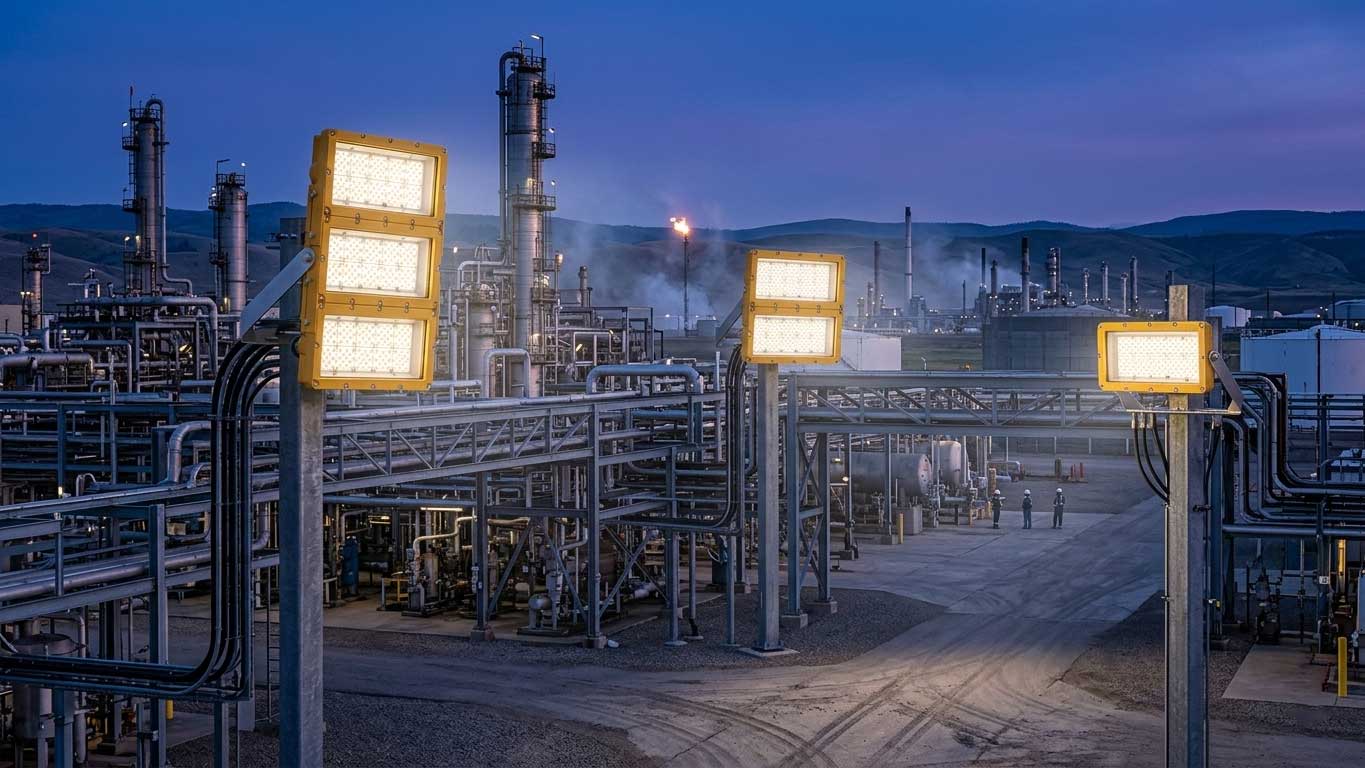
| Industry | Risk Type | Lighting Requirement |
|---|---|---|
| Oil & Gas | Flammable vapor | Zone 1 / Zone 2 certified |
| Chemical plants | Reactive gases | Anti-corrosion + sealed optics |
| Grain storage | Dust explosion | High IP + anti-static design |
| Marine/offshore | Salt + gas | IP66+ + anti-corrosion coating |
According to OSHA (Occupational Safety and Health Administration), hazardous locations are classified based on the presence of flammable gases, vapors, or dust, requiring certified equipment to prevent ignition sources.
Many suppliers advertise 150–180 lm/W. But in flame proof lights, thermal constraints reduce real output.
From field measurements:
That drop matters when lighting large yards.
Theoretical LED lifespan:
Real-world flame proof fixtures:
Why? Heat accumulation inside sealed housings.
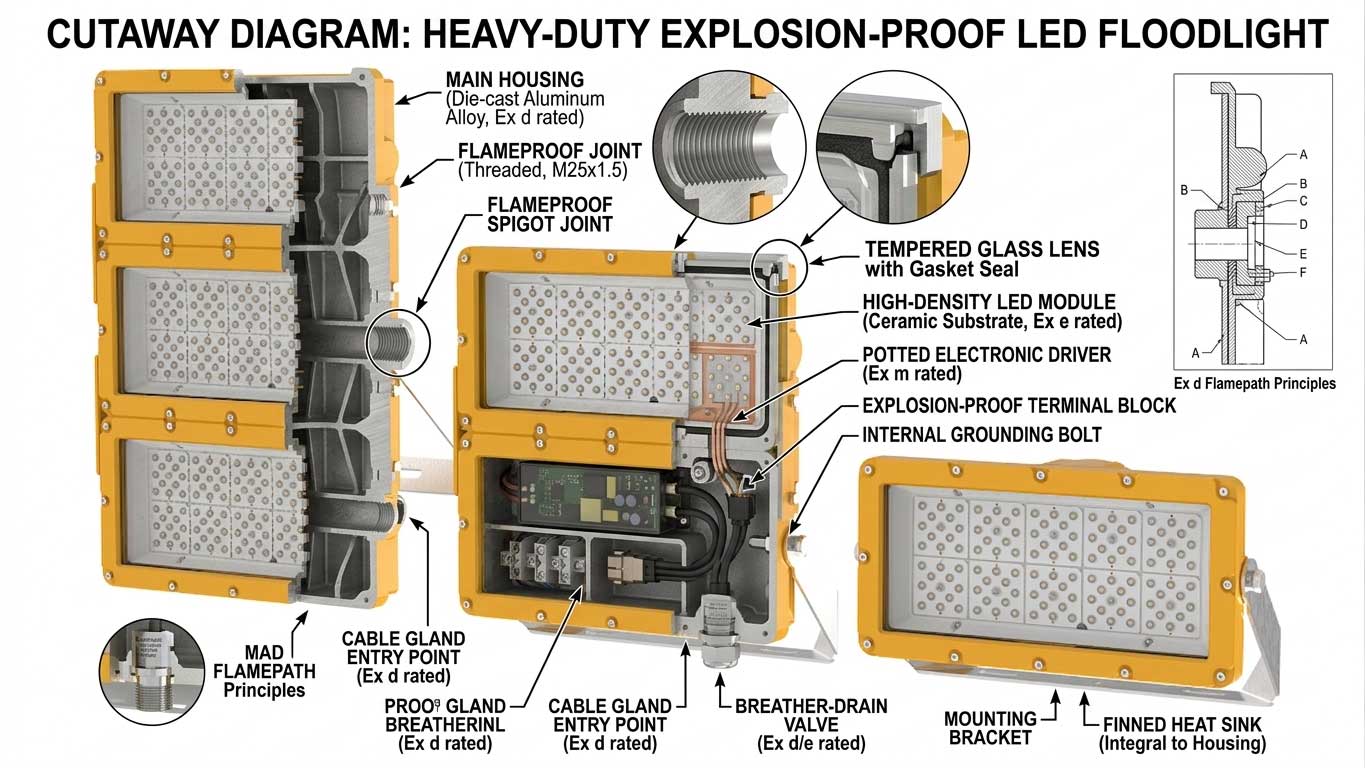
I’ll be blunt—certification alone is not enough.
A poorly designed driver inside the enclosure? That’s the #1 failure point I’ve seen.
Not exactly. “Flame proof” is a specific protection method under IEC standards, while “explosion proof” is a broader term often used in North America.
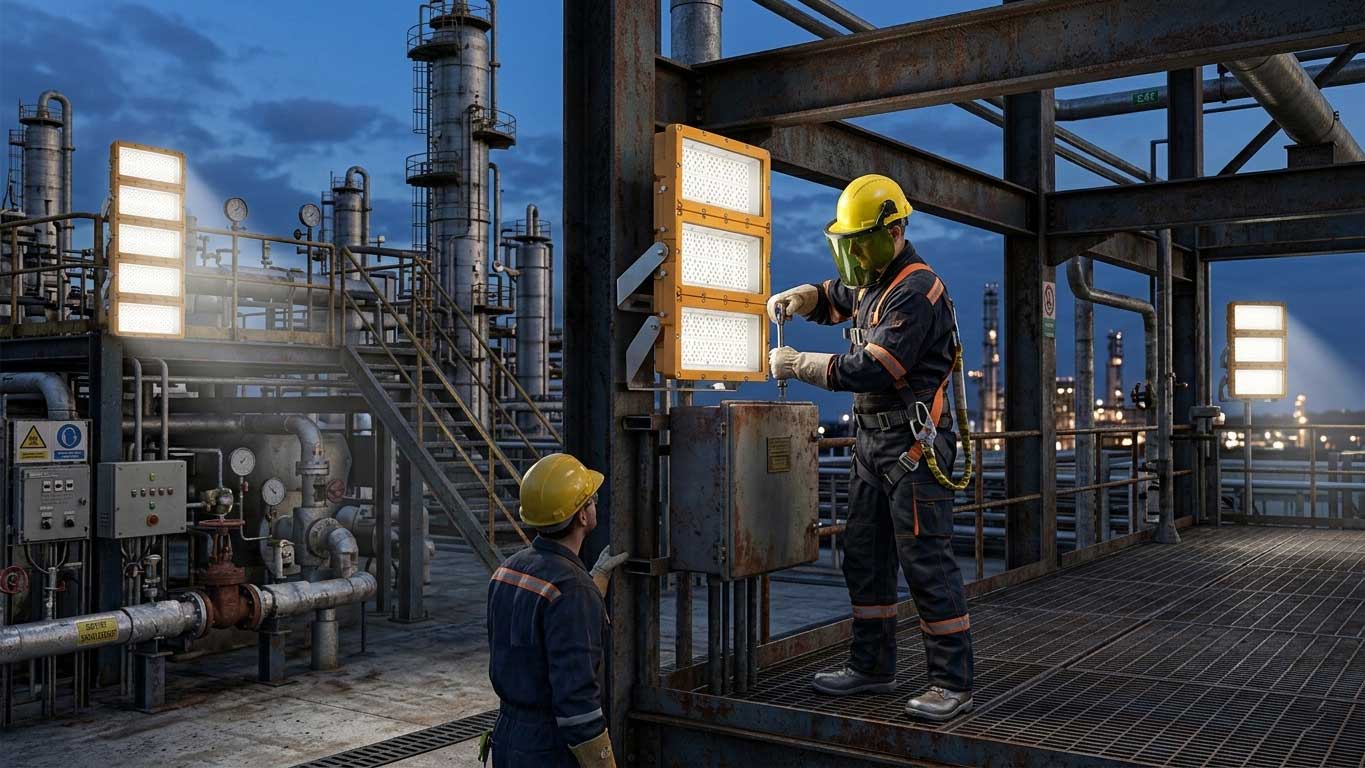
Yes. Periodic inspection is mandatory, especially for:
No. Non-certified fixtures can ignite hazardous atmospheres and violate safety regulations.
I’ve spent over 8 years working with industrial LED lighting systems, including retrofit projects in:
In one Southeast Asia project, replacing outdated HID fixtures with properly selected flame proof lights reduced maintenance calls by over 40% within the first year—not because LEDs are perfect, but because the right enclosure design was chosen.
The biggest mistake buyers make is focusing on brightness.
In hazardous environments, containment integrity matters more than lumens.
A slightly dimmer, properly engineered flame proof light will always outperform a brighter but poorly designed fixture—because in this context, failure isn’t just downtime. It’s risk.
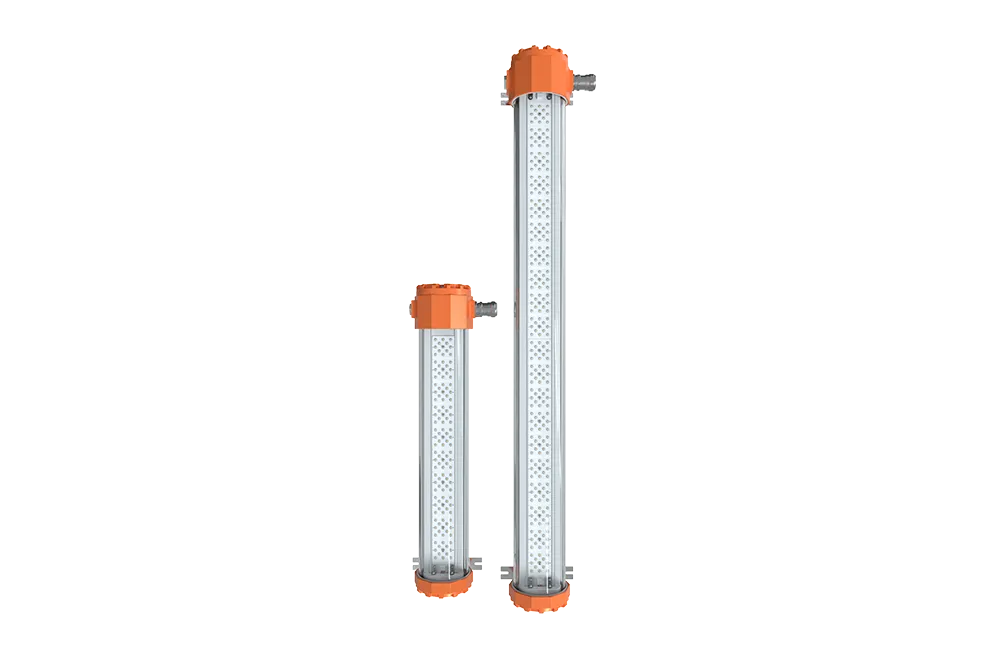
SEEKINGLED LED Linear Explosion Proof Light and Explosion Proof lighting is ATEX and IECEx certified for Zone 1, Zone 2, Zone 21 and Zone 22 hazardous locations, built for long-term industrial use.
View details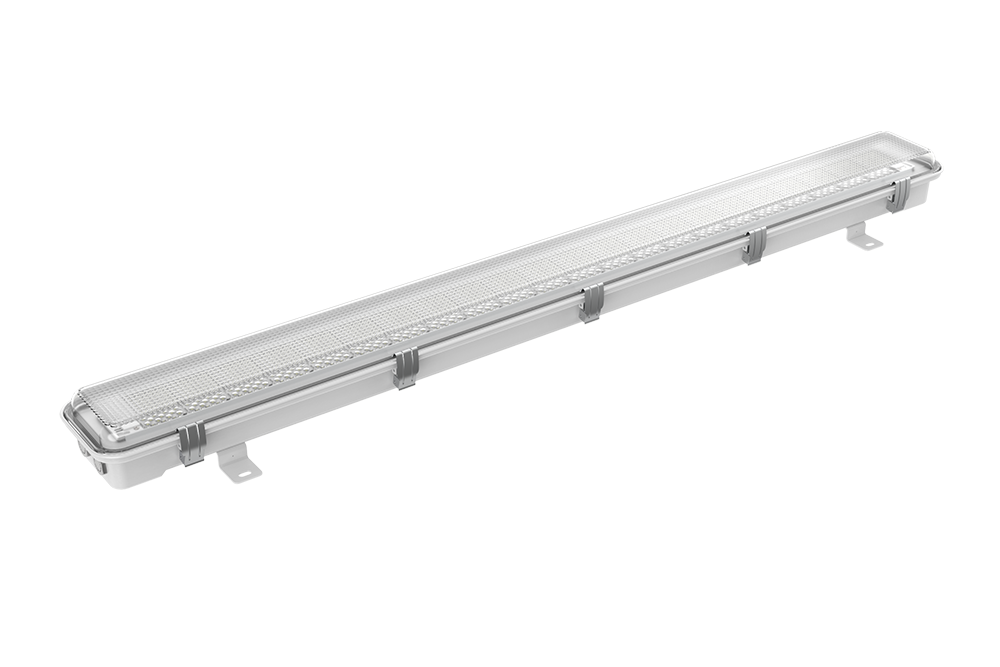
LED Linear Explosion Proof Lights and EX Proof lights for Zone 1, Zone 2, Zone 21 and Zone 22 hazardous areas. ATEX & IECEx certified explosion proof LED linear lighting with emergency function, adjustable power and IP67 protection by SEEKINGLED.
View details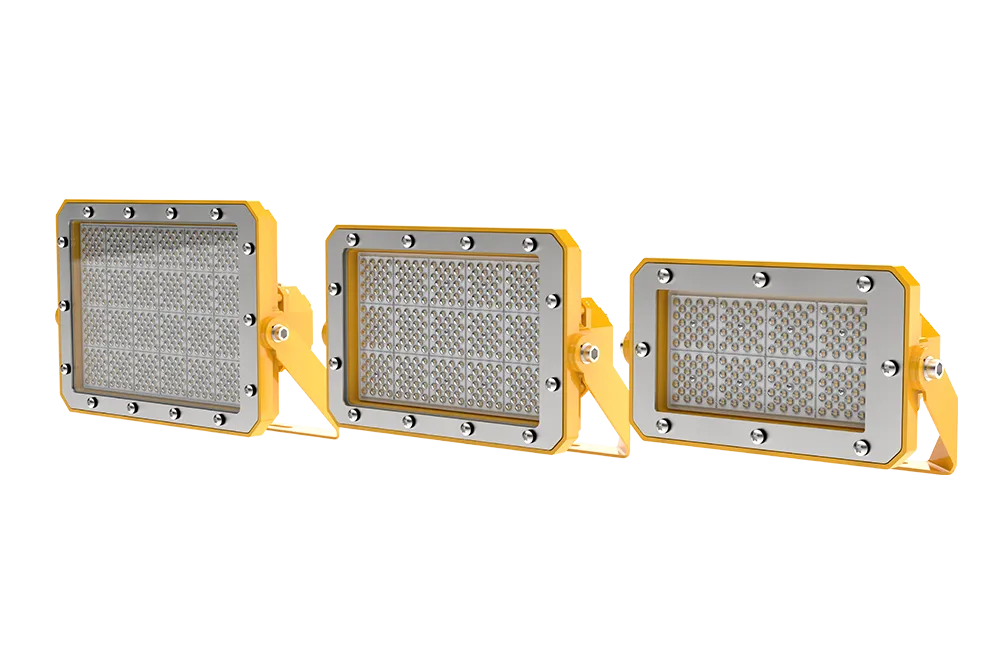
SEEKINGLED LED Explosion Proof Flood Lights are ATEX certified for Zone 2 and Zone 22 hazardous areas, offering high efficiency, adjustable power and integrated junction box.
View details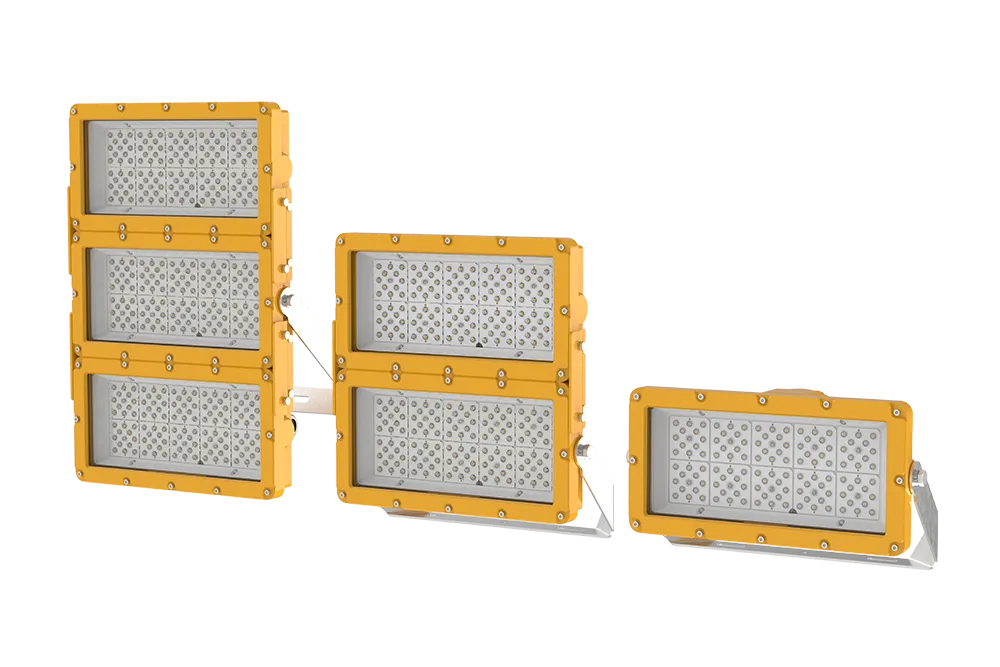
SEEKINGLED LED Explosion Proof Flood Lights are flameproof ATEX and IECEx certified for Zone 1 and Zone 2 hazardous areas, offering high power, adjustable output and long service life.
View details
SEEKINGLED LED Gas Station Canopy Lights are ATEX certified for Zone 2 and Zone 22 hazardous areas, featuring adjustable power and built-in explosion-proof junction box.
View details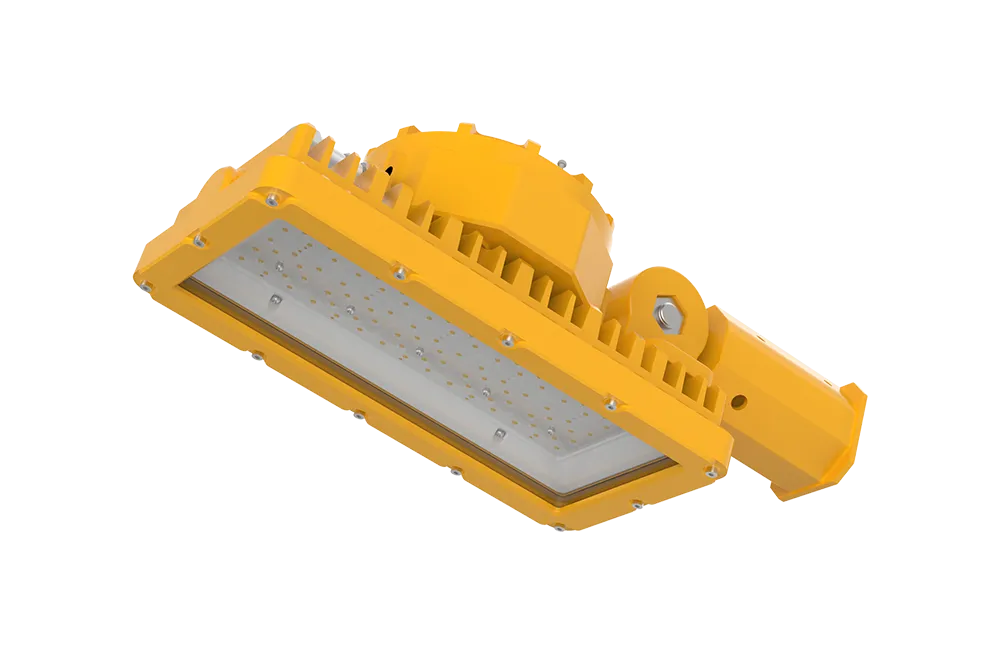
ATEX: Ex II 2G Ex db IIB T6/T5 GbEx II 2D Ex tb IIIC T80°C/ T95°C Db IECEx Ex db IIB T6 Gb;Ex tb IIIC T80°C Db Feature: ● For Zone 1,2 and Zone 21,22● Flameproof type, the strongest● 100W can replace 250W HID,energy saving● Power:60W,80W,100W Application: Oil and gas, marine, Chemical, pharmaceutical, semiconductor,mining,military industr…
View details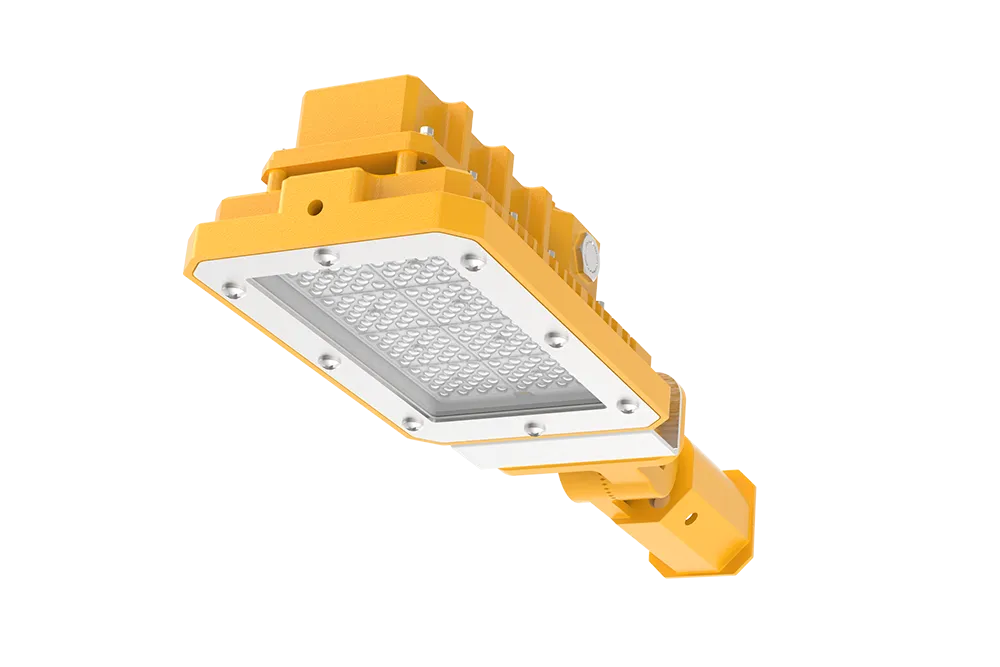
ATEX: II 3G Ex nR ⅡC T5/T6 GcII 3D Ex tc ⅢC T80℃/T95℃Dc ATEX Certificate NO: TÜV CY 26 ATEX 0207611 X Feature: ● For Zone 2 and Zone 22● 150W can replace 250W HID lamps,Energy saving● Power:50W,75W,100W,150W,200W Application: Oil and gas, marine, Chemical, pharmaceutical, semiconductor,mining,military industry, paint booth,power plant ETC…
View details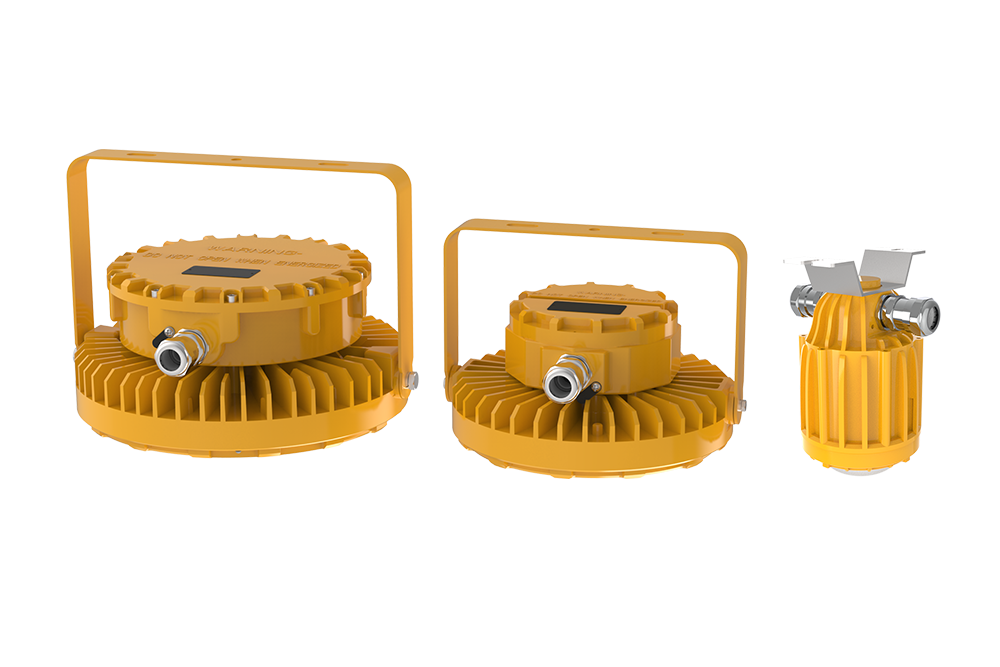
LED explosion proof high bay lights are designed for Zone 1, Zone 2, Zone 21 and Zone 22 hazardous areas. This page introduces the HB21 Series from SEEKING, including certifications, power options and real application considerations.
View details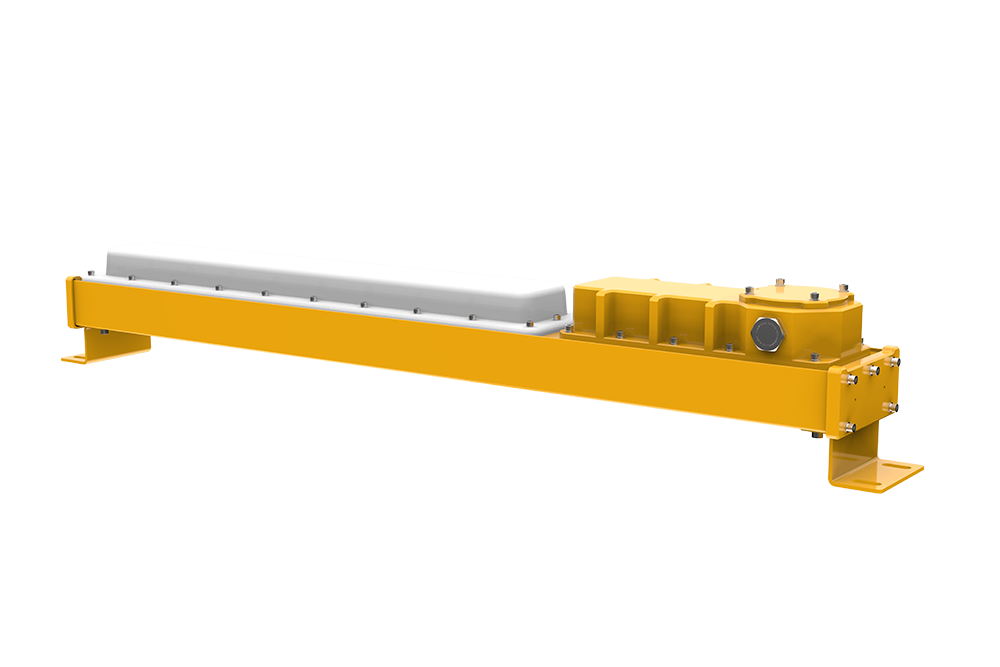
LED Linear Explosion Proof Lights from SEEKINGLED. LU Series Flame Proof lights ATEX-certified explosion proof LED linear lighting for Zone 2 gas and Zone 22 dust areas, IP69K, IK10, long lifetime and flexible power options.
View details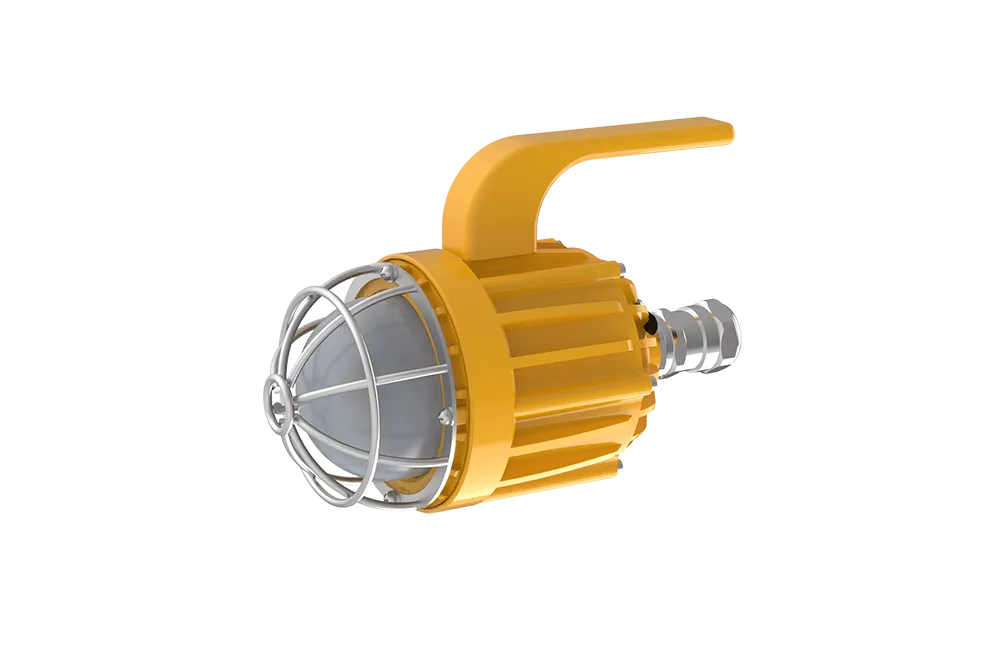
Certified explosion proof work lights for Zone 1 & 21 hazardous areas. Portable, ATEX & IECEx approved, built for oil, gas and chemical plants by SEEKINGLED.
View details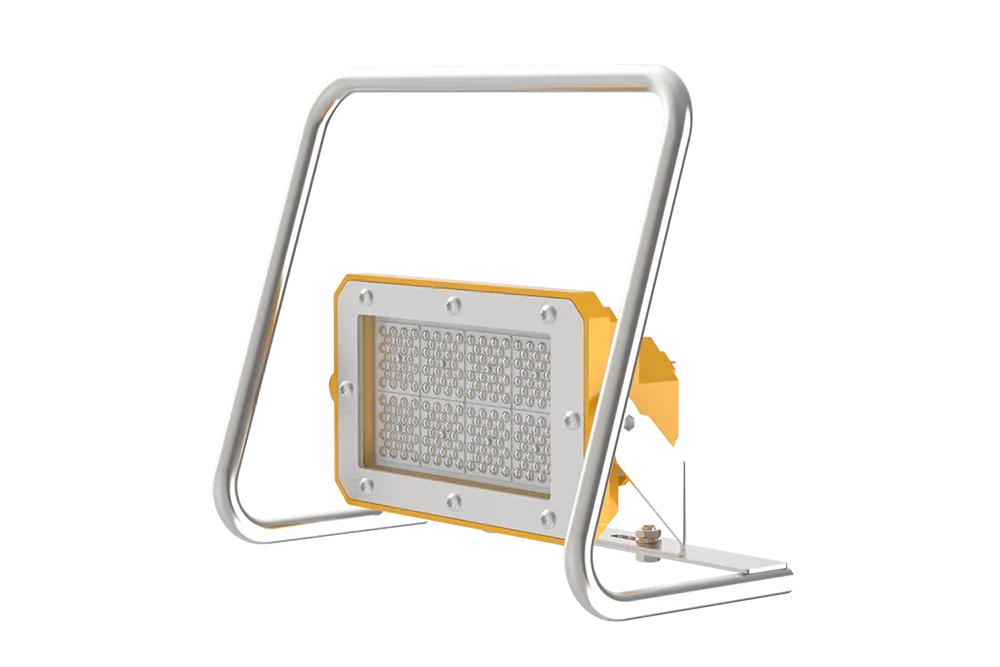
ATEX: II 3G Ex nR ⅡC T6 GcII 3D Ex tc ⅢC T80℃ Dc ATEX Certificate NO: TÜV CY 26 ATEX 0207611 X Feature: ● For Zone 2 and Zone 22● Accepts battery-powered supply● indestructible● Power:AC input:50W,75W,100WDC input:15W,25W,35W Application: Oil and gas, marine, Chemical, pharmaceutical, semiconductor,mining,military industry, paint booth,po…
View details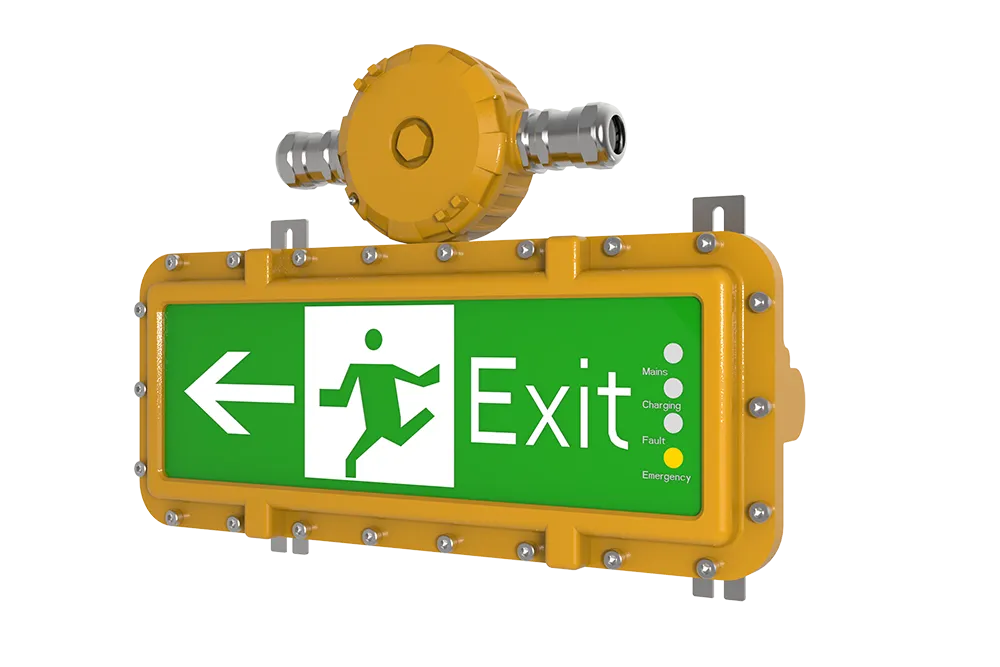
ATEX: Ex II 2G Ex db IIB T6 GbEx II 2D Ex tb IIIC T80°C Db IECEx Ex db IIB T6 Gb;Ex tb IIIC T80°C Db Feature: ● For Zone 1,2 and Zone 21,22● Flameproof type, the strongest Application: Oil and gas, marine, Chemical, pharmaceutical, semiconductor,mining,military industry, paint booth,power plant ETC hazardous area. Technical Specifications:…
View details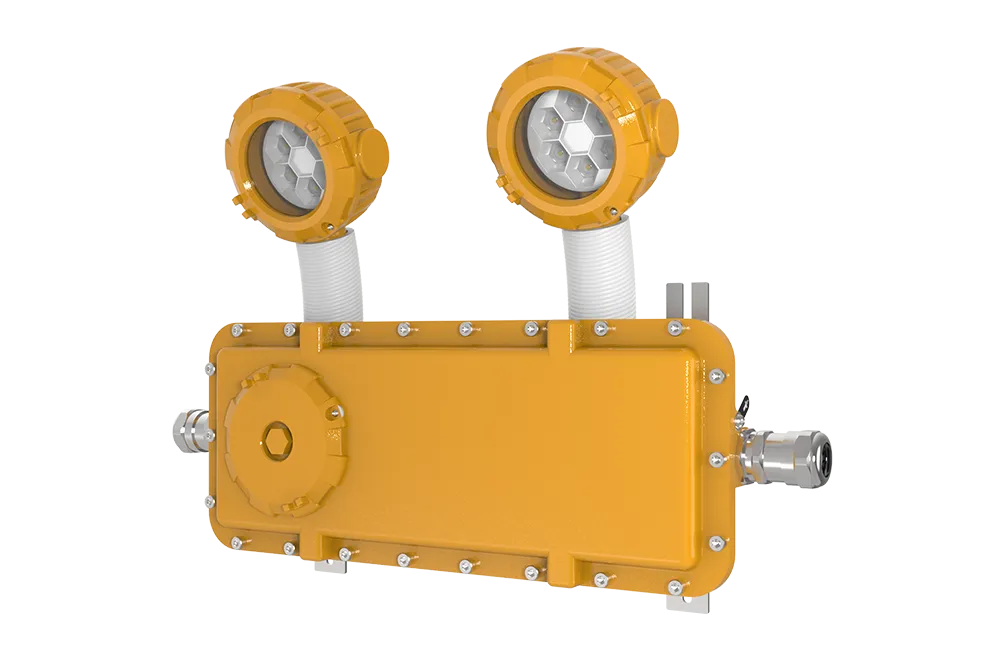
ATEX: Ex II 2G Ex db IIB T6 GbEx II 2D Ex tb IIIC T80°C Db IECEx Ex db IIB T6 Gb;Ex tb IIIC T80°C Db Feature: ● For Zone 1,2 and Zone 21,22● Flameproof type, the strongest Application: Oil and gas, marine, Chemical, pharmaceutical, semiconductor,mining,military industry, paint booth,power plant ETC hazardous area. Technical Specifications:…
View details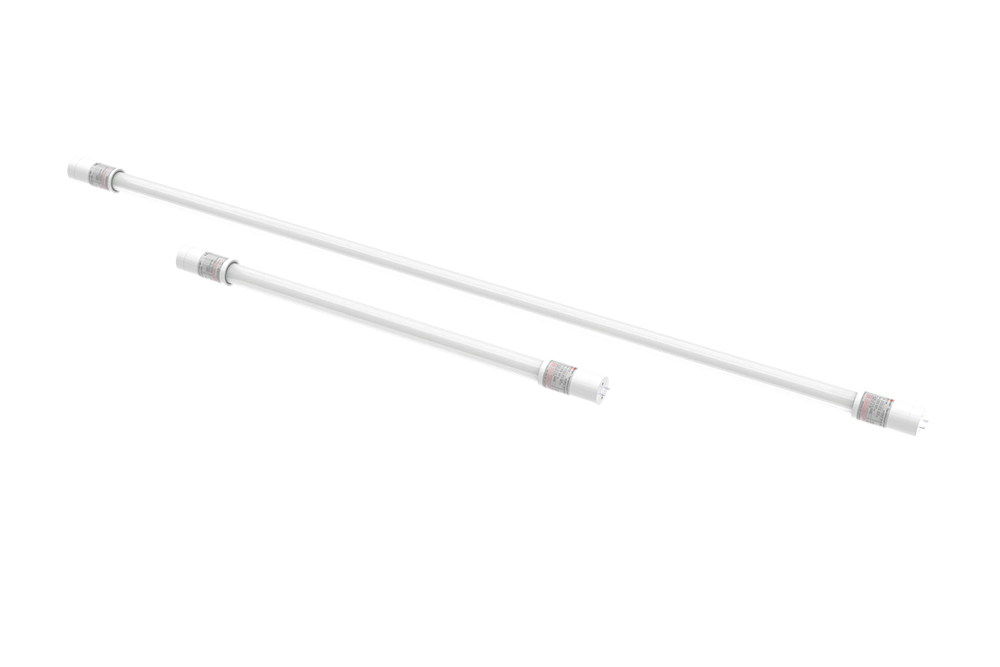
ATEX: Ex II 2G Ex d e IIB T6 Gb ATEX: Ex d e IIB T6 Gb; Feature: ● For Zone 1,2● 9W can replace 18W fluorescent lamps,50% Energy saving Application: Oil and gas, marine, Chemical, pharmaceutical, semiconductor,mining,military industry, paint booth,power plant ETC hazardous area. Technical Specifications: Standards:60079-0, 60079-1, 60079…
View details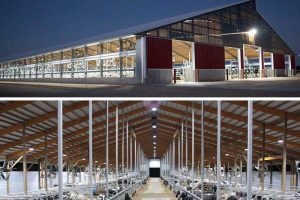
A California dairy farm upgraded its barn lighting with LED high bay lights to improve visibility, reduce energy use, and support daily operations.
View details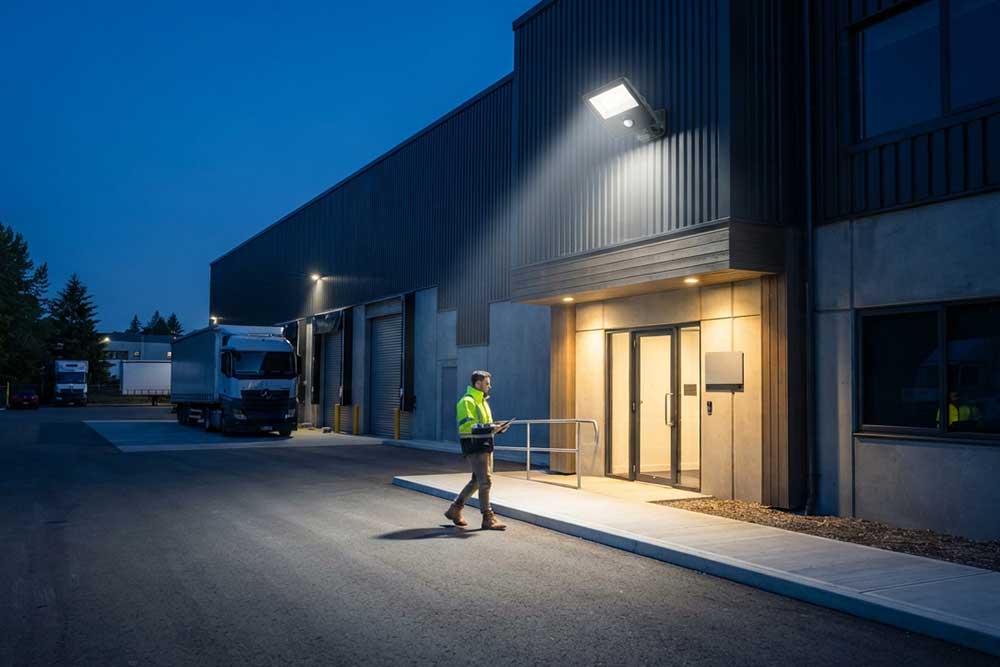
Some flood lights have motion sensors, but not all. Motion-controlled models activate when movement is detected and are useful where lighting demand is inter...
View details
What are explosion proof lights? Learn how these certified fixtures prevent ignition in hazardous areas, with real insights on safety, design, and applications.
View details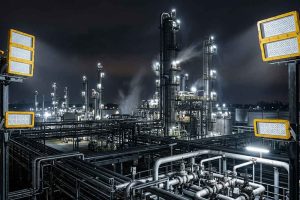
Discover trusted ATEX LED flood light brands for hazardous industries. Learn how certified explosion-proof lighting improves safety in oil, chemical, and marine projects.
View details