 Seeking LED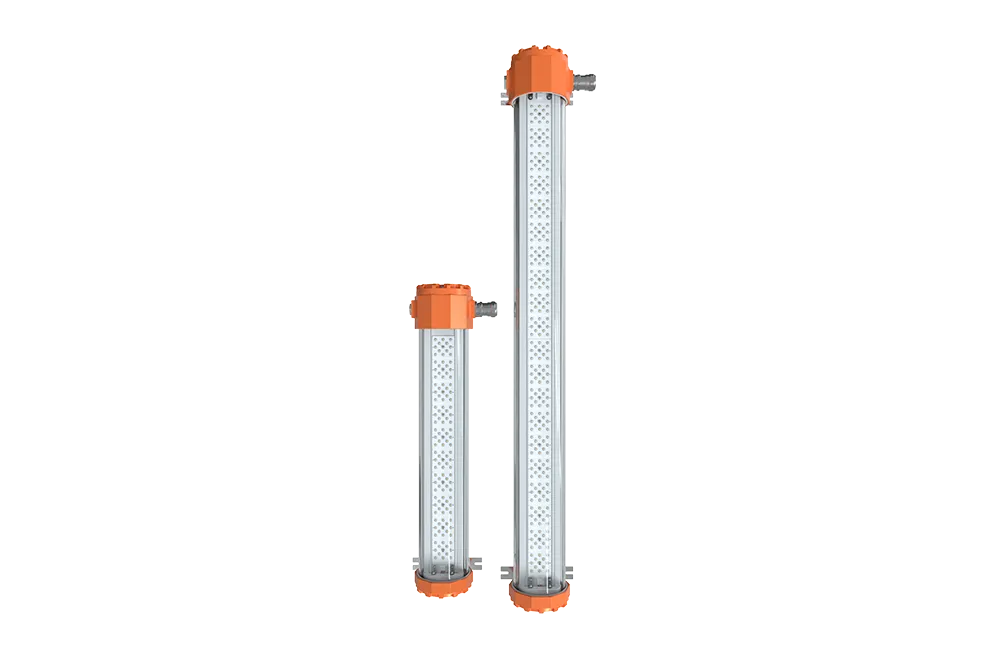
Why Do LED Flood Lights Flicker?
247Why do LED flood lights flicker outdoors? Learn the real reasons—drivers, wiring, voltage, and moisture—and how to stop flickering for good.
View detailsSearch the whole station
When people search for an explosion proof light fixture, they often focus on lumen output first. In real projects, that is rarely the deciding factor.
I have worked on refinery upgrades, marine terminals, and bulk chemical warehouses where lighting approval depended less on brightness and more on documentation — Ex marking accuracy, enclosure integrity, temperature class verification, and certification traceability. One missing certificate page can delay commissioning by weeks.
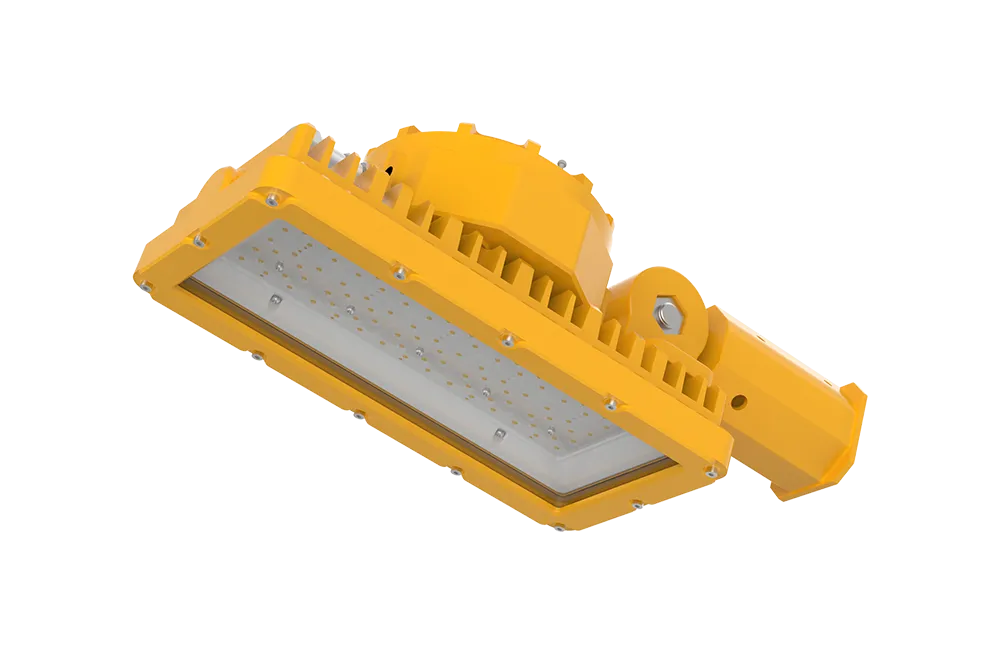
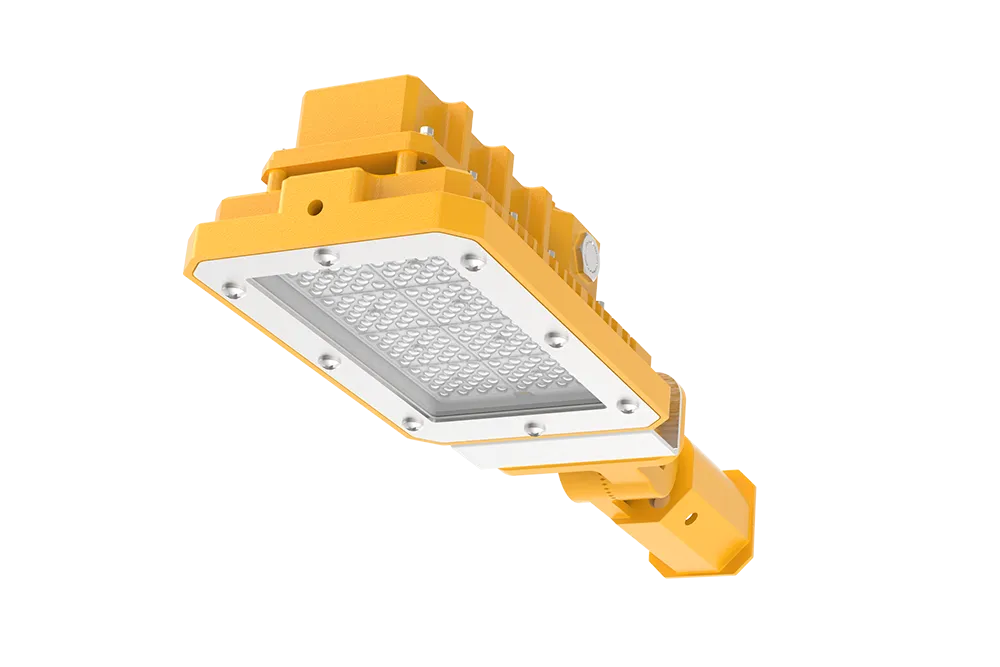
That reality shaped how we built the FL7 Series at SEEKINGLED.
Many products on the market are limited to Zone 2 use. That distinction becomes critical once engineers start reviewing site classification drawings.
The FL7 is designed as a true flameproof unit following requirements under
IEC 60079-0 and
IEC 60079-1.
These standards are governed under the International Electrotechnical Commission and form the backbone of the IECEx System.
For European projects, compliance aligns with the ATEX Directive 2014/34/EU framework.
In practical terms, this means the explosion proof light fixture is suitable for:
That is a wider operational envelope than many entry-level hazardous luminaires.
On one petrochemical expansion project, we replaced aging 400W metal halide fittings installed at 14 meters. The maintenance team had accepted routine relamping as “normal.” What changed the discussion was not wattage — it was downtime.
After switching to 300W FL7 units, measured power consumption dropped noticeably, but more importantly, there were no warm-up delays during generator restart tests. Anyone who has waited for HID lamps to restrike in a hazardous zone understands why that matters.
Instant ignition is not a marketing feature in that situation. It is operational reliability.
The FL7 explosion proof light fixture delivers up to 150 lm/W. For context, the U.S. Department of Energy Solid-State Lighting reports typically reference 130–170 lm/W as common high-efficacy industrial LED range. So this performance sits comfortably within accepted efficiency benchmarks.
Key electrical parameters:
Those figures matter during engineering review meetings, especially when consultants request lifetime projection models.
Temperature class is often overlooked until the last minute.
Surface temperature limits (T6/T5 ratings) determine whether a luminaire can legally operate in specific gas groups. In high ambient climates — Middle East terminals, Southeast Asia refineries — thermal margin becomes critical.
The FL7 operates from -20°C to +55°C ambient, with T6/T5 classifications depending on configuration.
The housing is flameproof aluminum with integrated explosion proof junction box. That integration reduces external wiring complexity — something installers appreciate more than spec sheets reflect.
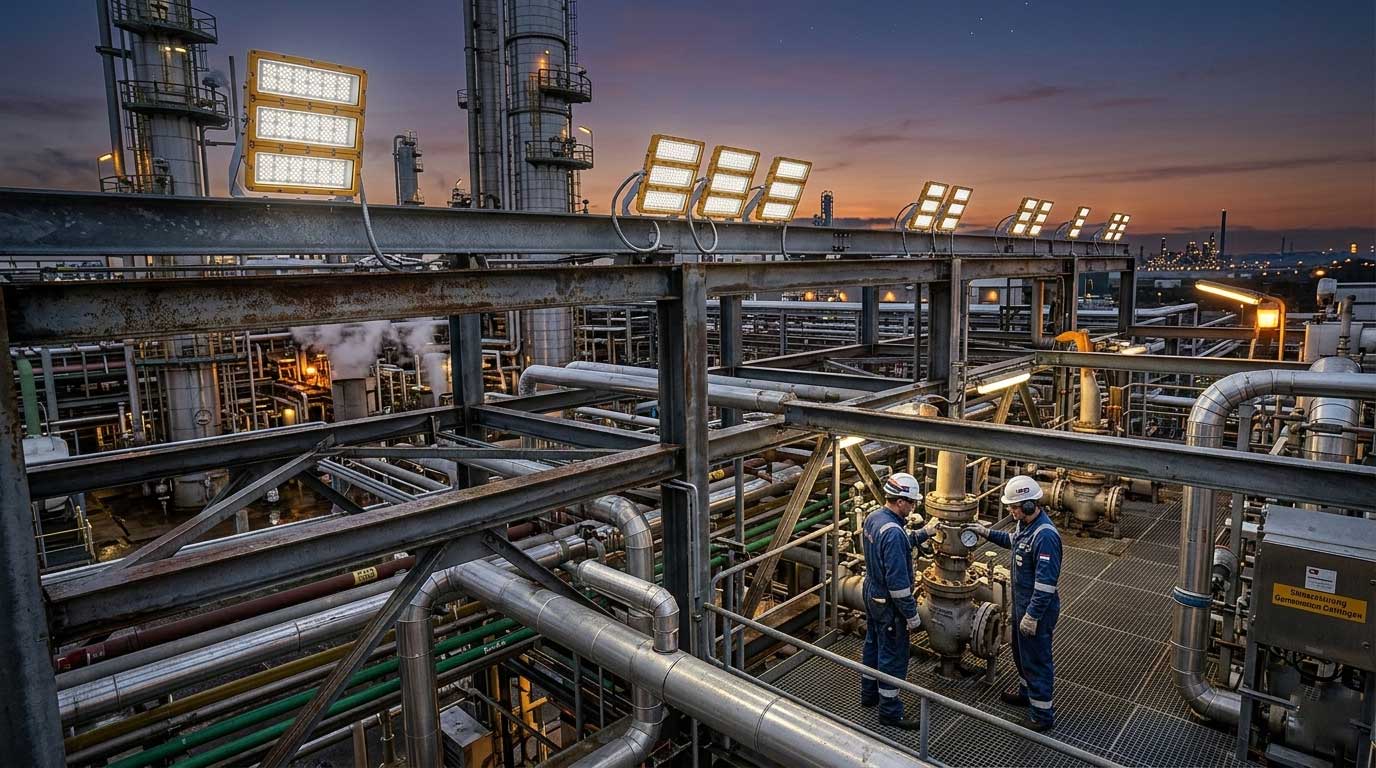
Salt exposure changes everything. I have inspected fixtures on dockside projects where corrosion compromised cable entries within a year.
The FL7 housing uses corrosion-resistant coating suited for marine environments. IECEx certification simplifies approval for offshore platforms where multinational compliance is required.
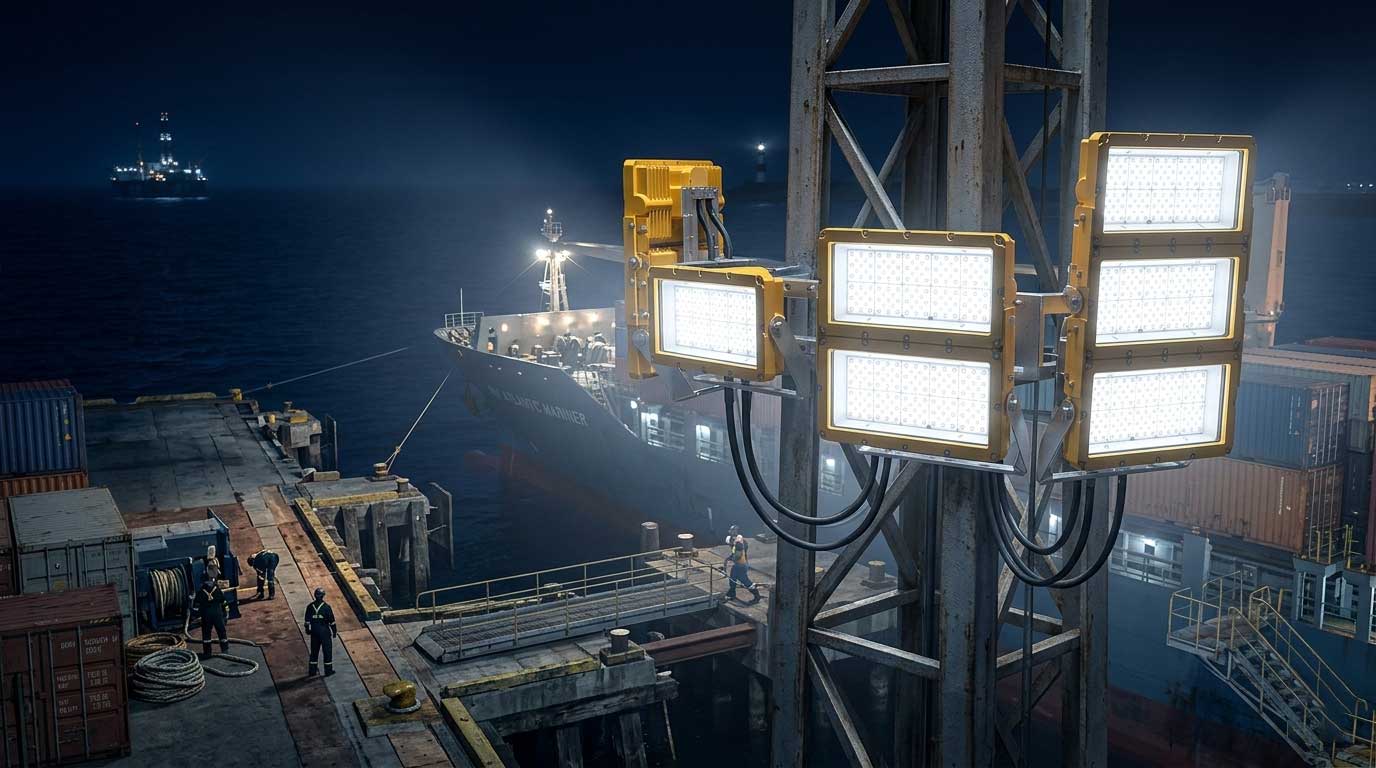
Switching from legacy discharge lamps to LED explosion proof light fixture systems commonly reduces energy use by 40–60%, depending on installation layout.
In lifecycle models I have prepared for EPC contractors, payback periods typically fall between 18–30 months under 12-hour daily operation. After that point, the benefit is purely operational margin.
No bulb inventory.
No cool-down delay.
Minimal access equipment rental.
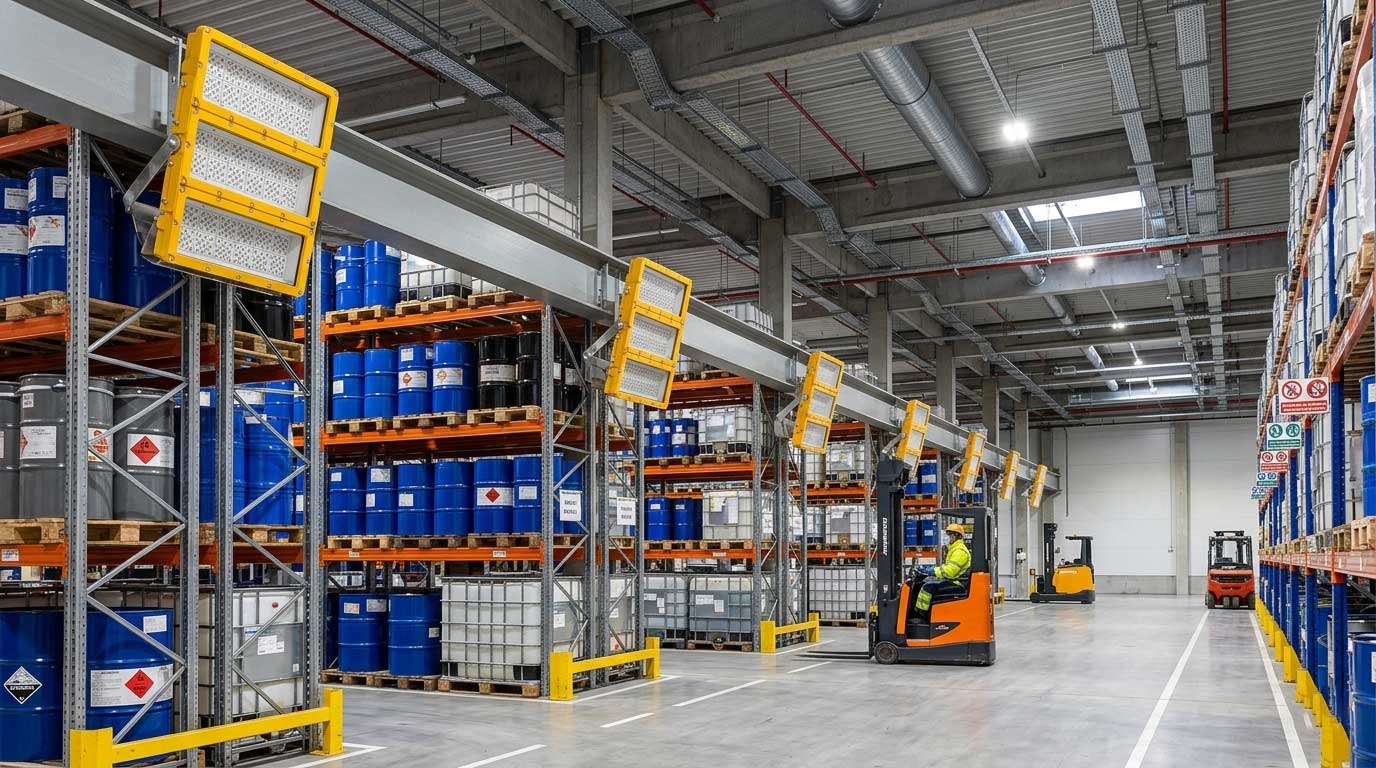
Specifying an explosion proof light fixture is ultimately about risk control. Certification must be verifiable. Temperature class must match site conditions. Documentation must survive third-party audit.
The SEEKINGLED FL7 Series was developed with those realities in mind — not just lumen output charts, but actual installation environments where compliance and reliability are non-negotiable.
For engineers who have worked inside hazardous facilities, that distinction is obvious.
And that is where this explosion proof light fixture proves its value.
Related products
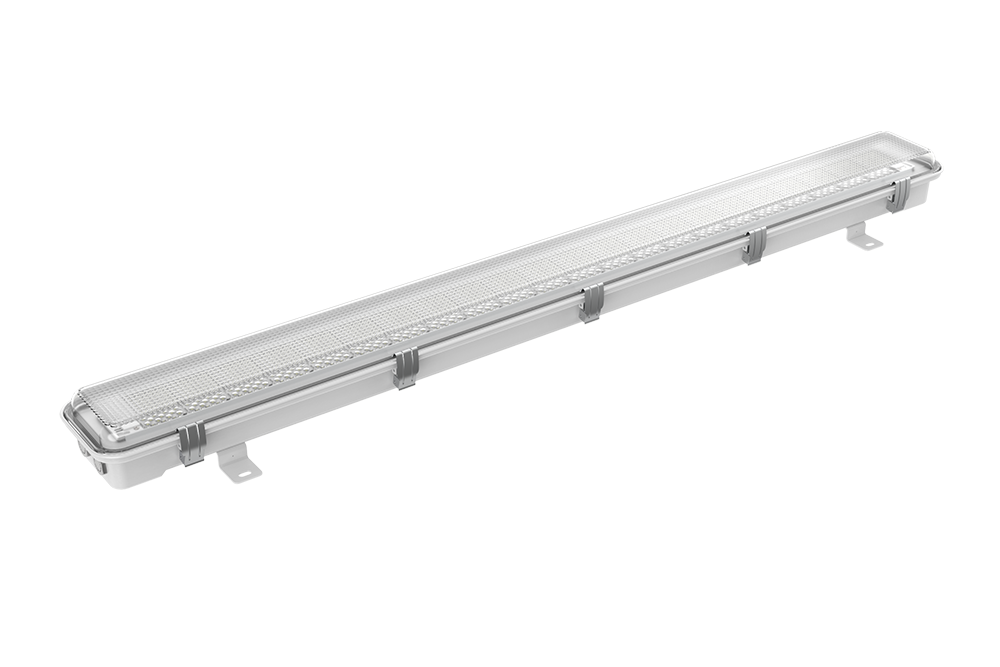
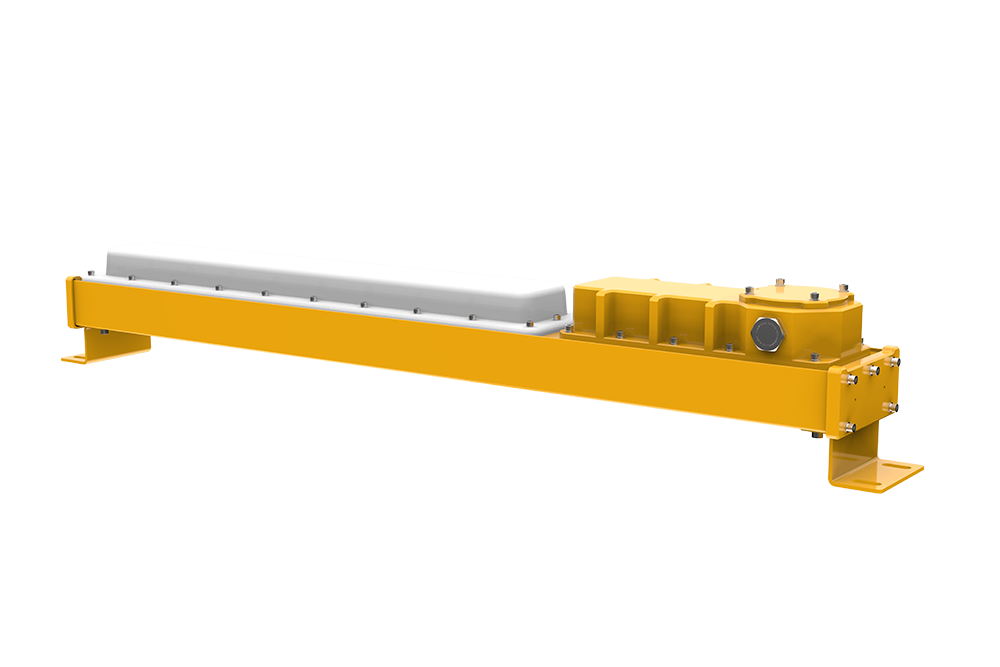
SEEKINGLED LED Linear Explosion Proof Light and Explosion Proof lighting is ATEX and IECEx certified for Zone 1, Zone 2, Zone 21 and Zone 22 hazardous locations, built for long-term industrial use.
LED Linear Explosion Proof Lights and EX Proof lights for Zone 1, Zone 2, Zone 21 and Zone 22 hazardous areas. ATEX & IECEx certified explosion proof LED linear lighting with emergency function, adjustable power and IP67 protection by SEEKINGLED.
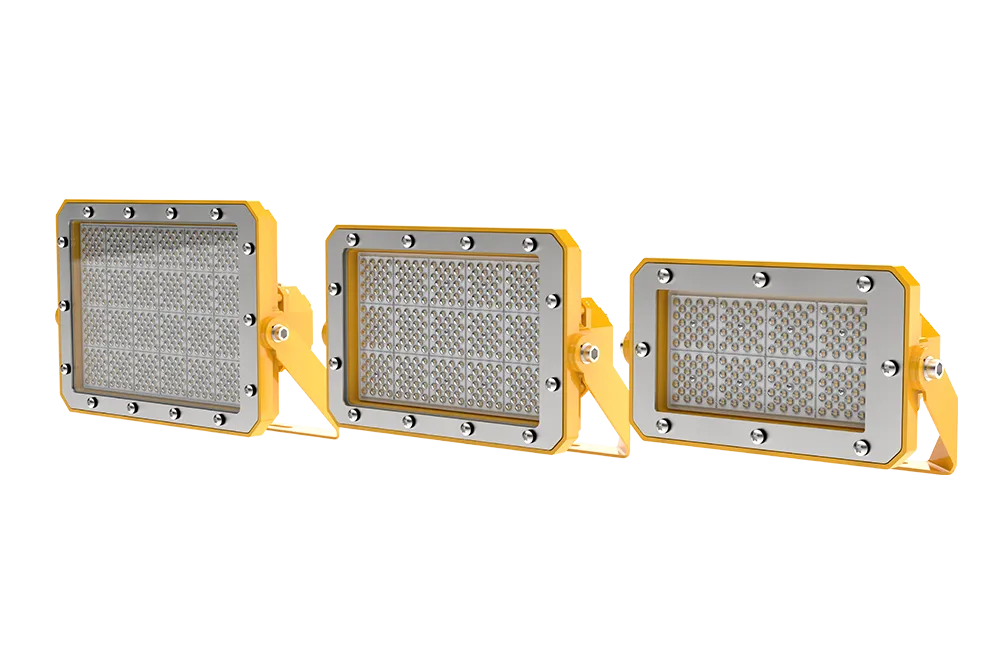
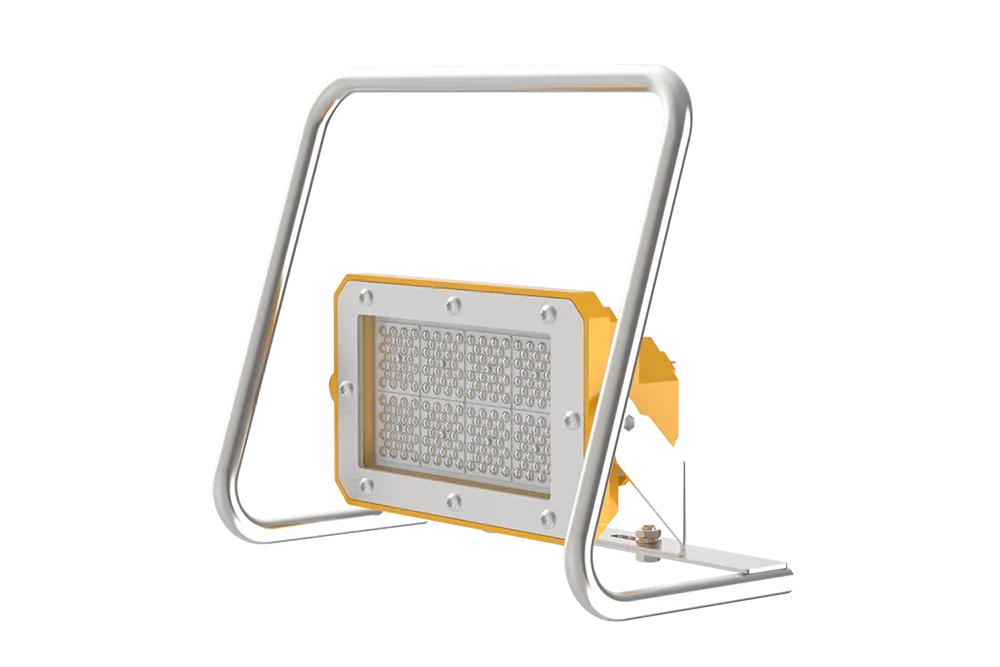
SEEKINGLED LED Explosion Proof Flood Lights are ATEX certified for Zone 2 and Zone 22 hazardous areas, offering high efficiency, adjustable power and integrated junction box.
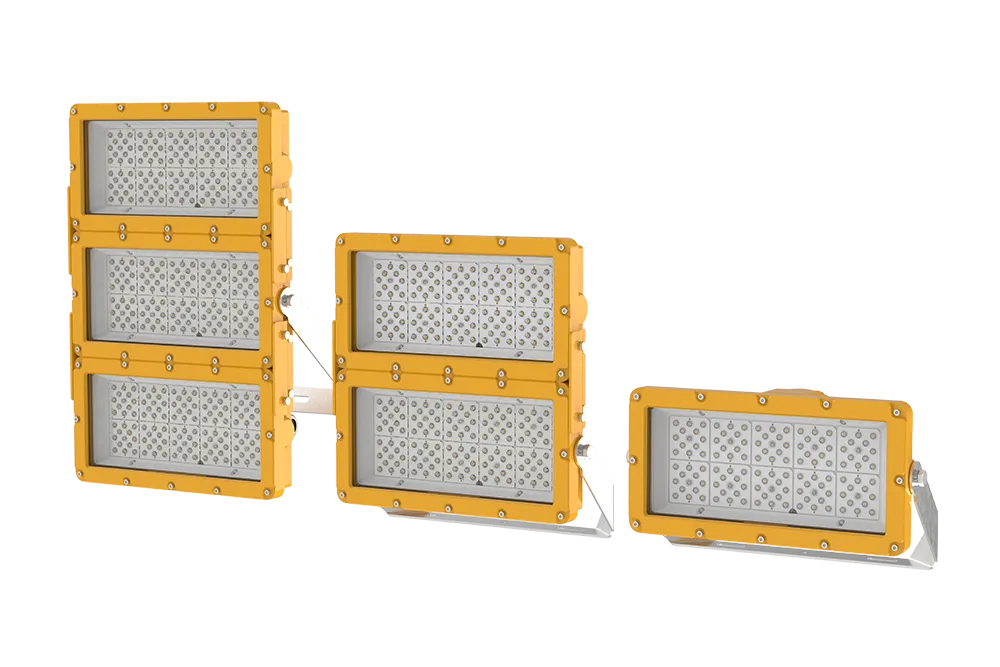
SEEKINGLED LED Explosion Proof Flood Lights are flameproof ATEX and IECEx certified for Zone 1 and Zone 2 hazardous areas, offering high power, adjustable output and long service life.
SEEKINGLED LED Gas Station Canopy Lights are ATEX certified for Zone 2 and Zone 22 hazardous areas, featuring adjustable power and built-in explosion-proof junction box.
ATEX: Ex II 2G Ex db IIB T6/T5 GbEx II 2D Ex tb IIIC T80°C/ T95°C Db IECEx Ex db IIB T6 Gb;Ex tb IIIC T80°C Db Feature: ● For Zone 1,2 and Zone 21,22● Flameproof type, the strongest● 100W can replace 250W HID,energy saving● Power:60W,80W,10…
ATEX: II 3G Ex nR ⅡC T5/T6 GcII 3D Ex tc ⅢC T80℃/T95℃Dc ATEX Certificate NO: TÜV CY 26 ATEX 0207611 X Feature: ● For Zone 2 and Zone 22● 150W can replace 250W HID lamps,Energy saving● Power:50W,75W,100W,150W,200W Application: Oil and gas, m…
LED explosion proof high bay lights are designed for Zone 1, Zone 2, Zone 21 and Zone 22 hazardous areas. This page introduces the HB21 Series from SEEKING, including certifications, power options and real application considerations.
LED Linear Explosion Proof Lights from SEEKINGLED. LU Series Flame Proof lights ATEX-certified explosion proof LED linear lighting for Zone 2 gas and Zone 22 dust areas, IP69K, IK10, long lifetime and flexible power options.
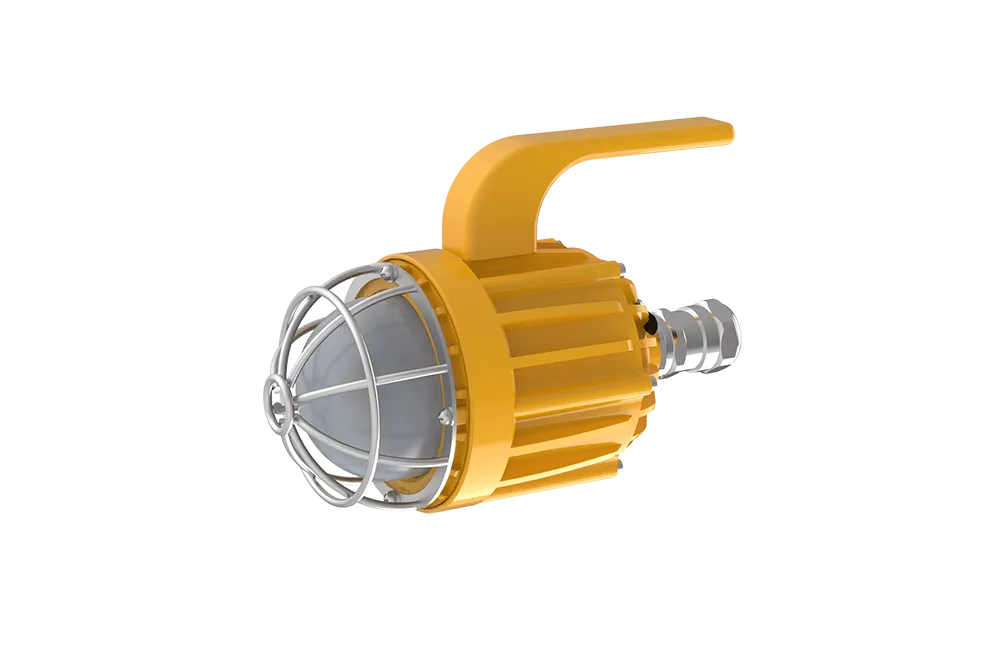
Certified explosion proof work lights for Zone 1 & 21 hazardous areas. Portable, ATEX & IECEx approved, built for oil, gas and chemical plants by SEEKINGLED.
ATEX: II 3G Ex nR ⅡC T6 GcII 3D Ex tc ⅢC T80℃ Dc ATEX Certificate NO: TÜV CY 26 ATEX 0207611 X Feature: ● For Zone 2 and Zone 22● Accepts battery-powered supply● indestructible● Power:AC input:50W,75W,100WDC input:15W,25W,35W Application: O…
ATEX: Ex II 2G Ex db IIB T6 GbEx II 2D Ex tb IIIC T80°C Db IECEx Ex db IIB T6 Gb;Ex tb IIIC T80°C Db Feature: ● For Zone 1,2 and Zone 21,22● Flameproof type, the strongest Application: Oil and gas, marine, Chemical, pharmaceutical, semicondu…
ATEX: Ex II 2G Ex db IIB T6 GbEx II 2D Ex tb IIIC T80°C Db IECEx Ex db IIB T6 Gb;Ex tb IIIC T80°C Db Feature: ● For Zone 1,2 and Zone 21,22● Flameproof type, the strongest Application: Oil and gas, marine, Chemical, pharmaceutical, semicondu…
ATEX: Ex II 2G Ex d e IIB T6 Gb ATEX: Ex d e IIB T6 Gb; Feature: ● For Zone 1,2● 9W can replace 18W fluorescent lamps,50% Energy saving Application: Oil and gas, marine, Chemical, pharmaceutical, semiconductor,mining,military industry, pain…
loading…
This is the last post!
Why do LED flood lights flicker outdoors? Learn the real reasons—drivers, wiring, voltage, and moisture—and how to stop flickering for good.
View details
Discover reliable atex flood lights for hazardous environments. Learn ATEX certification, industrial applications, LED advantages, and selection guidance from SEEKINGLED.
View details
Nighttime Illumination at an Australian Container Terminal using XJ-FLE200W LED lights. This project record documents fixture choice, on-site conditions, and operational considerations.
View details
Can LED lights be used in an explosion proof area? Learn when LED lighting is safe, certified, and compliant for hazardous locations. By SEEKINGLED.
View details