 Seeking LED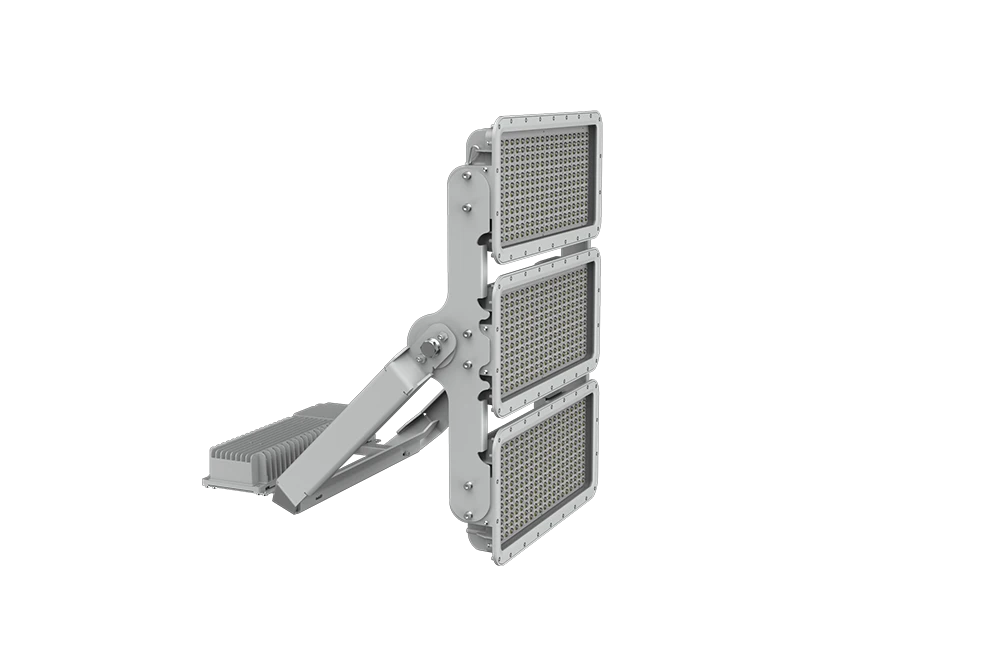
What Height Should High Bay LED Lights Be?
293What height should high bay LED lights be for warehouses, factories, and gyms? This Q&A explains mounting height ranges and real installation considerations.
View detailsSearch the whole station
People working on outdoor lighting projects often ask the same thing: what is the difference between spot and flood led lights?
At first glance they can look almost identical. Same housing style. Same mounting bracket. Sometimes even the same wattage.
But once the lights turn on… the difference becomes obvious.
One produces a tight, focused beam. The other spreads light across a much wider area. That single design change completely alters how the light behaves in real spaces.
Understanding that difference is actually the key to choosing the right lighting setup.
The simplest way to explain what is the difference between spot and flood led lights is beam angle.
Beam angle describes how wide the light spreads after leaving the fixture.
Typical ranges look like this:
Spot lights
Flood lights
A spotlight concentrates light into a narrow beam. Think of it almost like a flashlight — intense illumination aimed at a specific target.
Flood lights behave differently. They spread light across a broad area, covering walls, driveways, or open spaces.
So the difference isn’t really about power. It’s about how the light is distributed.
Spot lights are designed for precision.
They are commonly used when the goal is to highlight or emphasize something specific.
For example:
Imagine lighting a tall tree in a garden. A flood light would spill light everywhere — lawn, fence, walkway.
A spotlight, however, sends a focused beam directly onto the trunk and branches. The rest of the yard stays darker. The effect is dramatic.
Lighting designers use spot beams when they want attention to go to a single object.
It’s deliberate lighting.
Flood lights serve a completely different purpose.
Instead of highlighting a single object, they illuminate large areas evenly.
Typical applications include:
In these environments, you don’t want narrow beams. That would create bright spots and deep shadows.
Flood lighting spreads the light outward so the entire space becomes visible.
Many outdoor lighting systems from SEEKINGLED are designed around this principle — wide, balanced illumination that improves safety and visibility across large areas.
Let’s look at a simple outdoor setup.
A homeowner installs two lights above the garage.
If they choose spot lights, each beam might only cover a narrow strip of the driveway. Bright center… dark edges.
Not ideal.
But if they use 50W flood LED lights with a 120° beam angle, the entire driveway and part of the yard become evenly illuminated.
The difference is immediate.
And honestly, this is why flood lights are far more common for security lighting.
One common misconception when discussing what is the difference between spot and flood led lights is brightness.
People often assume spot lights are brighter.
That isn’t always true.
Both lights might produce the same total lumen output. The difference is simply how concentrated the light becomes.
A spotlight appears brighter in the center because all the lumens are focused into a smaller area.
A led flood light spreads those same lumens across a larger surface.
So the light feels softer — but covers far more space.
Interestingly, professional lighting designs often combine both types.
Spot lights handle accent lighting.
Flood lights handle general illumination.
For example, around a commercial building you might see:
The two work together.
Lighting designers rarely rely on only one type.
Regardless of beam style, outdoor fixtures must handle weather.
Good LED lights usually include:
Companies like SEEKINGLED focus heavily on these design factors because outdoor lights run for thousands of hours every year.
Heat management, corrosion resistance, and stable drivers matter more than many buyers realize.
When those elements are built correctly, the lights simply keep working.
Night after night.
If we simplify the answer:
Spot LED lights
Neither one is “better.”
They simply serve different roles.
So when someone asks what is the difference between spot and flood led lights, the real answer comes down to beam shape and lighting purpose.
Spot lights focus attention.
Flood lights illuminate space.
Most outdoor environments rely heavily on flood lighting for safety and visibility, while spot lights add visual emphasis where needed.
Manufacturers like SEEKINGLED design both types with the same goal in mind: efficient LED performance, durable construction, and lighting that works reliably in real outdoor conditions.
Once you understand how beam angles affect illumination, choosing the right fixture becomes much easier.
And when the right light is installed in the right place… the result just looks natural.
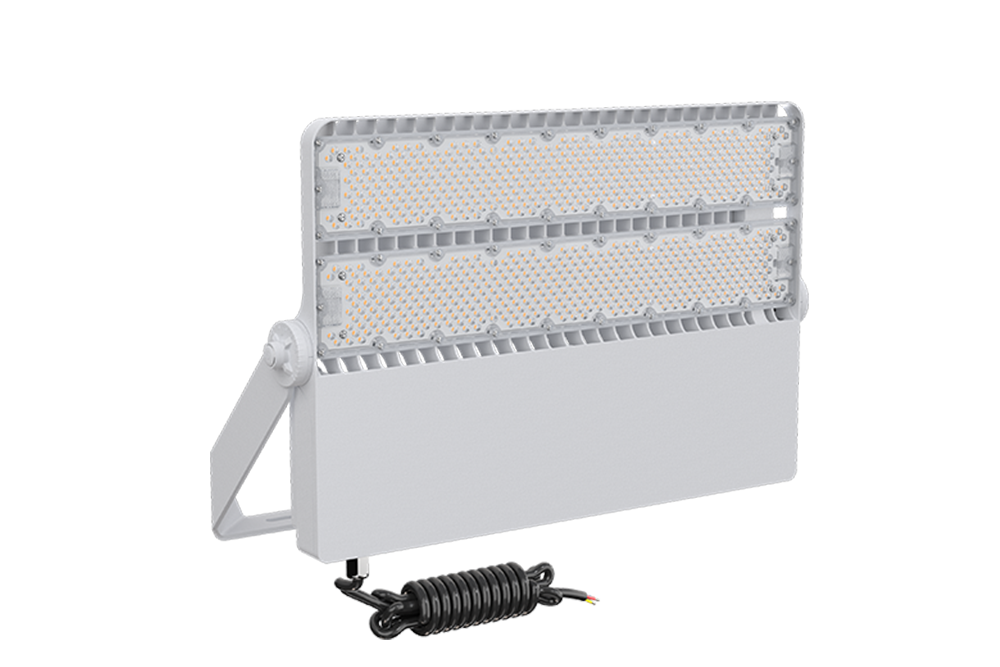
Sports Stadium LED Lighting by SEEKINGLED delivers high mast illumination, precise beam control, and EN 12193 compliant performance for professional venues.
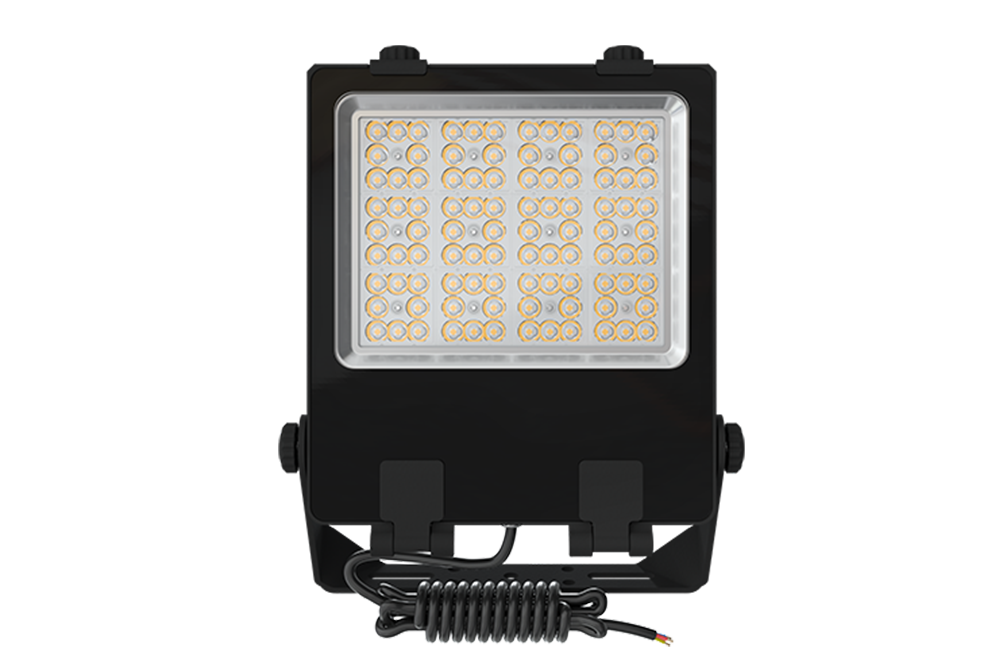
SEEKING FLX Series LED flood light outdoor for sports courts and open-area projects with 170lm/W efficiency, IP66 protection and multiple beam distributions. Designed for long-life commercial and public outdoor use.
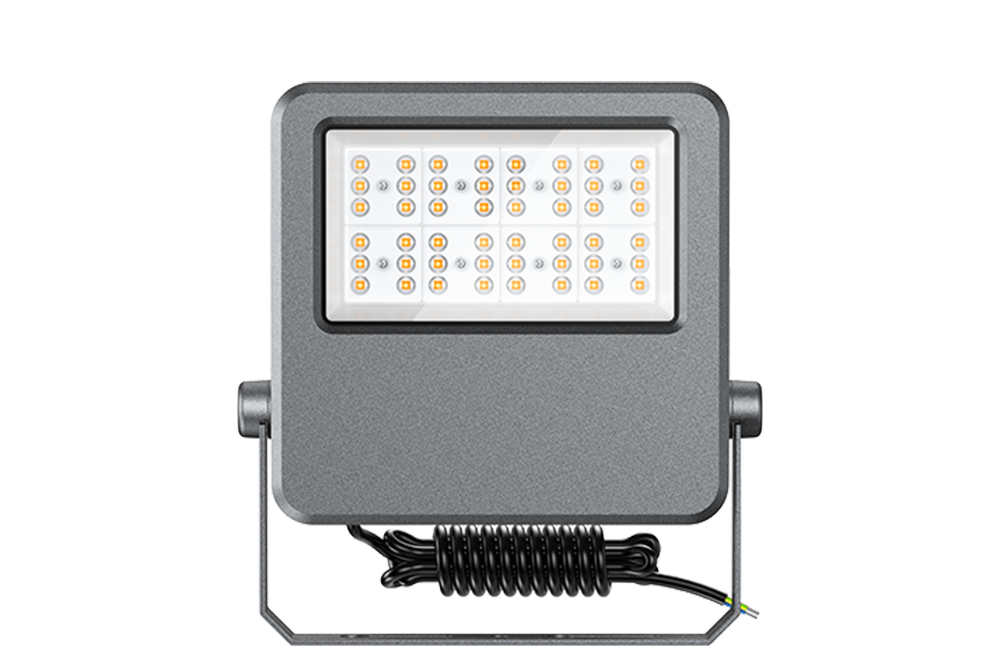
SEEKING FLE Series LED outdoor flood lights for sports grounds and open areas with multiple beam angles, IP66 protection and up to 170lm/W. Designed for long-life outdoor installations with professional driver options.
SEEKING FLD Series outdoor LED flood lights and high power led flood light deliver up to 960W with precision beam angles for sports fields, stadiums and large outdoor areas. IK08 & IP66 protection, 170lm/W efficiency and 100,000h lifetime.
loading…
This is the last post!
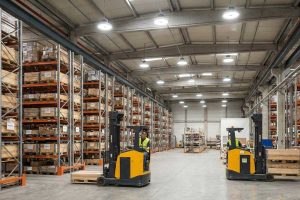
What height should high bay LED lights be for warehouses, factories, and gyms? This Q&A explains mounting height ranges and real installation considerations.
View details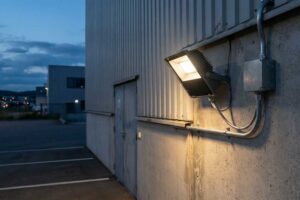
Wire flood lights by isolating the breaker, verifying L/N/E conductors, securing connections in a junction box, and protecting outdoor connections from moist...
View details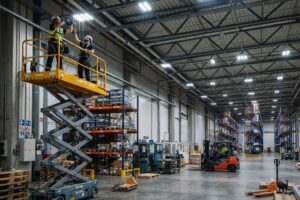
Learn how to install high bay lights correctly with expert steps, mounting tips, spacing guidance, and professional LED lighting recommendations.
View details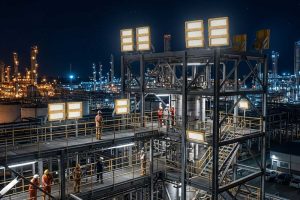
LED explosion-proof lighting for hazardous industries. Certified, energy-efficient, and durable solutions by SEEKINGLED for oil, gas, and chemical sites.
View details