 Seeking LED
How to Change High Bay Lights to LED Bulbs?
287How to change high bay lights to LED bulbs involves more than swapping lamps. Learn the practical steps, limits, and safer retrofit options.
View detailsSearch the whole station
The conversation around atex led flood light brands usually begins with a simple question:
“Which manufacturer should we trust for hazardous locations?”
But that question rarely comes from a purchasing office. More often it comes from engineers standing on an actual site—somewhere between pipe racks, fuel storage tanks, and the dull metallic sound of pumps running in the background.
I remember walking through a refinery maintenance corridor several winters ago. Floodlights mounted on the steel frame were still running metal-halide lamps. The light was bright, almost harsh. But the maintenance engineer pointed at the fixture housing and said something that stuck with me:
“Brightness isn’t the problem. Reliability is.”
That moment captures why the market for atex led flood light brands has changed so dramatically in recent years.
In hazardous industrial environments, lighting equipment cannot simply be chosen based on power or brightness.
It must comply with the ATEX Directive 2014/34/EU, a European regulation governing equipment intended for explosive atmospheres. The directive defines safety requirements and certification procedures for electrical equipment used in environments containing flammable gases, vapors, or combustible dust.Data source: “Equipment for potentially explosive atmospheres (ATEX)“
Such environments exist in many industries:
These locations may contain mixtures of air and flammable substances capable of igniting from sparks, hot surfaces, or electrical arcs.Data source: “Explosive atmospheres (ATEX)”
That is why lighting used in these zones must be specifically designed to eliminate ignition risks.
Traditional explosion-proof lighting often relied on high-pressure sodium or fluorescent technologies.
Those systems worked, but they required frequent maintenance. Replacing lamps in hazardous zones is never a quick task. Permits are issued. Equipment is shut down. Sometimes the work must wait until production stops entirely.
LED technology changed the equation.
Modern ATEX-certified floodlights deliver stable illumination, longer service life, and far lower energy consumption. Facilities operating around the clock—refineries or marine terminals—quickly notice the difference.
More importantly, LED systems allow better optical control. Light can be directed precisely where it’s needed rather than scattered across the entire installation.
For large industrial yards, that level of control matters more than raw lumen output.
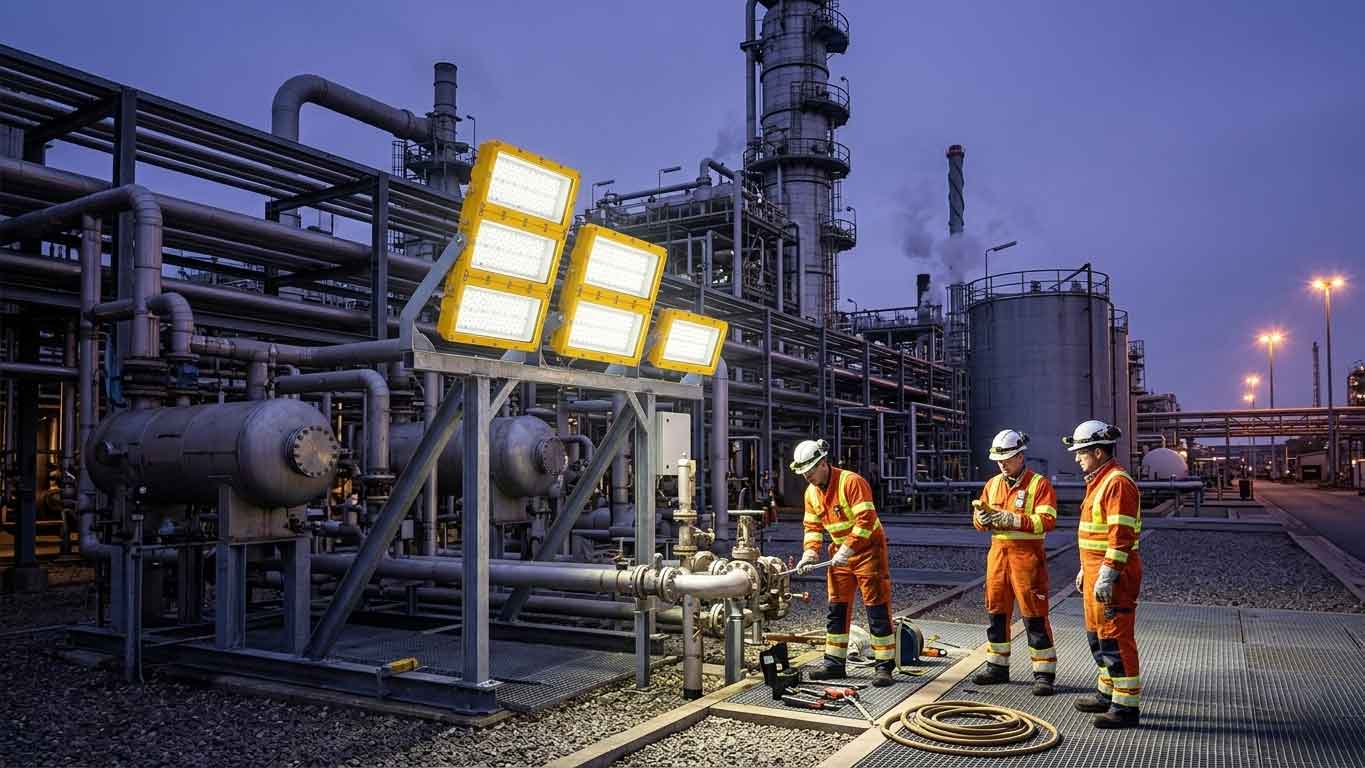
A common misconception in hazardous-area projects is that higher lumen output automatically means better performance. In practice, engineers evaluating an ATEX flood light or ATEX floodlight often focus on visibility quality rather than maximum brightness.
During a site assessment at a bulk fuel storage facility, I noticed two neighboring loading bays using different fixtures. One installation used older high-output lamps, while the other had recently upgraded to ATEX LED lighting. Surprisingly, the newer system appeared clearer even though the published lumen rating was lower.
The reason was optical efficiency.
Modern ATEX flood lights can direct light onto work surfaces, stairways, valve stations, and access routes with far less spill. For operators working night shifts, reduced glare often improves safety more than additional lumens.
This is one reason many industrial operators are replacing legacy systems with ATEX approved LED lighting and high-performance ATEX rated lights designed specifically for hazardous zones.
When engineers evaluate atex led flood light brands, the decision rarely focuses on marketing claims.
Instead, they look at three things:
Certification documentation.
Thermal design.
Driver stability.
Certification ensures the product complies with the required zone classification—Zone 1, Zone 2, Zone 21, or Zone 22 depending on the environment.
Thermal design becomes critical because explosion-proof housings are sealed by necessity. Without efficient heat dissipation, internal temperatures rise and electronic components fail prematurely.
Driver stability matters for another reason: voltage fluctuations are common in large industrial facilities.
A well-designed driver prevents flicker and protects the LED module from power instability.
These small technical details often separate reliable atex led flood light brands from ordinary industrial lighting manufacturers.
Not all hazardous area lighting manufacturers approach product development the same way.
Some companies focus primarily on certification compliance. Others invest heavily in thermal engineering, corrosion resistance, and long-term driver reliability.
When reviewing proposals from different ATEX lighting manufacturers, maintenance teams often ask practical questions that never appear in marketing brochures:
An ATEX floodlight manufacturer may provide excellent specifications on paper, but replacement parts, driver availability, and technical support become important after several years of operation.
In coastal terminals, offshore platforms, and chemical processing plants, equipment faces far more than explosive atmospheres. Salt spray, vibration, thermal cycling, and humidity continuously stress lighting systems.
That is why experienced buyers frequently compare ATEX rated lighting solutions alongside products from established explosion proof lighting manufacturers and explosion-proof lighting manufacturers before making a final selection.
The lowest purchase price rarely determines the lowest lifetime cost.
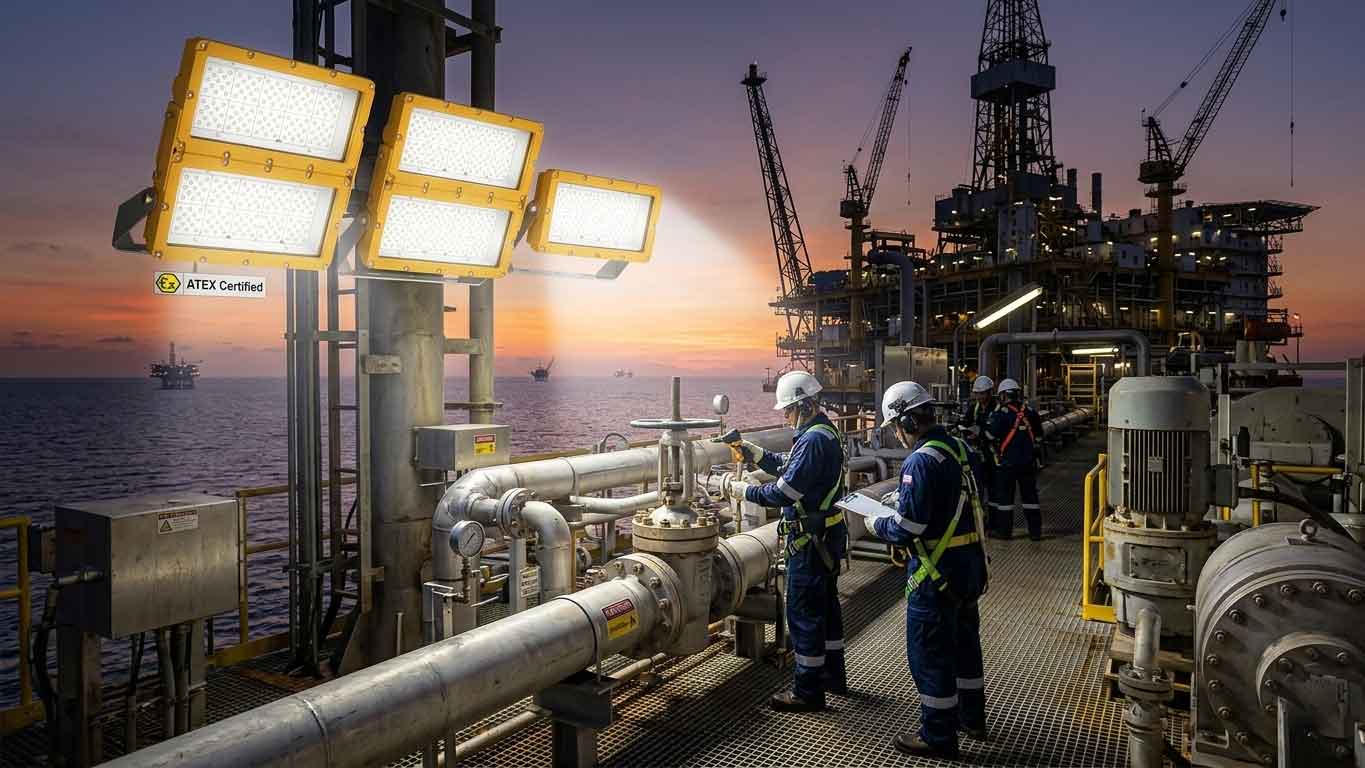
At SEEKINGLED, floodlight design for hazardous locations always begins with the installation environment rather than the fixture itself.
A refinery loading terminal requires wide optical coverage to illuminate tanker operations. A pipeline corridor requires narrow beam angles to guide maintenance personnel along structural walkways.
The lighting solution changes with the environment.
Our engineering team typically reviews:
Because hazardous locations rarely follow simple layouts.
As an ATEX flood lighting supplier, SEEKINGLED often encounters projects where fixture selection was initially based only on wattage.
That approach can create unexpected problems.
For example, a tank farm may require a wide-beam ATEX explosion proof lighting solution to minimize shadows between storage vessels, while a conveyor corridor may benefit from a narrower explosion proof flood light distribution pattern.
The difference seems small on a specification sheet. On site, however, it can completely change visibility conditions for operators and maintenance crews.
Our engineering reviews frequently include fixture positioning, photometric calculations, environmental exposure, and expected operating cycles before recommending a specific ATEX lighting solution.
In marine environments, salt corrosion becomes a design factor. In chemical plants, vibration and temperature swings are equally important.
Reliable lighting in those environments is never accidental.
Over the last decade, demand for reliable ATEX LED flood light brands has expanded well beyond traditional oil and gas applications.
Food processing facilities handling combustible dust, pharmaceutical plants, biofuel production sites, and logistics terminals are increasingly adopting certified ATEX lights and ATEX approved lighting systems.
In Northern Europe, the search term ATEX belysning—the Scandinavian term commonly associated with ATEX-certified lighting solutions—has become increasingly visible in industrial procurement discussions. The trend reflects a broader shift toward energy-efficient hazardous-area illumination.
As facilities modernize infrastructure, decision-makers are paying closer attention to lifecycle cost, maintenance requirements, and energy consumption rather than focusing solely on initial fixture pricing.
This shift continues to strengthen demand for advanced ATEX LED flood light, ATEX floodlights, and next-generation LED ATEX lightin solutions designed for continuous operation in demanding environments.
When evaluating different ATEX flood light brands or comparing multiple ATEX LED floodlight brands, engineers usually arrive at the same conclusion:
Certification is only the starting point.
A fixture may satisfy regulatory requirements, but long-term performance depends on housing design, thermal management, optical engineering, sealing technology, and driver quality.
This is especially true for facilities operating 24 hours a day, where lighting becomes part of critical infrastructure rather than a simple utility.
For those environments, properly engineered explosion proof industrial lighting often delivers measurable operational benefits through reduced maintenance interventions, improved visibility, and lower energy consumption over the service life of the installation.
As a result, many operators evaluating ATEX LED flood light brands now prioritize reliability data and field performance history alongside certification documentation when selecting a lighting partner.
When engineers talk about atex led flood light brands, they are not simply comparing product catalogs.
They are choosing equipment that will operate in environments where safety margins are extremely small.
In a refinery at night, floodlights quietly illuminate valves, platforms, and pipe racks. Nobody notices them when they work correctly. And that’s exactly how it should be.
At SEEKINGLED, our approach to atex led flood light brands focuses on durability, certified safety, and lighting performance that continues year after year in hazardous industrial environments.
Related products
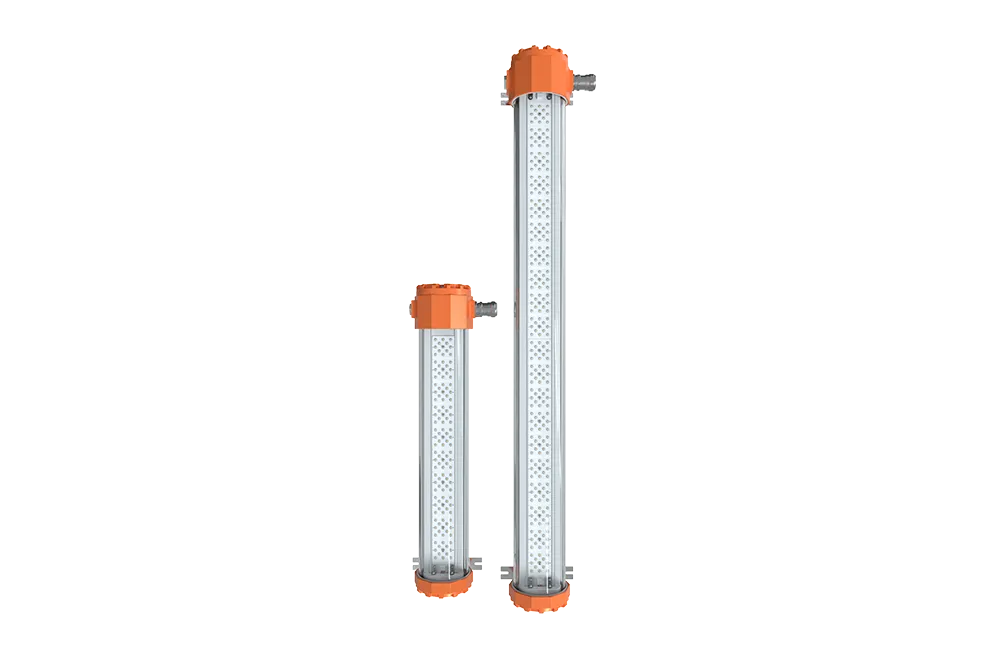
SEEKINGLED LED Linear Explosion Proof Light and Explosion Proof lighting is ATEX and IECEx certified for Zone 1, Zone 2, Zone 21 and Zone 22 hazardous locations, built for long-term industrial use.
View details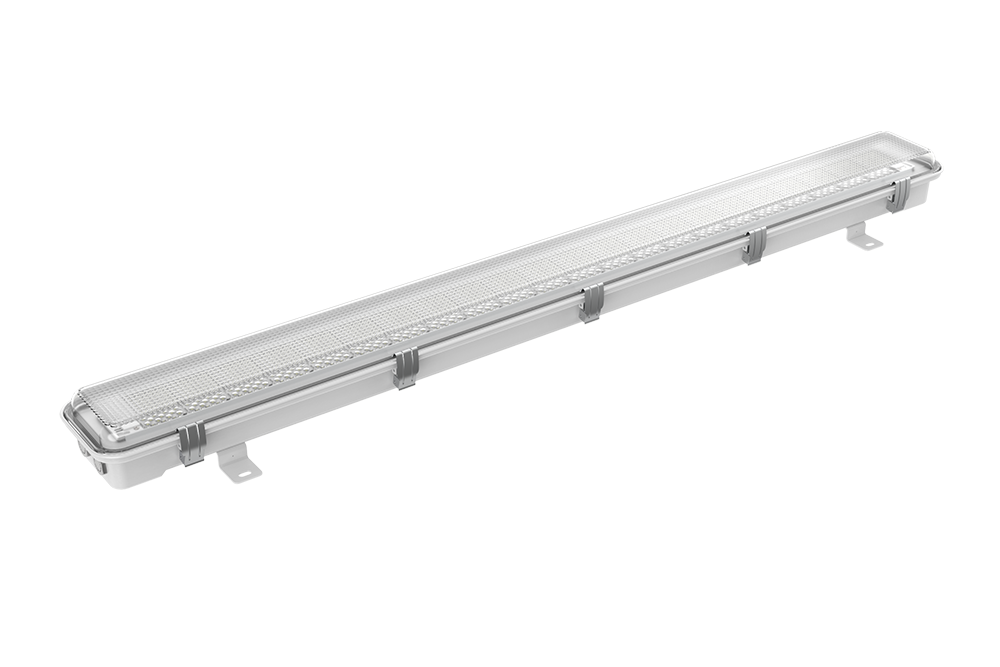
LED Linear Explosion Proof Lights and EX Proof lights for Zone 1, Zone 2, Zone 21 and Zone 22 hazardous areas. ATEX & IECEx certified explosion proof LED linear lighting with emergency function, adjustable power and IP67 protection by SEEKINGLED.
View details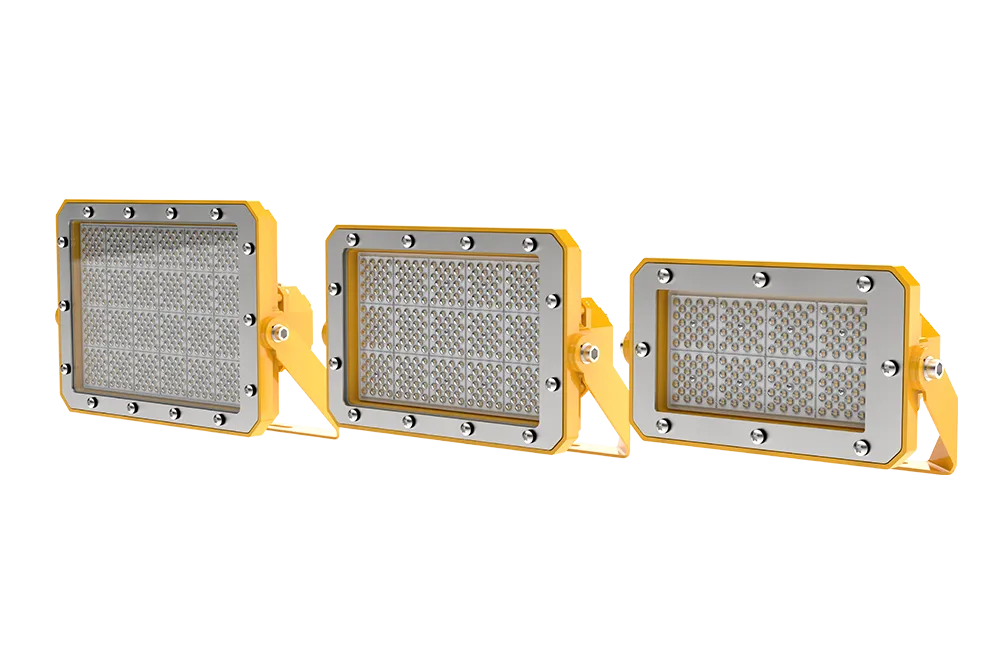
SEEKINGLED LED Explosion Proof Flood Lights are ATEX certified for Zone 2 and Zone 22 hazardous areas, offering high efficiency, adjustable power and integrated junction box.
View details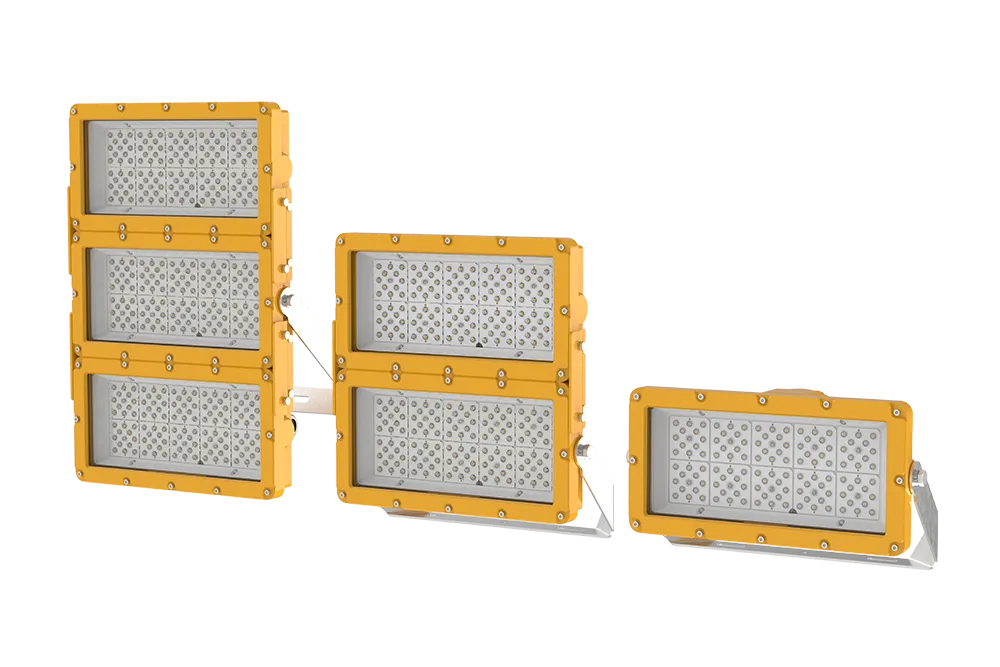
SEEKINGLED LED Explosion Proof Flood Lights are flameproof ATEX and IECEx certified for Zone 1 and Zone 2 hazardous areas, offering high power, adjustable output and long service life.
View details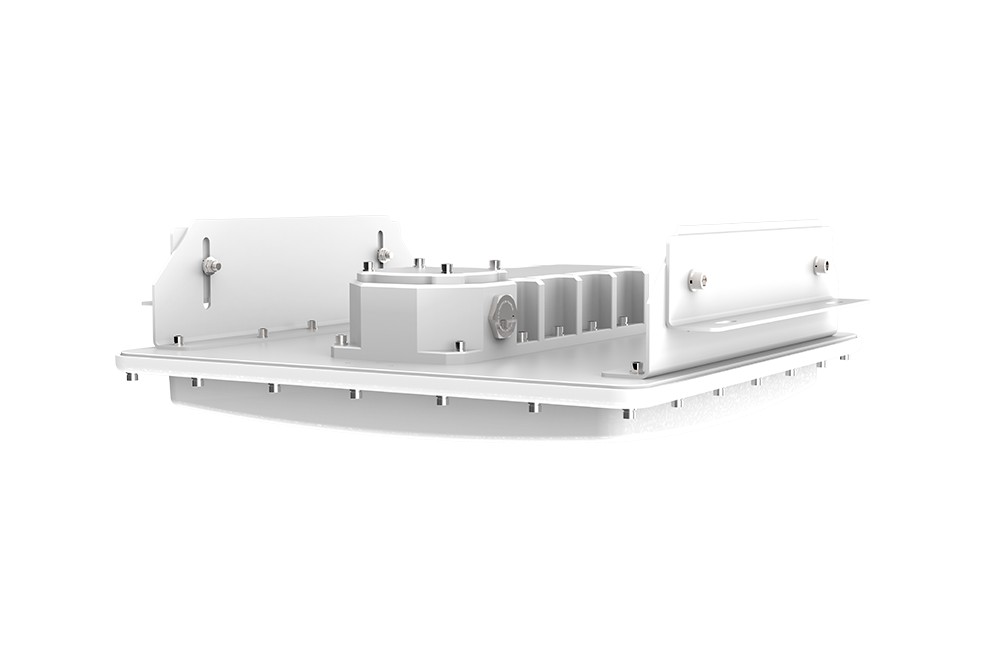
SEEKINGLED LED Gas Station Canopy Lights are ATEX certified for Zone 2 and Zone 22 hazardous areas, featuring adjustable power and built-in explosion-proof junction box.
View details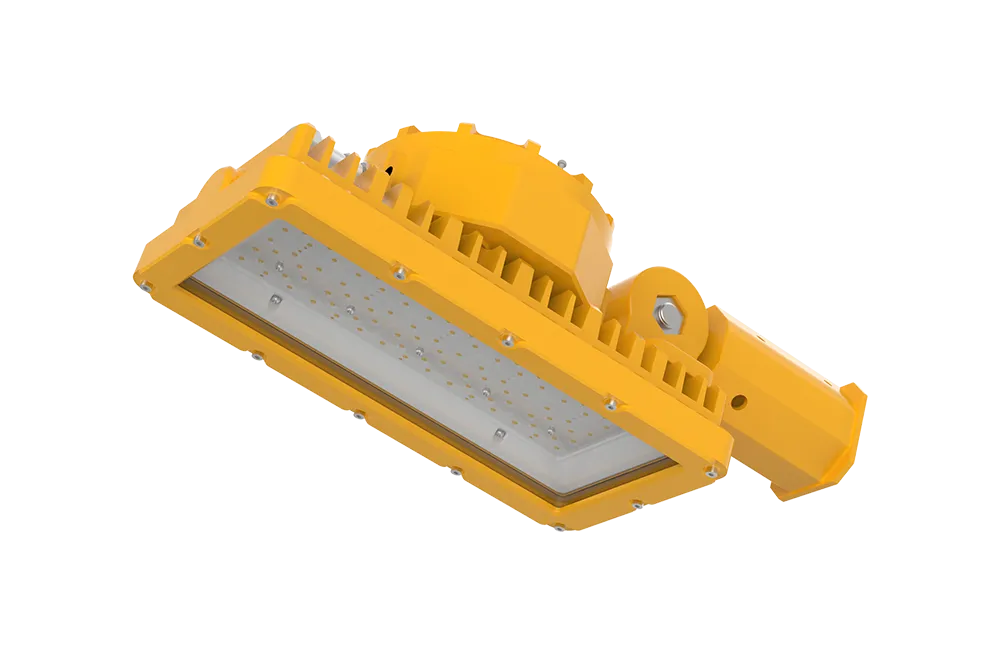
ATEX: Ex II 2G Ex db IIB T6/T5 GbEx II 2D Ex tb IIIC T80°C/ T95°C Db IECEx Ex db IIB T6 Gb;Ex tb IIIC T80°C Db Feature: ● For Zone 1,2 and Zone 21,22● Flameproof type, the strongest● 100W can replace 250W HID,energy saving● Power:60W,80W,100W Application: Oil and gas, marine, Chemical, pharmaceutical, semiconductor,mining,military industr…
View details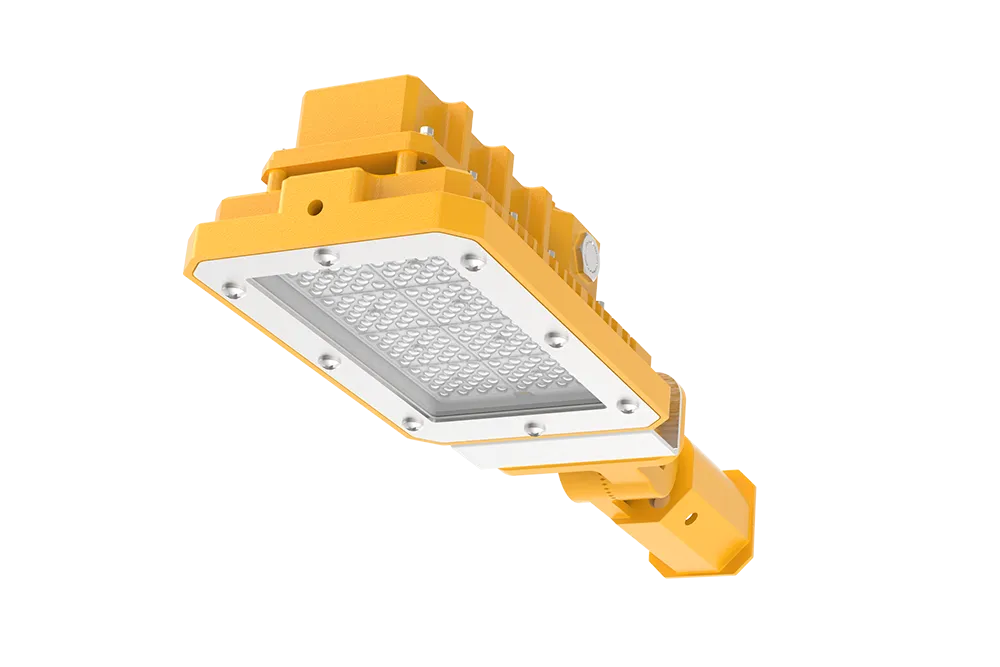
ATEX: II 3G Ex nR ⅡC T5/T6 GcII 3D Ex tc ⅢC T80℃/T95℃Dc ATEX Certificate NO: TÜV CY 26 ATEX 0207611 X Feature: ● For Zone 2 and Zone 22● 150W can replace 250W HID lamps,Energy saving● Power:50W,75W,100W,150W,200W Application: Oil and gas, marine, Chemical, pharmaceutical, semiconductor,mining,military industry, paint booth,power plant ETC…
View details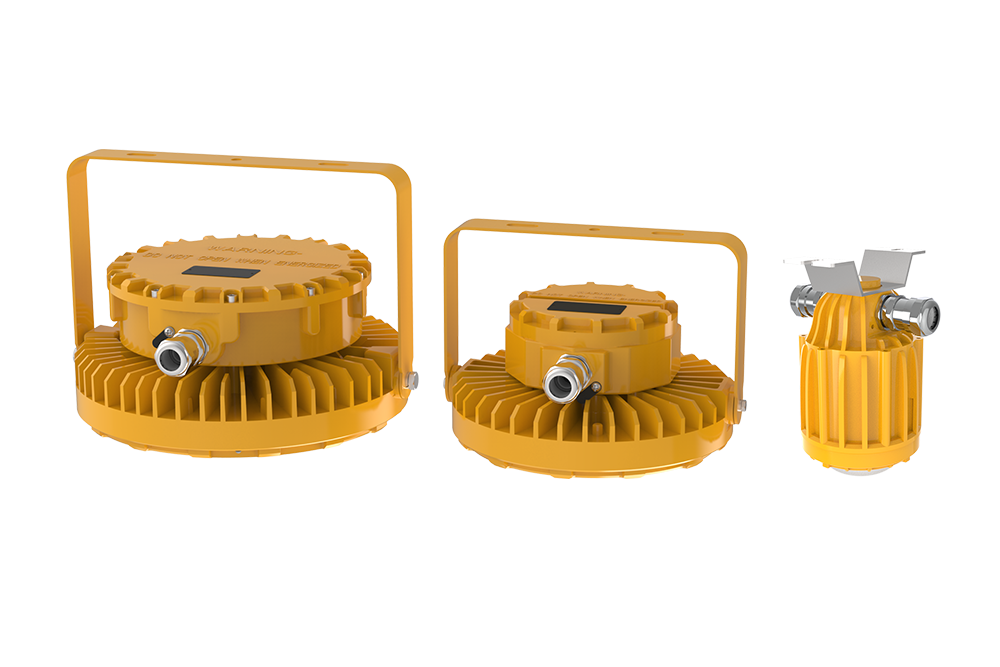
LED explosion proof high bay lights are designed for Zone 1, Zone 2, Zone 21 and Zone 22 hazardous areas. This page introduces the HB21 Series from SEEKING, including certifications, power options and real application considerations.
View details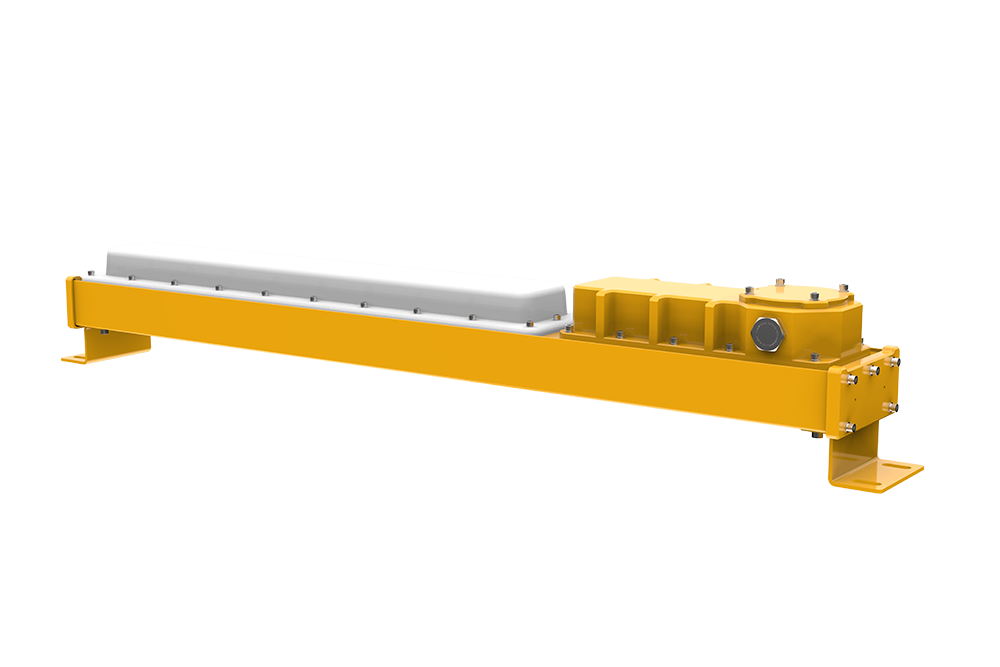
LED Linear Explosion Proof Lights from SEEKINGLED. LU Series Flame Proof lights ATEX-certified explosion proof LED linear lighting for Zone 2 gas and Zone 22 dust areas, IP69K, IK10, long lifetime and flexible power options.
View details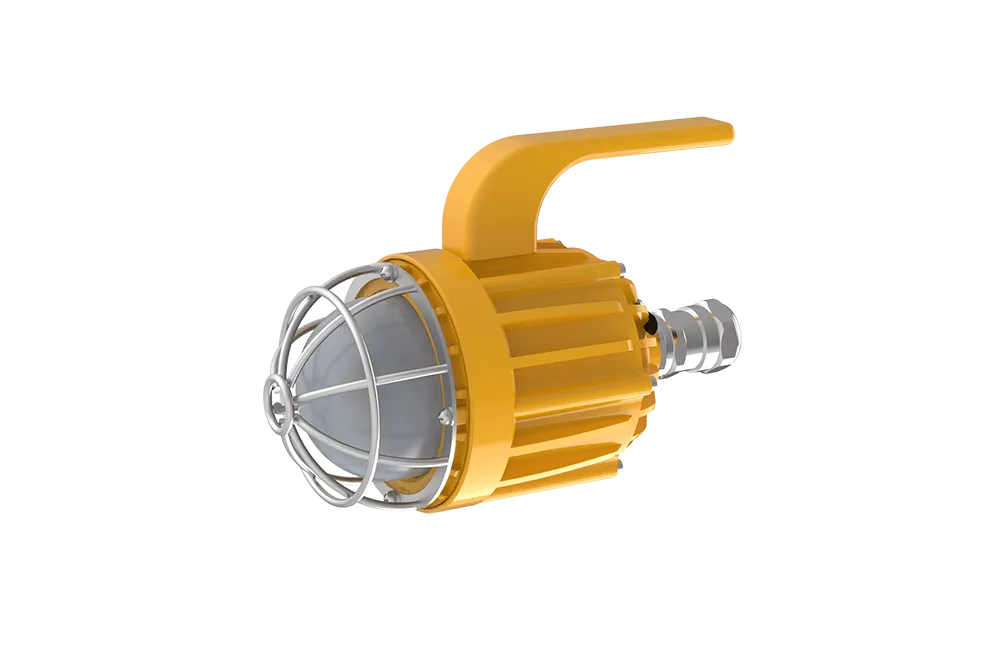
Certified explosion proof work lights for Zone 1 & 21 hazardous areas. Portable, ATEX & IECEx approved, built for oil, gas and chemical plants by SEEKINGLED.
View details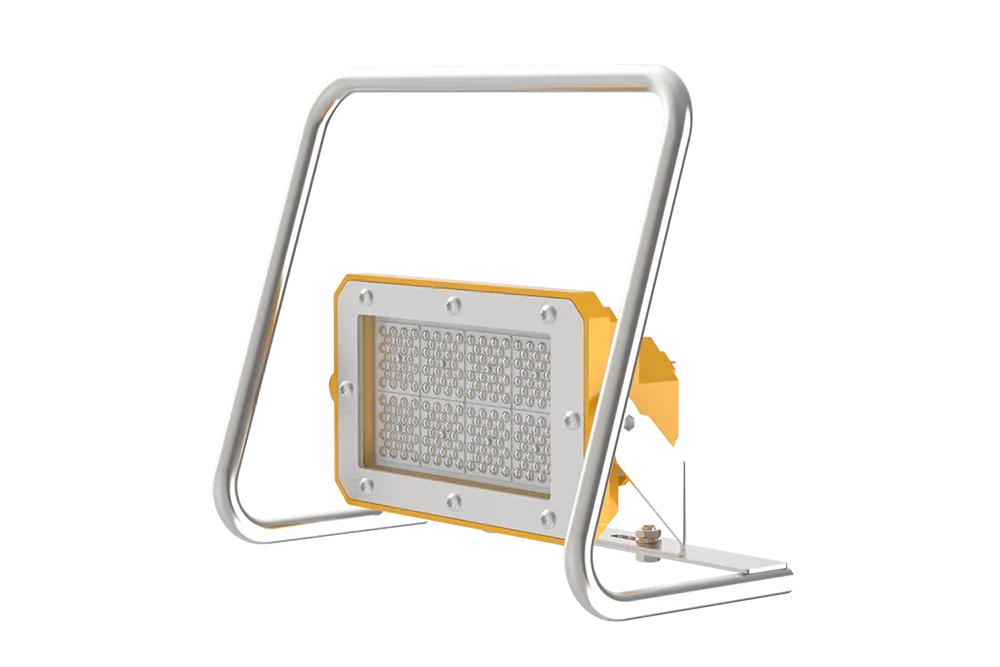
ATEX: II 3G Ex nR ⅡC T6 GcII 3D Ex tc ⅢC T80℃ Dc ATEX Certificate NO: TÜV CY 26 ATEX 0207611 X Feature: ● For Zone 2 and Zone 22● Accepts battery-powered supply● indestructible● Power:AC input:50W,75W,100WDC input:15W,25W,35W Application: Oil and gas, marine, Chemical, pharmaceutical, semiconductor,mining,military industry, paint booth,po…
View details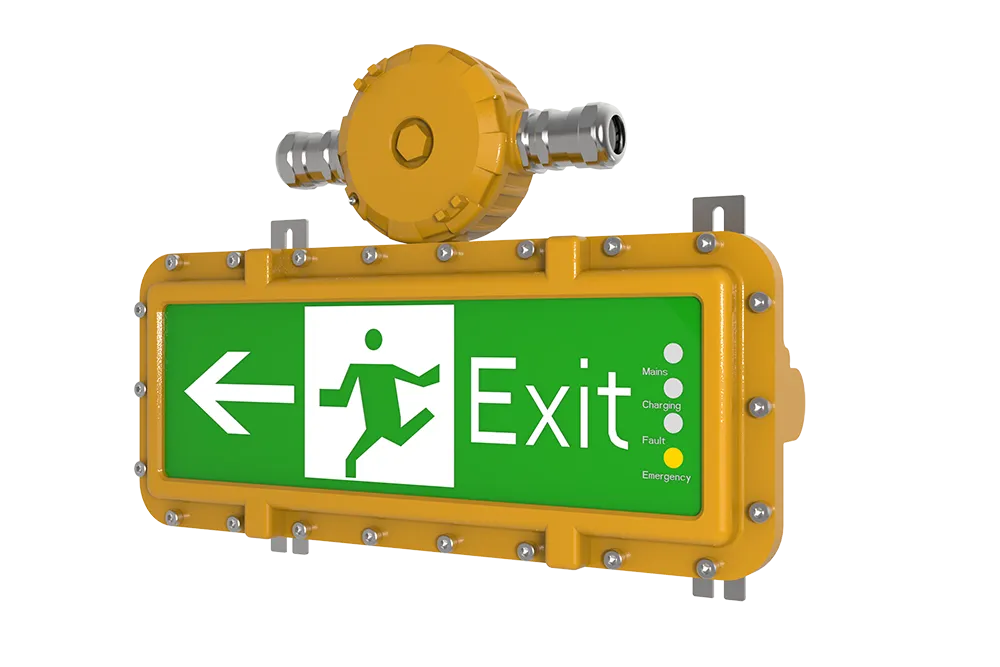
ATEX: Ex II 2G Ex db IIB T6 GbEx II 2D Ex tb IIIC T80°C Db IECEx Ex db IIB T6 Gb;Ex tb IIIC T80°C Db Feature: ● For Zone 1,2 and Zone 21,22● Flameproof type, the strongest Application: Oil and gas, marine, Chemical, pharmaceutical, semiconductor,mining,military industry, paint booth,power plant ETC hazardous area. Technical Specifications:…
View details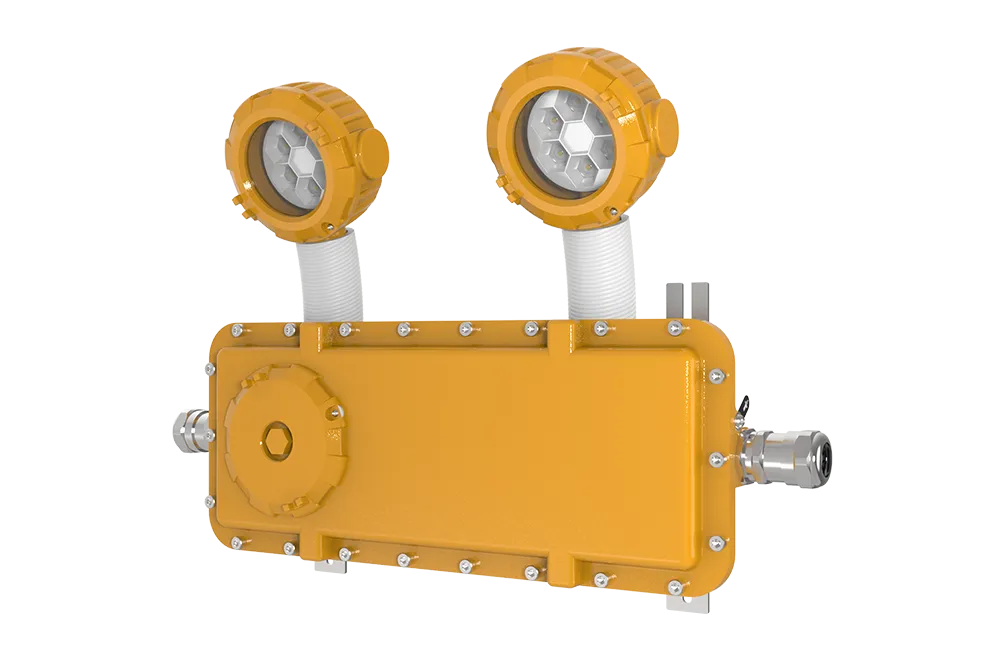
ATEX: Ex II 2G Ex db IIB T6 GbEx II 2D Ex tb IIIC T80°C Db IECEx Ex db IIB T6 Gb;Ex tb IIIC T80°C Db Feature: ● For Zone 1,2 and Zone 21,22● Flameproof type, the strongest Application: Oil and gas, marine, Chemical, pharmaceutical, semiconductor,mining,military industry, paint booth,power plant ETC hazardous area. Technical Specifications:…
View details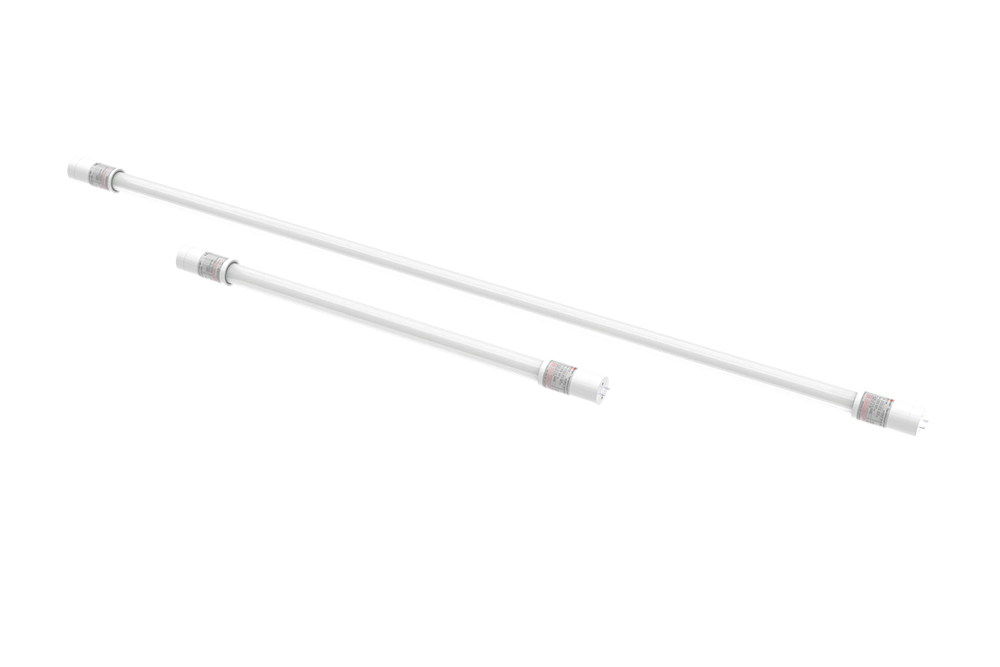
ATEX: Ex II 2G Ex d e IIB T6 Gb ATEX: Ex d e IIB T6 Gb; Feature: ● For Zone 1,2● 9W can replace 18W fluorescent lamps,50% Energy saving Application: Oil and gas, marine, Chemical, pharmaceutical, semiconductor,mining,military industry, paint booth,power plant ETC hazardous area. Technical Specifications: Standards:60079-0, 60079-1, 60079…
View details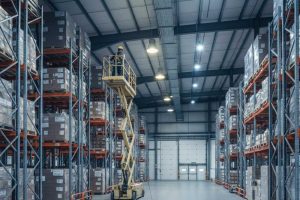
How to change high bay lights to LED bulbs involves more than swapping lamps. Learn the practical steps, limits, and safer retrofit options.
View details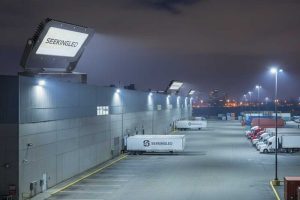
Do LED flood lights use a lot of electricity compared with traditional lighting? This FAQ explains real power usage, efficiency, and cost savings of LED flood lights in outdoor applications, based on practical experience from SEEKINGLED projects.
View details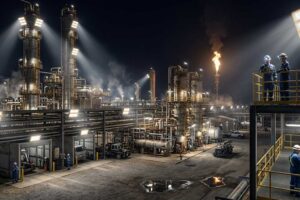
Hazardous LED lighting fixtures provide certified protection, lower maintenance costs, and reliable illumination for oil, gas, chemical, and hazardous industrial environments.
View details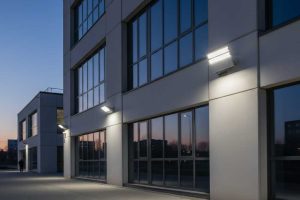
Flood light dimensions explained for outdoor and commercial LED lighting. Choose the right size, fit, and performance with SEEKINGLED solutions.
View details