 Seeking LED
how to install ring flood lights?
0Install Ring flood lights by isolating power, checking the junction box, connecting the wiring correctly, securing the fixture, sealing it, and completing Ri...
View detailsSearch the whole station
Direct answer:
How does explosion proof lighting work? It works by enclosing electrical components within a sealed, reinforced housing that contains any sparks or internal explosions, cools escaping gases through flame paths, and prevents ignition of surrounding flammable atmospheres in hazardous environments.
Most people assume these lights “don’t spark.”
That’s not how it works.
Inside the fixture, normal electrical activity still happens—heat, arcs, tiny faults. The difference is what happens next.
Nothing escapes.
I’ve opened failed standard fixtures before. Burn marks, loose contacts. In a normal environment, it’s just a dead light.
In a hazardous zone? That same failure becomes a trigger.
Explosion-proof lighting is built for that exact moment.
At a basic level, every explosion-proof light is doing three jobs:
That combination is what makes it work.
This part is easy to overlook.
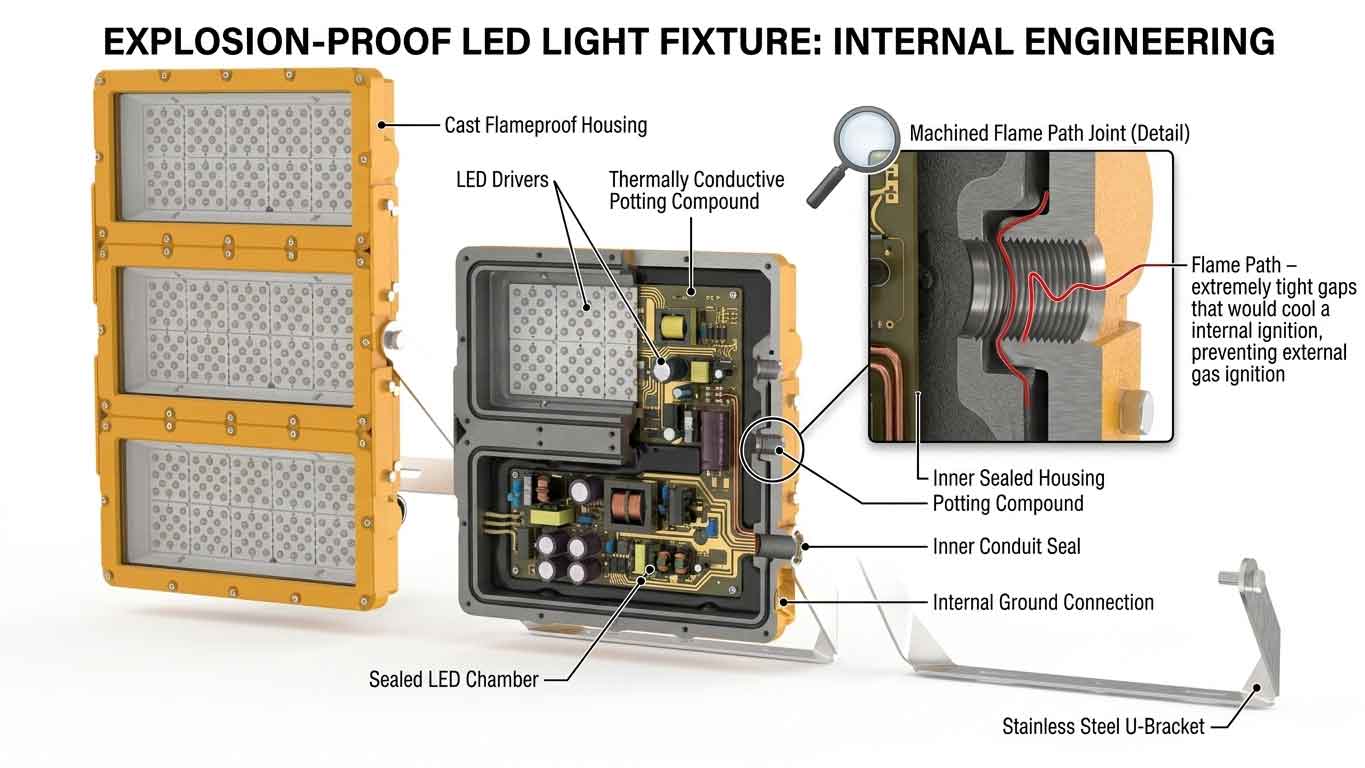
The housing isn’t just sealed—it’s engineered with precise gaps (flame paths). If hot gases escape, they’re forced through these channels.
By the time they reach the outside?
Temperature drops below ignition point.
That’s the difference between safe and catastrophic.
Ignition needs three things:
Explosion-proof lighting focuses heavily on the third.
According to the National Fire Protection Association, controlling ignition sources—especially surface temperature—is critical in hazardous environments.
That’s why these fixtures are rated for maximum external temperature.
Miss one of these, and the system fails.
ATEX, IECEx, UL—these aren’t marketing terms.
They test:
If a fixture passes, it means it survived controlled failure conditions.
That’s the point.
SEEKINGLED explosion-proof fixtures are designed to meet these standards—not just for compliance, but because real environments demand it.
| Feature | Standard LED | Explosion-Proof LED |
|---|---|---|
| Housing | Thin | Reinforced |
| Sealing | Basic | Gas-tight |
| Temperature control | Limited | Certified limits |
| Hazard use | No | Yes |
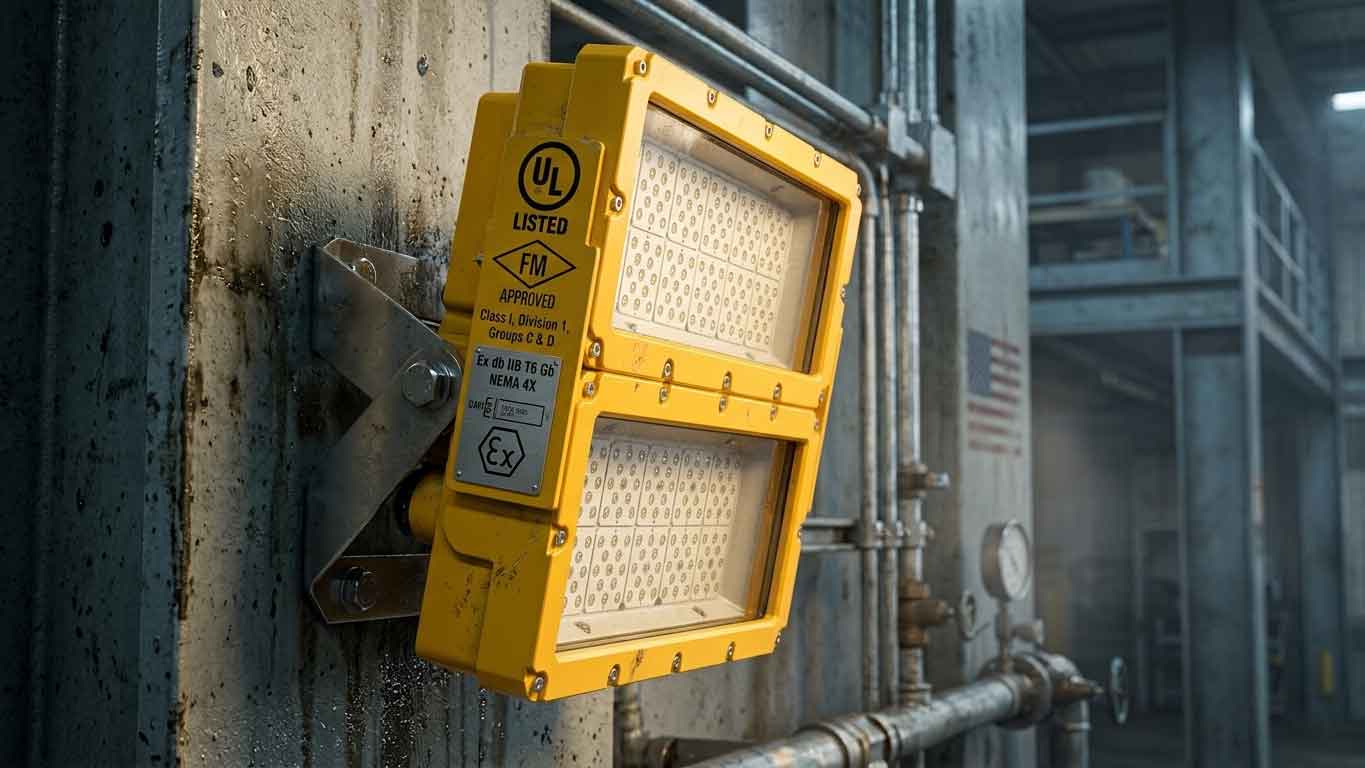
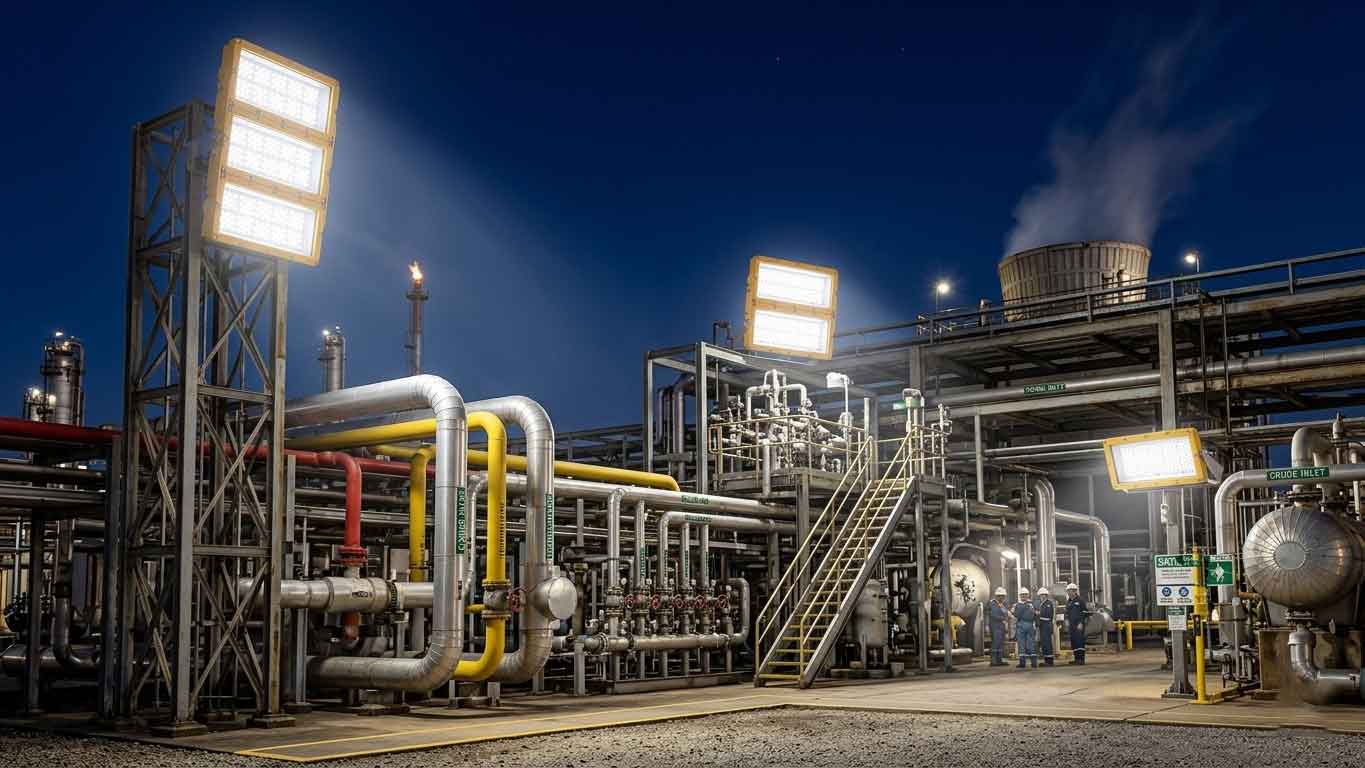
You don’t install this type of lighting everywhere.
Only where risk exists:
The Occupational Safety and Health Administration requires approved equipment in classified hazardous locations.
No exceptions.
I’ve seen facilities downgrade lighting to save cost.
It never shows immediately.
But over time—heat cycles, vibration, moisture—weak points appear.
That’s when risk builds quietly.
No. It contains internal ignition and prevents it from triggering external hazards.
No. Explosion-proof capability must be designed and certified from the start.
Because of thick housings and reinforced materials required to contain pressure and heat.
I’ve worked with industrial lighting systems for nearly a decade—oil storage, processing facilities, and hazardous area retrofits.
The biggest misconception I see?
People think safety comes from the light source.
It doesn’t.
It comes from the design.
That’s why I rely on certified systems like SEEKINGLED when working in hazardous zones. Because once installed, the fixture has to handle failure—not just normal operation.
So—How does explosion proof lighting work?
By assuming failure will happen—and controlling it.
Containing heat. Blocking sparks. Managing pressure.
Everything is built around that one idea.
And that’s why it works.
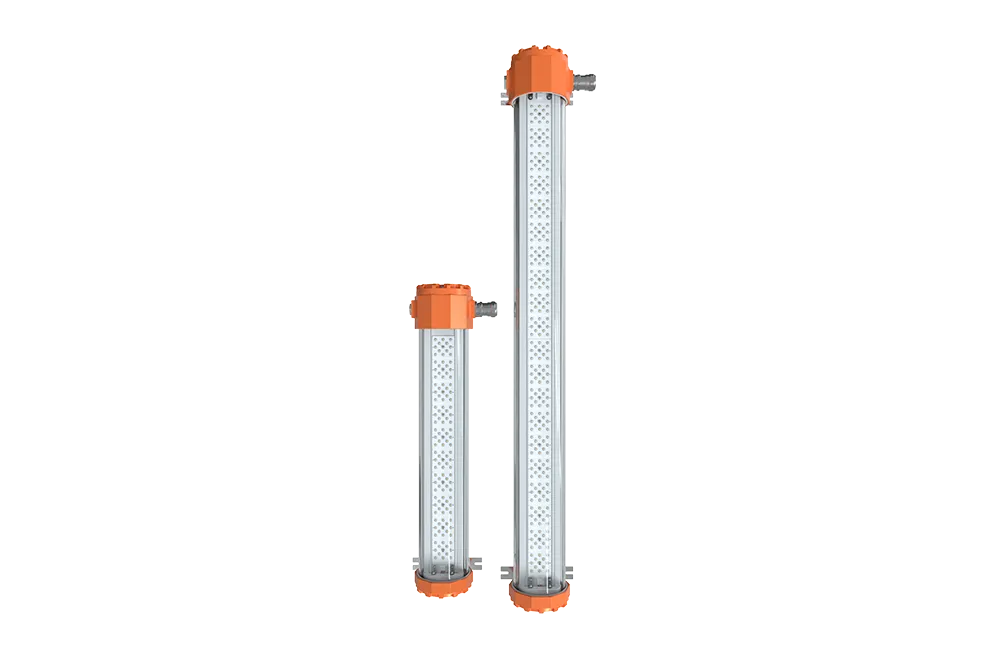
SEEKINGLED LED Linear Explosion Proof Light and Explosion Proof lighting is ATEX and IECEx certified for Zone 1, Zone 2, Zone 21 and Zone 22 hazardous locations, built for long-term industrial use.
View details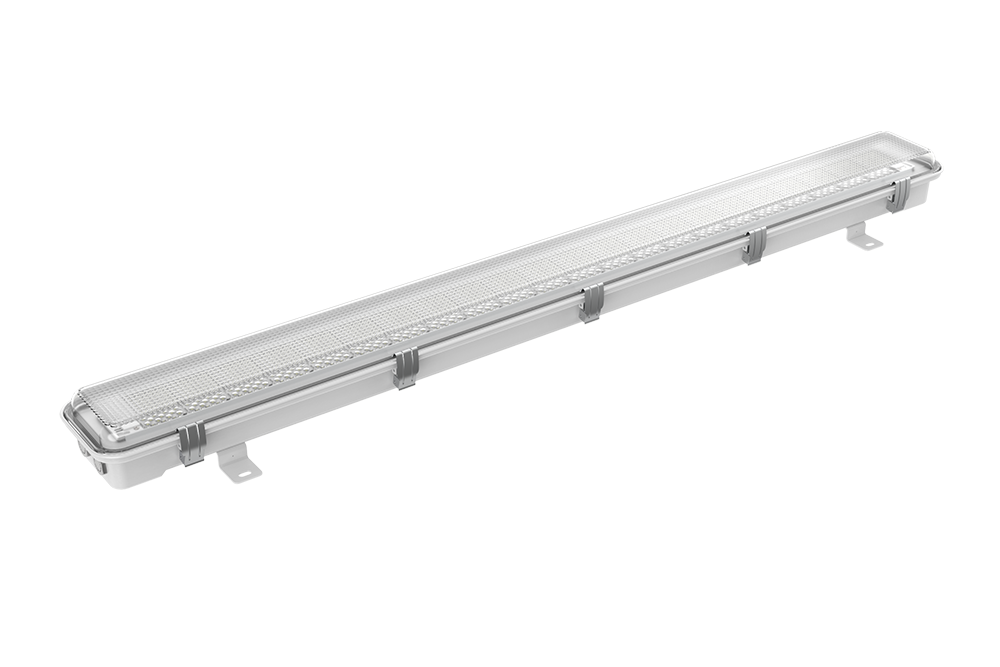
LED Linear Explosion Proof Lights and EX Proof lights for Zone 1, Zone 2, Zone 21 and Zone 22 hazardous areas. ATEX & IECEx certified explosion proof LED linear lighting with emergency function, adjustable power and IP67 protection by SEEKINGLED.
View details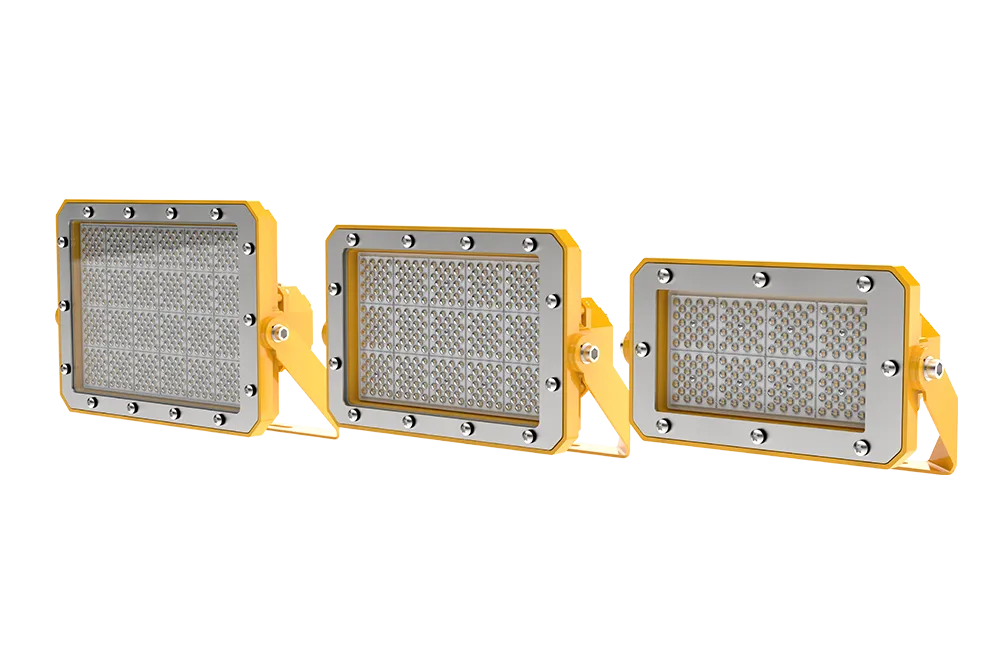
SEEKINGLED LED Explosion Proof Flood Lights are ATEX certified for Zone 2 and Zone 22 hazardous areas, offering high efficiency, adjustable power and integrated junction box.
View details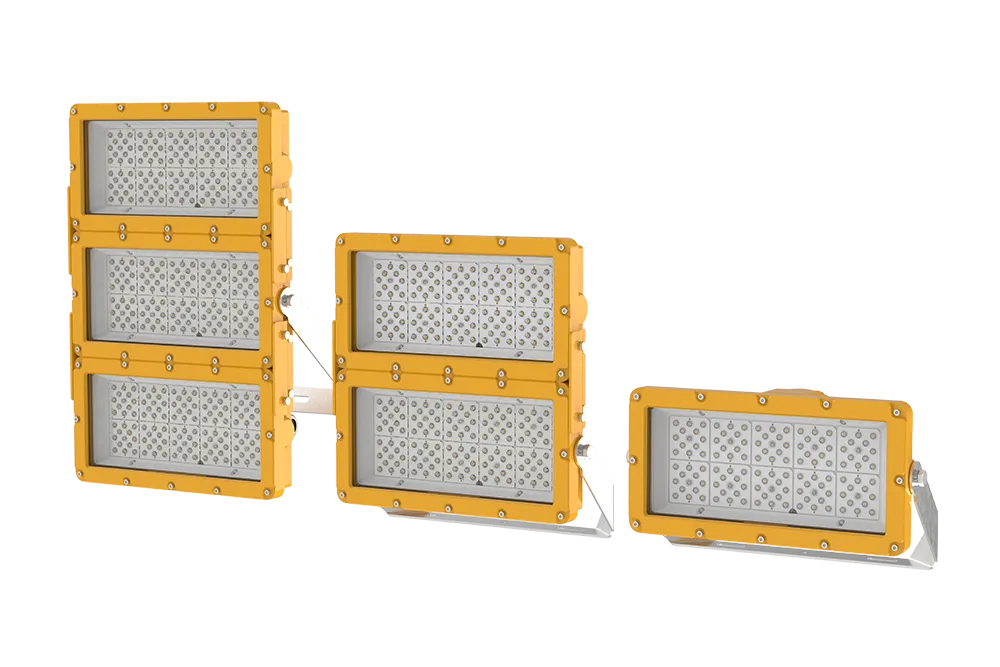
SEEKINGLED LED Explosion Proof Flood Lights are flameproof ATEX and IECEx certified for Zone 1 and Zone 2 hazardous areas, offering high power, adjustable output and long service life.
View details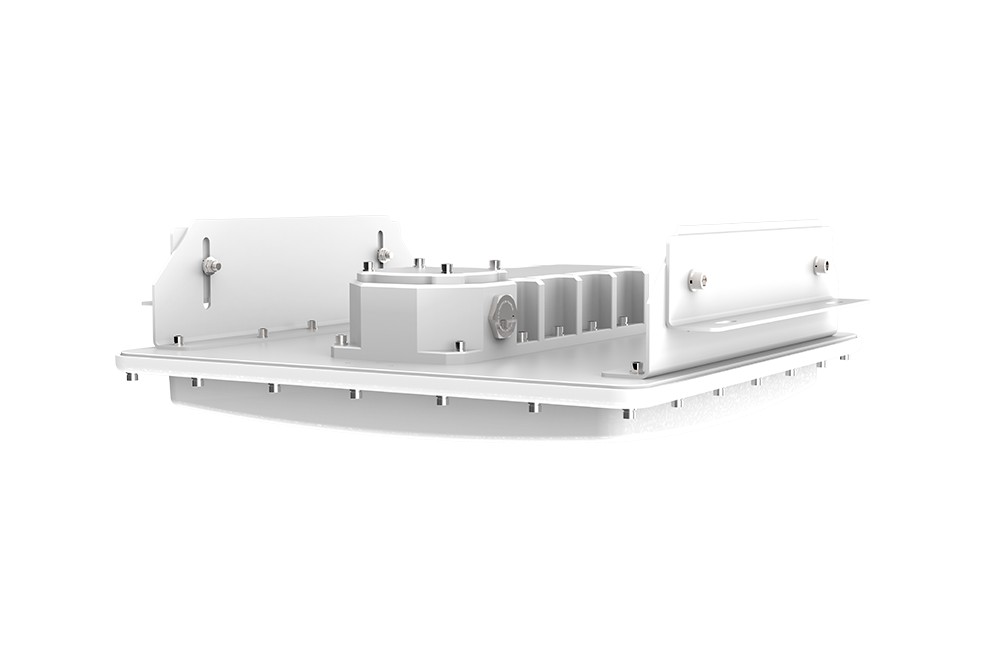
SEEKINGLED LED Gas Station Canopy Lights are ATEX certified for Zone 2 and Zone 22 hazardous areas, featuring adjustable power and built-in explosion-proof junction box.
View details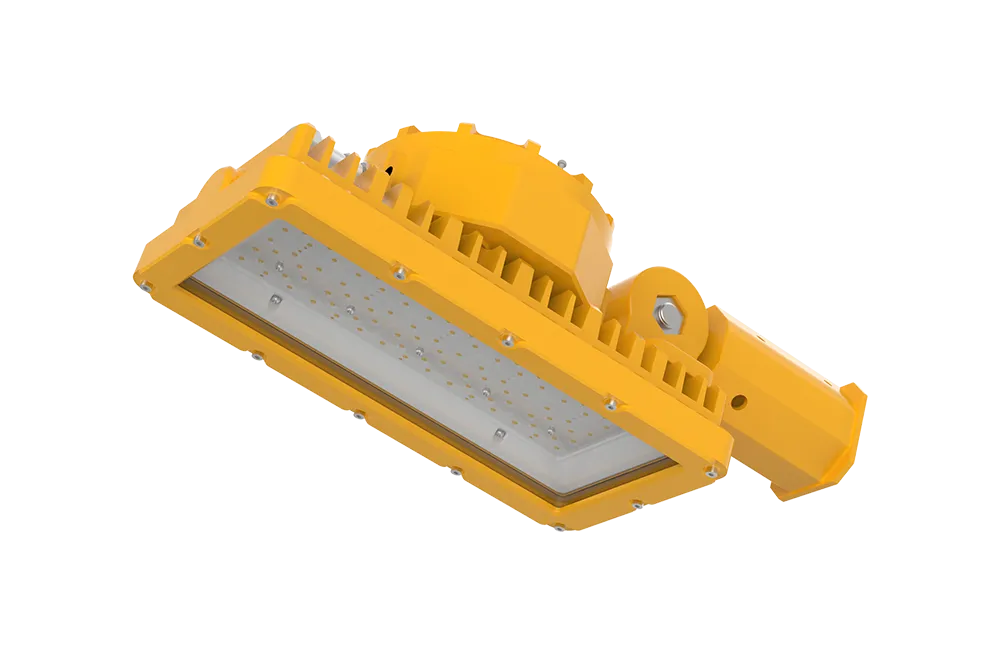
ATEX: Ex II 2G Ex db IIB T6/T5 GbEx II 2D Ex tb IIIC T80°C/ T95°C Db IECEx Ex db IIB T6 Gb;Ex tb IIIC T80°C Db Feature: ● For Zone 1,2 and Zone 21,22● Flameproof type, the strongest● 100W can replace 250W HID,energy saving● Power:60W,80W,100W Application: Oil and gas, marine, Chemical, pharmaceutical, semiconductor,mining,military industr…
View details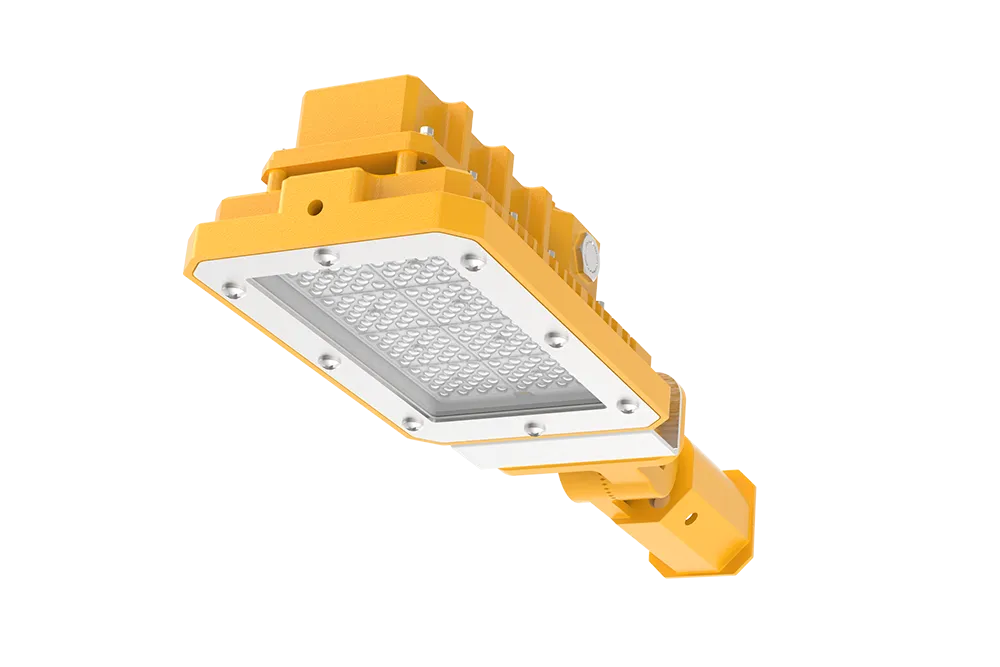
ATEX: II 3G Ex nR ⅡC T5/T6 GcII 3D Ex tc ⅢC T80℃/T95℃Dc ATEX Certificate NO: TÜV CY 26 ATEX 0207611 X Feature: ● For Zone 2 and Zone 22● 150W can replace 250W HID lamps,Energy saving● Power:50W,75W,100W,150W,200W Application: Oil and gas, marine, Chemical, pharmaceutical, semiconductor,mining,military industry, paint booth,power plant ETC…
View details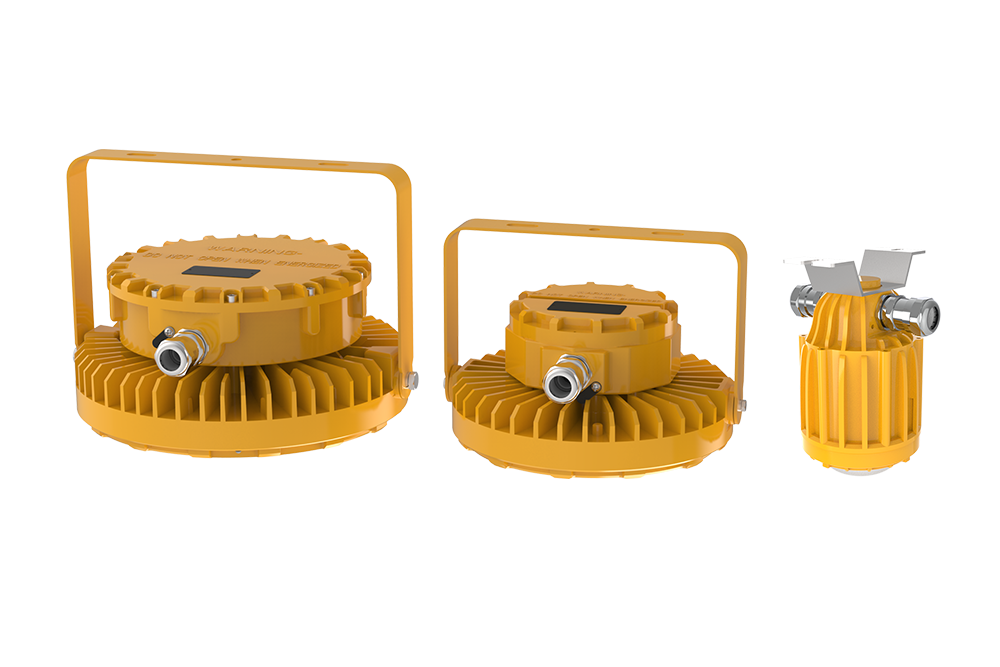
LED explosion proof high bay lights are designed for Zone 1, Zone 2, Zone 21 and Zone 22 hazardous areas. This page introduces the HB21 Series from SEEKING, including certifications, power options and real application considerations.
View details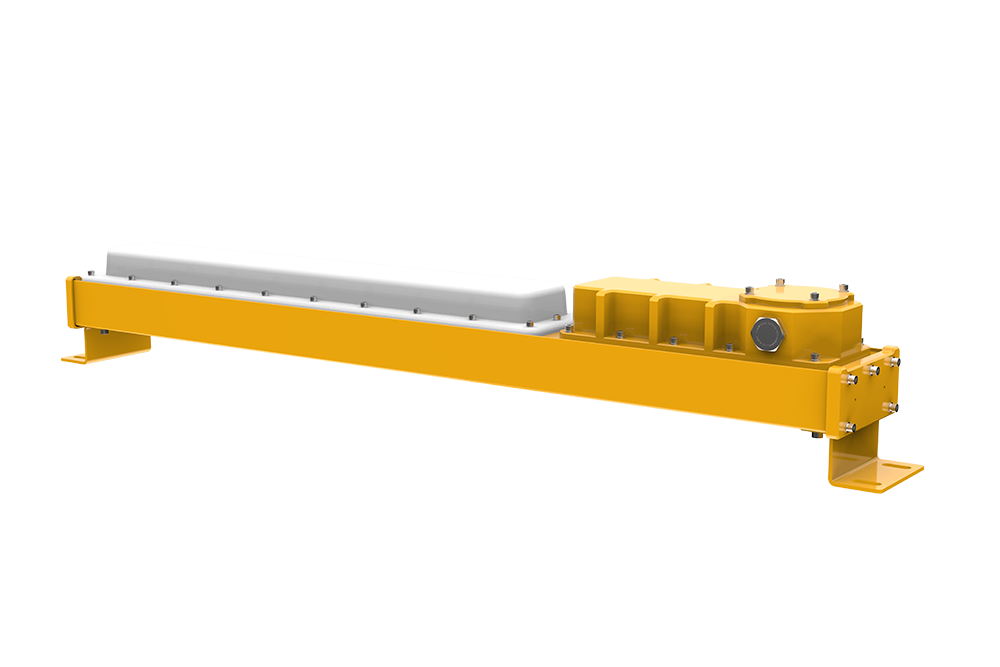
LED Linear Explosion Proof Lights from SEEKINGLED. LU Series Flame Proof lights ATEX-certified explosion proof LED linear lighting for Zone 2 gas and Zone 22 dust areas, IP69K, IK10, long lifetime and flexible power options.
View details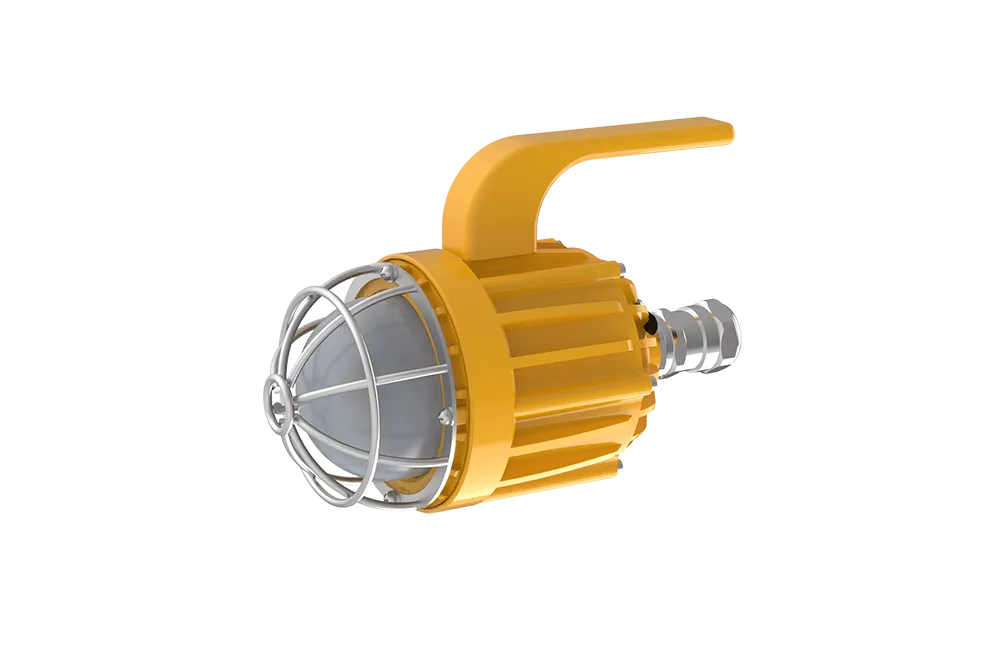
Certified explosion proof work lights for Zone 1 & 21 hazardous areas. Portable, ATEX & IECEx approved, built for oil, gas and chemical plants by SEEKINGLED.
View details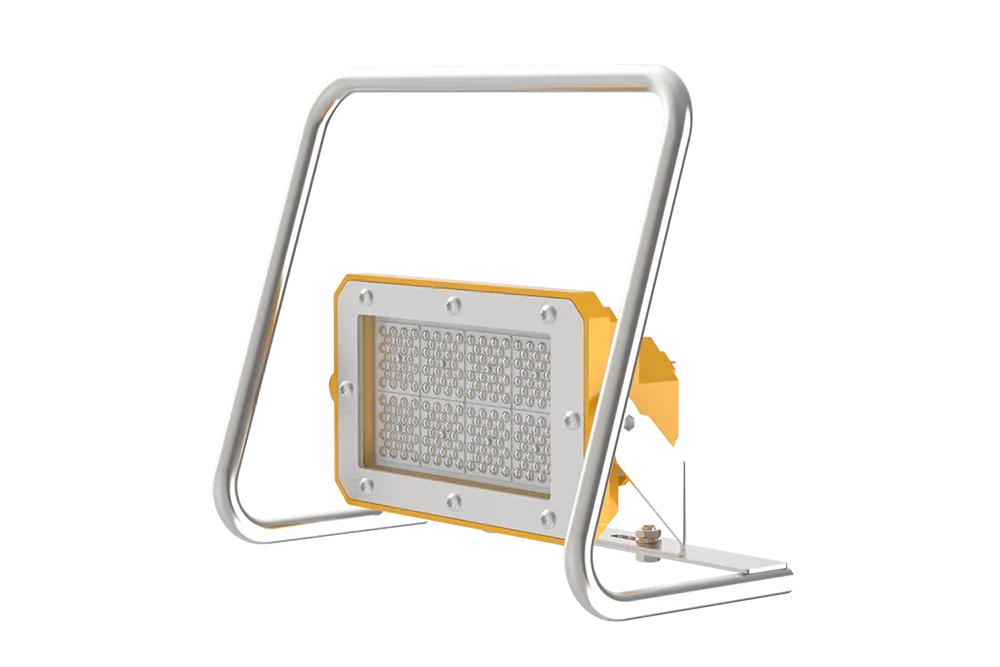
ATEX: II 3G Ex nR ⅡC T6 GcII 3D Ex tc ⅢC T80℃ Dc ATEX Certificate NO: TÜV CY 26 ATEX 0207611 X Feature: ● For Zone 2 and Zone 22● Accepts battery-powered supply● indestructible● Power:AC input:50W,75W,100WDC input:15W,25W,35W Application: Oil and gas, marine, Chemical, pharmaceutical, semiconductor,mining,military industry, paint booth,po…
View details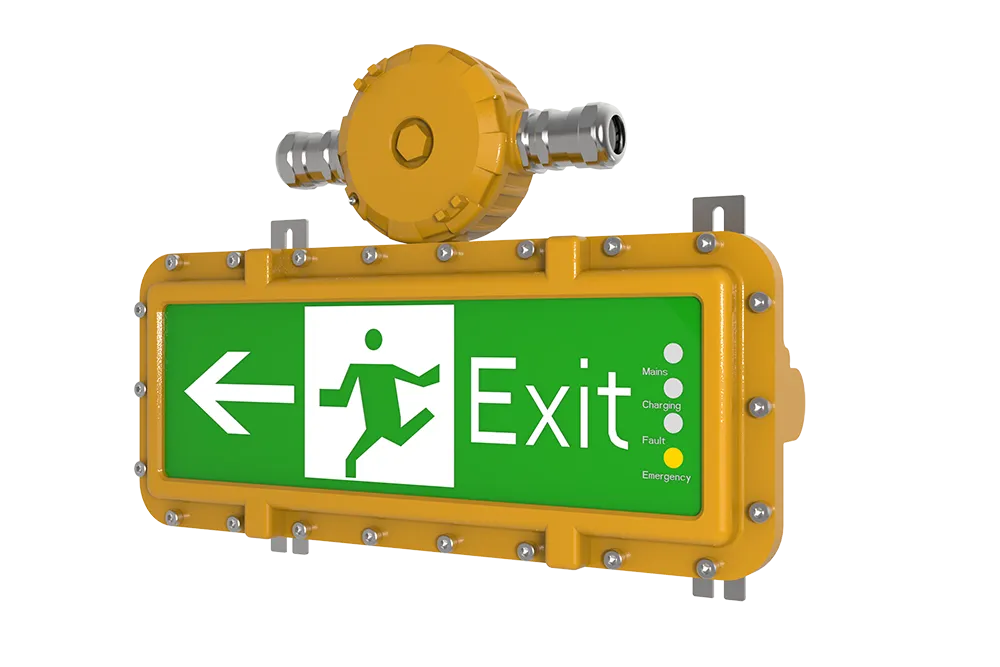
ATEX: Ex II 2G Ex db IIB T6 GbEx II 2D Ex tb IIIC T80°C Db IECEx Ex db IIB T6 Gb;Ex tb IIIC T80°C Db Feature: ● For Zone 1,2 and Zone 21,22● Flameproof type, the strongest Application: Oil and gas, marine, Chemical, pharmaceutical, semiconductor,mining,military industry, paint booth,power plant ETC hazardous area. Technical Specifications:…
View details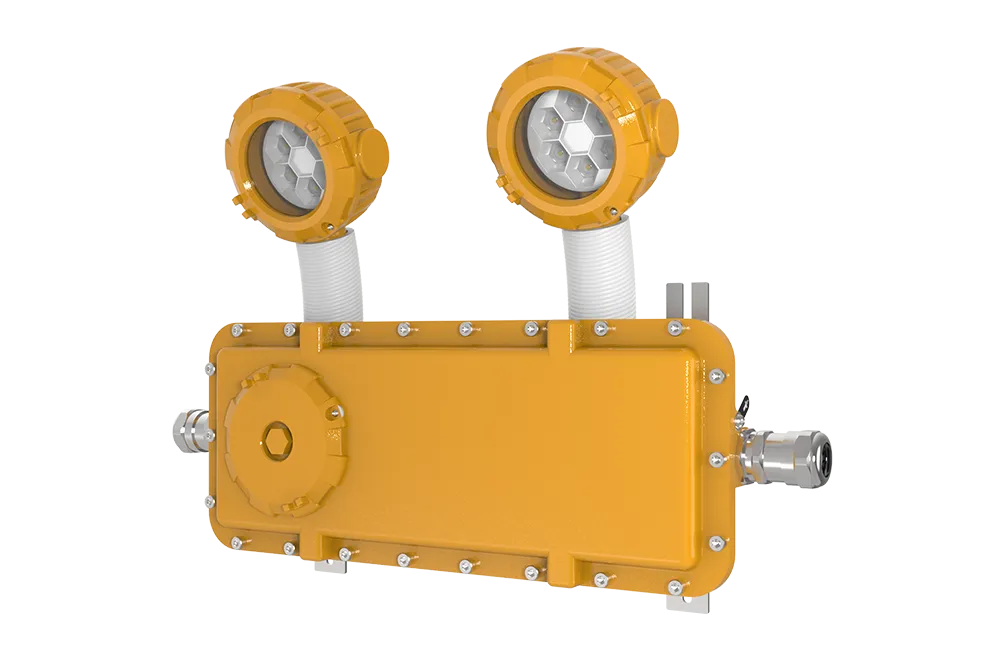
ATEX: Ex II 2G Ex db IIB T6 GbEx II 2D Ex tb IIIC T80°C Db IECEx Ex db IIB T6 Gb;Ex tb IIIC T80°C Db Feature: ● For Zone 1,2 and Zone 21,22● Flameproof type, the strongest Application: Oil and gas, marine, Chemical, pharmaceutical, semiconductor,mining,military industry, paint booth,power plant ETC hazardous area. Technical Specifications:…
View details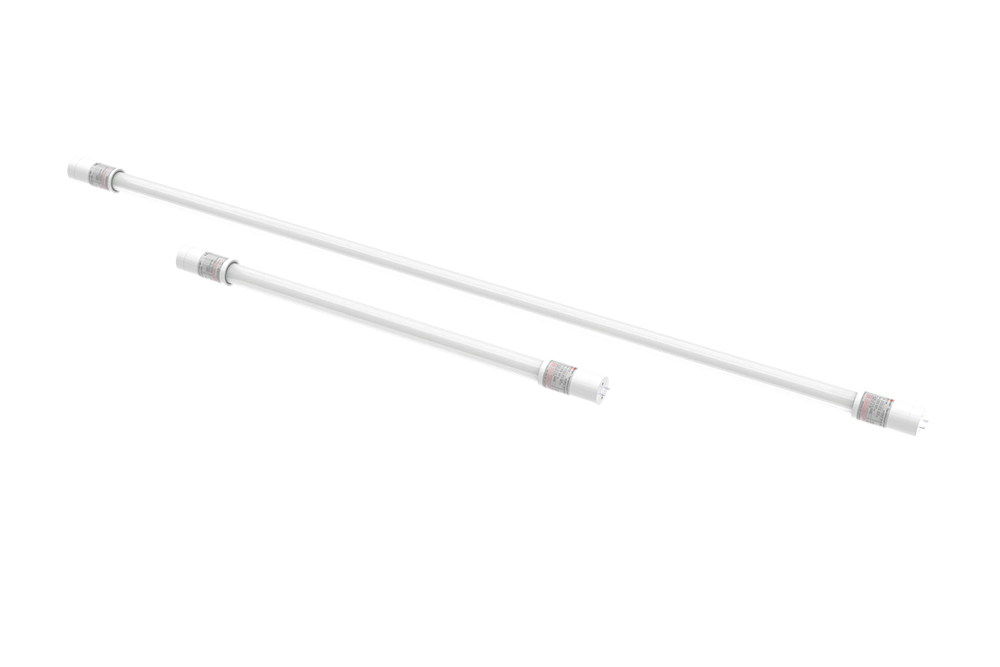
ATEX: Ex II 2G Ex d e IIB T6 Gb ATEX: Ex d e IIB T6 Gb; Feature: ● For Zone 1,2● 9W can replace 18W fluorescent lamps,50% Energy saving Application: Oil and gas, marine, Chemical, pharmaceutical, semiconductor,mining,military industry, paint booth,power plant ETC hazardous area. Technical Specifications: Standards:60079-0, 60079-1, 60079…
View details
Install Ring flood lights by isolating power, checking the junction box, connecting the wiring correctly, securing the fixture, sealing it, and completing Ri...
View details
How bright is a 20 watt LED flood light? Discover lumen output, real-world brightness, and best uses with SEEKINGLED field-tested insights.
View details
Learn how to wire LED high bay lights safely with professional installation steps, wiring tips, voltage guidance, and expert insights from SEEKINGLED lighting engineers.
View details
What is an explosion-proof high bay light fixture? Discover how it safely delivers high-lumen lighting in hazardous areas with certified protection and durability.
View details