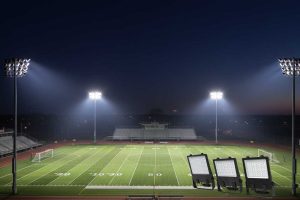
Q: What is a football light fixture, and how is it different from regular flood lights?
A football light fixture is not just a big flood light mounted higher.
On a football field, the fixture controls where light goes, how it overlaps, and how players experience the game under it. Regular flood lights often spread light too wide or too uneven. On a football pitch, that turns into glare near the touchline and dark zones across midfield.
We’ve stood under installations that looked powerful from afar but felt uncomfortable on the field. The issue wasn’t brightness. It was fixture design.
At SEEKINGLED, a football light fixture is treated as a precision tool, not a generic lighting box. Once the ball is in the air, optics matter more than wattage.
Q: Why does fixture design matter more than lumen output?
This is where many projects get misled.
A catalog will show big numbers. High lumens. High power. It sounds convincing. But on real fields, light quality comes from how the football stadium light fixture shapes and directs light, not how much it produces in total.
Poor fixture optics cause:
- Harsh glare when players look upfield
- Bright spots near poles
- Flat, lifeless lighting in central zones
A well-designed LED football light fixture spreads light forward and sideways, overlapping cleanly with neighboring fixtures. When that overlap is right, the field feels balanced—even at lower power levels.
We’ve seen fields improve playability simply by changing fixtures, without adding poles or wattage.
Q: LED football light fixture vs traditional fixtures — what changes on the field?
The difference shows up on the first night game.
Traditional metal halide fixtures warm up slowly and age unevenly. Color shifts. Output drops. After a season or two, fields start to look patchy.
A LED football light fixture turns on instantly and stays consistent. More importantly, it allows precise beam control. That means fewer fixtures can do more work, if aimed correctly.
SEEKINGLED has replaced many older fixtures where operators complained about “dim fields,” but measurements still looked acceptable. The real issue was uneven distribution. LED optics fixed that.
Q: How many football light fixtures does a field really need?
There’s no single number. Anyone who gives one without seeing the field is guessing.
A full-size outdoor football field typically uses:
- 8 to 12 fixtures for training-level setups
- 12 to 20 fixtures for competition fields
- More for broadcast or high-standard stadiums
But quantity alone doesn’t solve lighting. We’ve seen over-lit fields that still felt wrong. Too many fixtures can create cross-glare and wasted spill light.
Good outdoor football lighting fixture planning starts with pole height, spacing, and aiming angles. Fixtures should work together, not fight each other.
Q: What mounting height works best for football light fixtures?
Height changes everything.
Mount fixtures too low, and beams become narrow. Narrow beams create contrast problems and glare. Mount them too high without proper optics, and light scatters.
From real installations, most football fields perform best with fixture mounting heights between 18 and 30 meters, depending on field size and level of play.
SEEKINGLED usually recommends testing beam overlap digitally before installation. It saves time, money, and frustration later.
Q: How durable should a football light fixture be outdoors?
Outdoor football fields are not friendly environments.
Wind load. Rain. Heat. Dust. In some regions, salt in the air. A football light fixture that looks solid on paper can fail early if thermal design or sealing is weak.
In practice, failures often come from drivers overheating or moisture ingress, not the LEDs themselves.
SEEKINGLED designs fixtures with die-cast aluminum housings, high IP ratings, and stable drivers because replacing fixtures on tall poles is expensive and disruptive. Durability is not optional.
Q: How long should a football light fixture last in real use?
Forget lab numbers for a moment.
In real field conditions, a quality sports field lighting fixture should deliver stable performance for 50,000–70,000 hours. More importantly, it should age evenly across all fixtures.
When one fixture drops faster than others, players notice the imbalance immediately—even if average lux readings still look fine.
Consistency across seasons matters more than peak performance on day one.
Why Choose SEEKINGLED Football Light Fixtures?
Because lighting should support the game, not distract from it.
SEEKINGLED LED football light fixture solutions focus on:
- Controlled beam distribution
- Reduced glare for players and officials
- Long-term stability in outdoor stadium environments
If the field feels natural under the lights and players trust what they see, the fixtures are doing their job.
led Football Light Fixture recommended
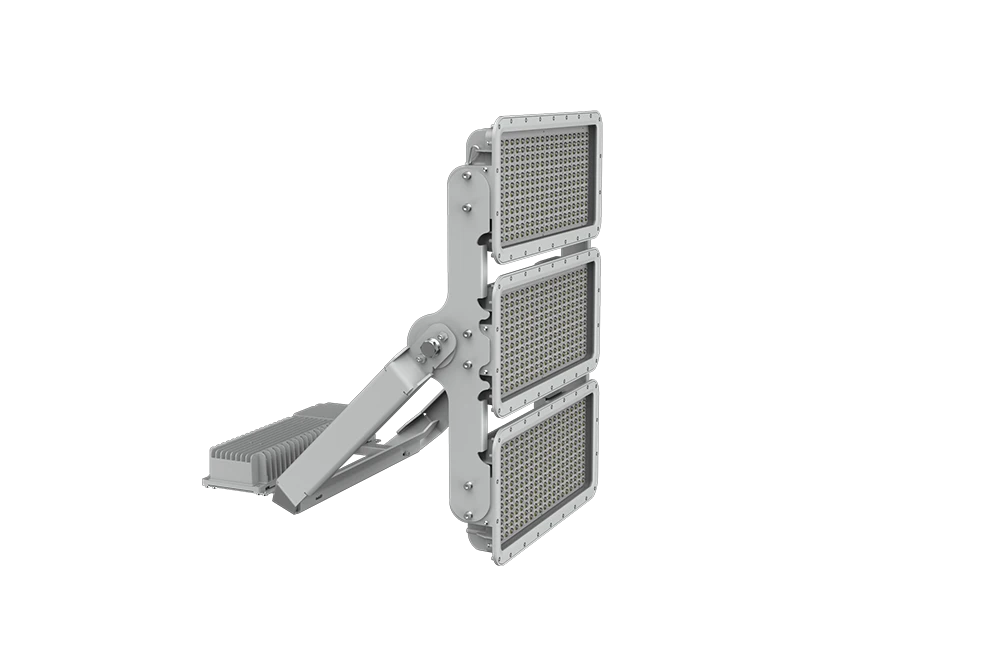
Sports Stadium LED Lighting by SEEKINGLED delivers high mast illumination, precise beam control, and EN 12193 compliant performance for professional venues.
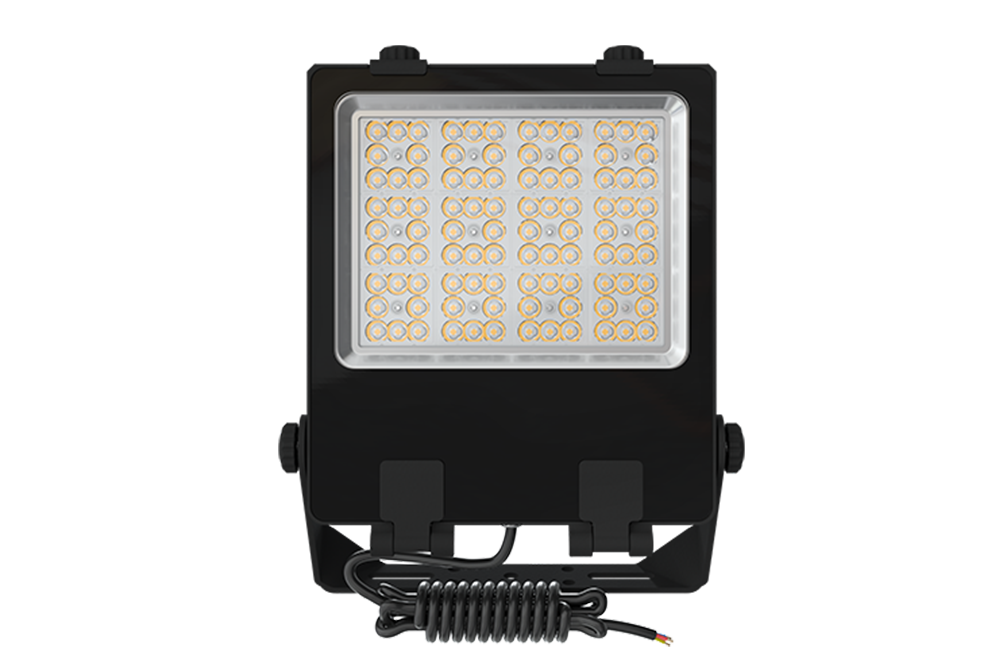
SEEKING FLX Series LED flood light outdoor for sports courts and open-area projects with 170lm/W efficiency, IP66 protection and multiple beam distributions. Designed for long-life commercial and public outdoor use.
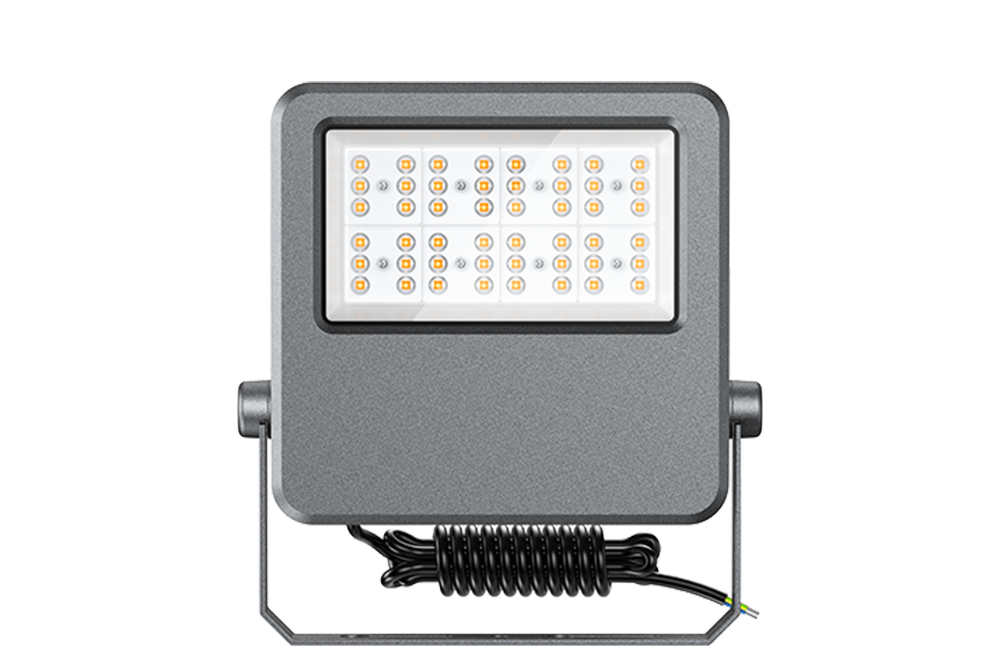
SEEKING FLE Series LED outdoor flood lights for sports grounds and open areas with multiple beam angles, IP66 protection and up to 170lm/W. Designed for long-life outdoor installations with professional driver options.
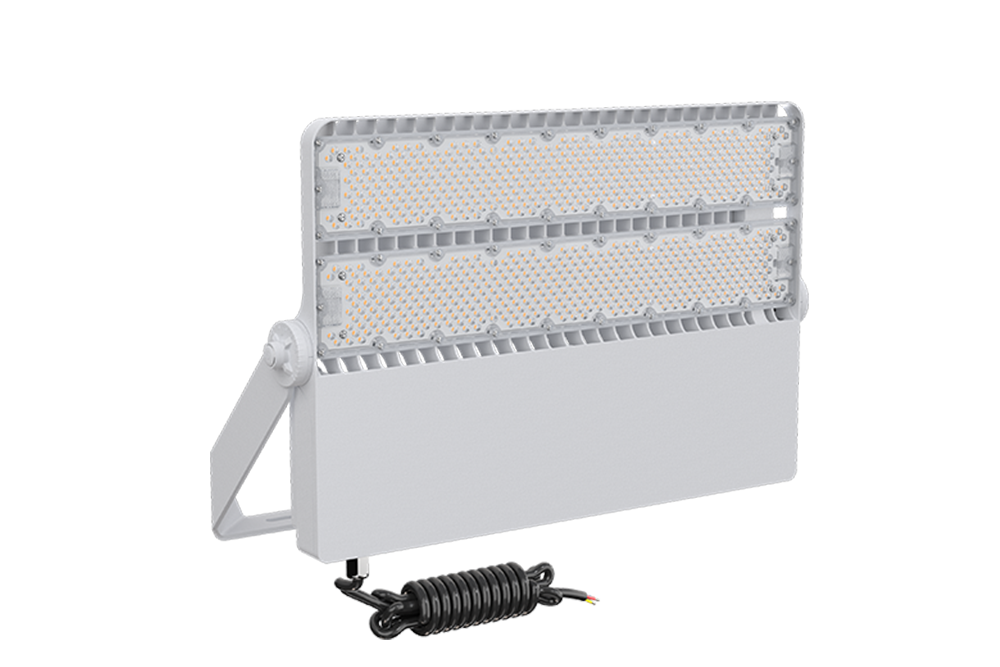
SEEKING FLD Series outdoor LED flood lights and high power led flood light deliver up to 960W with precision beam angles for sports fields, stadiums and large outdoor areas. IK08 & IP66 protection, 170lm/W efficiency and 100,000h lifetime.
loading…
This is the last post!
 Seeking LED