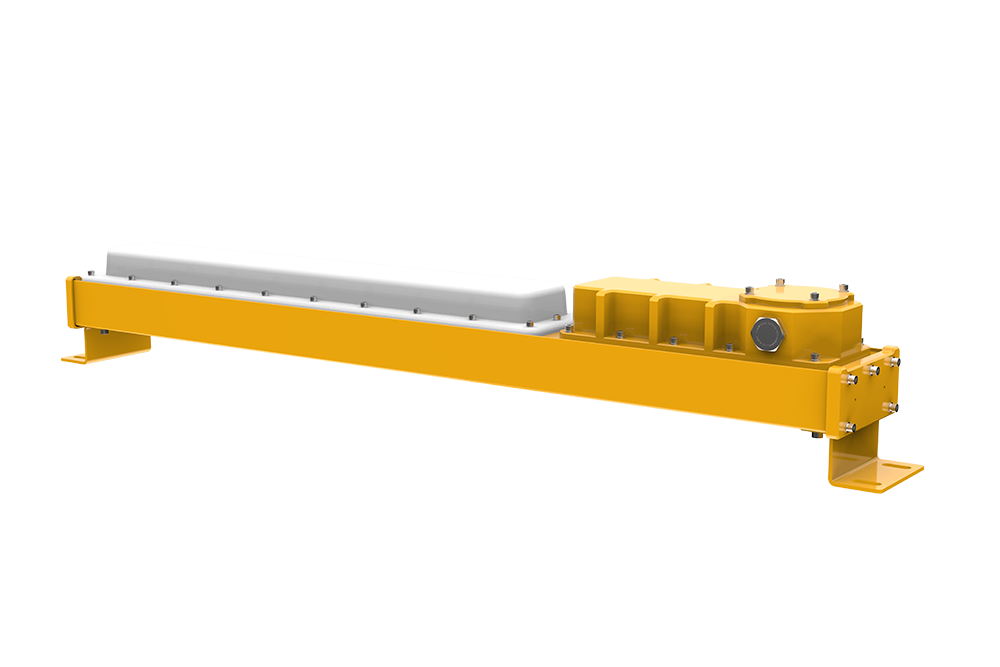
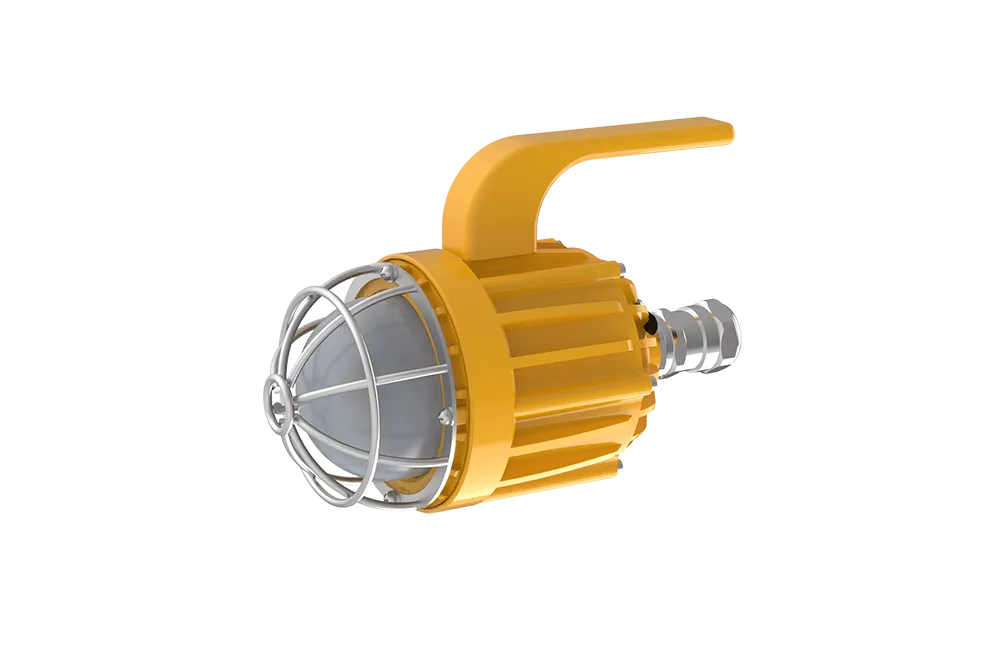
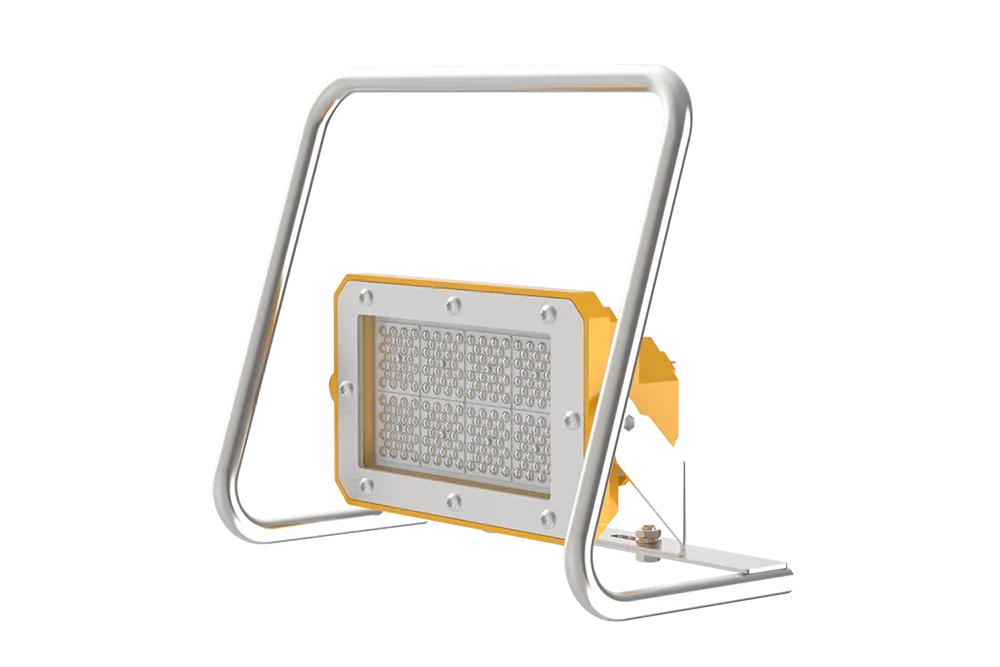
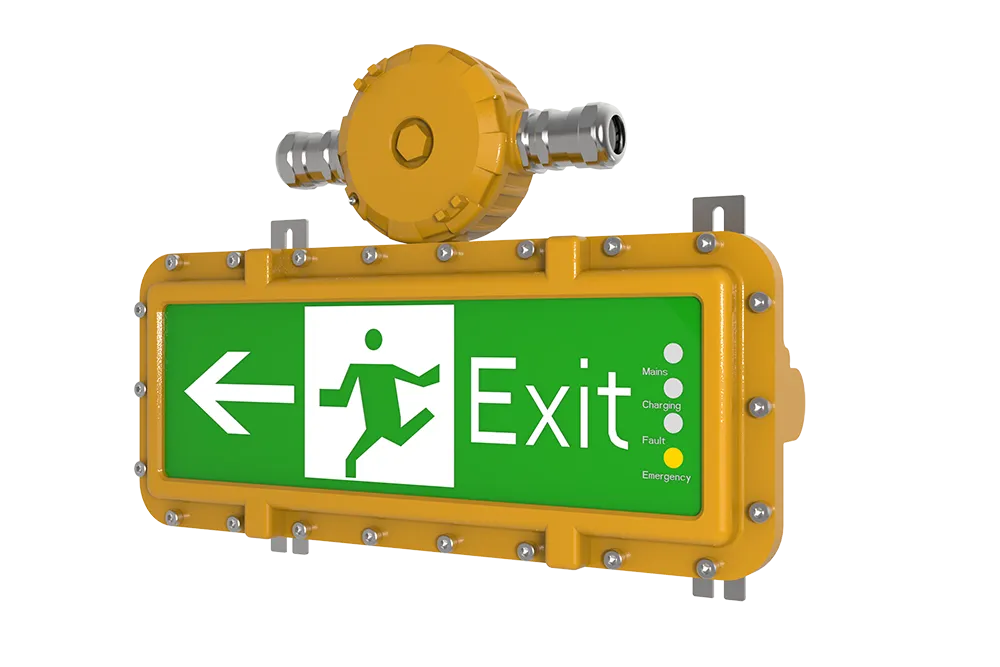
When someone asks about an explosion proof light fixture, it’s rarely a casual inquiry. It usually comes from a refinery upgrade, a chemical plant expansion, or a grain facility inspection notice. In other words—real risk environments.
I’ve walked through classified zones where the air carries solvent odor and every metal surface feels heavy. In those places, lighting isn’t decoration. It’s infrastructure. And choosing the wrong explosion proof light fixture isn’t a small mistake.
Below are the questions we hear most often at SEEKINGLED, answered plainly.
Q1: What makes an explosion proof light fixture different from standard industrial lighting?
It’s about containment.
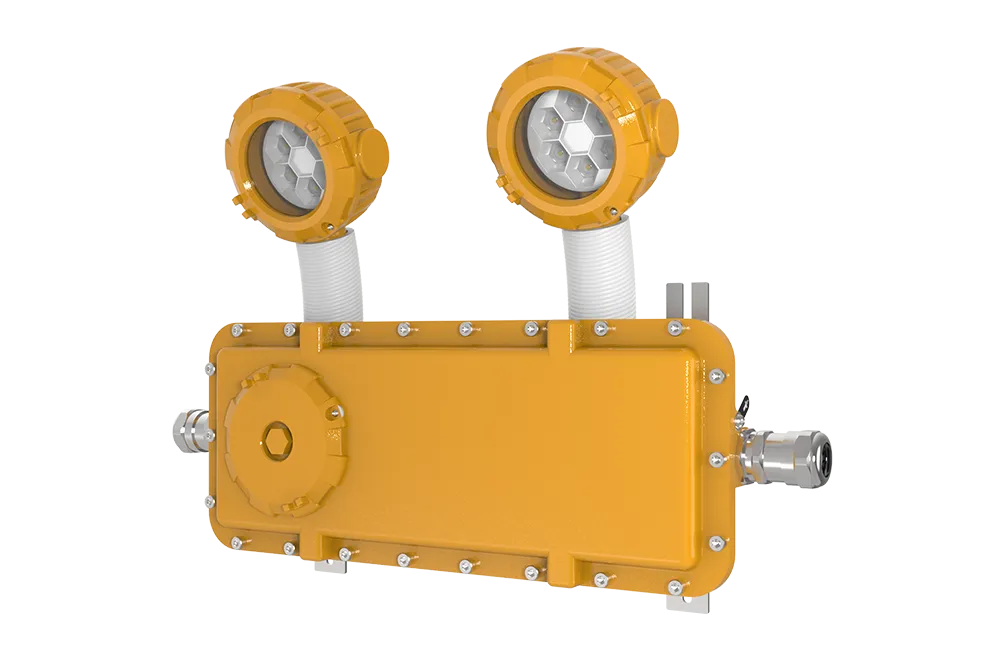
An explosion proof light fixture is engineered to contain an internal spark or ignition source so it cannot ignite surrounding gases or dust. The housing is sealed, reinforced, and tested under strict certification standards.
Standard industrial fixtures may look similar from a distance. They are not built to prevent flame propagation. That difference is not cosmetic—it’s regulatory.
If a fixture does not carry proper hazardous area certification, it is not explosion proof. Period.
Q2: Where are explosion proof light fixtures required?
You’ll typically see them specified in:
- Oil and gas processing facilities
- Petrochemical plants
- Chemical manufacturing sites
- Fuel storage terminals
- Grain handling and milling plants
- Paint spray booths
In North America, these are often classified as Class 1 Division 1 or Class 1 Division 2 light fixture applications. In Europe, ATEX explosion proof lighting standards apply.
If your project falls within these classifications, there is no alternative to a certified explosion proof light fixture.
Q3: Is LED technology better for hazardous locations?
Yes. Not just for efficiency—though that’s part of it.
Older hazardous location light fixture designs relied on HID or fluorescent sources. They ran hot and required frequent lamp replacement. Every maintenance event meant opening the housing in a classified zone. That increases risk exposure.
Industrial explosion proof LED light technology reduces heat generation and significantly lowers maintenance frequency. With proper thermal design, LED systems can operate 50,000 hours or more before major lumen depreciation.
Less opening. Less downtime. Less risk.
That’s practical improvement, not marketing language.
Q4: What certifications should I check?
Don’t assume compliance.
For explosion proof light fixture installations, you should verify certifications such as:
- ATEX
- IECEx
- UL844
- Class 1 Division 2 ratings
Documentation must match your zone classification exactly. Inspectors and safety officers check these details carefully.
At SEEKINGLED, we provide full certification documentation with our hazardous location light fixture models because compliance is not optional in these environments.
Q5: How durable should an explosion proof light fixture be?
Very durable. Hazardous areas are rarely gentle environments.
Look for:
- Thick die-cast aluminum housing
- Corrosion-resistant coating
- Tempered glass lens
- IP66 sealing
- High impact rating
I’ve seen low-quality fixtures fail due to corrosion within two years in coastal petrochemical facilities. Once corrosion compromises the enclosure integrity, certification becomes meaningless.
Explosion proof light fixture durability is not about aesthetics. It’s about maintaining containment integrity over time.
Q6: How bright should an explosion proof light fixture be?
Brightness depends on ceiling height and task requirements.
For refinery high bays or chemical processing halls, 100W–200W industrial explosion proof LED light fixtures are common. Walkways may require lower wattage models.
The mistake many teams make is over-lighting the space. Excessive brightness creates glare on metallic surfaces and does not improve safety. Proper photometric planning matters.
You don’t guess lumen output in hazardous zones. You calculate.
Q7: Can explosion proof light fixtures be used outdoors?
Yes. Many installations are outdoor by necessity.
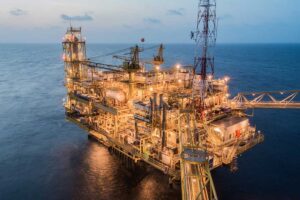
Pipeline areas, fuel transfer stations, and offshore platforms require explosion proof light fixture systems designed to withstand rain, dust, wind, and temperature extremes.
But outdoor exposure does not replace zone classification requirements. Weather resistance and hazardous area certification are separate considerations.
Both are necessary.
Q8: Why choose SEEKINGLED for explosion proof light fixture solutions?
Because we approach hazardous lighting as a safety system, not a commodity product.
SEEKINGLED explosion proof light fixture designs focus on:
- Certified enclosure construction
- Stable driver performance
- Effective thermal management
- Long operational life
- Clear compliance documentation
We don’t inflate lumen numbers. We don’t shortcut housing thickness. We build products intended to perform for years in classified environments.
When lighting is part of your safety infrastructure, consistency matters more than marketing.
Final Thoughts
An explosion proof light fixture is not simply another industrial luminaire. It is a controlled containment device operating in potentially explosive atmospheres.
Certification, enclosure integrity, and long-term durability define its value. Price alone should never drive the decision.
In hazardous zones, the wrong choice isn’t inconvenient. It’s unacceptable.
At SEEKINGLED, we build explosion proof light fixture systems engineered for demanding oil, gas, and chemical environments—where reliability is not negotiable.
explosion proof light fixture recommended
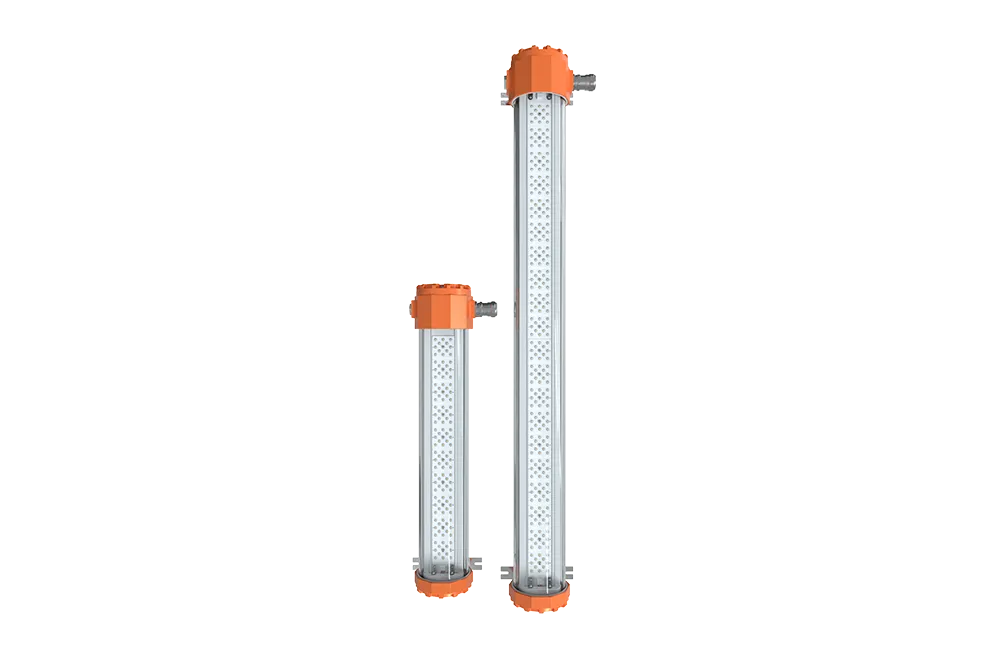
SEEKINGLED LED Linear Explosion Proof Light and Explosion Proof lighting is ATEX and IECEx certified for Zone 1, Zone 2, Zone 21 and Zone 22 hazardous locations, built for long-term industrial use.
LED Linear Explosion Proof Lights and EX Proof lights for Zone 1, Zone 2, Zone 21 and Zone 22 hazardous areas. ATEX & IECEx certified explosion proof LED linear lighting with emergency function, adjustable power and IP67 protection by SEEKINGLED.
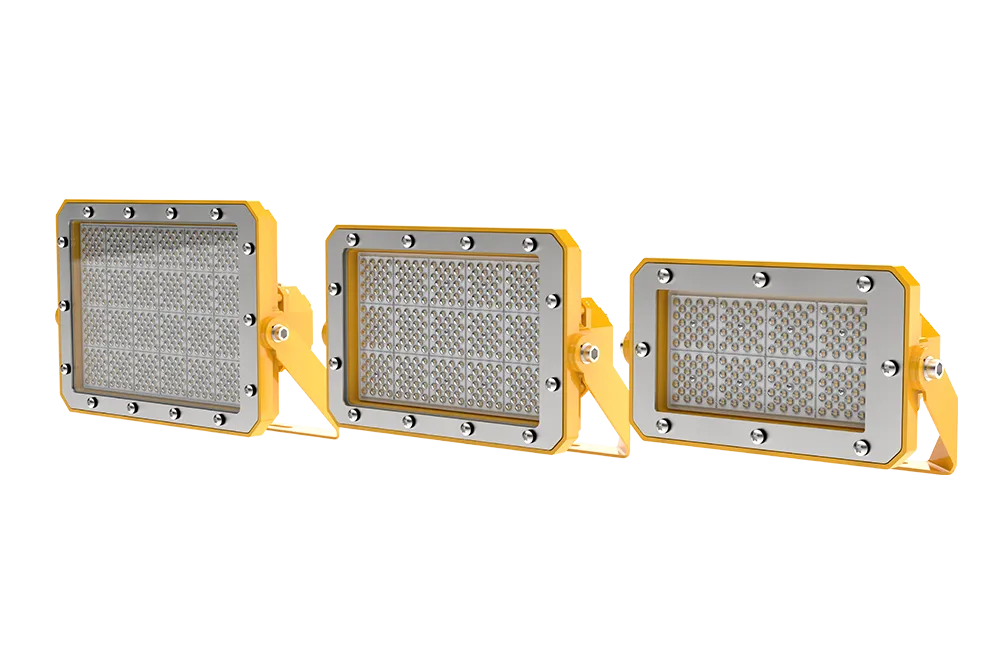
SEEKINGLED LED Explosion Proof Flood Lights are ATEX certified for Zone 2 and Zone 22 hazardous areas, offering high efficiency, adjustable power and integrated junction box.
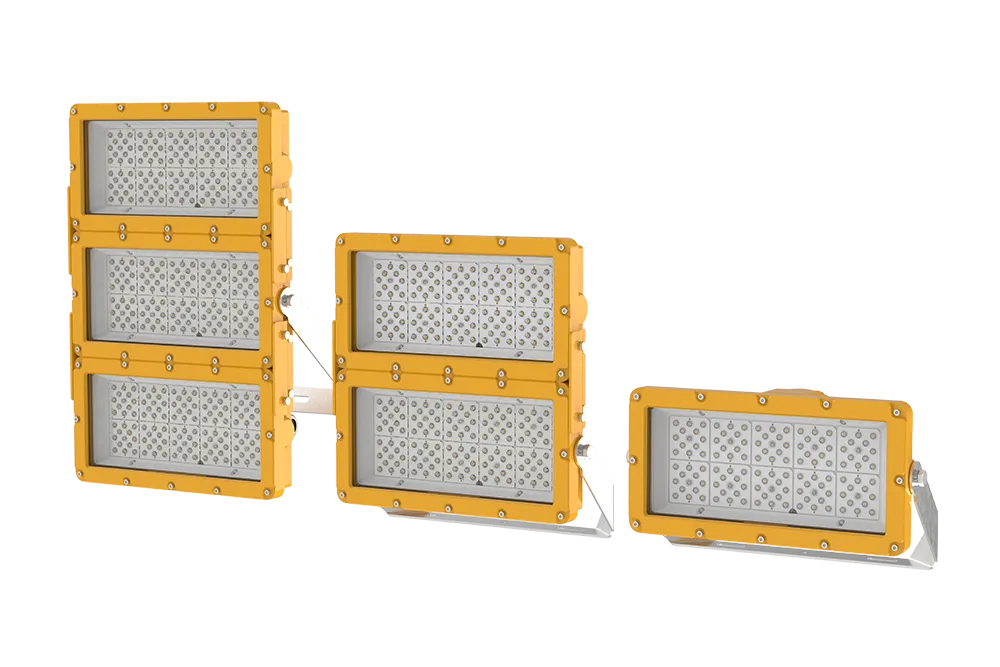
SEEKINGLED LED Explosion Proof Flood Lights are flameproof ATEX and IECEx certified for Zone 1 and Zone 2 hazardous areas, offering high power, adjustable output and long service life.
SEEKINGLED LED Gas Station Canopy Lights are ATEX certified for Zone 2 and Zone 22 hazardous areas, featuring adjustable power and built-in explosion-proof junction box.
ATEX: Ex II 2G Ex db IIB T6/T5 GbEx II 2D Ex tb IIIC T80°C/ T95°C Db IECEx Ex db IIB T6 Gb;Ex tb IIIC T80°C Db Feature: ● For Zone 1,2 and Zone 21,22● Flameproof type, the strongest● 100W can replace 250W HID,energy saving● Power:60W,80W,10…
ATEX: II 3G Ex nR ⅡC T5/T6 GcII 3D Ex tc ⅢC T80℃/T95℃Dc ATEX Certificate NO: TÜV CY 26 ATEX 0207611 X Feature: ● For Zone 2 and Zone 22● 150W can replace 250W HID lamps,Energy saving● Power:50W,75W,100W,150W,200W Application: Oil and gas, m…
LED explosion proof high bay lights are designed for Zone 1, Zone 2, Zone 21 and Zone 22 hazardous areas. This page introduces the HB21 Series from SEEKING, including certifications, power options and real application considerations.
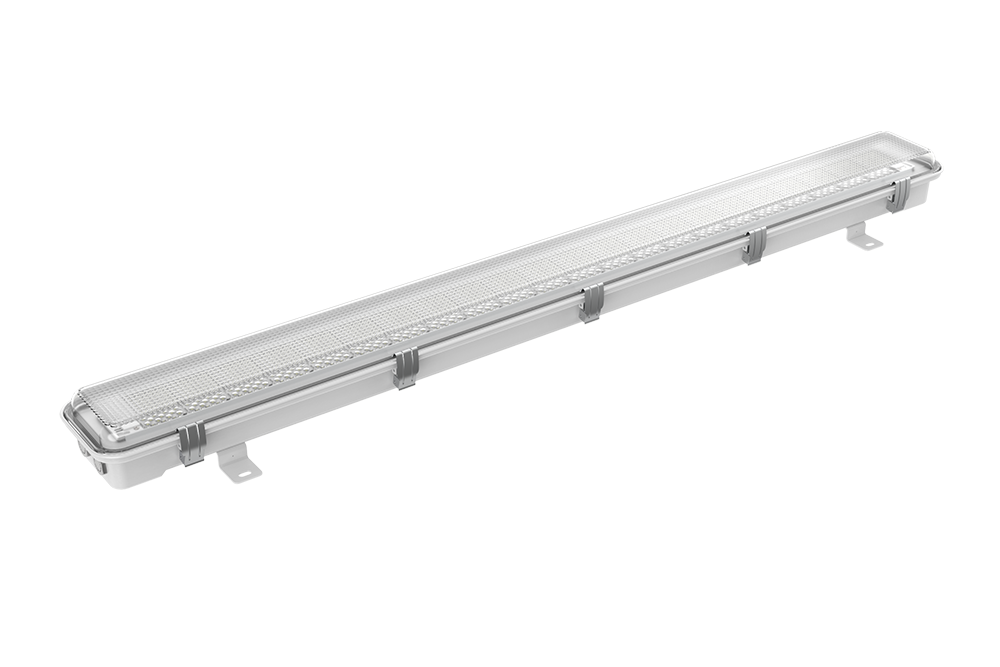
LED Linear Explosion Proof Lights from SEEKINGLED. LU Series Flame Proof lights ATEX-certified explosion proof LED linear lighting for Zone 2 gas and Zone 22 dust areas, IP69K, IK10, long lifetime and flexible power options.
Certified explosion proof work lights for Zone 1 & 21 hazardous areas. Portable, ATEX & IECEx approved, built for oil, gas and chemical plants by SEEKINGLED.
ATEX: II 3G Ex nR ⅡC T6 GcII 3D Ex tc ⅢC T80℃ Dc ATEX Certificate NO: TÜV CY 26 ATEX 0207611 X Feature: ● For Zone 2 and Zone 22● Accepts battery-powered supply● indestructible● Power:AC input:50W,75W,100WDC input:15W,25W,35W Application: O…
ATEX: Ex II 2G Ex db IIB T6 GbEx II 2D Ex tb IIIC T80°C Db IECEx Ex db IIB T6 Gb;Ex tb IIIC T80°C Db Feature: ● For Zone 1,2 and Zone 21,22● Flameproof type, the strongest Application: Oil and gas, marine, Chemical, pharmaceutical, semicondu…
ATEX: Ex II 2G Ex db IIB T6 GbEx II 2D Ex tb IIIC T80°C Db IECEx Ex db IIB T6 Gb;Ex tb IIIC T80°C Db Feature: ● For Zone 1,2 and Zone 21,22● Flameproof type, the strongest Application: Oil and gas, marine, Chemical, pharmaceutical, semicondu…
ATEX: Ex II 2G Ex d e IIB T6 Gb ATEX: Ex d e IIB T6 Gb; Feature: ● For Zone 1,2● 9W can replace 18W fluorescent lamps,50% Energy saving Application: Oil and gas, marine, Chemical, pharmaceutical, semiconductor,mining,military industry, pain…
loading…
This is the last post!
 Seeking LED