If you’re installing outdoor lighting or upgrading a warehouse fixture, the question usually shows up pretty quickly: how many amps does a 150 watt led light use?
It’s not just curiosity. Most people are looking at a breaker panel, doing quick mental math, trying to figure out whether the circuit will handle the new lights.
The good news is that a 150W LED fixture draws far less current than many people expect.
But the exact answer still depends on the voltage of the electrical system.
Start With the Basic Electrical Rule
Electricians calculate current using a relationship defined by Ohm’s Law.
The formula looks like this:
Amps = Watts ÷ Volts
So for a 150 watt LED light, the numbers are straightforward.
At 120 volts
150W ÷ 120V ≈ 1.25 amps
At 240 volts
150W ÷ 240V ≈ 0.63 amps
That means most 150W LED lights draw just over one amp on a standard 120V circuit.
Not much at all for a fixture that can easily illuminate a parking lot corner or a loading dock.
The Reality: Field Measurements Are Slightly Different
Numbers on paper are helpful. But actual installations behave a little differently.
I remember checking the electrical load during a small commercial lighting upgrade. The spec sheet said the fixtures were 150W LED floodlights. So we expected roughly 1.25 amps per light.
When the system powered up, we checked the current using a clamp meter.
The readings were closer to 1.3 amps.
Not a big difference, but noticeable.
The reason is the LED driver. These electronic drivers convert incoming AC power into stable current for the LED chips. They’re efficient, but not perfect. Small losses and power factor effects slightly increase the current draw.
That’s normal behavior for LED lighting systems.
Why LED Lights Use So Little Current
One of the main advantages of LED technology is energy efficiency.
Older lighting technologies wasted a lot of electricity as heat. Metal halide lamps, for example, often consumed far more power than their rated light output suggested.
LED systems changed that.
According to the U.S. Department of Energy, LED lighting can reduce electricity consumption by 50–75% compared with traditional lighting technologies. That efficiency is the reason LED fixtures draw such low current even at higher brightness levels.
A 150W LED light today can easily replace much larger traditional fixtures.
What This Means for Electrical Circuits
People searching how many amps does a 150 watt led light use are often planning a lighting layout.
Let’s take a typical 20-amp commercial lighting circuit.
If each fixture draws about 1.25 amps, the circuit could theoretically power around 16 lights before reaching the limit.
But electricians usually design circuits more conservatively.
Organizations like the National Electrical Manufacturers Association recommend responsible electrical design and appropriate load margins. In practice, installers normally place fewer fixtures per circuit to ensure long-term reliability.
It’s simply good electrical practice.
A Quick Real-World Example
At SEEKINGLED, we see this situation frequently when customers replace older high-intensity discharge lighting with LED fixtures.
The concern is always the same at the beginning.
“Will the new lights overload the circuit?”
But once the LED system is installed and measured, the electrical load usually drops. Not slightly—sometimes dramatically.
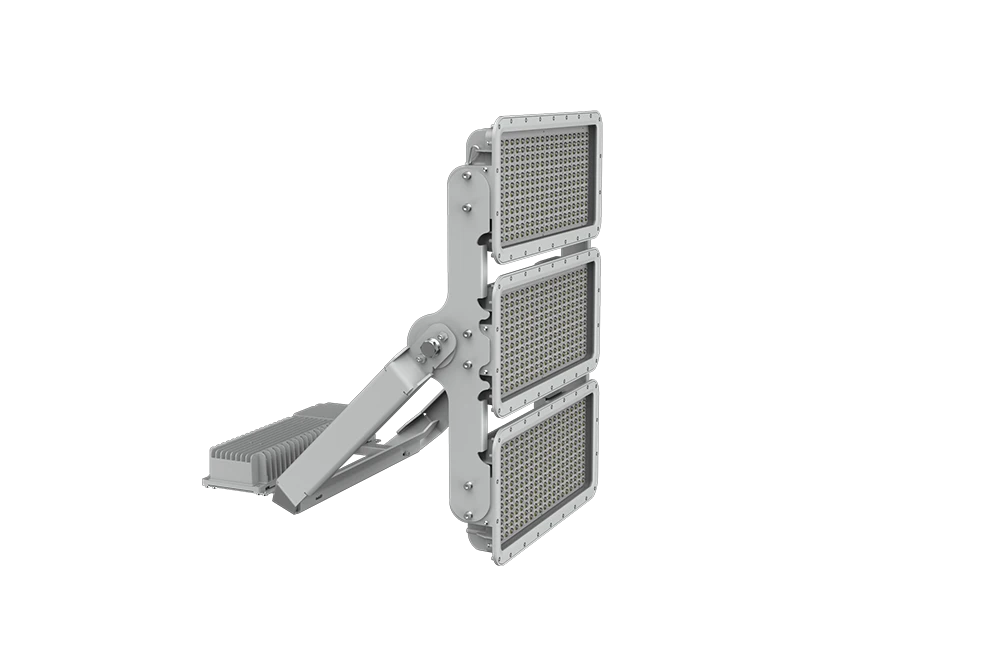
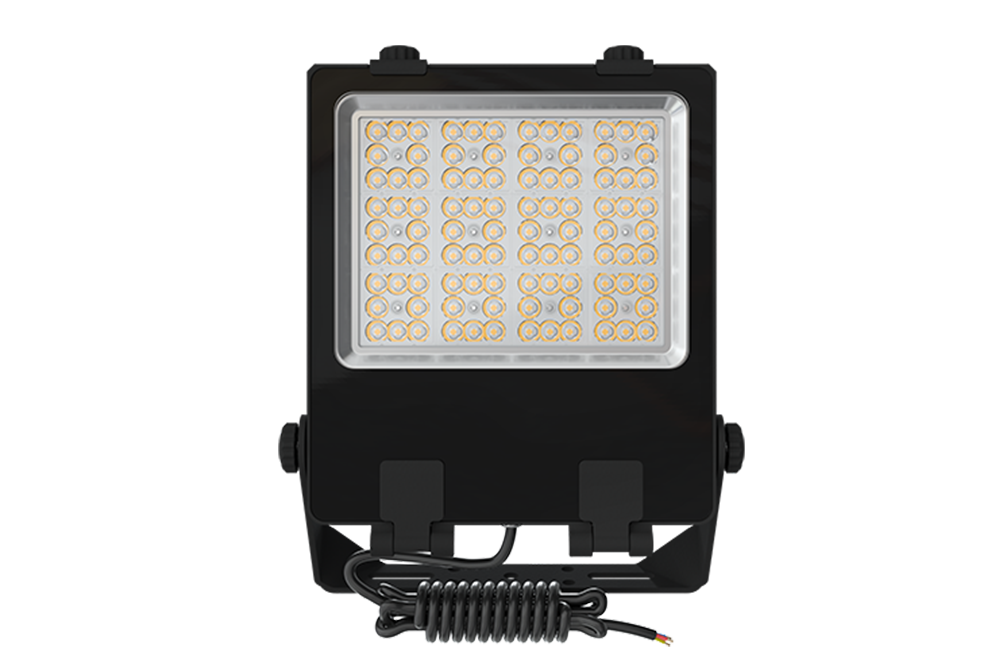
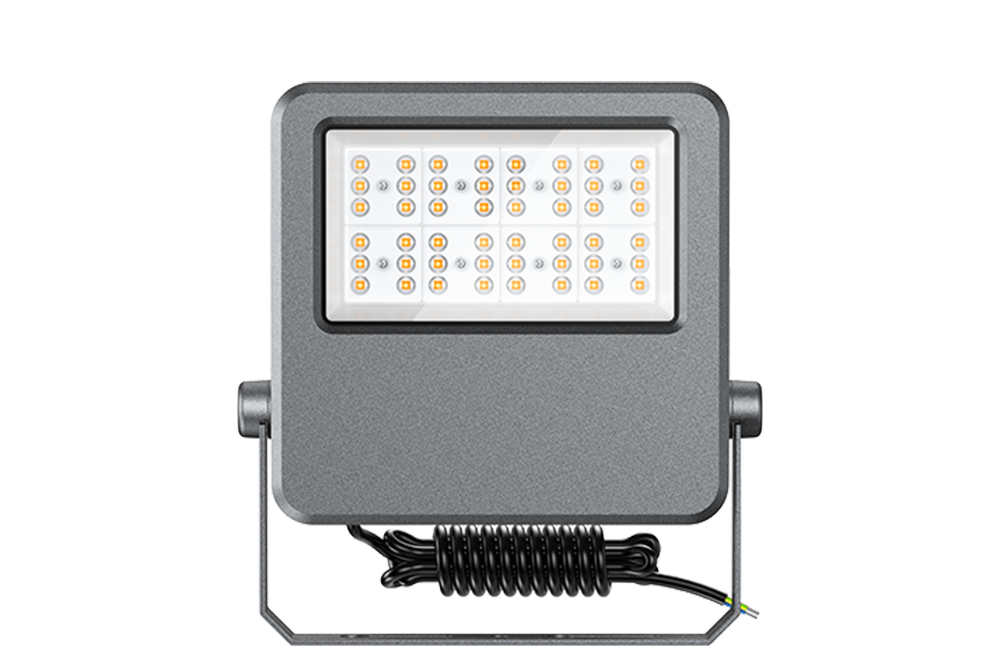
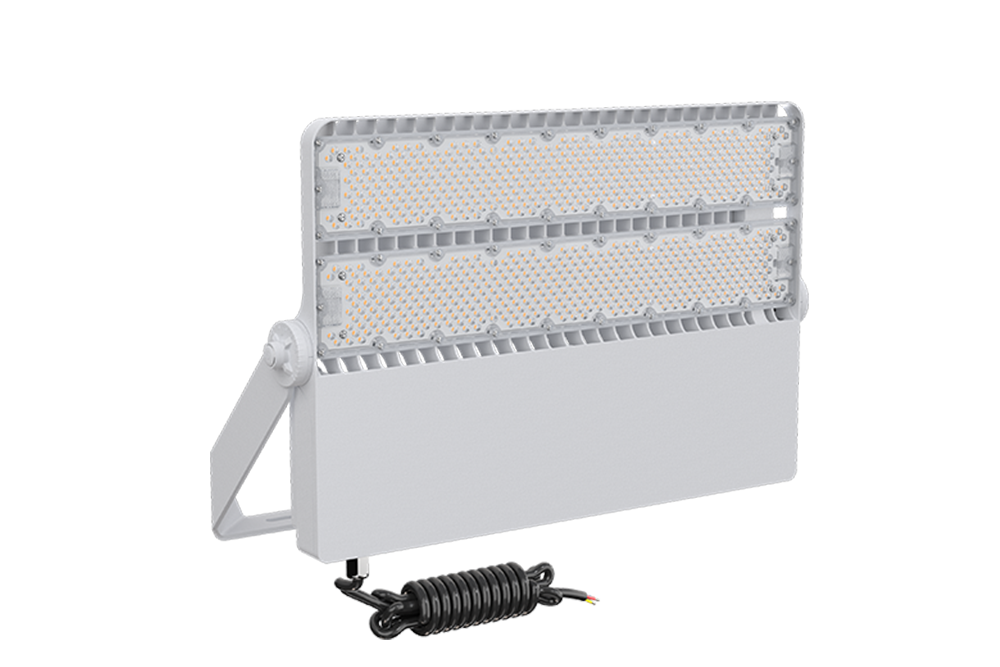
A row of older metal halide lamps might have pushed a circuit close to its limit. Replace them with modern LED Flood Light, and suddenly the panel has breathing room again.
That’s the quiet benefit of efficient lighting.
A Practical Rule Installers Use
When planning installations without doing a full calculation, electricians often rely on a quick rule of thumb.
For 150 watt LED lights:
- 120V circuits → about 1.2–1.4 amps per fixture
- 240V circuits → about 0.6–0.7 amps per fixture
It’s not a perfect number, but it’s accurate enough for early planning.
And when multiple lights are installed, simply multiply that current by the number of fixtures.
More answers
Final Answer
So, how many amps does a 150 watt led light use?
In typical installations:
- around 1.25 amps on a 120-volt circuit
- about 0.63 amps on a 240-volt circuit
Even accounting for driver efficiency and small variations, the current remains very manageable.
That’s why high-output fixtures from SEEKINGLED are widely used for outdoor lighting, parking areas, warehouses, and industrial facilities. The brightness is strong, but the electrical demand stays surprisingly low.
Once people see the numbers in real installations, the question usually disappears.
LED flood light Recommendations
 Seeking LED