 Seeking LED
how to wire flood lights?
0Wire flood lights by isolating the breaker, verifying L/N/E conductors, securing connections in a junction box, and protecting outdoor connections from moist...
View detailsSearch the whole station
An explosion proof lamp is a sealed lighting fixture designed to contain internal sparks or explosions and prevent them from igniting surrounding flammable gases or dust.
That’s the official definition.
But in real facilities, the concern is more practical:
Will it still remain sealed and safe after years of heat, vibration, and corrosion?
From my experience working on refinery retrofits and chemical plant upgrades over the past decade, most failures don’t come from design flaws on paper—they come from how materials behave after 12–24 months in the field.
At a glance, it may look like a heavy-duty industrial light. Internally, it’s engineered with a different priority: containment, not just illumination.
According to the IECEx certification system , explosion-proof equipment must ensure that any internal ignition cannot propagate to the external environment.
The difference becomes obvious under stress.
| Feature | Standard LED | Explosion Proof Lamp |
|---|---|---|
| Housing | Lightweight | Reinforced, thick |
| Sealing | Basic | Multi-layer sealing |
| Certification | General | ATEX / IECEx / UL844 |
| Risk Control | Low | High |
One detail often overlooked:
Weight matters. A properly built explosion proof lamp is noticeably heavier due to reinforced housing.
Refineries are where theory meets reality. Gas is not occasional—it’s always present.
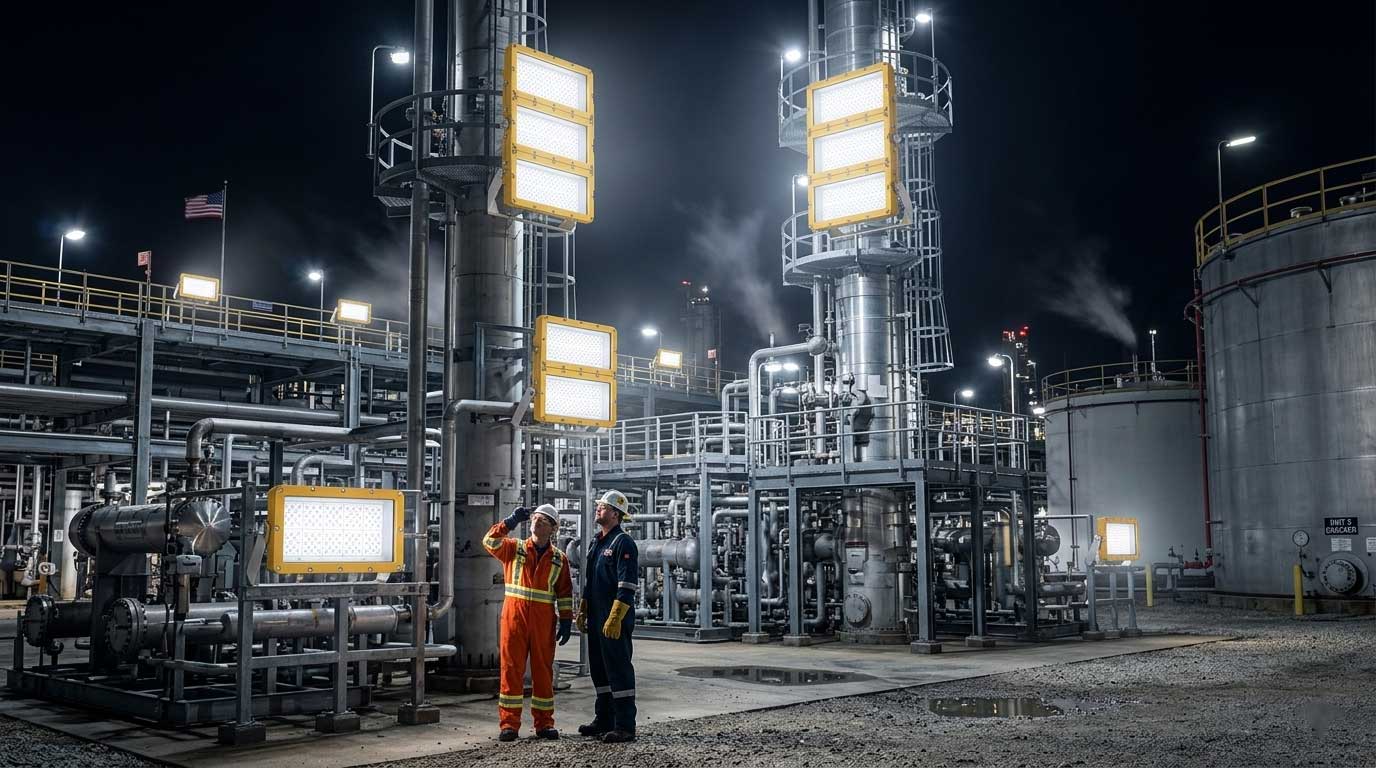
In one retrofit project, we observed micro-condensation forming inside poorly sealed fixtures after temperature cycling. No visible damage at first—but within months, corrosion started internally.
According to the U.S. Department of Energy (DOE):
In one European chemical plant, switching from HID to explosion proof LED lamps reduced maintenance cycles from twice a year to once every two years.
Catalogs won’t tell you this.
Exposure to:
…causes standard gaskets to harden and crack.
Corrosion is slow—and often invisible until failure.
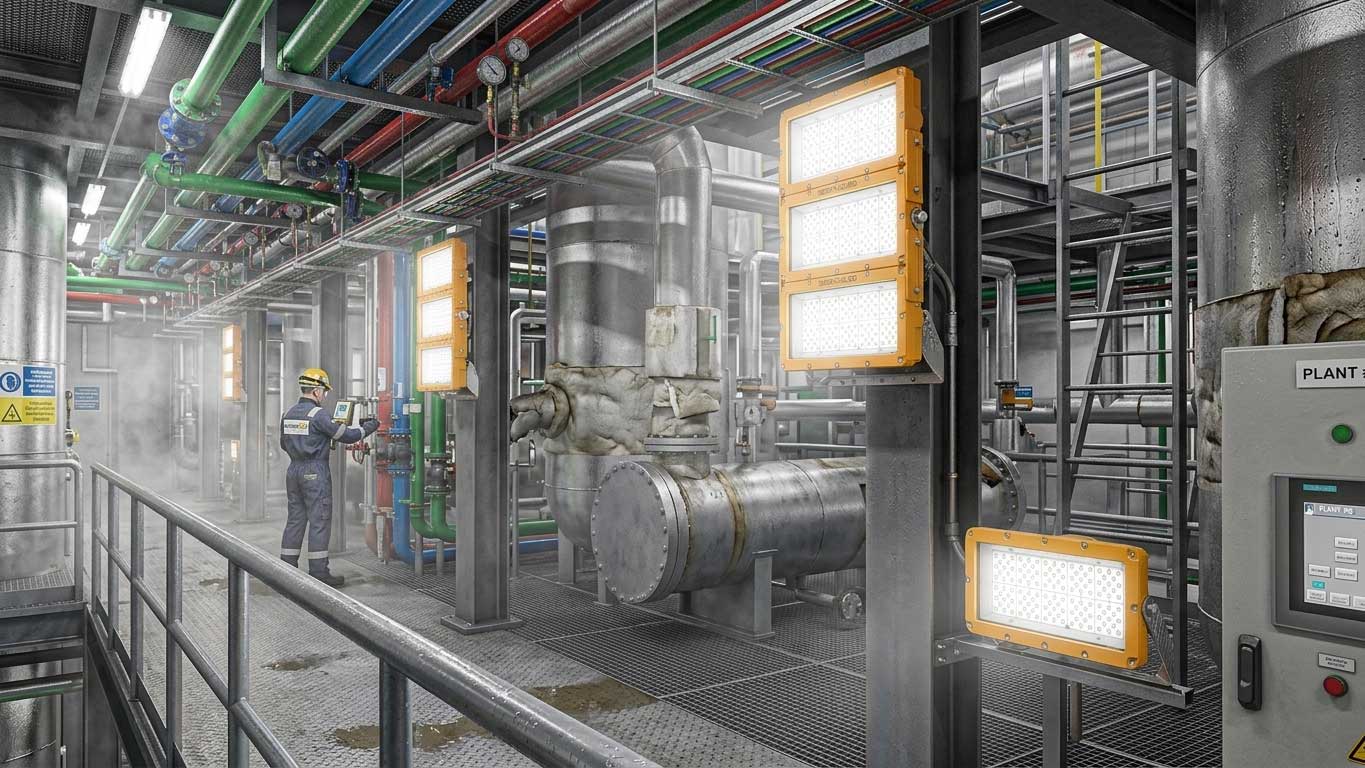
In coastal installations, we’ve seen:
Switching to anti-corrosion coatings extended operational life significantly.
Dust explosions are less visible—but equally dangerous.
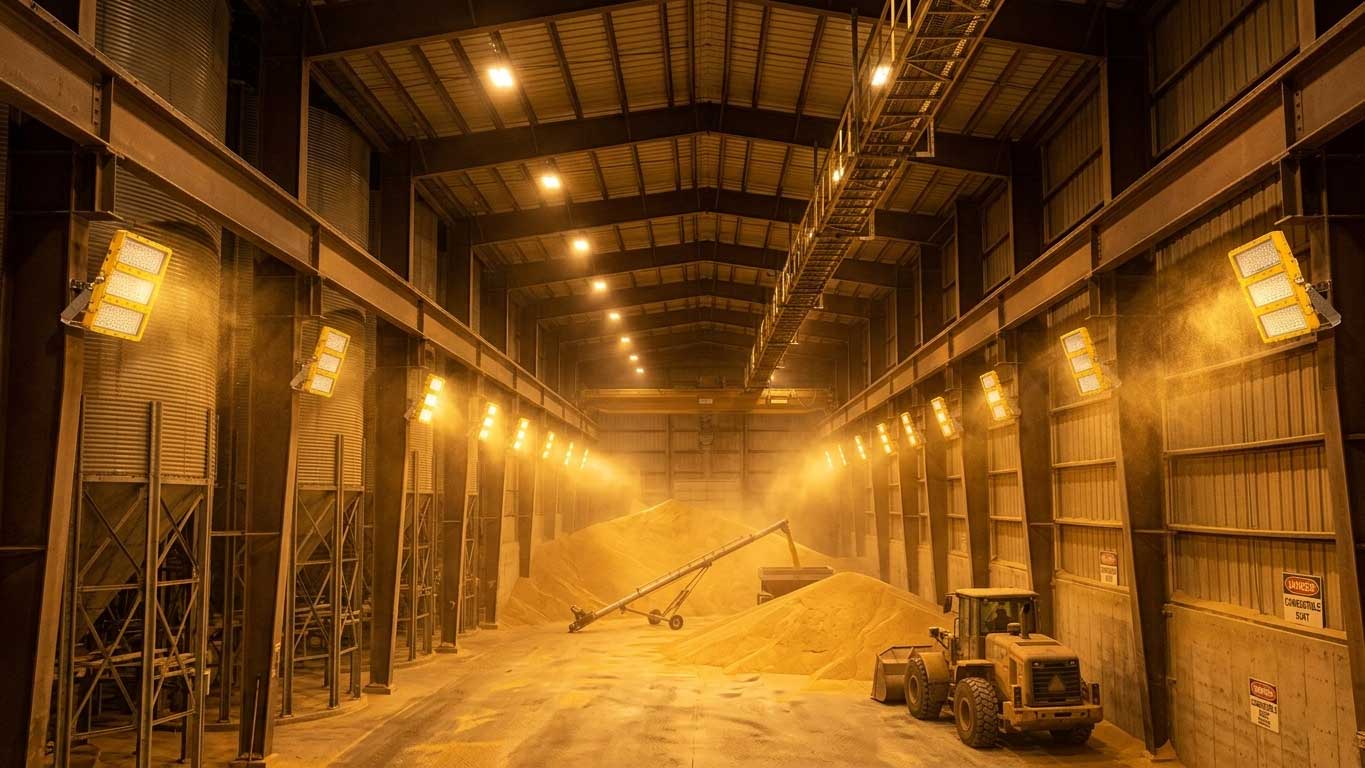
Fine dust can:
| Industry | Key Requirement |
|---|---|
| Oil & Gas | High heat resistance |
| Chemical | Corrosion resistance |
| Marine | Salt spray protection |
| Food/Grain | Dust sealing |
According to the European Commission:
ATEX ensures equipment can safely operate in explosive atmospheres across EU markets.
From actual deployment experience:
In one fuel storage facility project, switching to SEEKINGLED reduced lighting-related maintenance calls by over 50% in the first year.
This article is based on hands-on experience in hazardous lighting system deployment across oil & gas, chemical processing, and industrial facilities.
The author has:
These insights come from real installations, maintenance records, and on-site troubleshooting, not theoretical specifications.
It is used in hazardous environments where flammable gases, vapors, or dust are present, such as refineries and chemical plants.
Yes. Regulations require certified lighting in hazardous locations to prevent ignition risks.
Typically 50,000–100,000 hours depending on environment and build quality.
No. Only certified explosion proof lamps meet safety requirements.
An explosion proof lamp is not just a lighting fixture—it’s a safety barrier.
Most failures don’t happen immediately. They develop slowly:
If those are addressed properly, the system performs reliably for years.
If not, even certified products become hidden risks.
And that’s where explosion proof lamp selection truly matters.
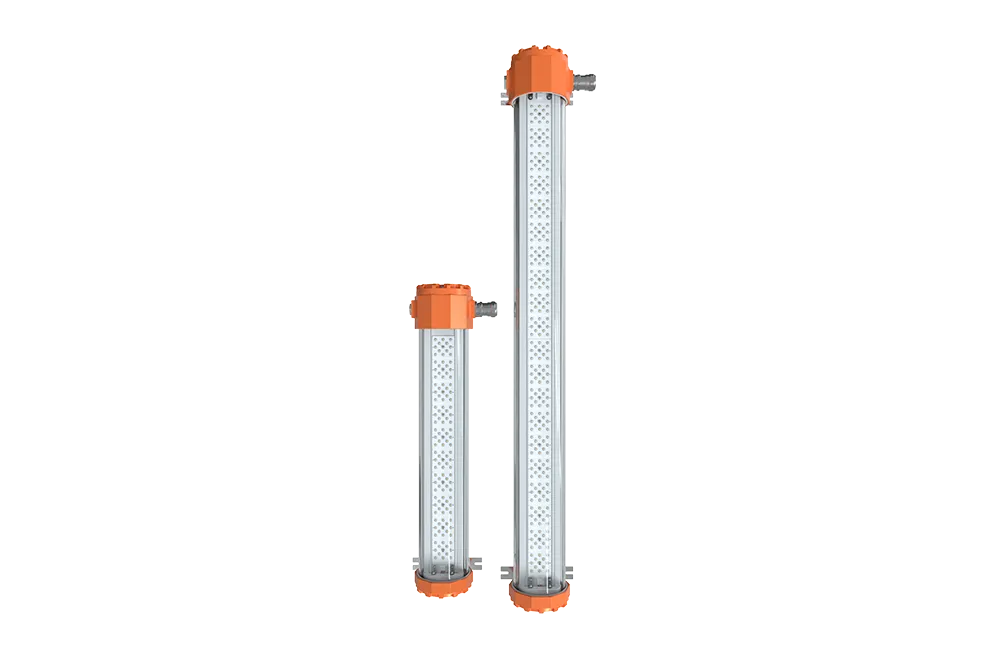
SEEKINGLED LED Linear Explosion Proof Light and Explosion Proof lighting is ATEX and IECEx certified for Zone 1, Zone 2, Zone 21 and Zone 22 hazardous locations, built for long-term industrial use.
View details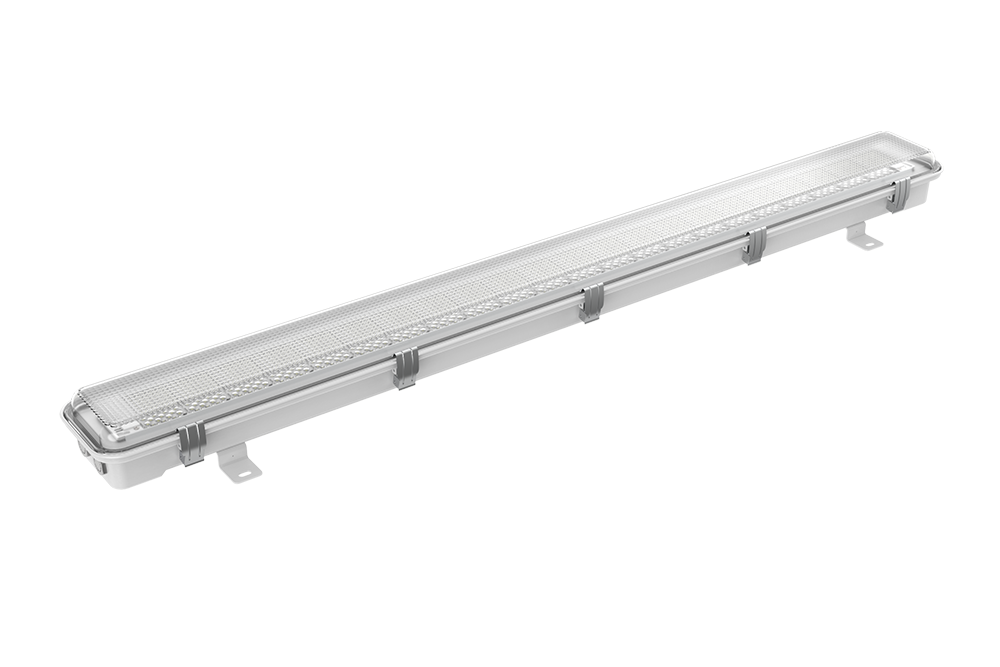
LED Linear Explosion Proof Lights and EX Proof lights for Zone 1, Zone 2, Zone 21 and Zone 22 hazardous areas. ATEX & IECEx certified explosion proof LED linear lighting with emergency function, adjustable power and IP67 protection by SEEKINGLED.
View details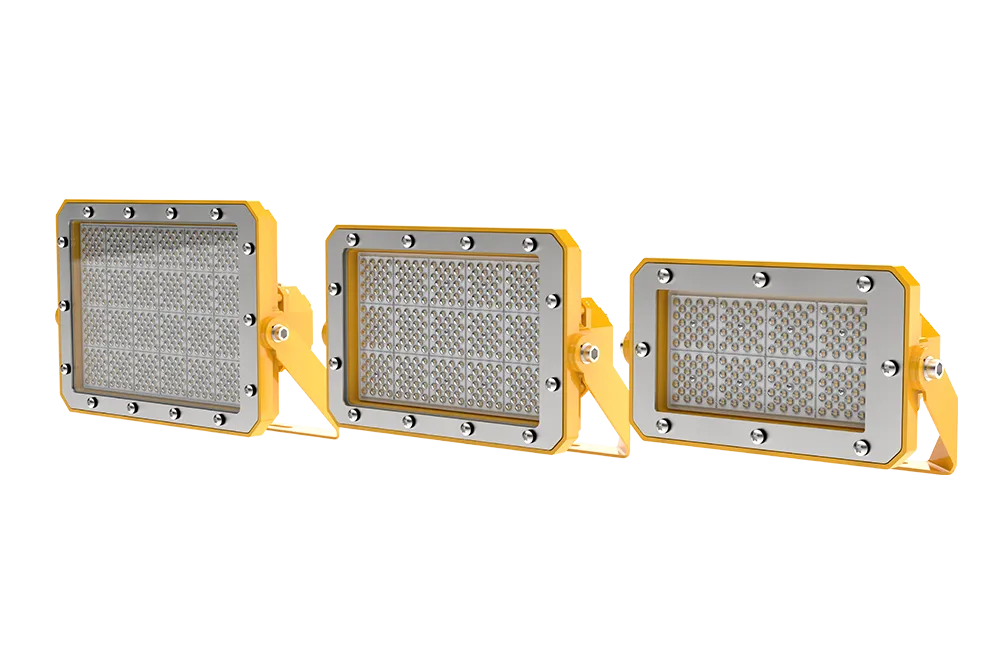
SEEKINGLED LED Explosion Proof Flood Lights are ATEX certified for Zone 2 and Zone 22 hazardous areas, offering high efficiency, adjustable power and integrated junction box.
View details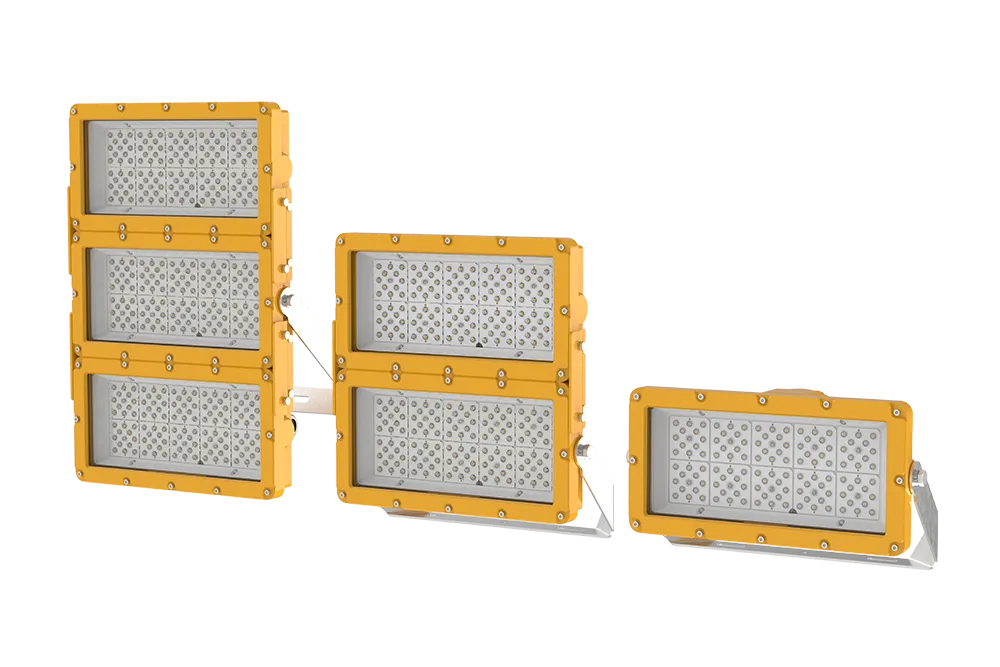
SEEKINGLED LED Explosion Proof Flood Lights are flameproof ATEX and IECEx certified for Zone 1 and Zone 2 hazardous areas, offering high power, adjustable output and long service life.
View details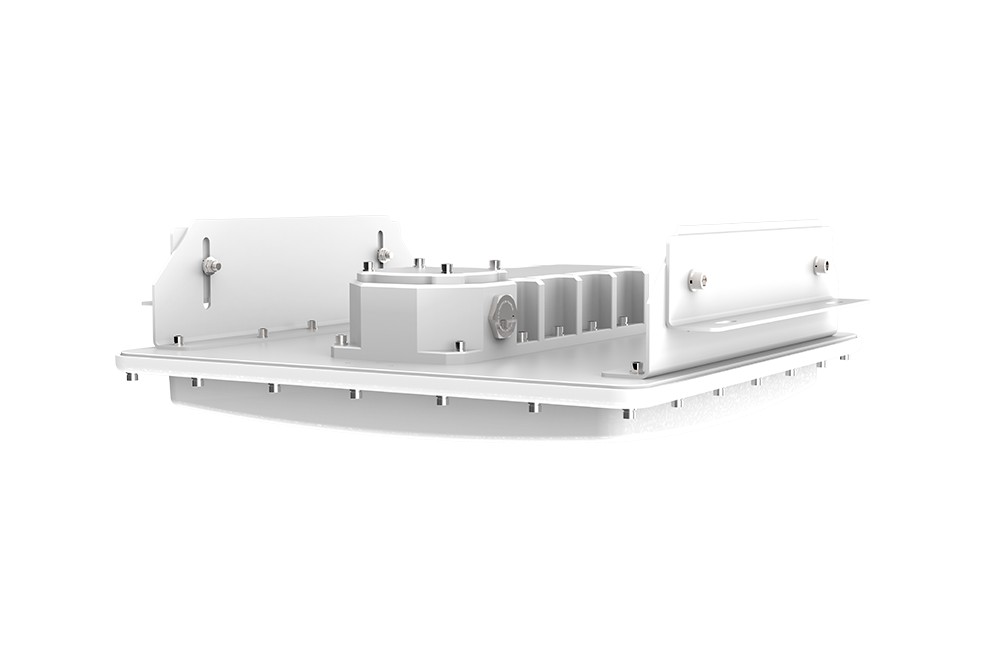
SEEKINGLED LED Gas Station Canopy Lights are ATEX certified for Zone 2 and Zone 22 hazardous areas, featuring adjustable power and built-in explosion-proof junction box.
View details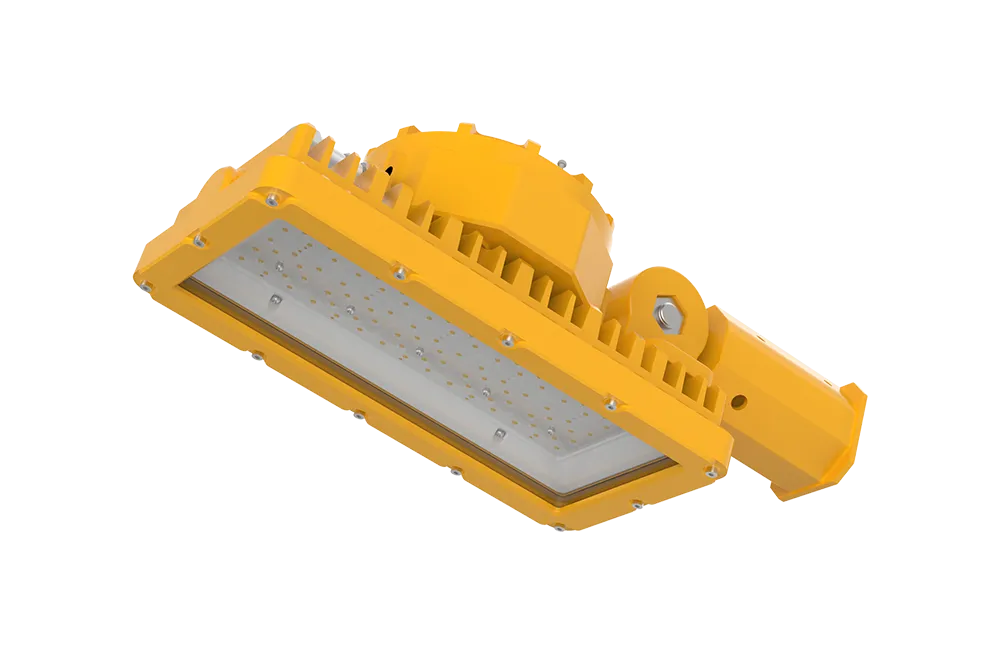
ATEX: Ex II 2G Ex db IIB T6/T5 GbEx II 2D Ex tb IIIC T80°C/ T95°C Db IECEx Ex db IIB T6 Gb;Ex tb IIIC T80°C Db Feature: ● For Zone 1,2 and Zone 21,22● Flameproof type, the strongest● 100W can replace 250W HID,energy saving● Power:60W,80W,100W Application: Oil and gas, marine, Chemical, pharmaceutical, semiconductor,mining,military industr…
View details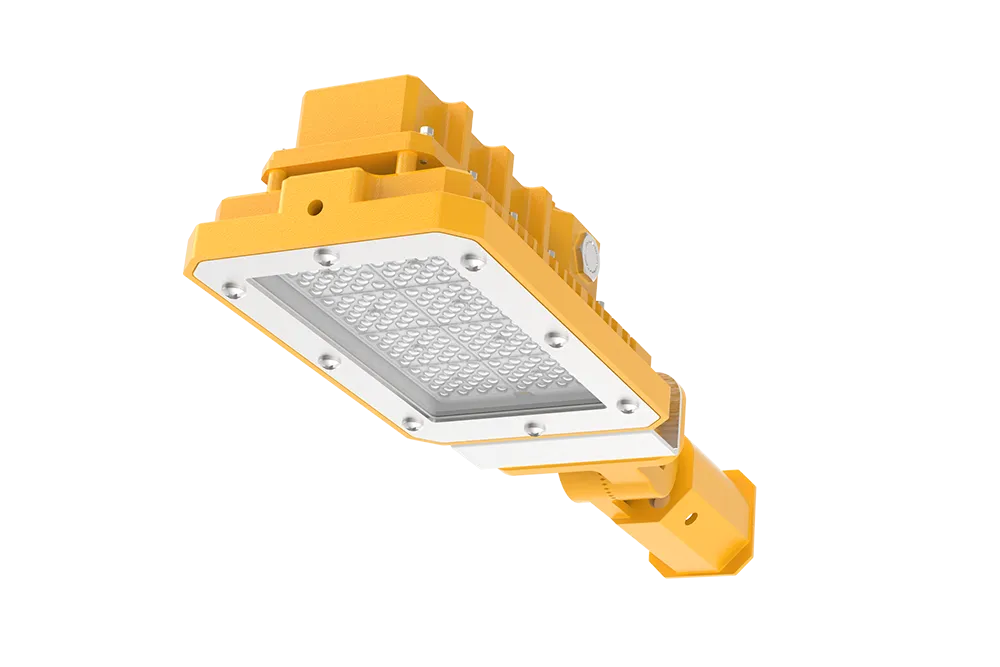
ATEX: II 3G Ex nR ⅡC T5/T6 GcII 3D Ex tc ⅢC T80℃/T95℃Dc ATEX Certificate NO: TÜV CY 26 ATEX 0207611 X Feature: ● For Zone 2 and Zone 22● 150W can replace 250W HID lamps,Energy saving● Power:50W,75W,100W,150W,200W Application: Oil and gas, marine, Chemical, pharmaceutical, semiconductor,mining,military industry, paint booth,power plant ETC…
View details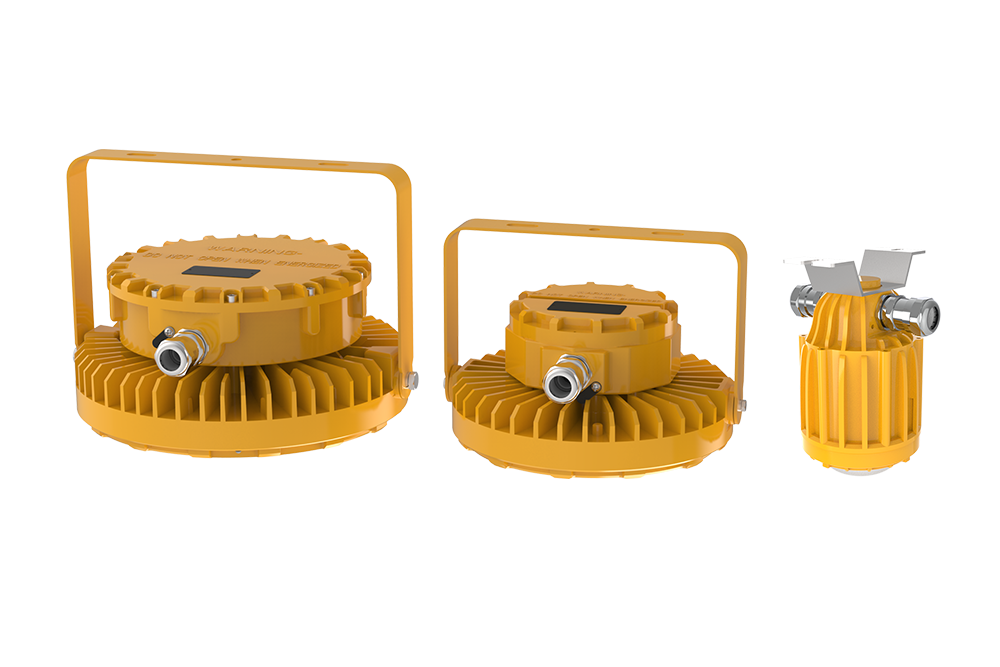
LED explosion proof high bay lights are designed for Zone 1, Zone 2, Zone 21 and Zone 22 hazardous areas. This page introduces the HB21 Series from SEEKING, including certifications, power options and real application considerations.
View details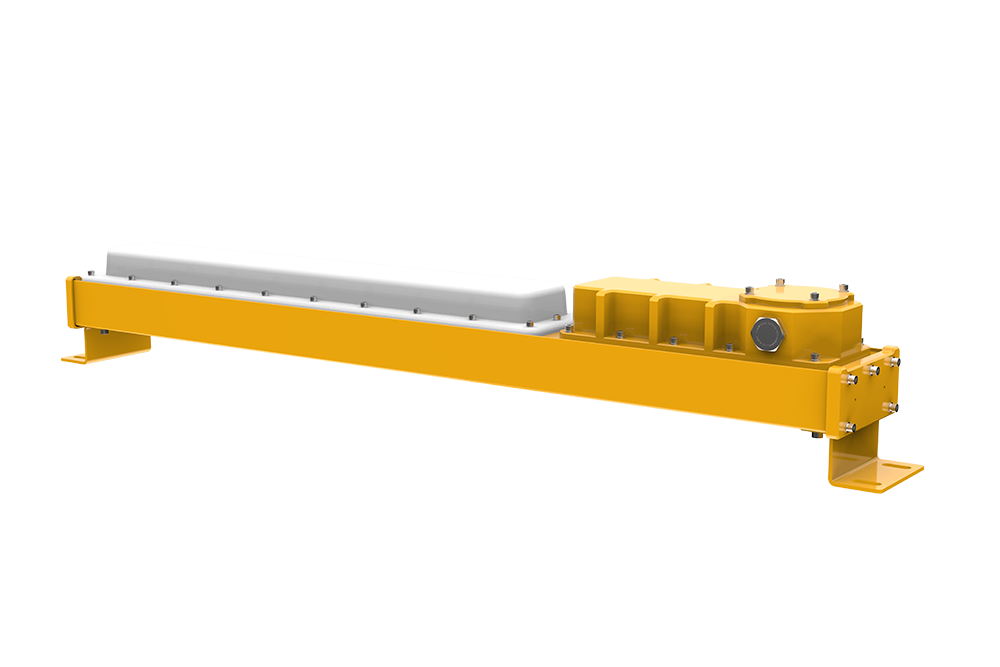
LED Linear Explosion Proof Lights from SEEKINGLED. LU Series Flame Proof lights ATEX-certified explosion proof LED linear lighting for Zone 2 gas and Zone 22 dust areas, IP69K, IK10, long lifetime and flexible power options.
View details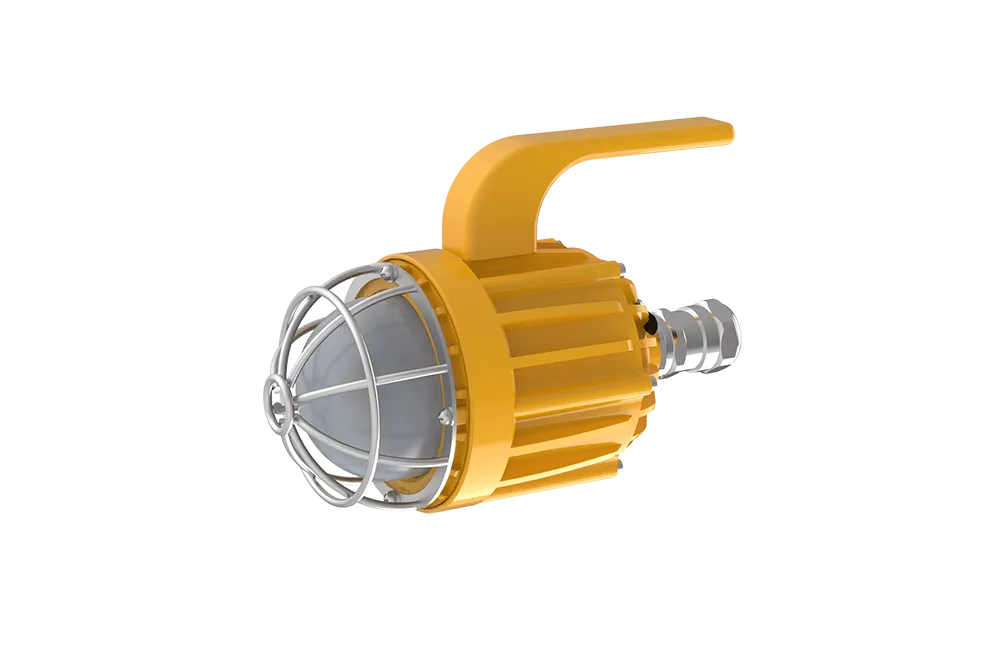
Certified explosion proof work lights for Zone 1 & 21 hazardous areas. Portable, ATEX & IECEx approved, built for oil, gas and chemical plants by SEEKINGLED.
View details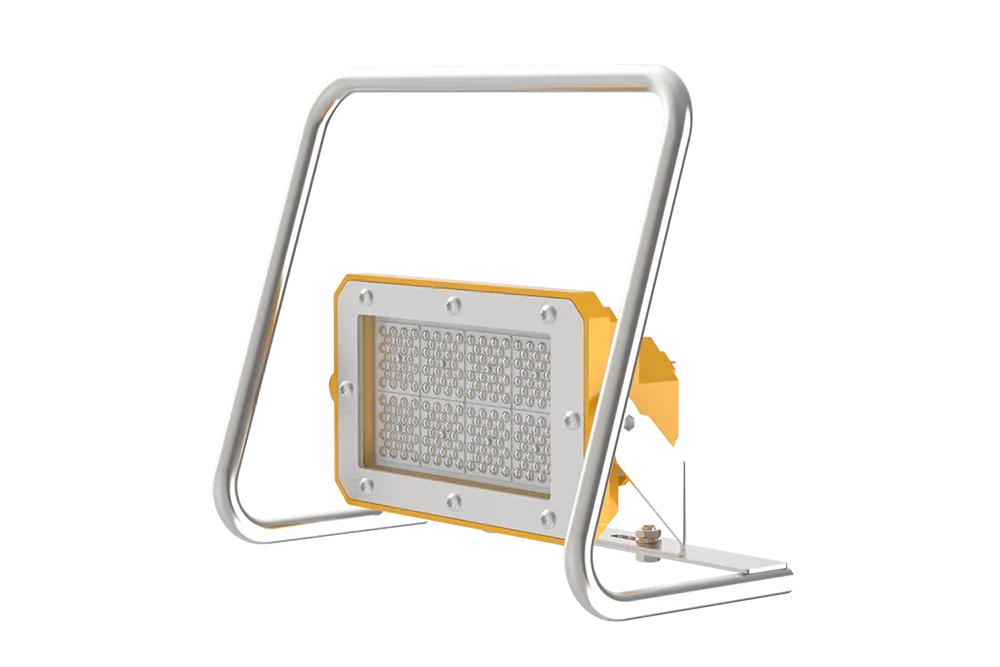
ATEX: II 3G Ex nR ⅡC T6 GcII 3D Ex tc ⅢC T80℃ Dc ATEX Certificate NO: TÜV CY 26 ATEX 0207611 X Feature: ● For Zone 2 and Zone 22● Accepts battery-powered supply● indestructible● Power:AC input:50W,75W,100WDC input:15W,25W,35W Application: Oil and gas, marine, Chemical, pharmaceutical, semiconductor,mining,military industry, paint booth,po…
View details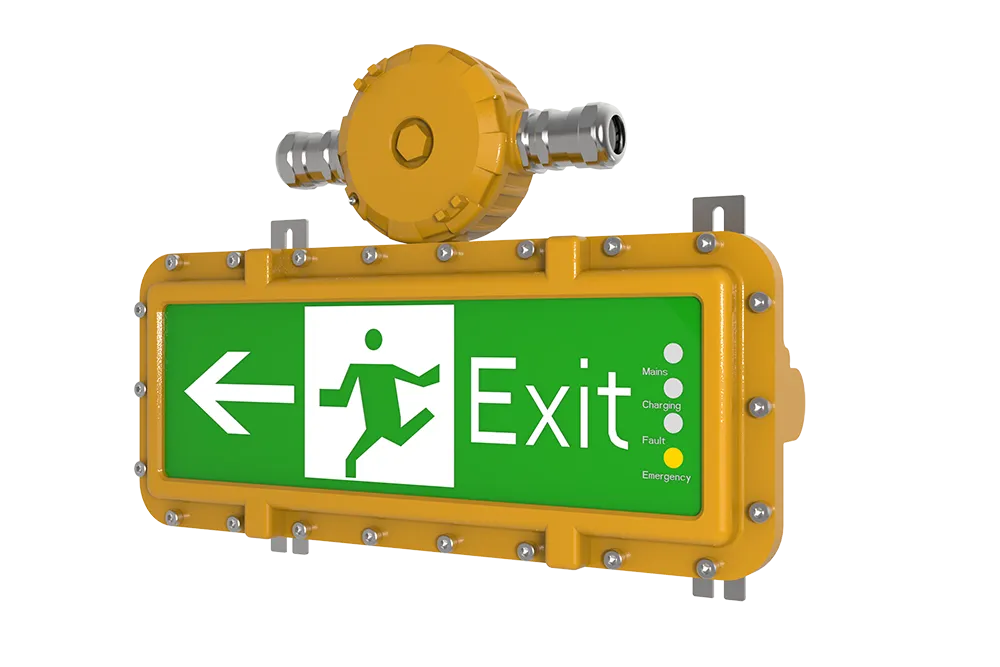
ATEX: Ex II 2G Ex db IIB T6 GbEx II 2D Ex tb IIIC T80°C Db IECEx Ex db IIB T6 Gb;Ex tb IIIC T80°C Db Feature: ● For Zone 1,2 and Zone 21,22● Flameproof type, the strongest Application: Oil and gas, marine, Chemical, pharmaceutical, semiconductor,mining,military industry, paint booth,power plant ETC hazardous area. Technical Specifications:…
View details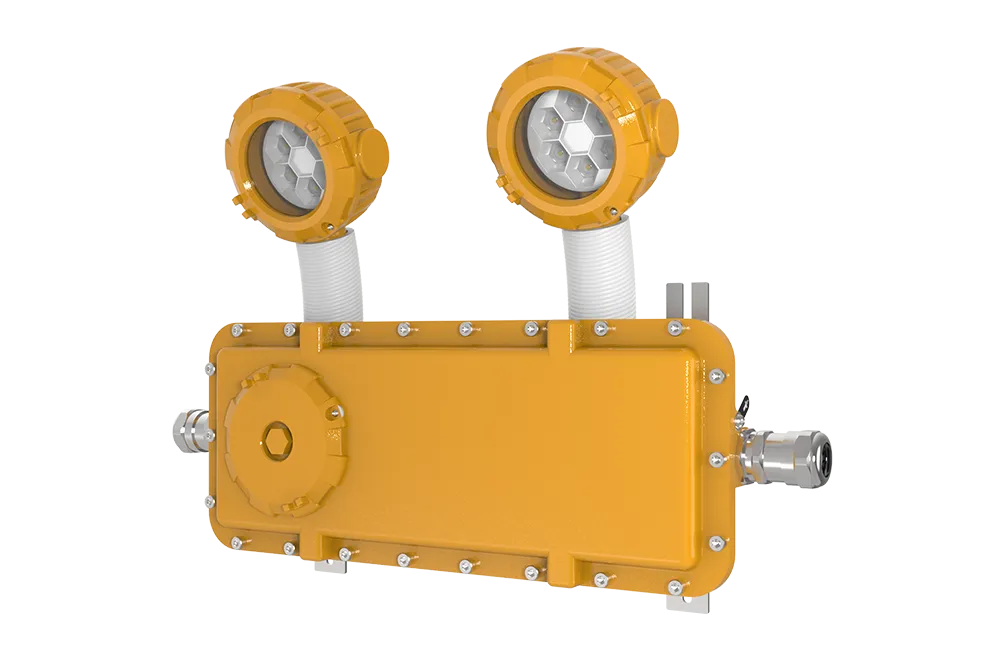
ATEX: Ex II 2G Ex db IIB T6 GbEx II 2D Ex tb IIIC T80°C Db IECEx Ex db IIB T6 Gb;Ex tb IIIC T80°C Db Feature: ● For Zone 1,2 and Zone 21,22● Flameproof type, the strongest Application: Oil and gas, marine, Chemical, pharmaceutical, semiconductor,mining,military industry, paint booth,power plant ETC hazardous area. Technical Specifications:…
View details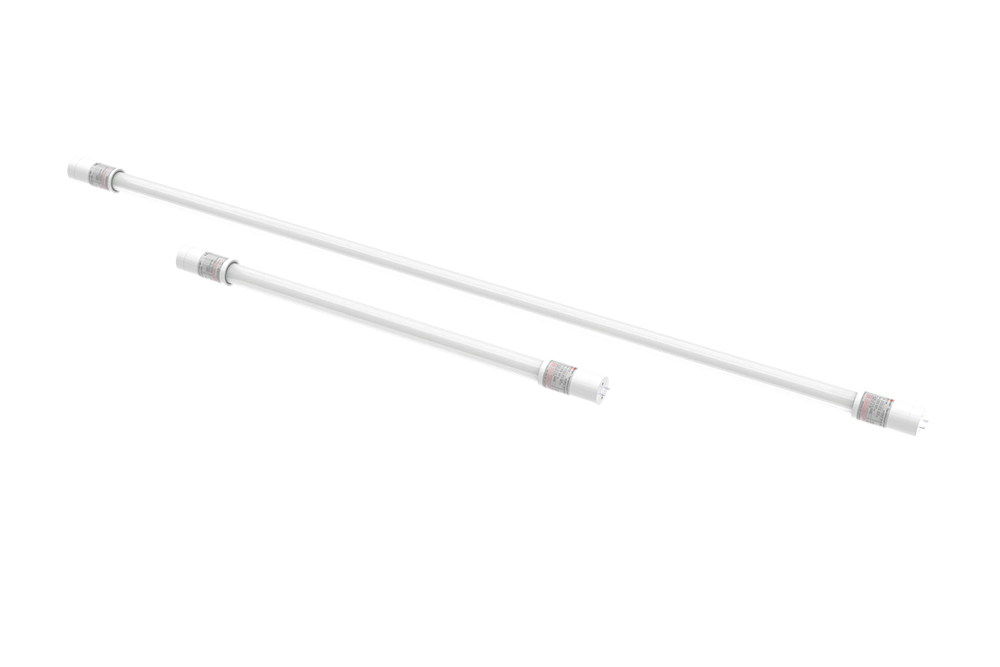
ATEX: Ex II 2G Ex d e IIB T6 Gb ATEX: Ex d e IIB T6 Gb; Feature: ● For Zone 1,2● 9W can replace 18W fluorescent lamps,50% Energy saving Application: Oil and gas, marine, Chemical, pharmaceutical, semiconductor,mining,military industry, paint booth,power plant ETC hazardous area. Technical Specifications: Standards:60079-0, 60079-1, 60079…
View details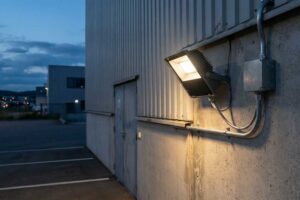
Wire flood lights by isolating the breaker, verifying L/N/E conductors, securing connections in a junction box, and protecting outdoor connections from moist...
View details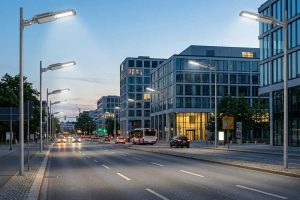
Discover how 200 watt street light solutions improve road safety and cut energy costs. Field-tested insights, real data, and durable design by SEEKINGLED.
View details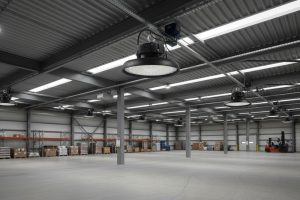
How many LED high bay lights do I need for my space? This page explains how LED high bay quantity is usually estimated based on ceiling height, area size, lumen output, and real working conditions.
View details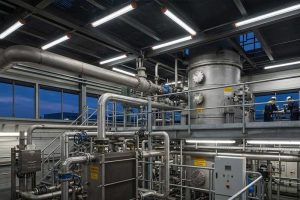
Need a certified explosion proof light fixture? SEEKINGLED delivers durable, compliant lighting for oil, gas, and chemical hazardous areas.
View details