 Seeking LED
Are LED Street Lights Better?
276Are LED street lights better for cities and roads? This guide explains real advantages, limits, and when LED street lighting actually performs better.
View detailsSearch the whole station
Explosion-proof light fixtures are specially engineered luminaires designed to prevent ignition in environments containing flammable gases, vapors, combustible dust, or volatile chemicals. Instead of resisting external explosions, these fixtures contain internal sparks, arcs, or heat so surrounding hazardous atmospheres cannot ignite.
That distinction matters more than most buyers realize.
Years ago, during a retrofit inspection at a coastal petrochemical terminal, I stood beside a row of heavily corroded industrial lights mounted above fuel transfer pumps. The fixtures still illuminated the area. From a distance, they looked operational. But once the covers came off, corrosion had compromised sealing surfaces, cable glands, and flame paths.
The dangerous part? Nobody noticed during routine maintenance.
That project permanently changed how I evaluate hazardous-location lighting systems.
Industrial explosions rarely start with dramatic failures.
Most ignition events begin quietly:
According to the U.S. Chemical Safety and Hazard Investigation Board (CSB), combustible vapor and dust explosions continue to cause severe industrial accidents globally.
Source: https://www.csb.gov/
The National Fire Protection Association (NFPA) also requires hazardous environments to use certified electrical equipment under NEC hazardous location standards.
Source: https://www.nfpa.org/
Explosion-proof light fixtures exist because conventional luminaires cannot safely operate in these environments.
Most explosion-proof light fixtures use flameproof protection methods known as Ex d.
The idea is mechanical, not magical.
If gas enters the fixture and ignites internally:
This requires:
The fixture housing itself becomes part of the safety system.
That’s why true explosion-proof fixtures feel dramatically heavier than commercial LEDs.
Sparks are not the only danger.
Hot surfaces alone can ignite gases.
That’s why hazardous fixtures carry T-ratings:
| Temperature Class | Maximum Surface Temperature |
|---|---|
| T1 | 450°C |
| T2 | 300°C |
| T3 | 200°C |
| T4 | 135°C |
| T5 | 100°C |
| T6 | 85°C |
Modern petrochemical projects commonly require T4 or better.
SEEKINGLED hazardous-area fixtures are frequently engineered for controlled thermal performance in demanding industrial environments.
Class I areas contain:
Common examples include:
| Classification | Hazard Presence |
|---|---|
| Division 1 | Hazard exists during normal operation |
| Division 2 | Hazard appears only during abnormal conditions |
Division 1 environments require the highest protection level.
I’ve seen facilities underestimate this distinction and attempt to install standard industrial fixtures near classified solvent systems. Inspection teams rejected the entire lighting installation before startup.
That delay alone cost weeks of commissioning time.
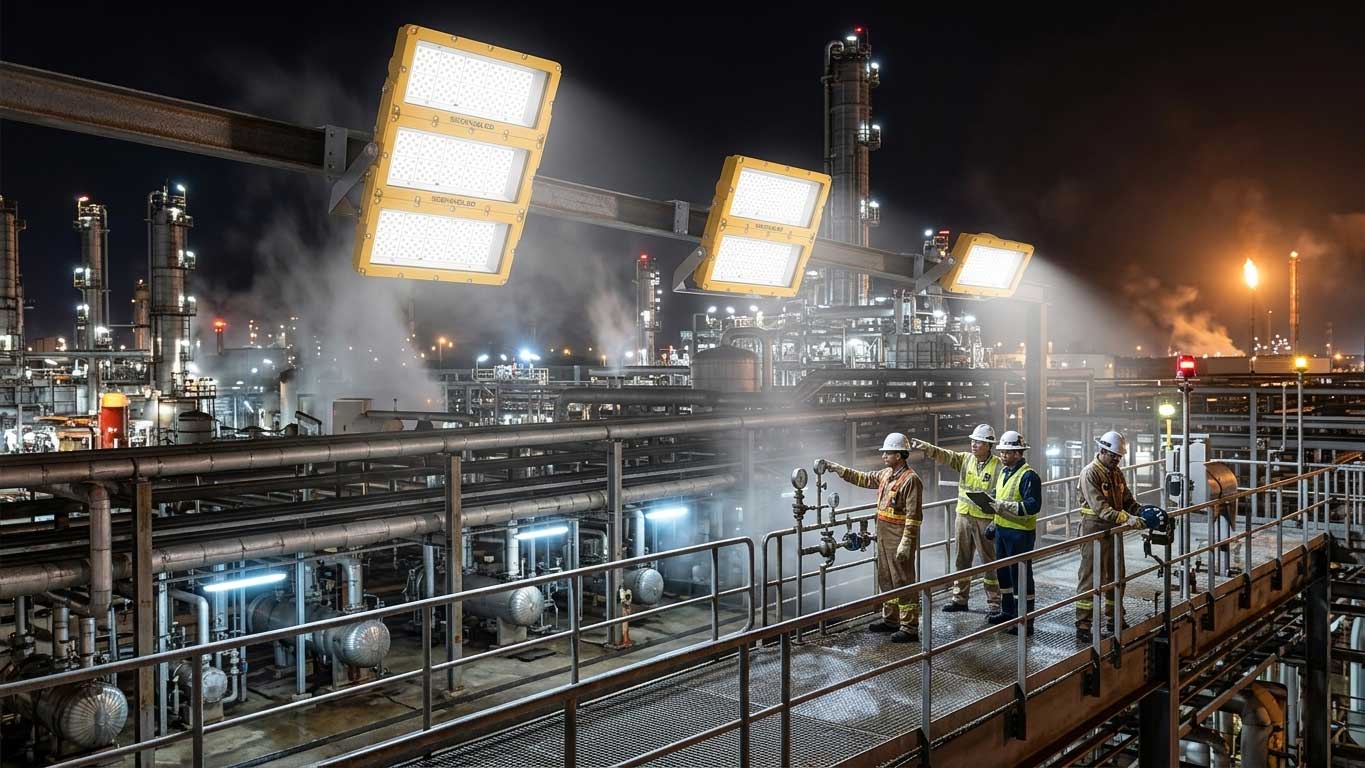
Contains internal explosions safely.
Most common for:
Designed to prevent sparks or overheating.
Commonly used for:
Electrical components are sealed in resin compounds.
Commonly applied to:
Used primarily in lower-risk Zone 2 environments.
Provides:
Modern LED fixtures often combine multiple protection methods simultaneously.
Older hazardous fixtures relied heavily on HID lamps.
Problems included:
LED systems improved all of these issues.
According to the U.S. Department of Energy, LED lighting can significantly reduce industrial lighting energy consumption while improving operational lifespan.
Source: https://www.energy.gov/eere/ssl/led-lighting
Real-world benefits include:
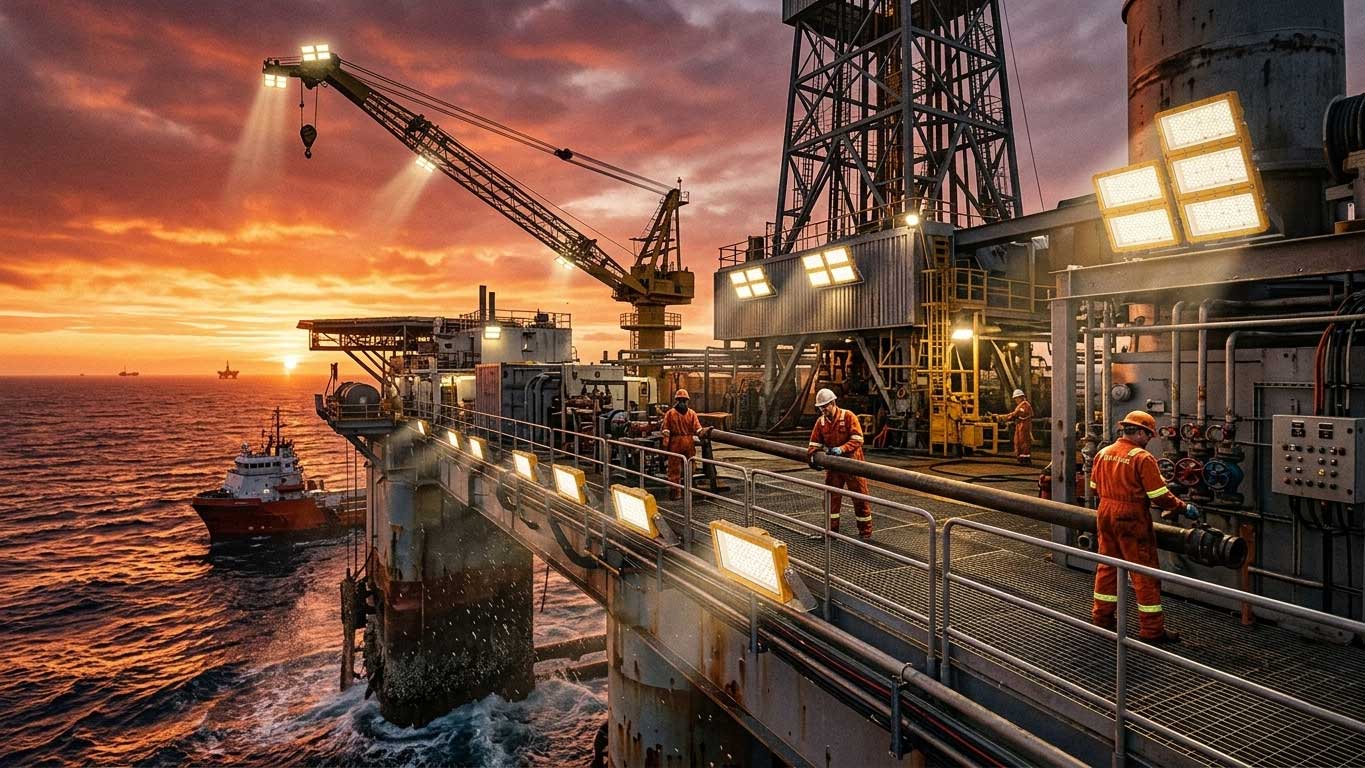
On offshore platforms, reducing maintenance visits alone can justify LED retrofits.
Most hazardous facilities also contain:
Corrosion slowly destroys poorly designed fixtures.
Especially offshore.
I once inspected marine fixtures less than two years old where stainless fasteners had already seized due to poor coating quality. Maintenance crews eventually had to cut entire housings open.
That’s an expensive lesson.
SEEKINGLED hazardous fixtures commonly use:
In many projects, corrosion resistance becomes just as important as explosion certification.
Explosion-proof certification proves the fixture passed testing for:
Common certifications include:
| Certification | Region |
|---|---|
| ATEX | European Union |
| IECEx | International |
| UL844 | United States |
| CSA | Canada |
Using uncertified equipment in hazardous areas can immediately fail inspections.
And regulators do inspect these details carefully.
Used for:
Provide large-area illumination.
Common in:
Offer uniform illumination across narrow spaces.
Used in:
Designed for high mounting heights.
Critical during:
Often integrated with battery backup systems.
An IP66 rating only measures dust and water resistance.
It does not certify ignition protection.
This mistake happens constantly online.
Hazardous fixtures must match gas classifications:
| Gas Group | Example |
|---|---|
| IIA | Propane |
| IIB | Ethylene |
| IIC | Hydrogen |
Hydrogen environments require the strictest protection standards.
One overlooked maintenance issue:
Replacing certified cable glands or drivers with generic components.
That can instantly void hazardous certification.
I’ve seen inspection teams flag this repeatedly during refinery audits.
Explosion-proof light fixtures are certified luminaires designed to prevent ignition in hazardous areas containing flammable gases, vapors, or combustible dust.
Most are highly sealed against water and dust, but waterproof ratings alone do not equal hazardous certification.
Yes. Modern hazardous lighting systems widely use LEDs due to lower heat generation and improved efficiency.
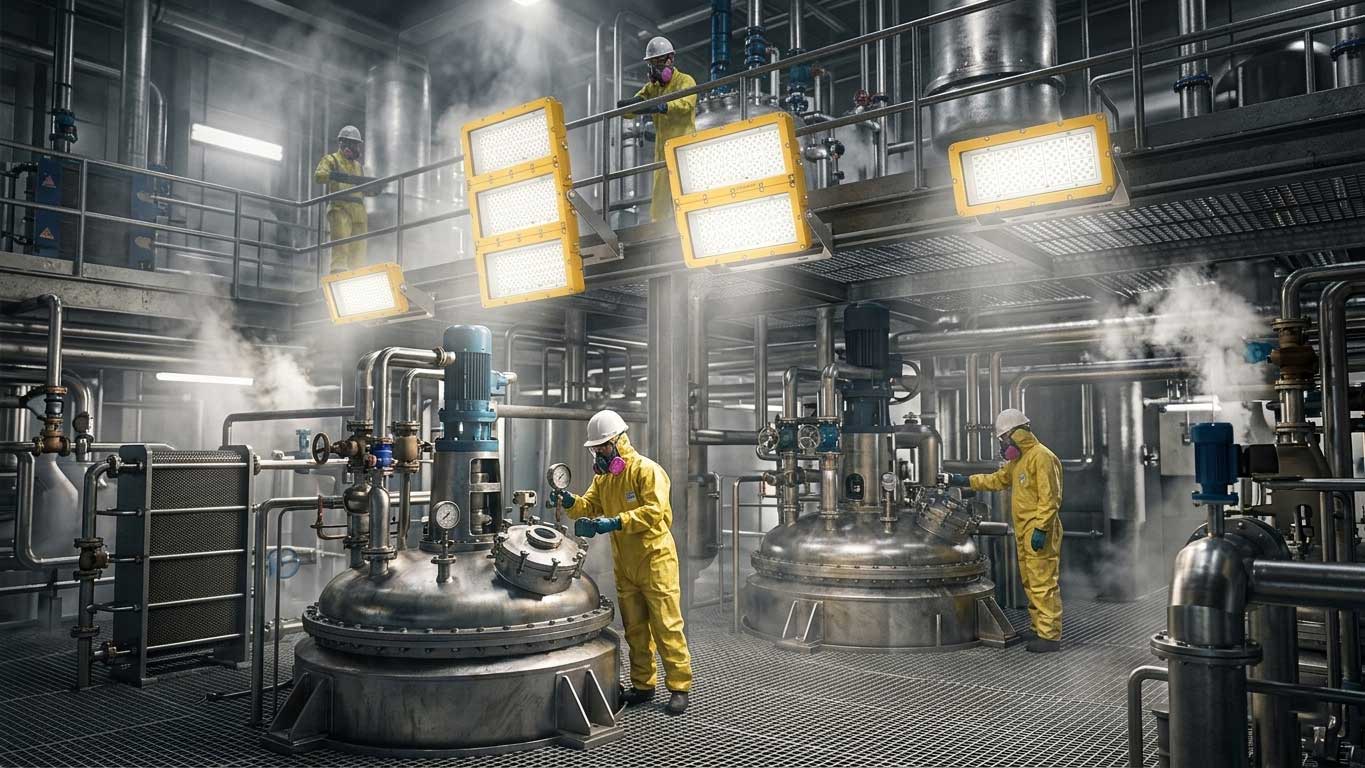
Common industries include:
Requirements vary by region and application, but common standards include ATEX, IECEx, UL844, and CSA.
SEEKINGLED designs hazardous-location lighting systems for:
Key features include:
These fixtures are engineered for environments where lighting reliability directly impacts industrial safety.
Author: Daweiboss
Brand: SEEKINGLED
Daweiboss specializes in explosion-proof LED lighting systems for hazardous industrial environments including offshore platforms, petrochemical plants, marine terminals, chemical facilities, and heavy manufacturing infrastructure. His work includes hazardous-location compliance consulting, industrial retrofit engineering, ATEX-certified lighting deployment, and explosion-proof LED system design for global industrial projects.
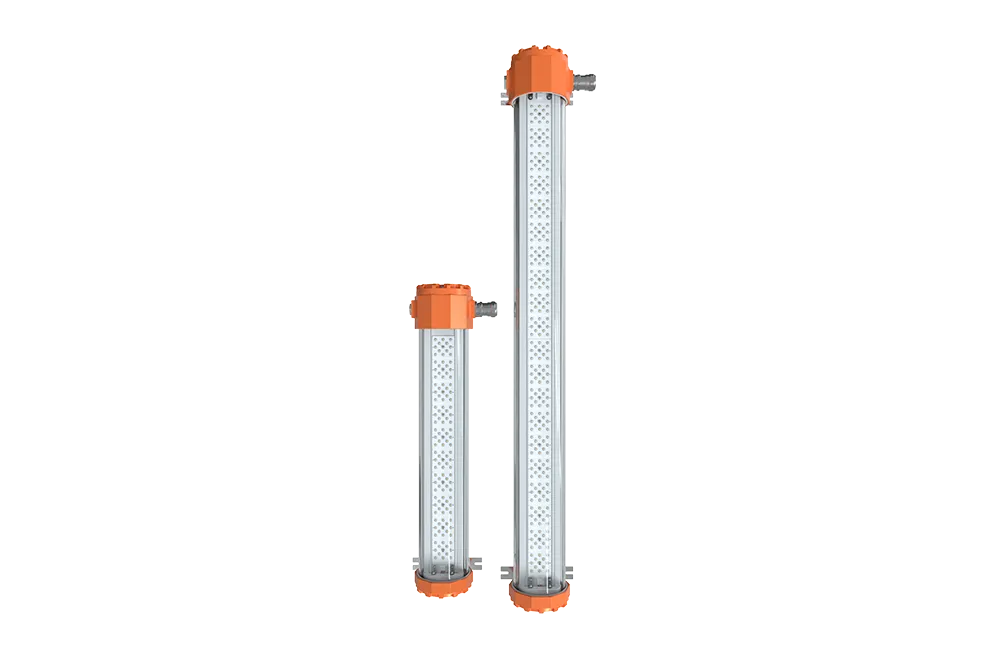
SEEKINGLED LED Linear Explosion Proof Light and Explosion Proof lighting is ATEX and IECEx certified for Zone 1, Zone 2, Zone 21 and Zone 22 hazardous locations, built for long-term industrial use.
View details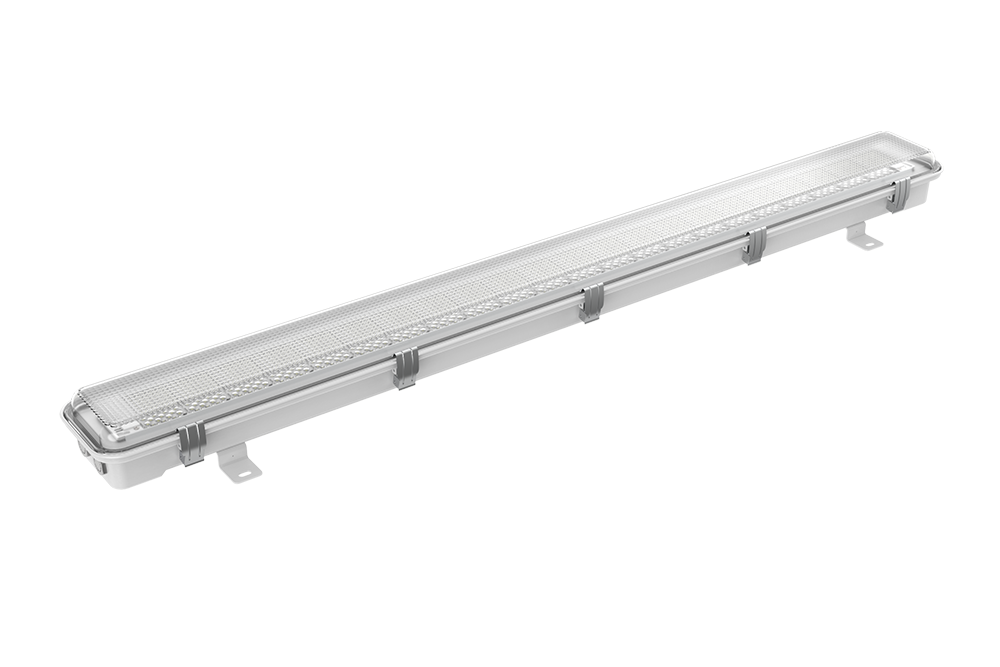
LED Linear Explosion Proof Lights and EX Proof lights for Zone 1, Zone 2, Zone 21 and Zone 22 hazardous areas. ATEX & IECEx certified explosion proof LED linear lighting with emergency function, adjustable power and IP67 protection by SEEKINGLED.
View details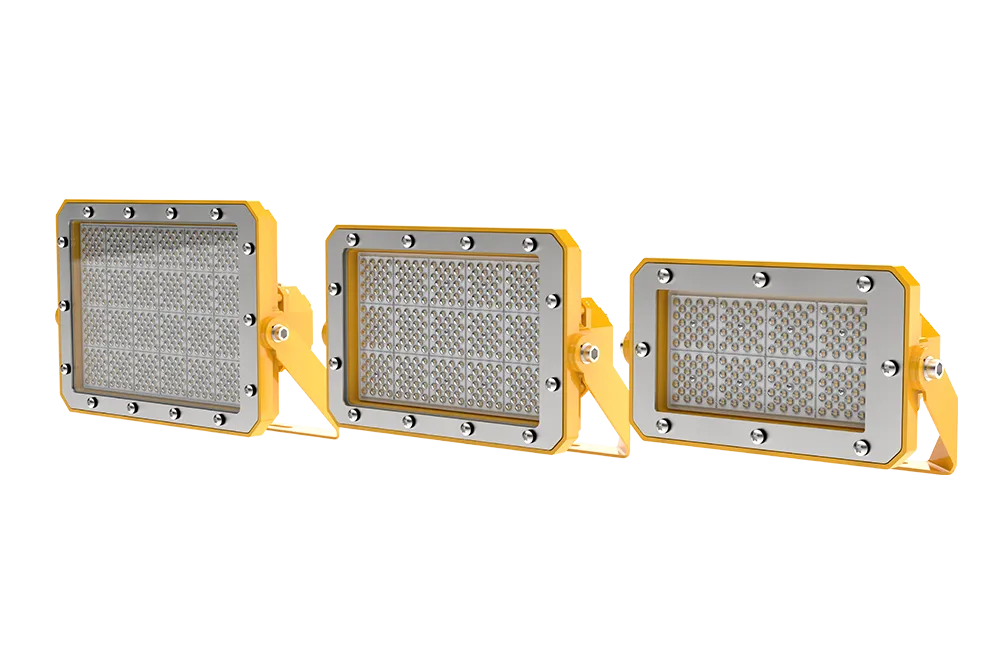
SEEKINGLED LED Explosion Proof Flood Lights are ATEX certified for Zone 2 and Zone 22 hazardous areas, offering high efficiency, adjustable power and integrated junction box.
View details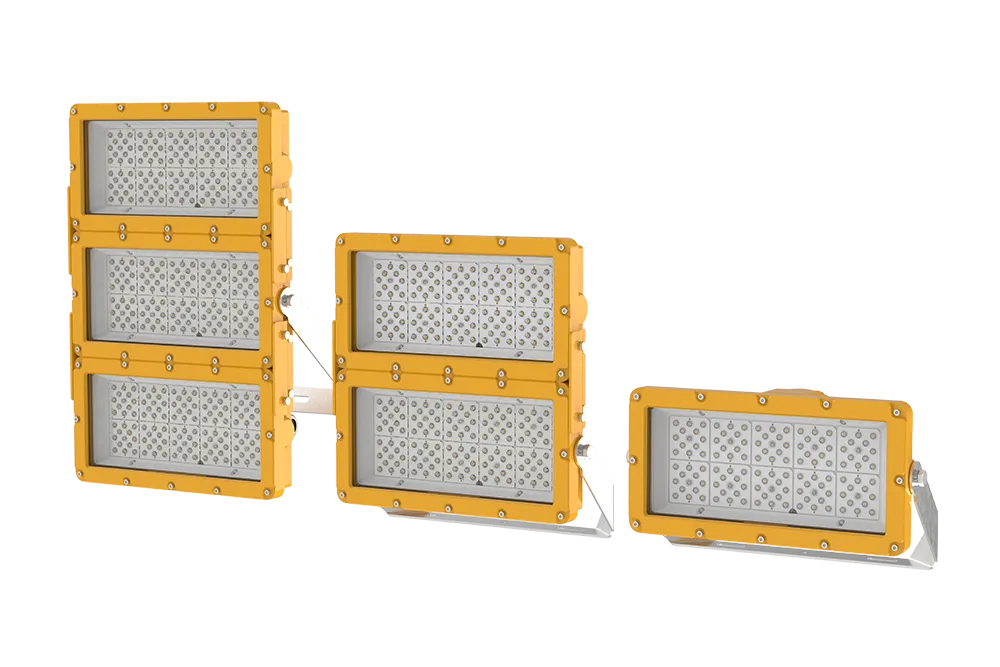
SEEKINGLED LED Explosion Proof Flood Lights are flameproof ATEX and IECEx certified for Zone 1 and Zone 2 hazardous areas, offering high power, adjustable output and long service life.
View details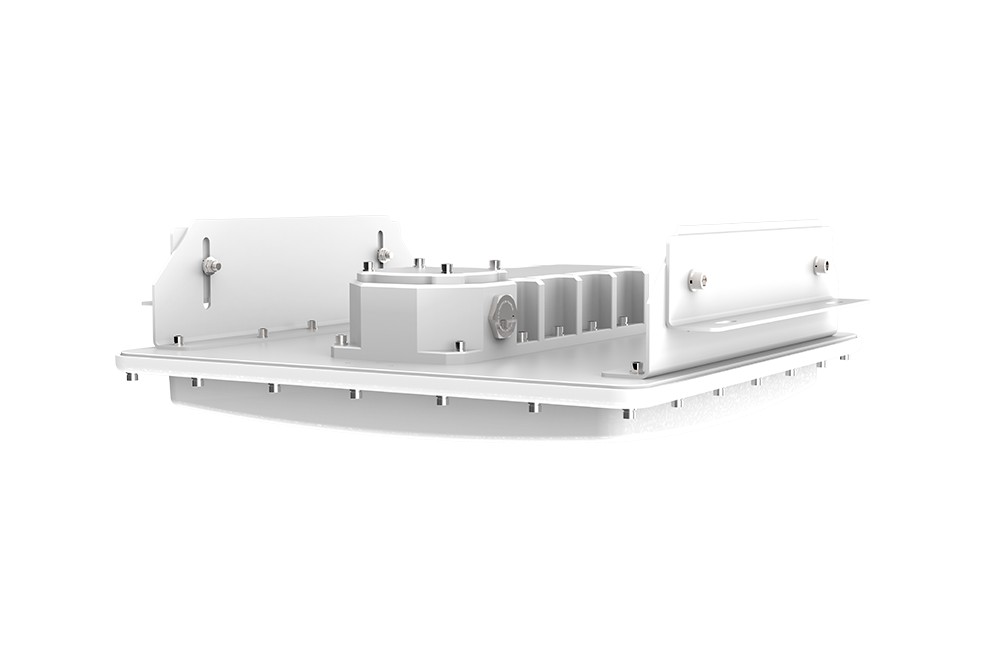
SEEKINGLED LED Gas Station Canopy Lights are ATEX certified for Zone 2 and Zone 22 hazardous areas, featuring adjustable power and built-in explosion-proof junction box.
View details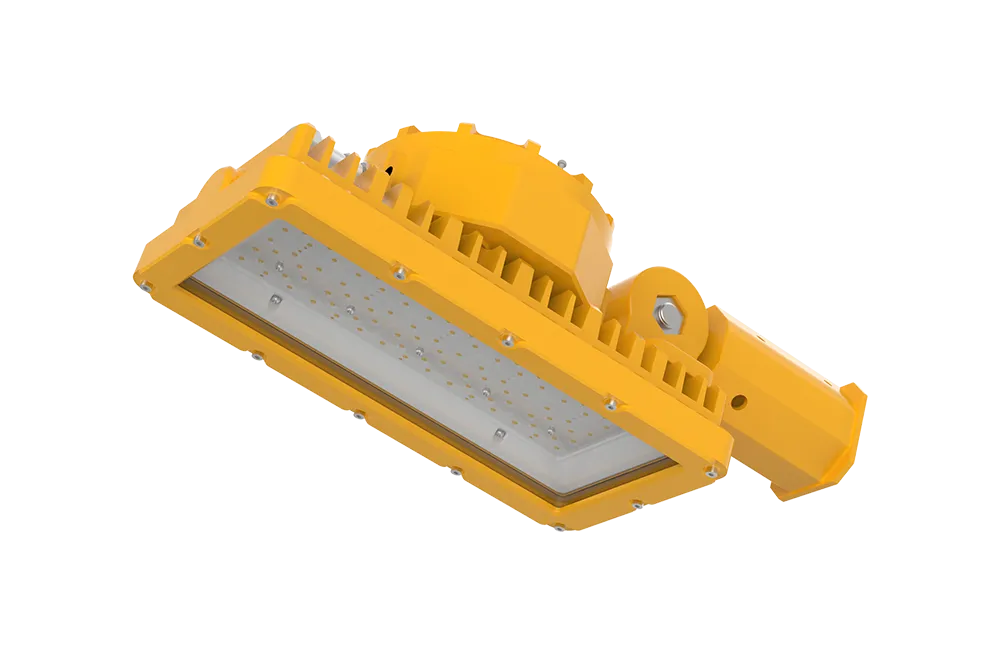
ATEX: Ex II 2G Ex db IIB T6/T5 GbEx II 2D Ex tb IIIC T80°C/ T95°C Db IECEx Ex db IIB T6 Gb;Ex tb IIIC T80°C Db Feature: ● For Zone 1,2 and Zone 21,22● Flameproof type, the strongest● 100W can replace 250W HID,energy saving● Power:60W,80W,100W Application: Oil and gas, marine, Chemical, pharmaceutical, semiconductor,mining,military industr…
View details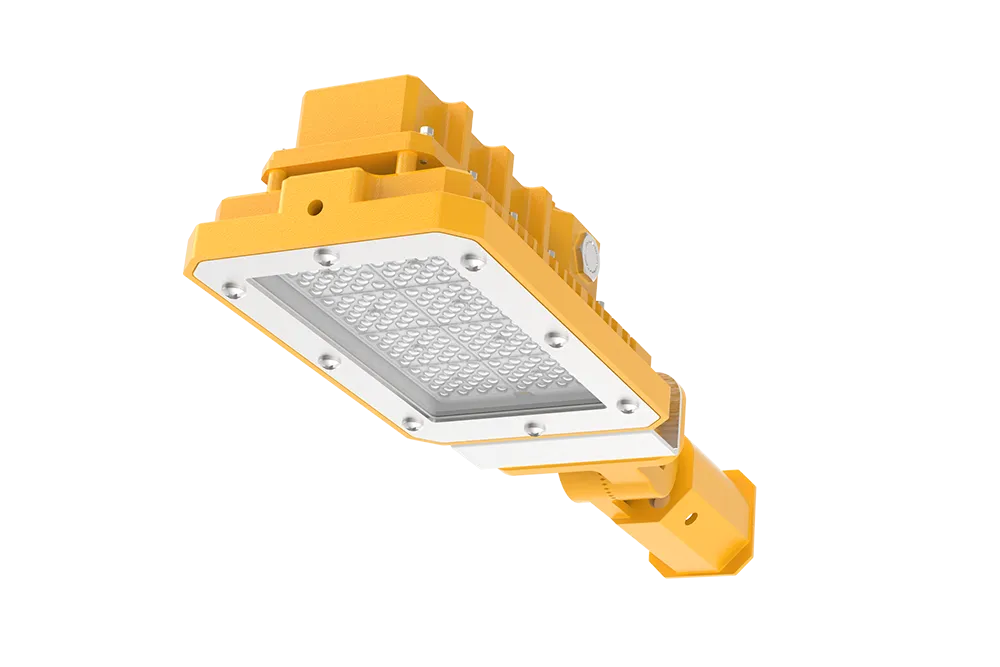
ATEX: II 3G Ex nR ⅡC T5/T6 GcII 3D Ex tc ⅢC T80℃/T95℃Dc ATEX Certificate NO: TÜV CY 26 ATEX 0207611 X Feature: ● For Zone 2 and Zone 22● 150W can replace 250W HID lamps,Energy saving● Power:50W,75W,100W,150W,200W Application: Oil and gas, marine, Chemical, pharmaceutical, semiconductor,mining,military industry, paint booth,power plant ETC…
View details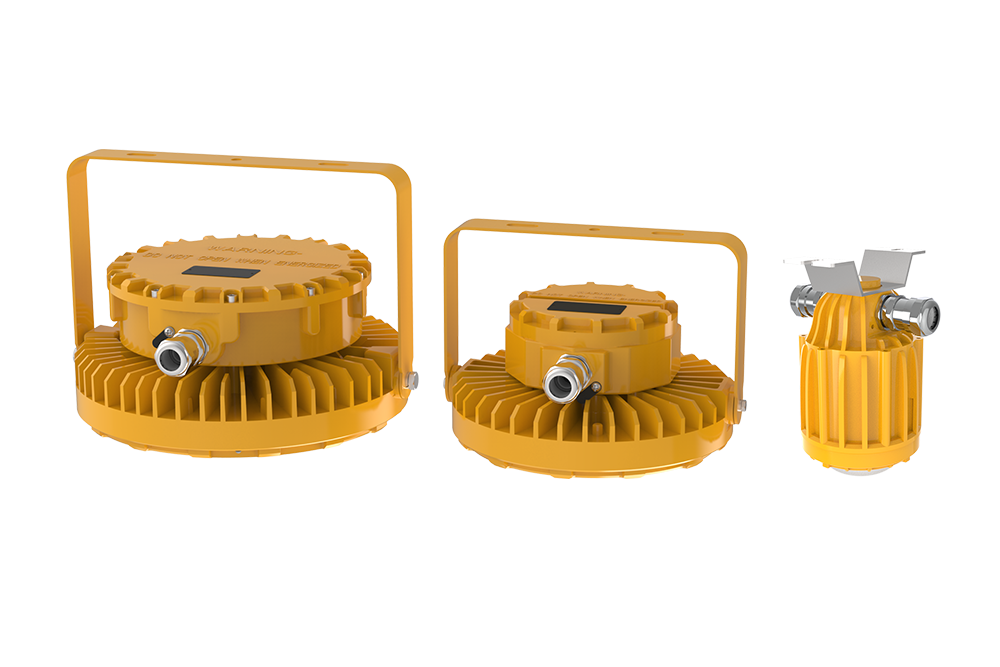
LED explosion proof high bay lights are designed for Zone 1, Zone 2, Zone 21 and Zone 22 hazardous areas. This page introduces the HB21 Series from SEEKING, including certifications, power options and real application considerations.
View details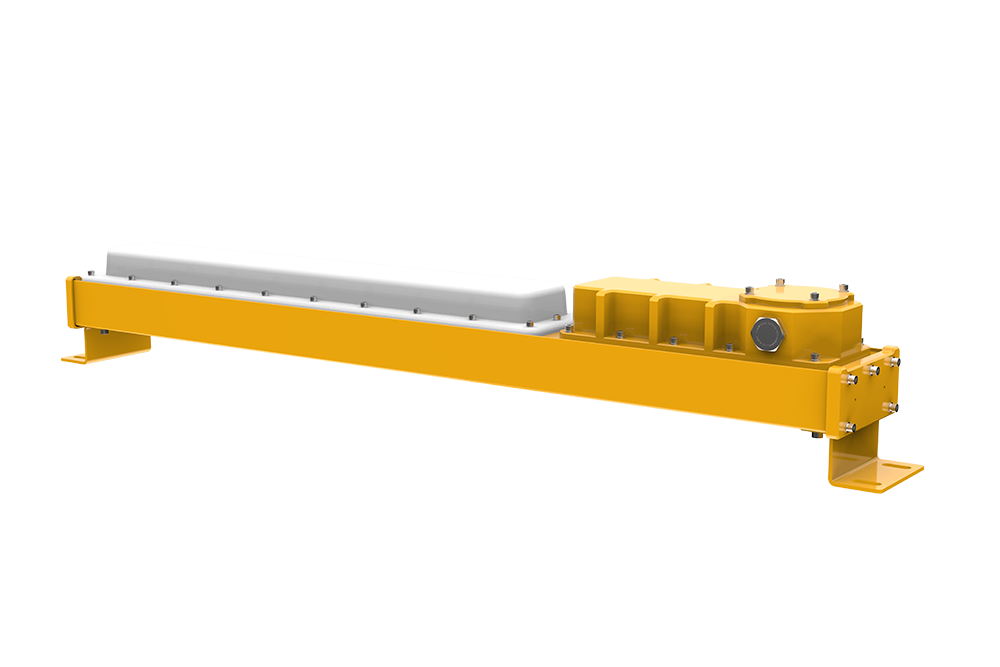
LED Linear Explosion Proof Lights from SEEKINGLED. LU Series Flame Proof lights ATEX-certified explosion proof LED linear lighting for Zone 2 gas and Zone 22 dust areas, IP69K, IK10, long lifetime and flexible power options.
View details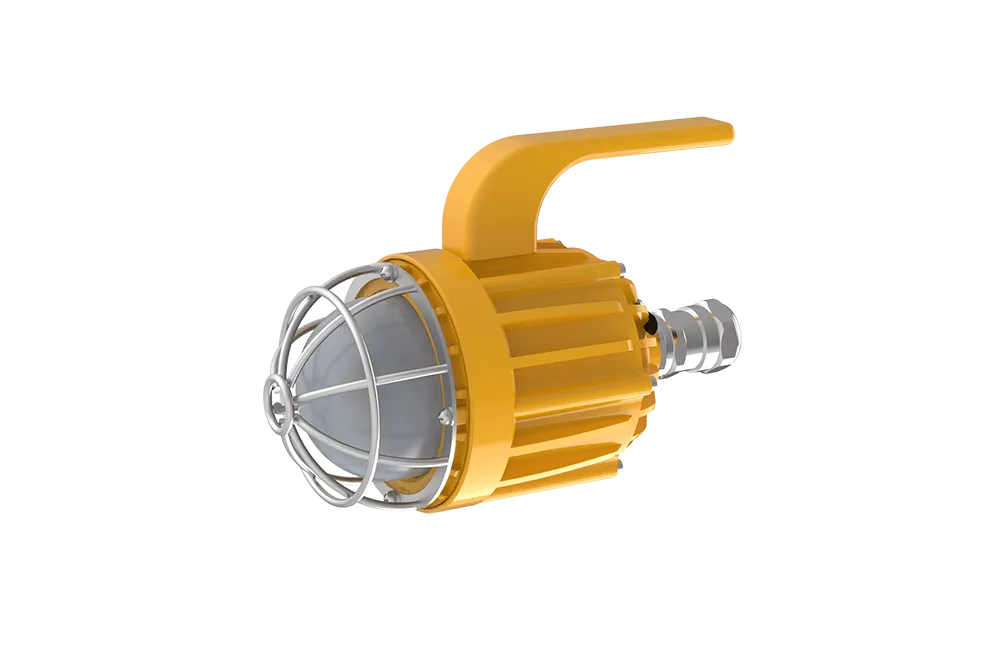
Certified explosion proof work lights for Zone 1 & 21 hazardous areas. Portable, ATEX & IECEx approved, built for oil, gas and chemical plants by SEEKINGLED.
View details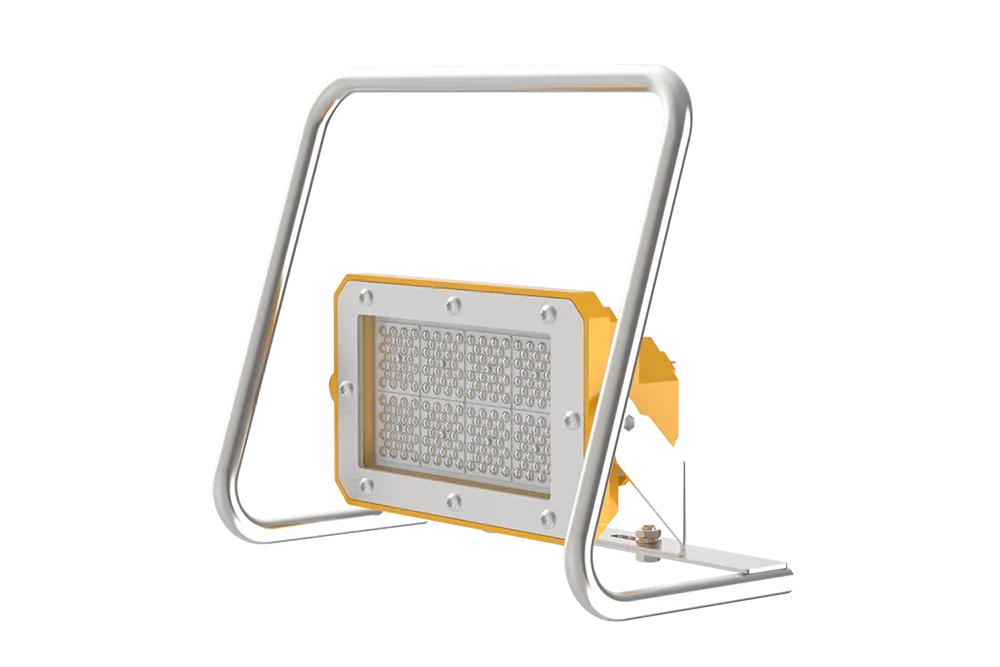
ATEX: II 3G Ex nR ⅡC T6 GcII 3D Ex tc ⅢC T80℃ Dc ATEX Certificate NO: TÜV CY 26 ATEX 0207611 X Feature: ● For Zone 2 and Zone 22● Accepts battery-powered supply● indestructible● Power:AC input:50W,75W,100WDC input:15W,25W,35W Application: Oil and gas, marine, Chemical, pharmaceutical, semiconductor,mining,military industry, paint booth,po…
View details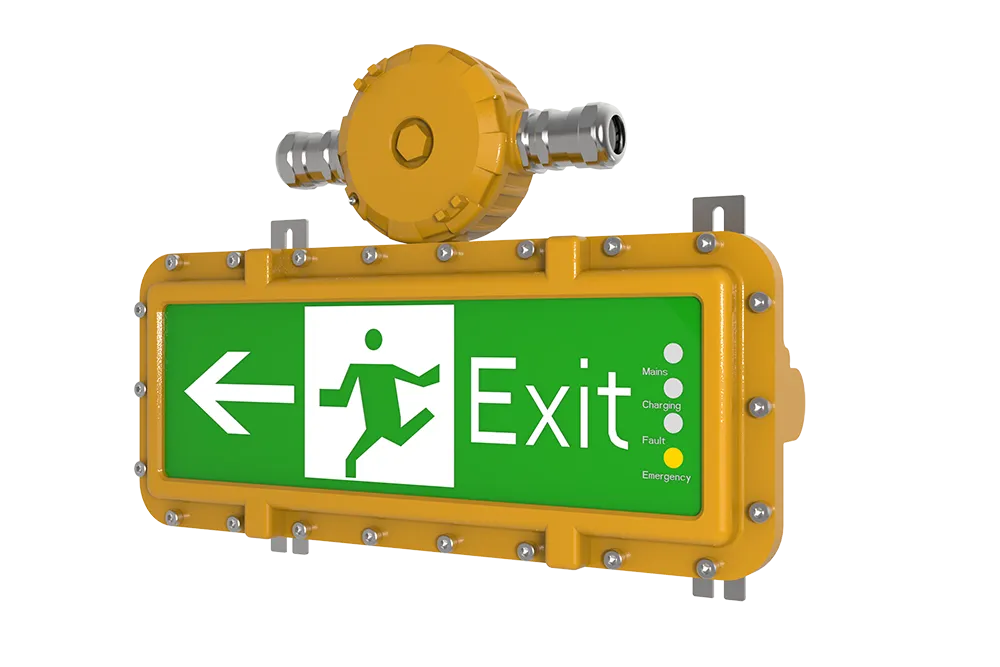
ATEX: Ex II 2G Ex db IIB T6 GbEx II 2D Ex tb IIIC T80°C Db IECEx Ex db IIB T6 Gb;Ex tb IIIC T80°C Db Feature: ● For Zone 1,2 and Zone 21,22● Flameproof type, the strongest Application: Oil and gas, marine, Chemical, pharmaceutical, semiconductor,mining,military industry, paint booth,power plant ETC hazardous area. Technical Specifications:…
View details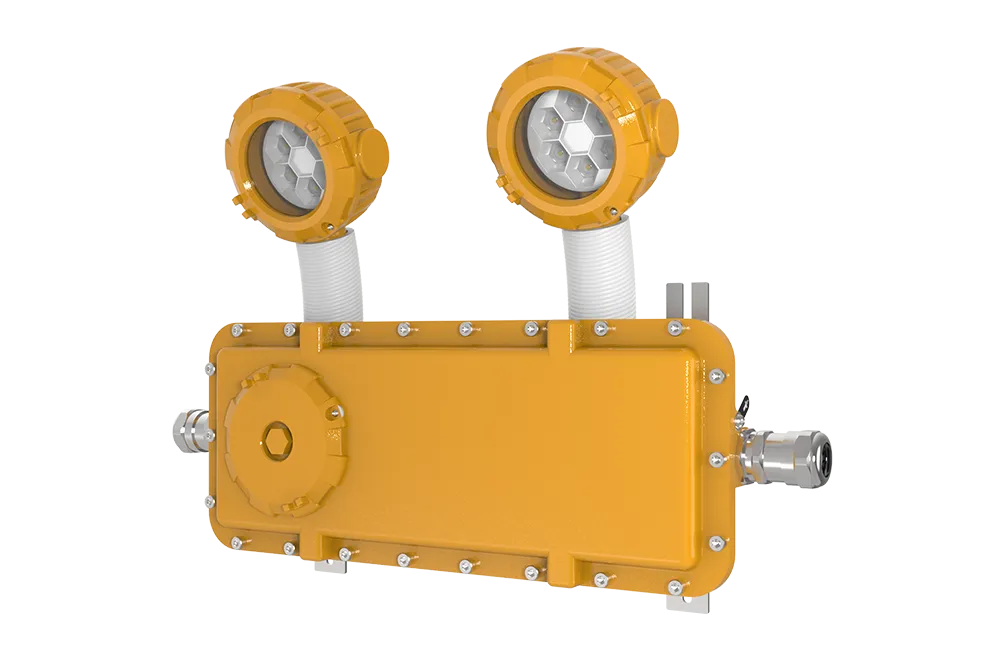
ATEX: Ex II 2G Ex db IIB T6 GbEx II 2D Ex tb IIIC T80°C Db IECEx Ex db IIB T6 Gb;Ex tb IIIC T80°C Db Feature: ● For Zone 1,2 and Zone 21,22● Flameproof type, the strongest Application: Oil and gas, marine, Chemical, pharmaceutical, semiconductor,mining,military industry, paint booth,power plant ETC hazardous area. Technical Specifications:…
View details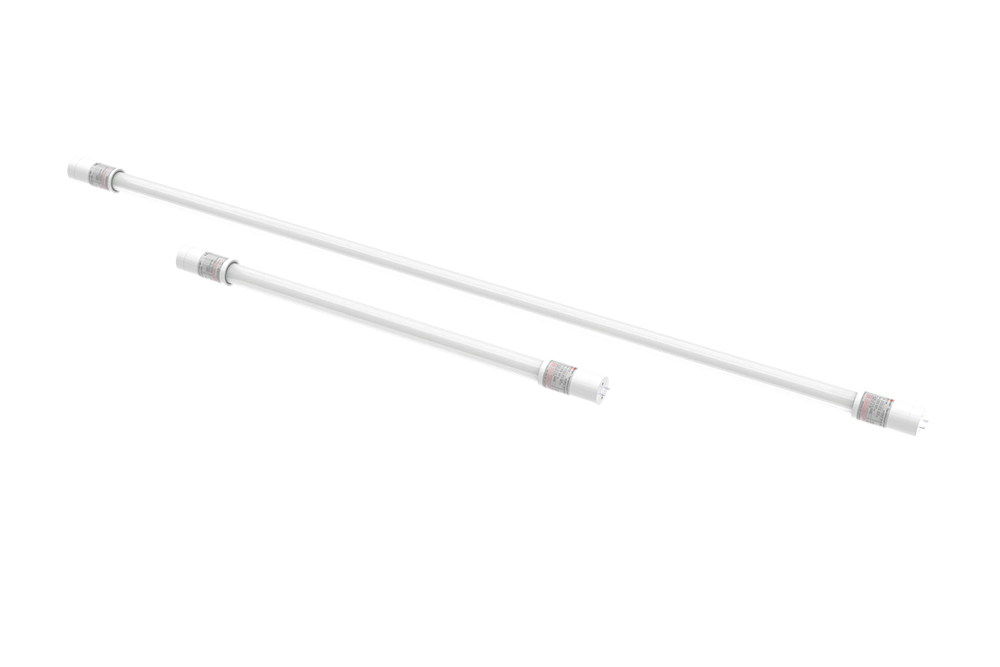
ATEX: Ex II 2G Ex d e IIB T6 Gb ATEX: Ex d e IIB T6 Gb; Feature: ● For Zone 1,2● 9W can replace 18W fluorescent lamps,50% Energy saving Application: Oil and gas, marine, Chemical, pharmaceutical, semiconductor,mining,military industry, paint booth,power plant ETC hazardous area. Technical Specifications: Standards:60079-0, 60079-1, 60079…
View details
Are LED street lights better for cities and roads? This guide explains real advantages, limits, and when LED street lighting actually performs better.
View details
how many amps does a 50w led draw in real lighting systems? Learn the typical current draw at 120V and 240V, plus practical wiring insights from SEEKINGLED engineers.
View details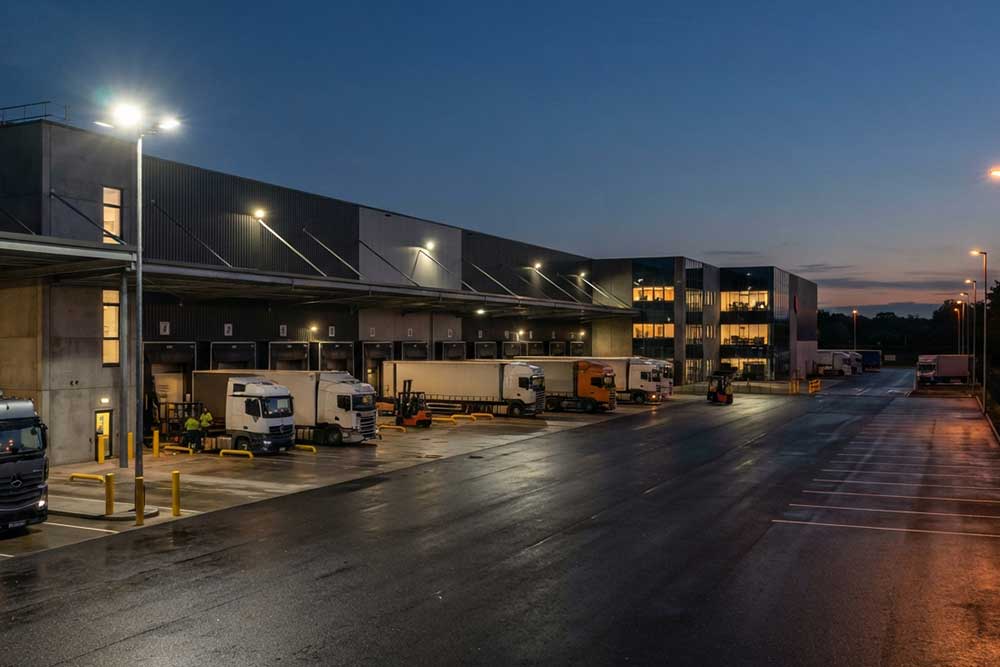
Some flood lights are dimmable, but not all. Dimming depends mainly on the LED driver, control interface, and compatible dimming method.
View details
LED explosion proof lights deliver safe, efficient lighting in hazardous areas. Learn how they work, certifications, real applications, and why they matter.
View details