 Seeking LED
What Is LED Street Light?
262What is LED street light? Learn what an LED street light really is, how it works, where it is used, and why cities are replacing traditional street lighting with LED systems.
View detailsSearch the whole station
What Explosion Proof LED Floodlights Are Best Suited for Offshore Platforms?
The best explosion proof LED floodlights for offshore platforms are IECEx and ATEX certified fixtures built with marine-grade corrosion resistance, vibration protection, IP66/IP67 sealing, and long-life LED systems capable of operating safely in salt-laden hazardous environments.
That answer sounds straightforward. Out on an offshore platform, it rarely is.
After spending years around hazardous-area lighting projects, I’ve learned that offshore installations punish equipment in ways many land-based engineers underestimate. Salt mist attacks coatings. Constant vibration loosens hardware. UV exposure ages materials faster than laboratory tests suggest. Then there is the obvious issue—flammable gas.
A floodlight that performs perfectly at an inland refinery can struggle after only a few seasons offshore.
The question is not simply which floodlight is explosion proof.
The question is which explosion proof floodlight survives offshore conditions while maintaining certification, illumination performance, and reliability.
Do not insert here.
The first time I inspected lighting equipment on a production platform in Southeast Asia, the corrosion pattern surprised me.
Not because it was severe.
Because it was selective.
Fixtures exposed to prevailing sea winds deteriorated noticeably faster than identical luminaires mounted only meters away on sheltered structures.
That experience changed how I evaluate hazardous-area floodlights.
Offshore lighting faces multiple threats simultaneously:
According to the U.S. Bureau of Safety and Environmental Enforcement (BSEE), offshore facilities operate under strict safety management systems because hydrocarbon releases remain one of the industry’s primary risks.
Source: Bureau of Safety and Environmental Enforcement (BSEE)
Website: https://www.bsee.gov
Because lighting equipment becomes part of that risk-management framework, fixture selection is never purely about brightness.
Many buyers begin by asking:
“Do I need a 100W or 150W floodlight?”
That’s usually the wrong starting point.
The certification comes first.
For offshore installations, the most commonly requested certifications include:
| Certification | Region | Purpose |
|---|---|---|
| IECEx | Global | International hazardous area compliance |
| ATEX | Europe | Compliance with EU explosive atmosphere regulations |
| Class I Division 1 | North America | NEC hazardous location compliance |
| Class I Division 2 | North America | Reduced ignition-risk areas |
A genuine offshore floodlight should clearly display:
According to the official IECEx certification system, equipment installed in explosive atmospheres must undergo testing and assessment before certification can be issued.
Source: IECEx System
Website: https://www.iecex.com
A floodlight without recognized certification documentation should never be considered for offshore hydrocarbon facilities.
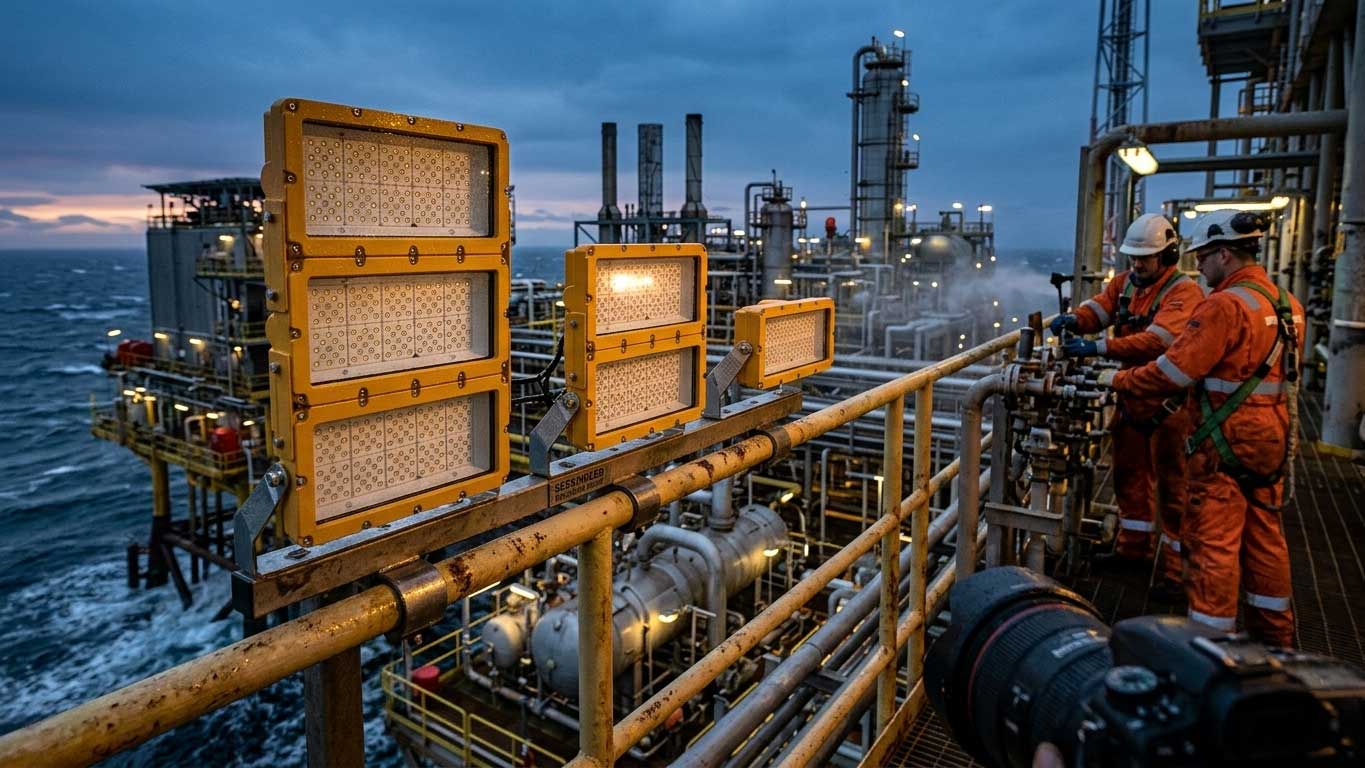
Many hazardous area floodlights pass explosion-proof testing.
Far fewer survive years of offshore exposure.
When reviewing specifications, I pay close attention to housing materials.
The most reliable offshore fixtures typically use:
A useful benchmark comes from the corrosion testing standard ISO 9227, which evaluates salt spray resistance for protective coatings.
Source: International Organization for Standardization (ISO)
Website: https://www.iso.org
In practice, fixtures designed specifically for offshore use often undergo salt-spray testing exceeding 1,000 hours.
That number alone does not guarantee durability.
However, when combined with quality coatings and proper installation practices, it provides a useful indicator.
I’ve opened failed floodlights that technically still met hazardous-area requirements.
The explosion protection remained intact.
The LEDs did not.
Moisture had slowly entered through degraded seals.
The result was reduced lumen output, corrosion on internal components, and eventual failure.
For offshore platforms, recommended enclosure protection typically includes:
| Protection Level | Meaning |
|---|---|
| IP66 | Protected against powerful water jets |
| IP67 | Temporary immersion protection |
| IP68 | Extended immersion protection in specific designs |
According to the International Electrotechnical Commission (IEC), IP ratings provide standardized protection classifications against solids and liquids.
Source: International Electrotechnical Commission (IEC)
Website: https://www.iec.ch
When floodlights are mounted near splash zones or exposed deck areas, higher ingress protection becomes especially valuable.
One specification sheet may claim:
Those figures look impressive.
Yet offshore reliability depends more on heat control than peak efficacy.
The best explosion proof LED floodlights use:
Poor thermal design shortens service life long before the LEDs reach their advertised ratings.
This becomes especially important in tropical offshore regions where ambient temperatures remain elevated throughout the year.
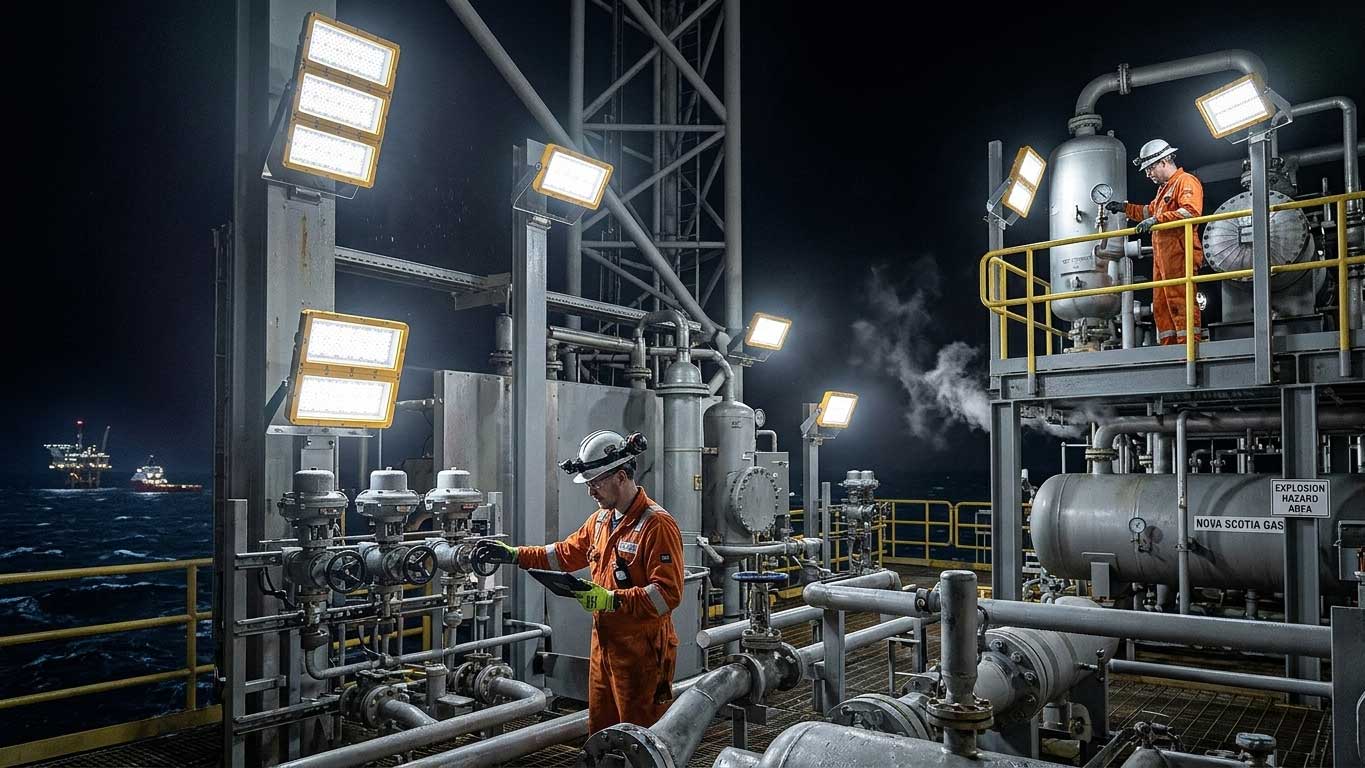
One offshore project taught me this lesson the expensive way.
The floodlights met every certification requirement. Light output was excellent on paper. Yet after commissioning, operators complained about dark pockets around valves and access ladders.
The issue wasn’t wattage.
It was optics.
The wrong beam angle had created bright hotspots and shadowed work areas.
For offshore platforms, floodlight optics should match the task.
| Application Area | Recommended Beam Angle |
|---|---|
| Walkways | 60°–90° |
| Pipe Racks | 60° |
| Process Modules | 30°–60° |
| Crane Areas | 30° |
| Helidecks | Engineered according to aviation requirements |
| Loading Areas | 60°–120° |
A wider beam isn’t always better.
On offshore structures, excessive spill light can create glare for operators and reduce visibility during inspections.
The International Association of Oil & Gas Producers (IOGP) highlights the importance of proper workplace illumination for operational safety and maintenance activities.
Source: International Association of Oil & Gas Producers (IOGP)
Website: https://www.iogp.org
In practical terms, a properly aimed 100W floodlight often outperforms a poorly aimed 200W unit.
Many buyers focus on explosion protection and corrosion resistance.
They forget movement.
Even large fixed platforms experience constant vibration from:
Over time, vibration can damage:
This is why reputable offshore floodlights use:
In my experience, vibration-related failures usually appear after two or three years—not immediately after installation—which makes them particularly costly.
This question comes up almost every month.
The answer depends on the platform environment.
| Factor | Marine Aluminum Alloy | Stainless Steel 316L |
|---|---|---|
| Weight | Lower | Higher |
| Corrosion Resistance | Excellent with coating | Excellent |
| Installation Ease | Easier | Heavier |
| Structural Strength | High | Very High |
| Cost | Lower | Higher |
Most modern offshore explosion proof LED floodlights use marine-grade aluminum because it provides an excellent balance between weight, corrosion resistance, and thermal performance.
However, stainless steel hardware should still be used for:
A mixed-material design often delivers the best long-term value.
Before approving any fixture, I recommend verifying the following points:
✓ IECEx certification
✓ ATEX certification
✓ Appropriate gas group rating
✓ Correct temperature class
✓ Zone suitability
✓ IP66 minimum
✓ IP67 preferred
✓ Corrosion-resistant coating
✓ Marine-grade housing
✓ Stainless steel fasteners
✓ Anti-vibration design
✓ Impact resistance
✓ Long-life LED driver
✓ Correct beam angle
✓ Low glare design
✓ Uniform illumination
✓ High CRI if inspection tasks are required
If a product fails any of these categories, it deserves additional scrutiny.
One maintenance supervisor told me something years ago that stuck with me:
“The best floodlight is the one nobody notices.”
At first, that sounded strange.
Then he explained.
Nobody notices lighting when it works.
People notice it when:
A helicopter trip for maintenance can cost far more than the floodlight itself.
According to data published by the U.S. Energy Information Administration (EIA), offshore production facilities operate in environments where reliability directly impacts operational continuity and maintenance planning.
Source: U.S. Energy Information Administration (EIA)
Website: https://www.eia.gov
That reality changes how experienced engineers evaluate lighting investments.
More watts do not automatically mean better visibility.
Optics frequently matter more.
Offshore environments attack equipment continuously.
Coating quality matters.
Some products are designed for refineries.
Others are engineered specifically for offshore platforms.
There is a difference.
The LED chip rarely fails first.
The driver usually does.
The cheapest fixture can become the most expensive fixture once offshore maintenance logistics are considered.
Yes, provided they are certified for the appropriate hazardous area classification and designed with marine corrosion resistance suitable for offshore environments.
IP66 is generally considered the minimum. IP67 provides additional protection against water ingress and is commonly preferred offshore.
High-quality fixtures typically achieve L70 lifetimes exceeding 50,000–100,000 operating hours, depending on thermal management, driver quality, and environmental conditions.
Many international offshore operators strongly prefer or require IECEx-certified equipment because the certification is globally recognized across hazardous industries.
Most walkway applications benefit from 60°–90° optics, balancing coverage, visibility, and glare control.
Direct access to product page:Explosion Proof LED Floodlights
So, what explosion proof LED floodlights are best suited for offshore platforms?
The answer is not simply the brightest fixture available.
The most suitable offshore floodlights combine IECEx and ATEX certification, marine-grade corrosion resistance, IP66/IP67 ingress protection, vibration-resistant construction, optimized optics, and long-life thermal management systems.
After years of evaluating hazardous-area lighting projects, one pattern remains consistent: offshore platforms reward reliability and punish shortcuts. The floodlights that perform best are rarely the ones with the most aggressive marketing claims. They are the fixtures engineered specifically for life at sea—where salt, vibration, humidity, and explosive atmospheres all arrive together.
For operators seeking dependable offshore hazardous-area illumination, SEEKINGLED focuses on exactly those requirements, delivering explosion proof LED floodlights engineered for long service life in some of the world’s most demanding industrial environments.
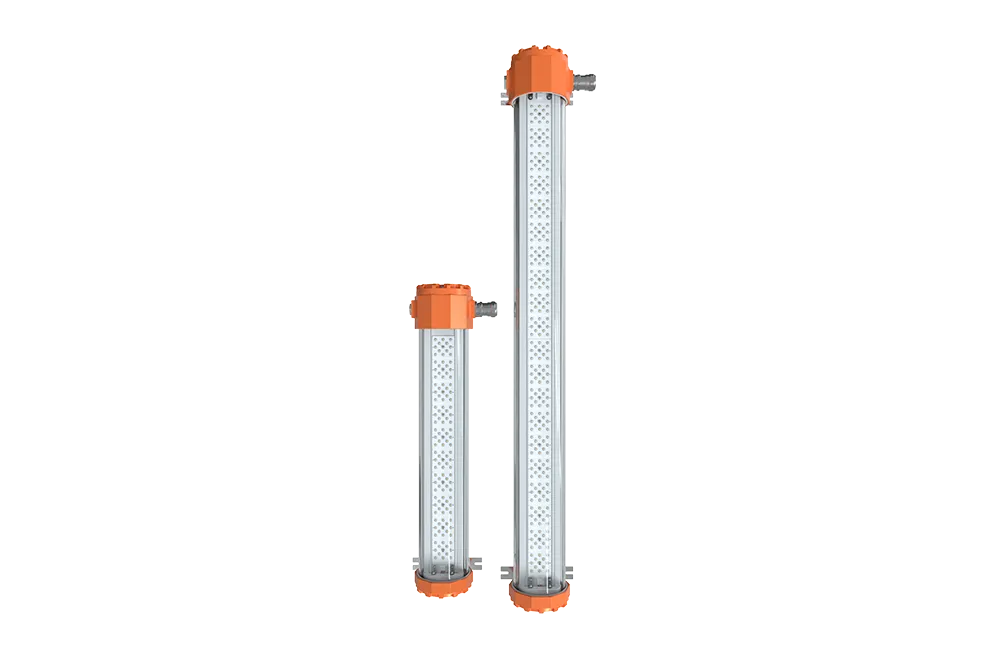
SEEKINGLED LED Linear Explosion Proof Light and Explosion Proof lighting is ATEX and IECEx certified for Zone 1, Zone 2, Zone 21 and Zone 22 hazardous locations, built for long-term industrial use.
View details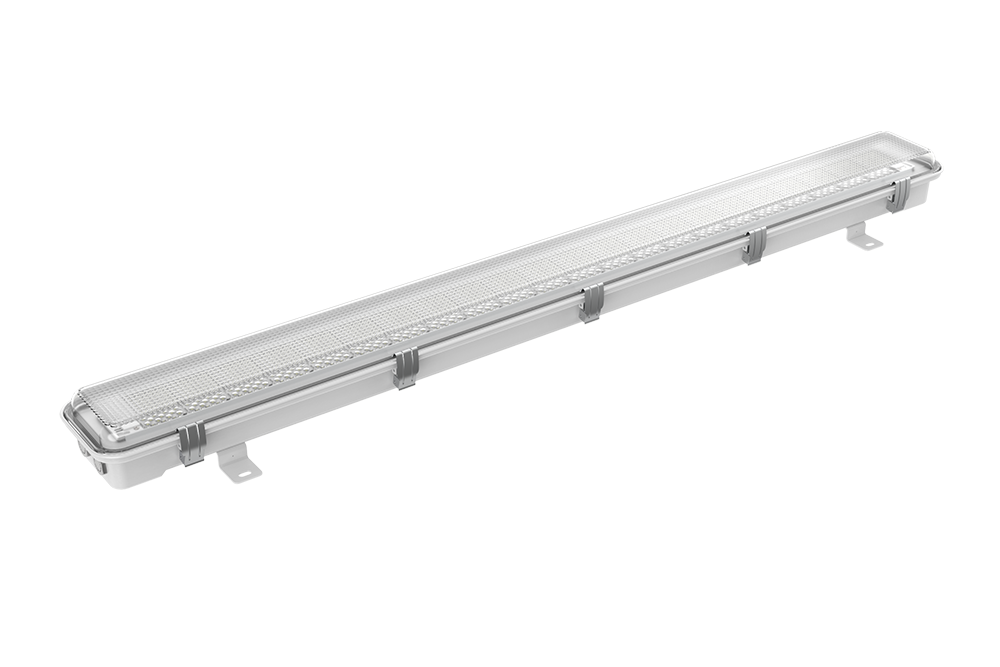
LED Linear Explosion Proof Lights and EX Proof lights for Zone 1, Zone 2, Zone 21 and Zone 22 hazardous areas. ATEX & IECEx certified explosion proof LED linear lighting with emergency function, adjustable power and IP67 protection by SEEKINGLED.
View details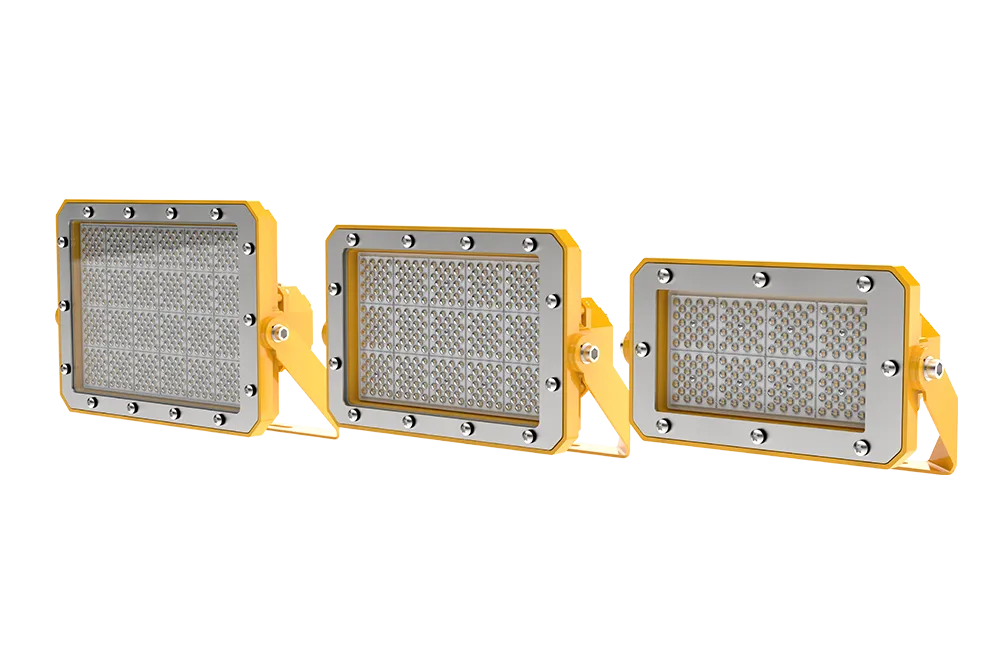
SEEKINGLED LED Explosion Proof Flood Lights are ATEX certified for Zone 2 and Zone 22 hazardous areas, offering high efficiency, adjustable power and integrated junction box.
View details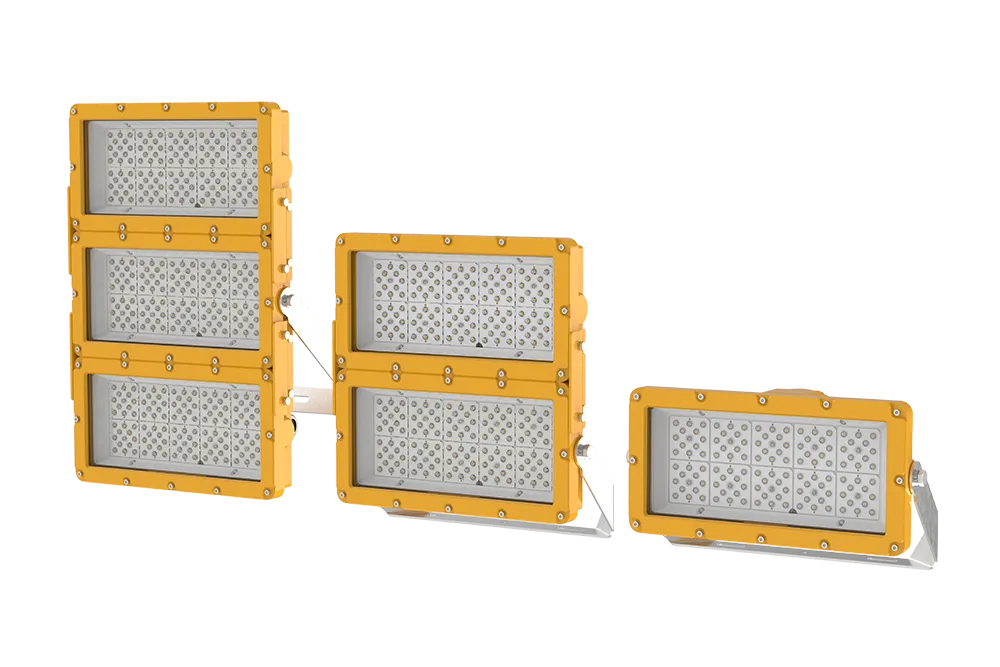
SEEKINGLED LED Explosion Proof Flood Lights are flameproof ATEX and IECEx certified for Zone 1 and Zone 2 hazardous areas, offering high power, adjustable output and long service life.
View details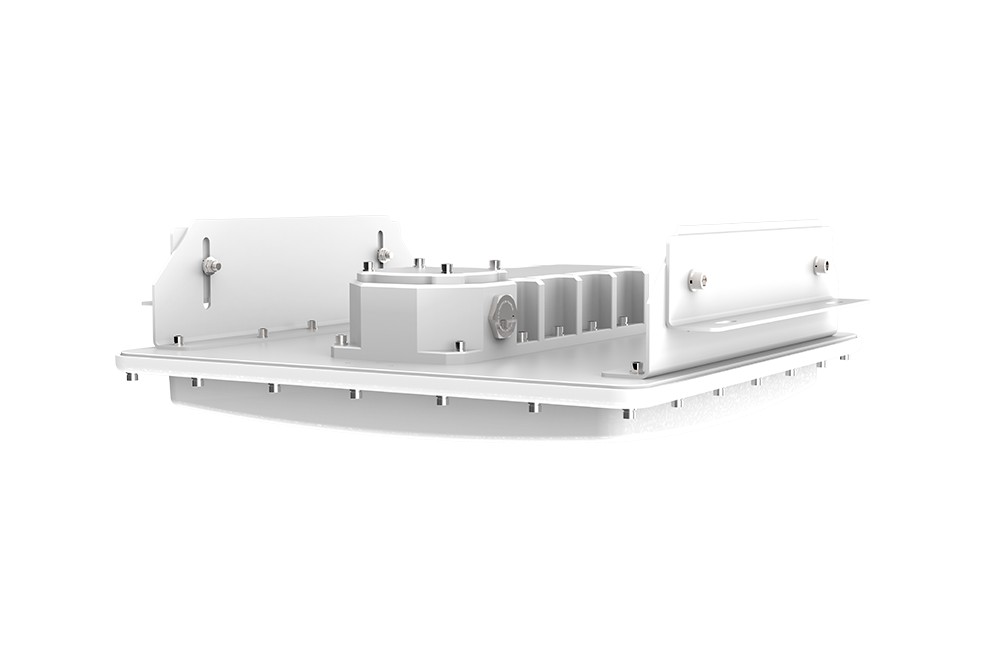
SEEKINGLED LED Gas Station Canopy Lights are ATEX certified for Zone 2 and Zone 22 hazardous areas, featuring adjustable power and built-in explosion-proof junction box.
View details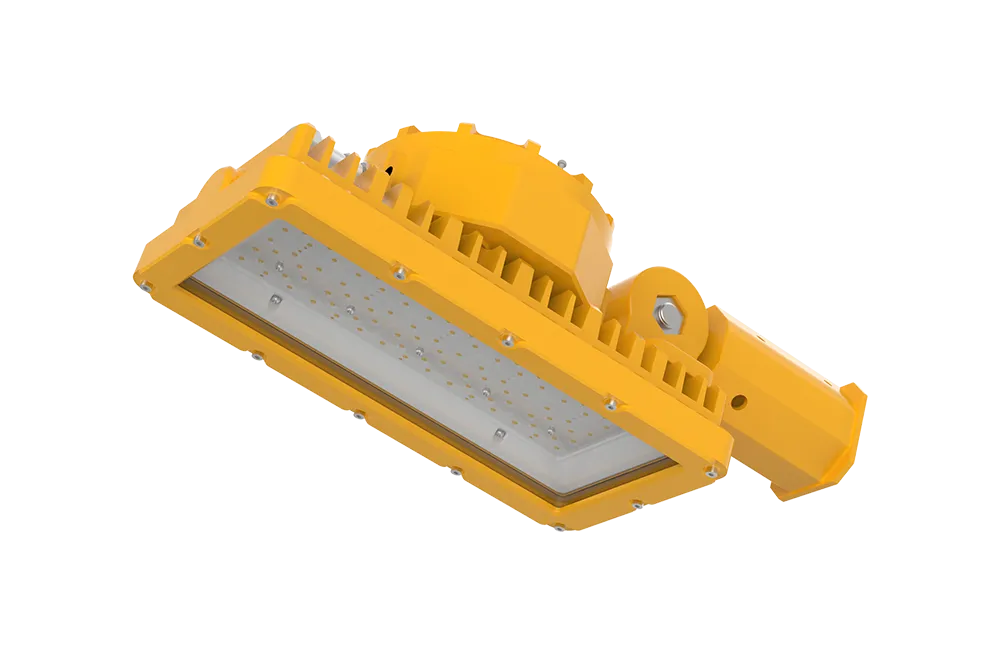
ATEX: Ex II 2G Ex db IIB T6/T5 GbEx II 2D Ex tb IIIC T80°C/ T95°C Db IECEx Ex db IIB T6 Gb;Ex tb IIIC T80°C Db Feature: ● For Zone 1,2 and Zone 21,22● Flameproof type, the strongest● 100W can replace 250W HID,energy saving● Power:60W,80W,100W Application: Oil and gas, marine, Chemical, pharmaceutical, semiconductor,mining,military industr…
View details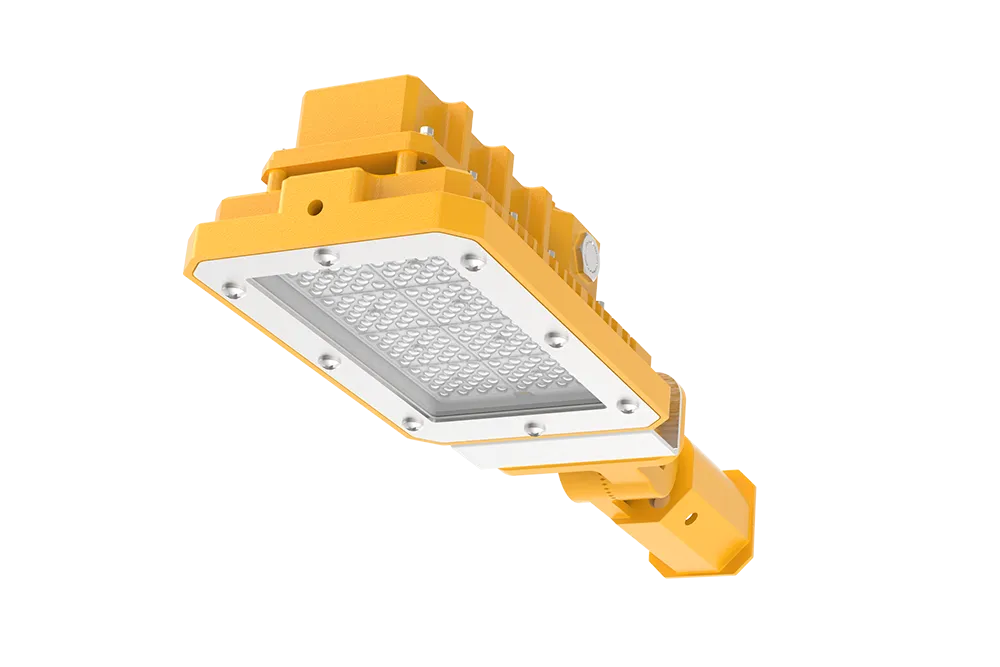
ATEX: II 3G Ex nR ⅡC T5/T6 GcII 3D Ex tc ⅢC T80℃/T95℃Dc ATEX Certificate NO: TÜV CY 26 ATEX 0207611 X Feature: ● For Zone 2 and Zone 22● 150W can replace 250W HID lamps,Energy saving● Power:50W,75W,100W,150W,200W Application: Oil and gas, marine, Chemical, pharmaceutical, semiconductor,mining,military industry, paint booth,power plant ETC…
View details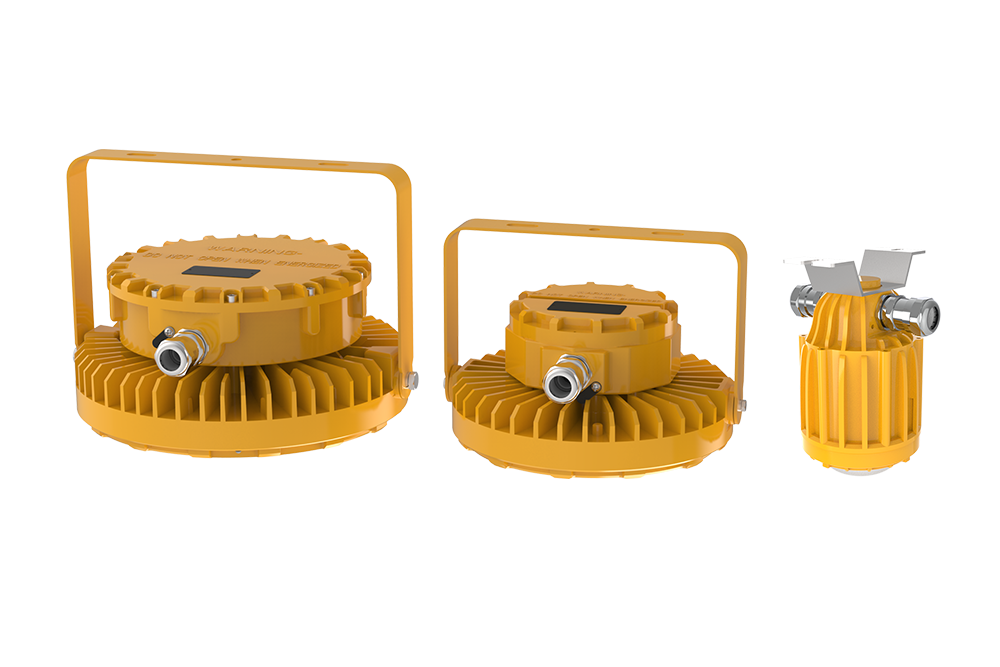
LED explosion proof high bay lights are designed for Zone 1, Zone 2, Zone 21 and Zone 22 hazardous areas. This page introduces the HB21 Series from SEEKING, including certifications, power options and real application considerations.
View details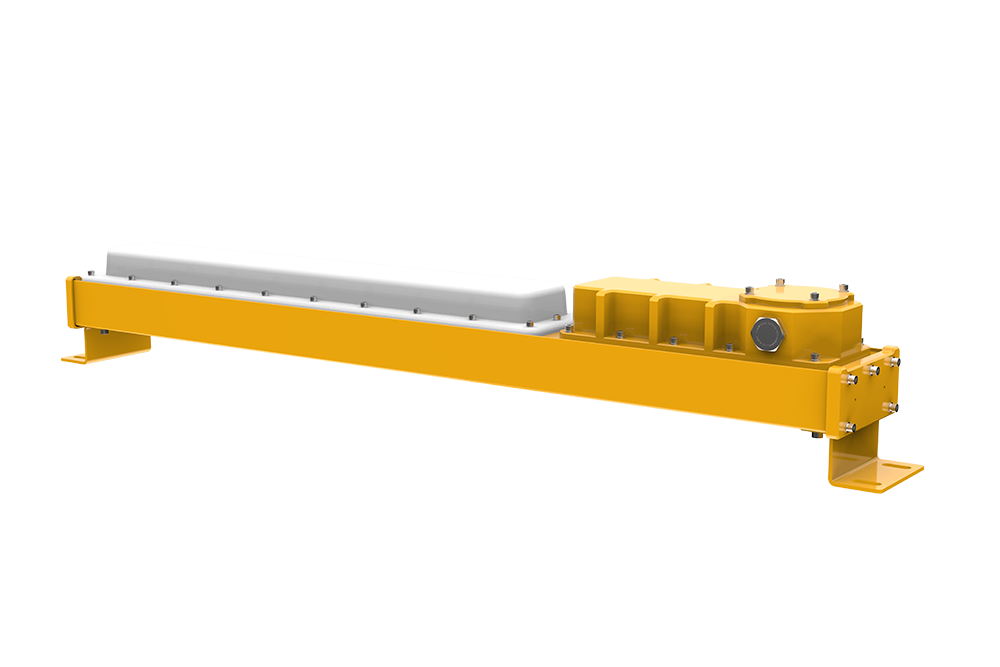
LED Linear Explosion Proof Lights from SEEKINGLED. LU Series Flame Proof lights ATEX-certified explosion proof LED linear lighting for Zone 2 gas and Zone 22 dust areas, IP69K, IK10, long lifetime and flexible power options.
View details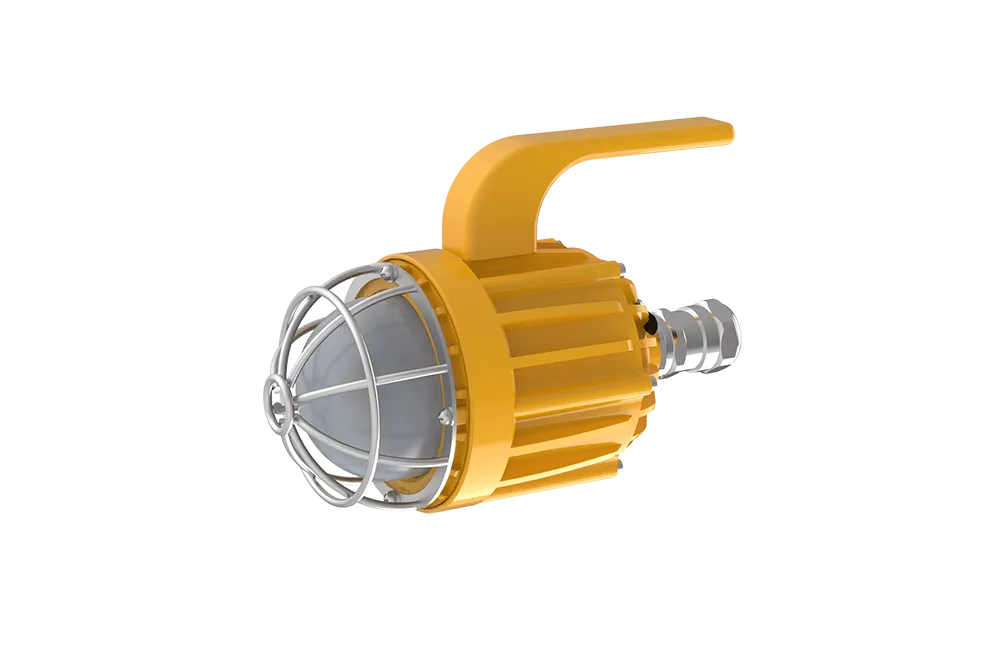
Certified explosion proof work lights for Zone 1 & 21 hazardous areas. Portable, ATEX & IECEx approved, built for oil, gas and chemical plants by SEEKINGLED.
View details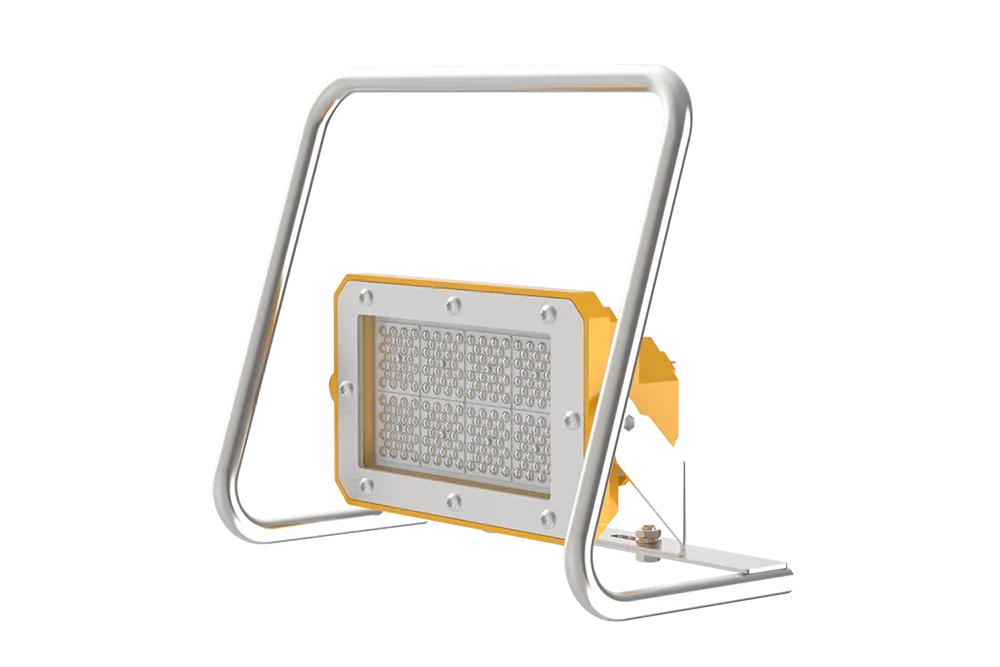
ATEX: II 3G Ex nR ⅡC T6 GcII 3D Ex tc ⅢC T80℃ Dc ATEX Certificate NO: TÜV CY 26 ATEX 0207611 X Feature: ● For Zone 2 and Zone 22● Accepts battery-powered supply● indestructible● Power:AC input:50W,75W,100WDC input:15W,25W,35W Application: Oil and gas, marine, Chemical, pharmaceutical, semiconductor,mining,military industry, paint booth,po…
View details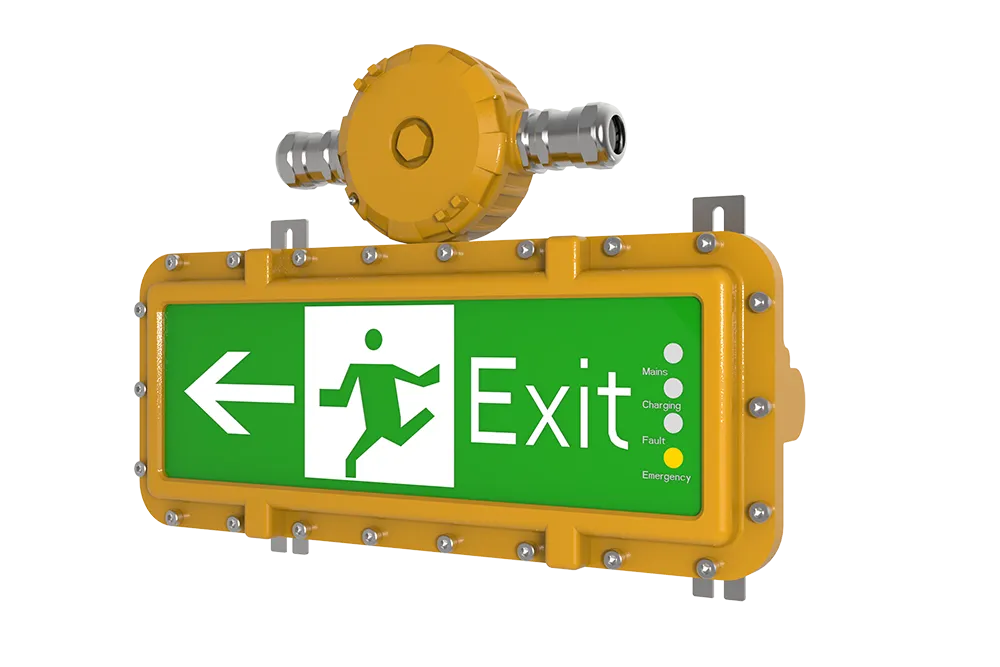
ATEX: Ex II 2G Ex db IIB T6 GbEx II 2D Ex tb IIIC T80°C Db IECEx Ex db IIB T6 Gb;Ex tb IIIC T80°C Db Feature: ● For Zone 1,2 and Zone 21,22● Flameproof type, the strongest Application: Oil and gas, marine, Chemical, pharmaceutical, semiconductor,mining,military industry, paint booth,power plant ETC hazardous area. Technical Specifications:…
View details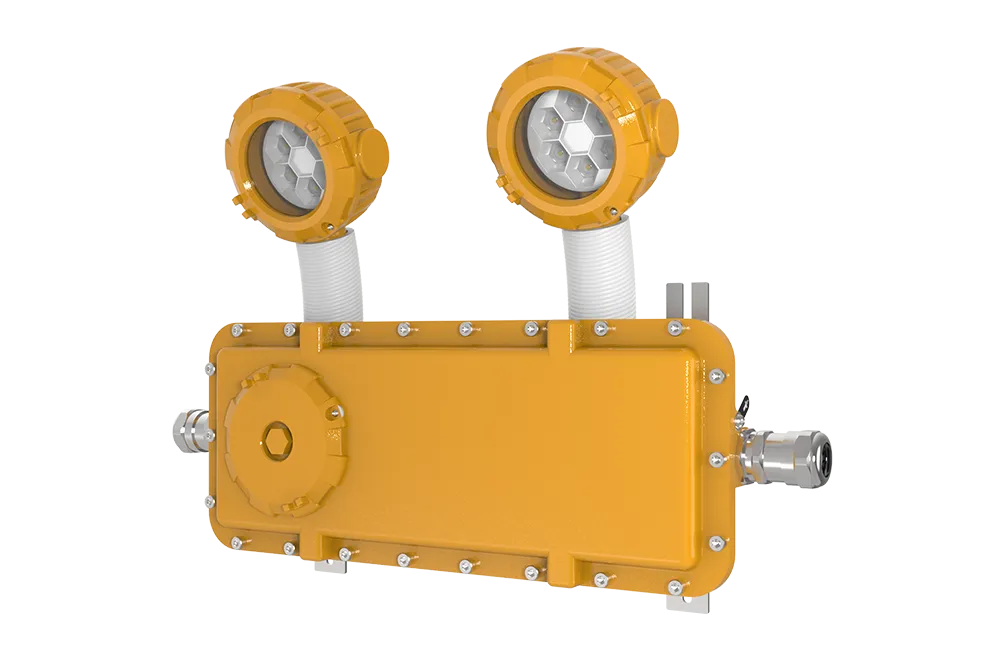
ATEX: Ex II 2G Ex db IIB T6 GbEx II 2D Ex tb IIIC T80°C Db IECEx Ex db IIB T6 Gb;Ex tb IIIC T80°C Db Feature: ● For Zone 1,2 and Zone 21,22● Flameproof type, the strongest Application: Oil and gas, marine, Chemical, pharmaceutical, semiconductor,mining,military industry, paint booth,power plant ETC hazardous area. Technical Specifications:…
View details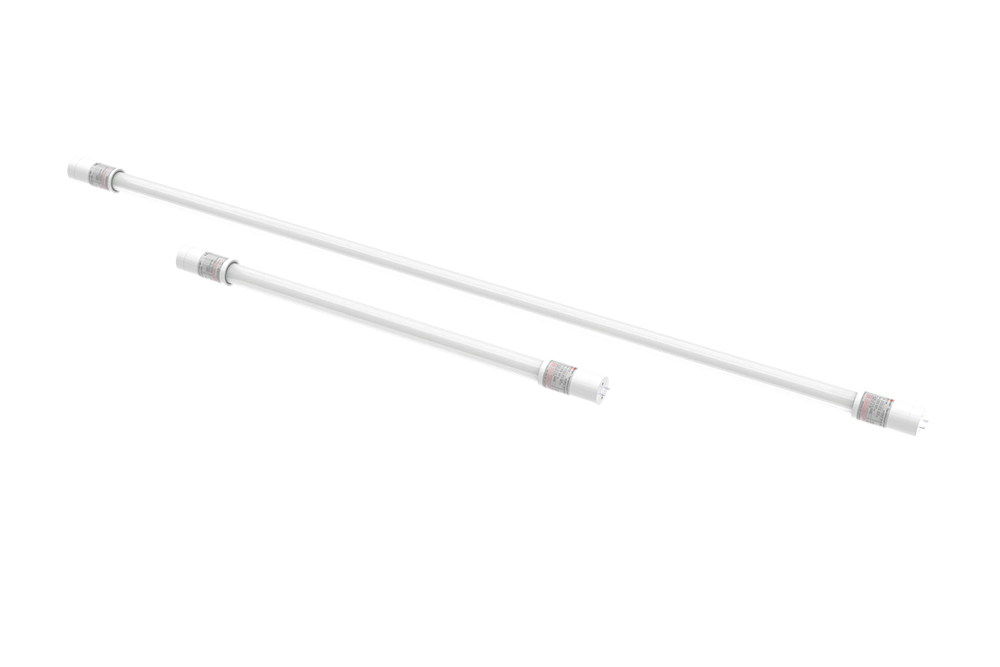
ATEX: Ex II 2G Ex d e IIB T6 Gb ATEX: Ex d e IIB T6 Gb; Feature: ● For Zone 1,2● 9W can replace 18W fluorescent lamps,50% Energy saving Application: Oil and gas, marine, Chemical, pharmaceutical, semiconductor,mining,military industry, paint booth,power plant ETC hazardous area. Technical Specifications: Standards:60079-0, 60079-1, 60079…
View details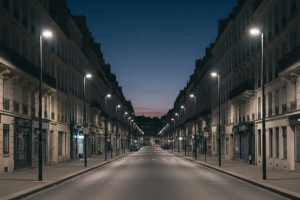
What is LED street light? Learn what an LED street light really is, how it works, where it is used, and why cities are replacing traditional street lighting with LED systems.
View details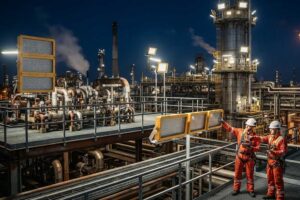
Discover atex zone 0 lighting solutions designed for explosive gas environments. Learn certification, safety standards, and industrial applications from SEEKINGLED.
View details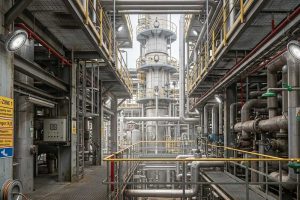
Choose reliable explosion proof lighting led from SEEKINGLED. Certified hazardous area fixtures built for oil, gas, and chemical facilities.
View details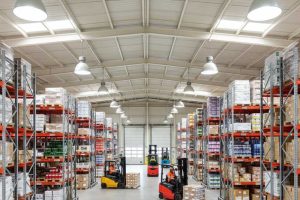
How to size LED high bay lighting depends on ceiling height, lux targets, and beam angle. Learn the real sizing logic used in industrial projects.
View details