 Seeking LED
how to wire flood lights?
0Wire flood lights by isolating the breaker, verifying L/N/E conductors, securing connections in a junction box, and protecting outdoor connections from moist...
View detailsSearch the whole station
Class 1 Division 1 LED lighting is specifically engineered for locations where flammable gases or vapors can exist under normal operating conditions. These fixtures are built to prevent internal electrical arcs, sparks, or heat from igniting the surrounding atmosphere, making them essential in oil, gas, chemical, and fuel-handling facilities.
Walk through an operating tank farm at sunrise and you immediately understand why Class 1 Division 1 requirements exist.
You hear pumps cycling.
You smell traces of hydrocarbons.
Pressure relief valves occasionally release vapor.
Nothing dramatic. Nothing unusual.
Yet these routine conditions create the exact environment electrical engineers must plan around every day.
After more than a decade working with hazardous location lighting projects—including refinery expansions, offshore platforms, LNG terminals, and chemical processing plants—I have noticed something interesting:
Most lighting failures in hazardous locations are not caused by LEDs.
They are caused by misunderstanding the environment.
Class 1 Division 1 LED lighting exists because the atmosphere itself becomes part of the engineering equation.
The term comes from the U.S. National Electrical Code (NEC).
| Classification | Meaning |
|---|---|
| Class 1 | Flammable gases or vapors may be present |
| Division 1 | Hazard exists during normal operations |
| LED Lighting | Illumination equipment using light-emitting diodes |
Under NEC Article 500, Class 1 locations include areas where gases such as:
may create explosive atmospheres.
Division 1 represents the highest level of concern within Class 1 environments because hazardous gases are expected during regular operation rather than only under abnormal conditions.
Examples include:
This question comes up surprisingly often.
Someone sees a heavy-duty IP66 floodlight and assumes it should survive anywhere.
Water resistance and explosion protection are completely different things.
A fixture can withstand monsoon rain, desert dust, and high-pressure washdowns yet still be unsuitable for a hazardous location.
The issue is ignition.
Inside every electrical fixture, several potential ignition sources exist:
In ordinary facilities this is irrelevant.
In a Class 1 Division 1 environment, it becomes critical.
One tiny spark may be enough.
The NEC and OSHA regulations recognize this reality, which is why certified equipment becomes mandatory rather than optional.
Years ago, during a retrofit project at a petroleum storage terminal, I walked through an older loading area where several non-certified fixtures had been installed by a contractor attempting to reduce costs.
The fixtures worked.
Brightness was acceptable.
Power consumption looked good.
The problem appeared when inspectors reviewed documentation.
There was no hazardous location certification.
None.
The entire lighting system had to be replaced.
The direct replacement cost exceeded the original savings many times over.
This happens more often than manufacturers admit.
The cost of incorrect certification frequently exceeds the cost of buying compliant fixtures from the beginning.
The phrase “explosion proof” often confuses people.
The fixture is not designed to prevent explosions from occurring inside.
It is designed to contain them.
If ignition occurs internally, the enclosure prevents flames from escaping and igniting the surrounding atmosphere.
This principle remains the foundation of many Class 1 Division 1 fixtures today.
Surface temperature matters more than many engineers realize.
Certain gases ignite at relatively low temperatures.
A lighting fixture operating too hot can become an ignition source even without a spark.
Certified Class 1 Division 1 LED lighting must meet strict temperature classifications such as:
| Temperature Class | Maximum Surface Temperature |
|---|---|
| T1 | 450°C |
| T2 | 300°C |
| T3 | 200°C |
| T4 | 135°C |
| T5 | 100°C |
| T6 | 85°C |
The lower the number, the higher the allowable temperature.
Many modern LED hazardous-area fixtures are designed around T4, T5, or T6 requirements.
Quality fixtures isolate:
This compartmentalization reduces risk while improving long-term reliability.
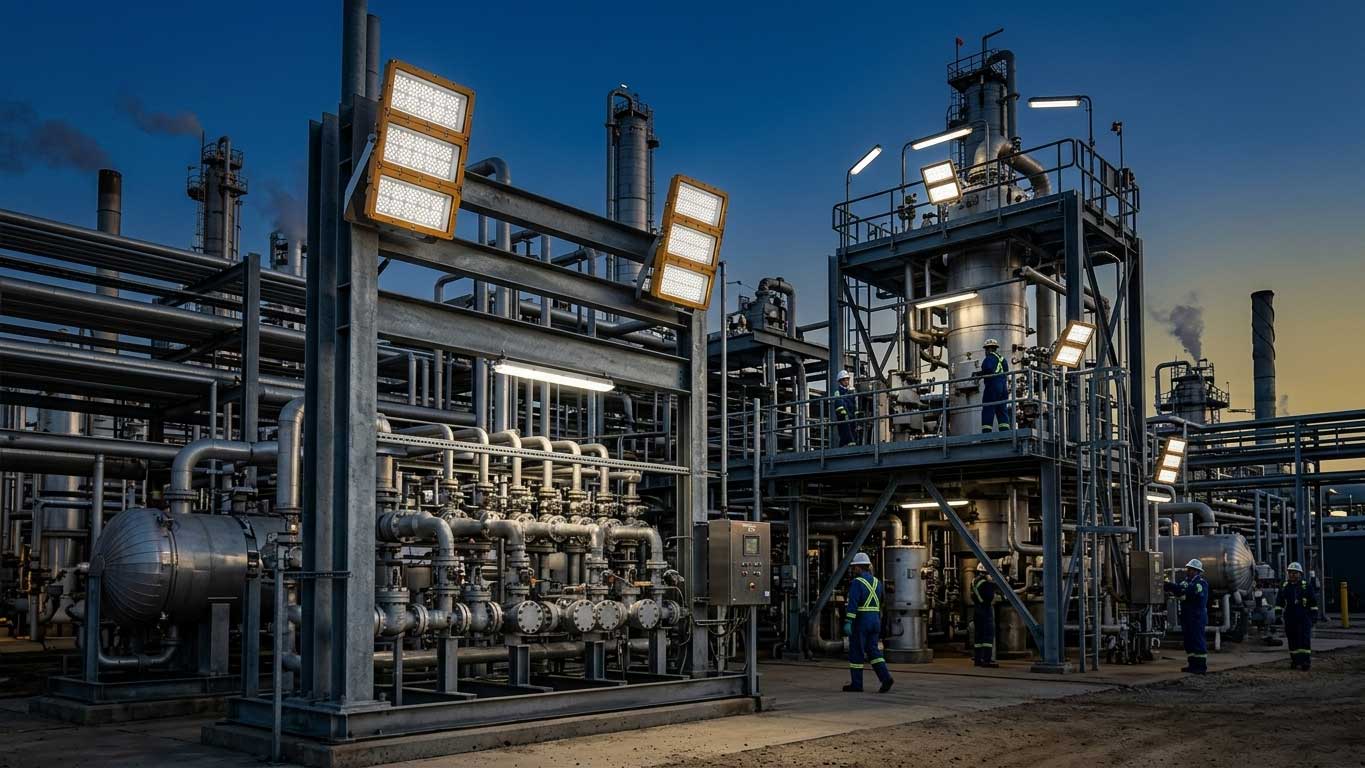
Not every hazardous facility requires Division 1 equipment.
But some environments do.
The U.S. Energy Information Administration reports that the United States produces more than 13 million barrels of crude oil per day in recent years.
(Source: U.S. Energy Information Administration — https://www.eia.gov)
Every stage of production involves flammable hydrocarbons.
Common applications include:
The chemical industry regularly handles:
Many of these substances generate ignitable vapors during normal operations.
Liquefied natural gas facilities present unique challenges because methane can create explosive atmospheres if released.
Lighting systems in these environments must withstand:
Twenty years ago, many hazardous locations still relied heavily on:
The difference today is dramatic.
According to the U.S. Department of Energy, LED technology can significantly reduce energy consumption while providing longer operational life compared with traditional lighting technologies.
Source:
U.S. Department of Energy (DOE)
https://www.energy.gov
But energy savings are only part of the story.
From a hazardous-area perspective, LEDs offer three practical advantages:
Less wasted heat.
Lower thermal stress.
Easier temperature-class compliance.
Replacing fixtures in hazardous areas is rarely simple.
Permits.
Isolation procedures.
Work-at-height controls.
Gas testing.
Every maintenance event costs money.
Long-life LEDs reduce these disruptions.
Modern optics allow engineers to direct light exactly where needed instead of flooding entire work zones.
This improves visibility while reducing glare.
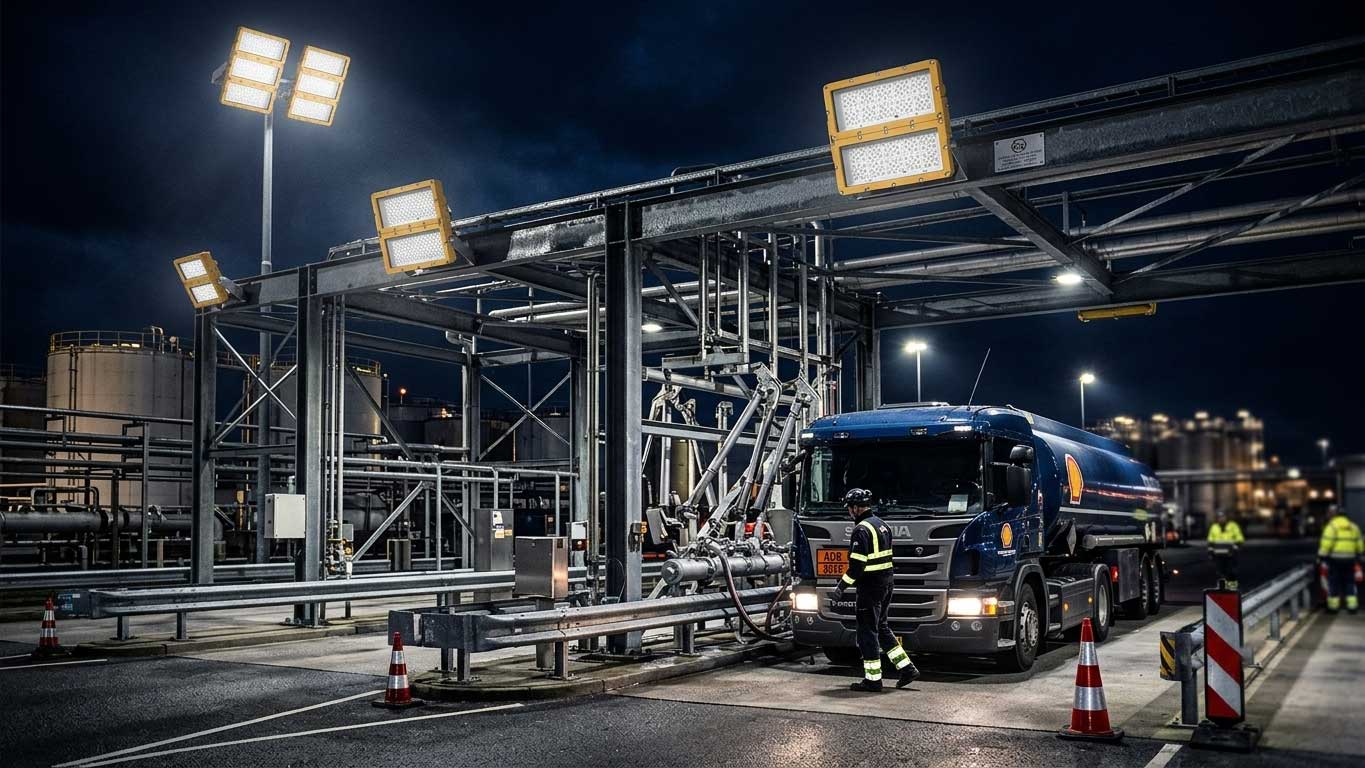
One purchasing mistake I continue to see involves confusing ingress protection ratings with hazardous location certifications.
IP66 is not Class 1 Division 1.
IP67 is not Class 1 Division 1.
IP68 is not Class 1 Division 1.
Buyers should verify:
Missing documentation should immediately raise questions.
The specification sheet tells only part of the story.
What matters is whether the fixture survives five years after installation.
I’ve seen facilities spend weeks comparing lumens and wattage while completely overlooking vibration exposure, ambient temperature, and maintenance access. Six months later, drivers start failing—not because the LEDs were poor, but because the environment was harsher than expected.
When evaluating Class 1 Division 1 LED lighting, I generally focus on five areas first.
Always verify:
If a supplier cannot immediately provide certification documents, stop there.
Many hazardous locations operate far beyond normal industrial conditions.
Examples:
| Environment | Typical Temperature |
|---|---|
| Desert refinery | 50°C+ |
| Offshore platform | Salt-laden humid air |
| LNG facility | Extreme cold exposure |
| Chemical plant | High process heat zones |
A fixture rated for 40°C may struggle in locations regularly reaching 55°C.
This point gets overlooked constantly.
In coastal facilities, corrosion often destroys fixtures long before LEDs reach their rated life.
Look for:
Especially near:
Not every work area needs the same beam pattern.
A narrow beam may work for tall towers.
A wide beam often works better for loading racks.
Choosing the wrong optic can leave operators working in shadows despite having sufficient lumen output on paper.
Several years ago I reviewed bids for a petrochemical expansion project.
Three suppliers submitted quotations.
The lowest bid looked attractive.
Until the engineering team discovered the fixture lacked proper hazardous-area certification.
The difference in fixture price was roughly 12%.
The difference in project risk was enormous.
A lighting system is usually a tiny fraction of total facility cost.
Yet choosing uncertified equipment can expose operators to:
The cheapest fixture is rarely the least expensive solution.
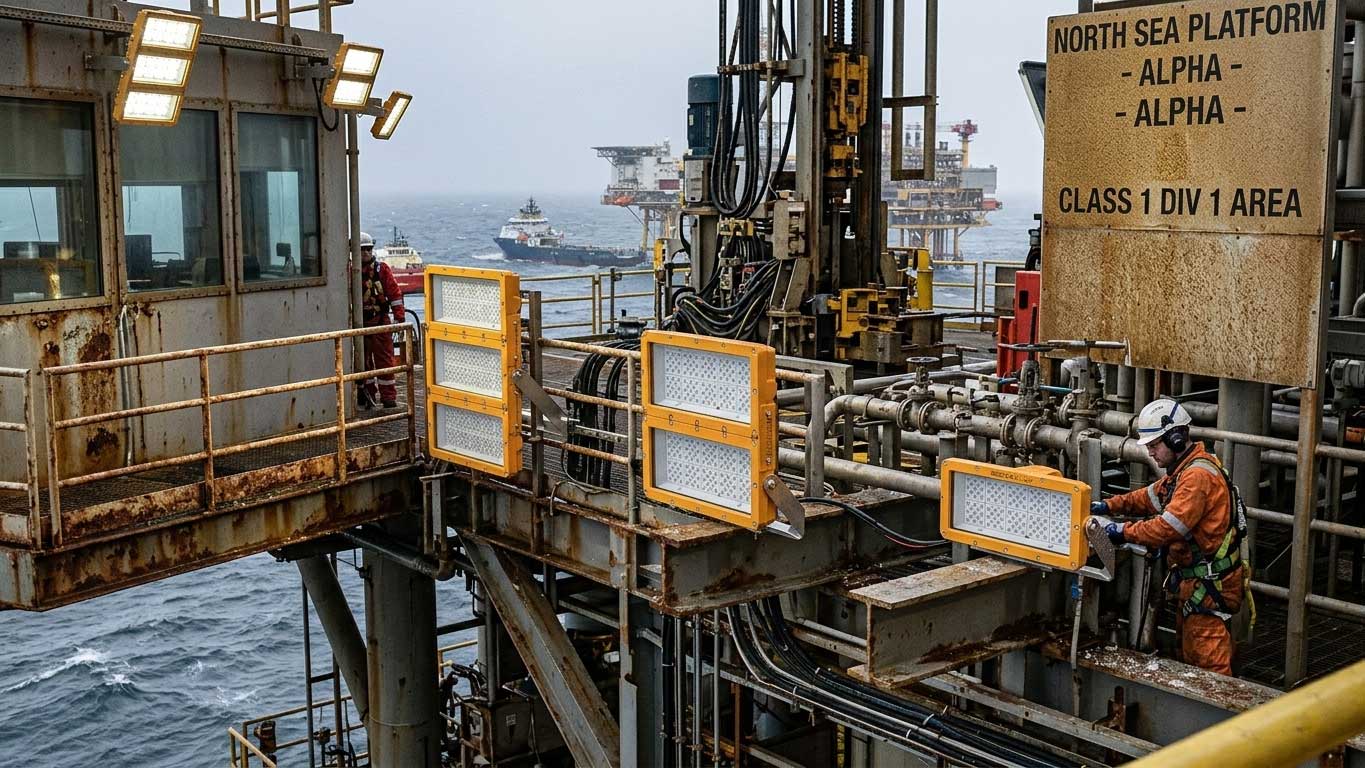
This remains one of the most common questions from buyers.
The difference is not the equipment.
The difference is the probability of hazardous atmosphere presence.
| Feature | Class 1 Div 1 | Class 1 Div 2 |
|---|---|---|
| Flammable gas present during normal operation | Yes | No |
| Hazard level | Higher | Lower |
| Fixture construction | More stringent | Less stringent |
| Typical cost | Higher | Lower |
| Applications | Refineries, process units | Storage areas, adjacent zones |
A simple rule:
If hazardous gases are expected during normal operations, Division 1 generally applies.
If hazardous gases appear only during abnormal events such as leaks or equipment failure, Division 2 may be acceptable.
Always confirm with site classification drawings.
Global projects often involve both North American and international standards.
Although the concepts are similar, the classification systems differ.
| North America | International Equivalent |
|---|---|
| Class 1 Div 1 | ATEX Zone 1 |
| Class 1 Div 2 | ATEX Zone 2 |
However, the systems are not directly interchangeable.
Certification requirements differ.
Documentation differs.
Markings differ.
For multinational projects, engineers frequently specify products carrying:
This simplifies procurement across regions.
According to the official IECEx certification database, thousands of hazardous-location products are currently certified under IECEx schemes worldwide.
Source:
IECEx System
https://www.iecex.com
Manufacturers often advertise:
But real-world life depends heavily on environment.
A fixture operating:
may approach its rated lifespan.
The same fixture exposed to:
may experience reduced driver life.
From field experience, quality hazardous-area LED fixtures commonly deliver 8–15 years of service before major replacement becomes necessary.
The driver typically reaches end-of-life before the LED chips themselves.
Poor installation remains a bigger problem than poor products.
Hazardous-area certifications often depend on approved glands.
Using unapproved entries can invalidate certification.
Improper tightening can compromise flame paths.
Some fixtures are installed too close to process heat sources.
Heat buildup accelerates component degradation.
Periodic inspection remains essential.
The U.S. Occupational Safety and Health Administration (OSHA) and NFPA standards both emphasize ongoing maintenance and inspection of electrical systems in hazardous locations.
Sources:
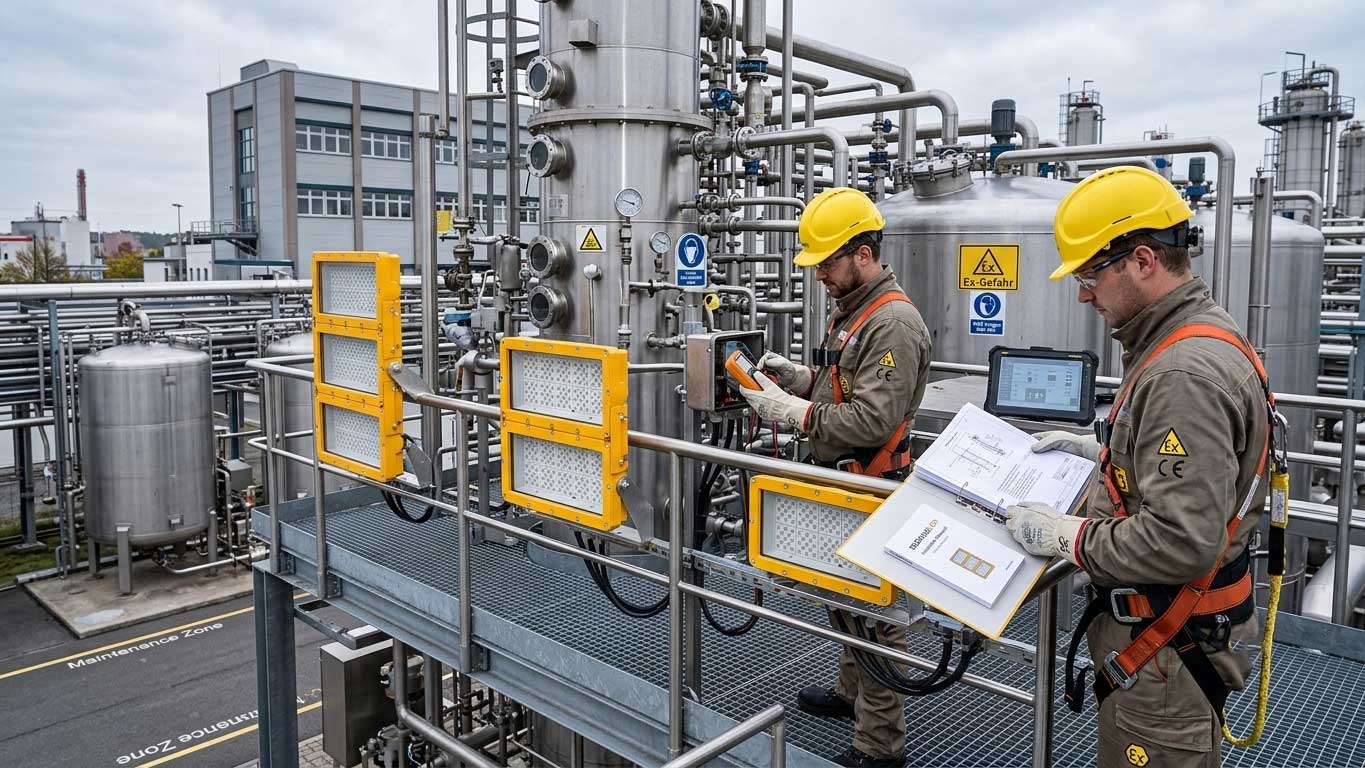
Before approving any Class 1 Division 1 LED lighting project, verify:
✓ UL844 certification
✓ Correct gas group approval
✓ Proper temperature class
✓ Ambient temperature rating
✓ Corrosion protection level
✓ Warranty terms
✓ Third-party testing documentation
✓ Spare parts availability
✓ Mounting compatibility
✓ Electrical voltage compatibility
This checklist alone can eliminate many procurement mistakes.
Not exactly.
Most Class 1 Division 1 fixtures use explosion-proof protection methods, but certification requirements encompass more than enclosure strength alone.
No.
Ordinary industrial fixtures generally lack the required certification and protective construction.
In many hazardous applications, yes. LEDs typically operate at lower temperatures, require less maintenance, and provide more consistent illumination.
Inspection frequency depends on facility procedures and regulatory requirements, but annual inspections are common in many industrial environments.
Typical industries include:
Direct access to product page:Class 1 Division 1 LED Explosion proof light
The best Class 1 Division 1 LED lighting is not necessarily the fixture with the highest lumen output or the lowest purchase price.
It is the fixture that remains compliant, reliable, and safe after years of exposure to harsh industrial conditions.
In hazardous locations, lighting becomes part of the facility’s safety infrastructure. When flammable gases may be present during routine operations, certification, engineering design, and installation quality matter far more than marketing claims.
For operators managing refineries, chemical plants, LNG facilities, and fuel terminals, properly selected class 1 division 1 led lighting helps reduce maintenance interruptions, improve visibility, and maintain compliance in environments where mistakes can be extraordinarily expensive.
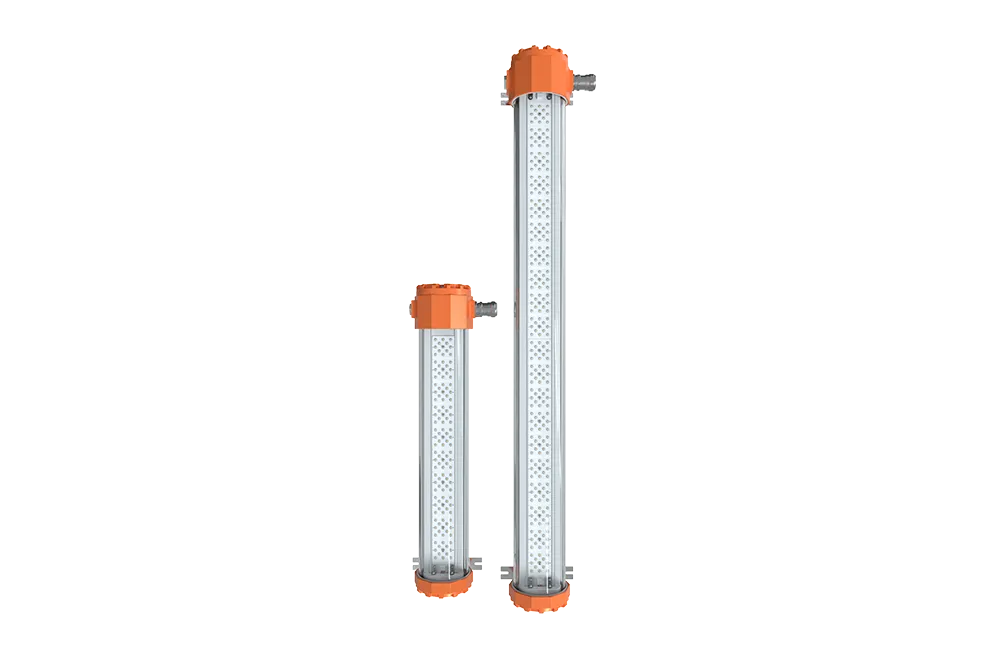
SEEKINGLED LED Linear Explosion Proof Light and Explosion Proof lighting is ATEX and IECEx certified for Zone 1, Zone 2, Zone 21 and Zone 22 hazardous locations, built for long-term industrial use.
View details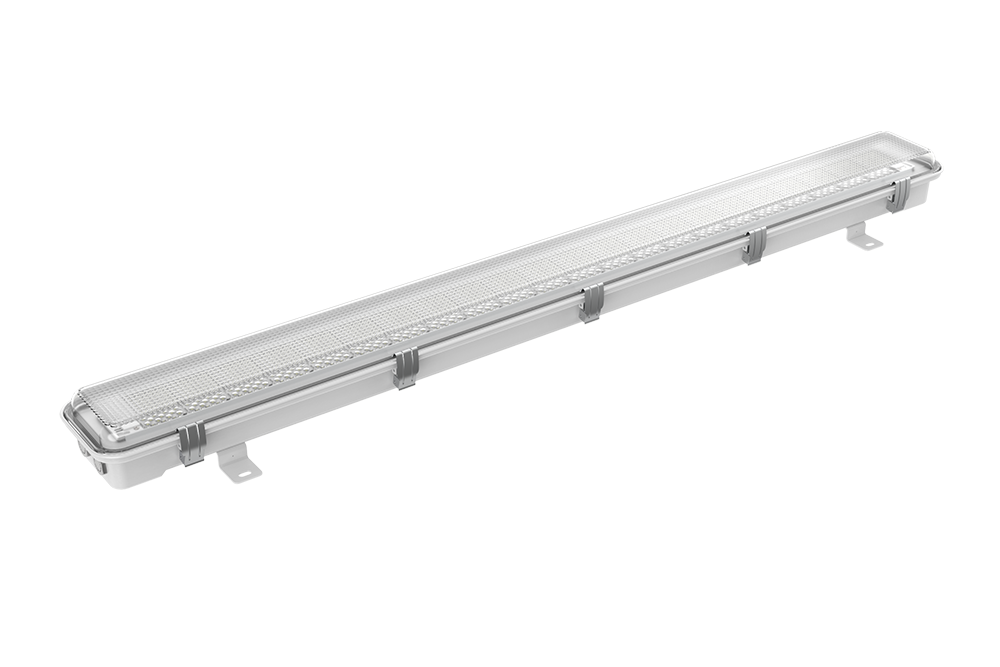
LED Linear Explosion Proof Lights and EX Proof lights for Zone 1, Zone 2, Zone 21 and Zone 22 hazardous areas. ATEX & IECEx certified explosion proof LED linear lighting with emergency function, adjustable power and IP67 protection by SEEKINGLED.
View details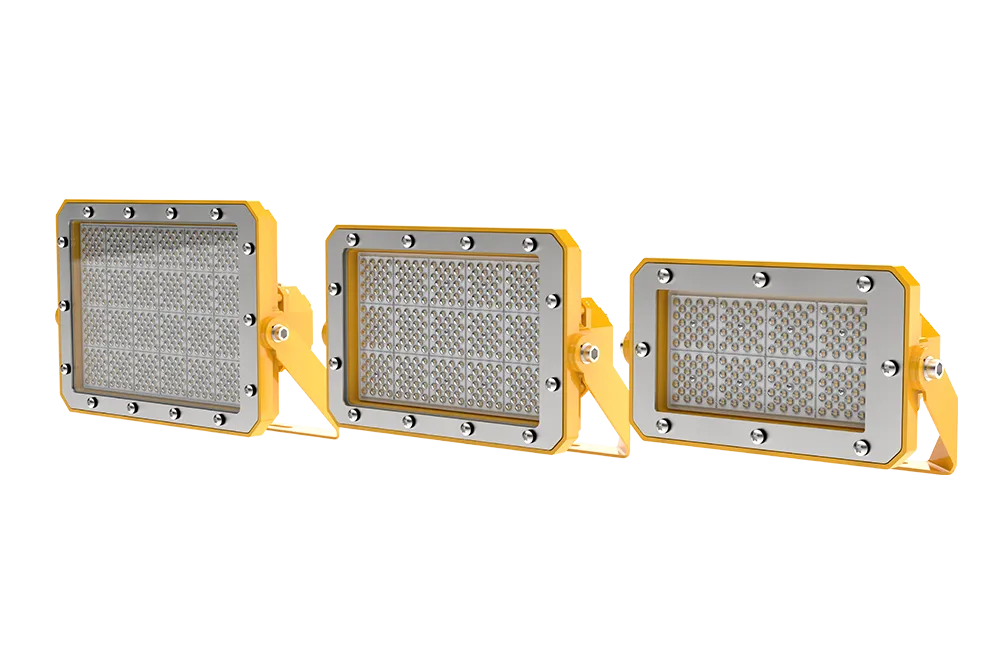
SEEKINGLED LED Explosion Proof Flood Lights are ATEX certified for Zone 2 and Zone 22 hazardous areas, offering high efficiency, adjustable power and integrated junction box.
View details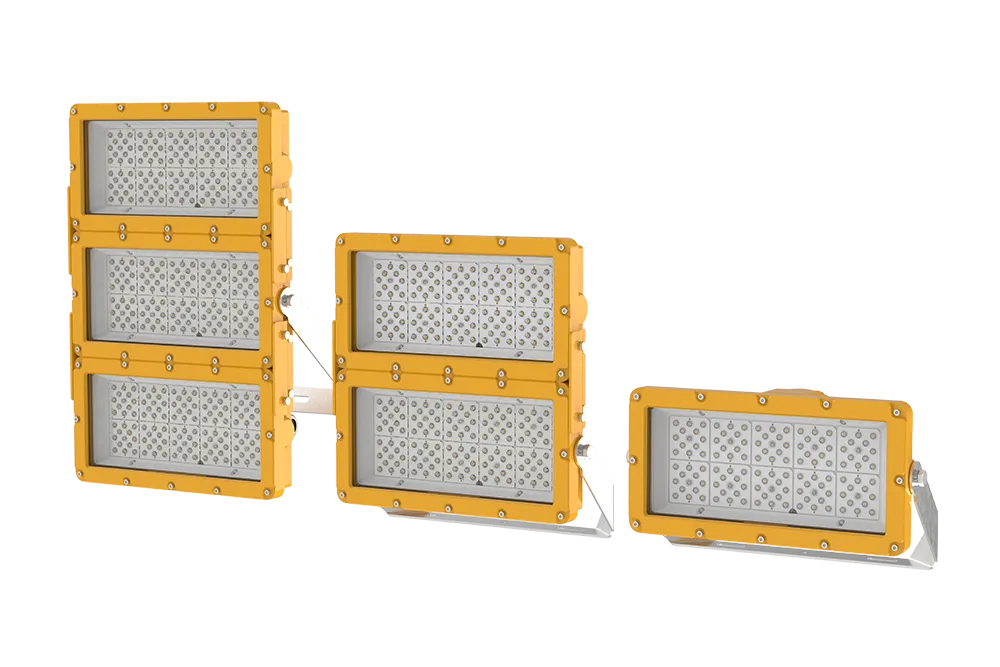
SEEKINGLED LED Explosion Proof Flood Lights are flameproof ATEX and IECEx certified for Zone 1 and Zone 2 hazardous areas, offering high power, adjustable output and long service life.
View details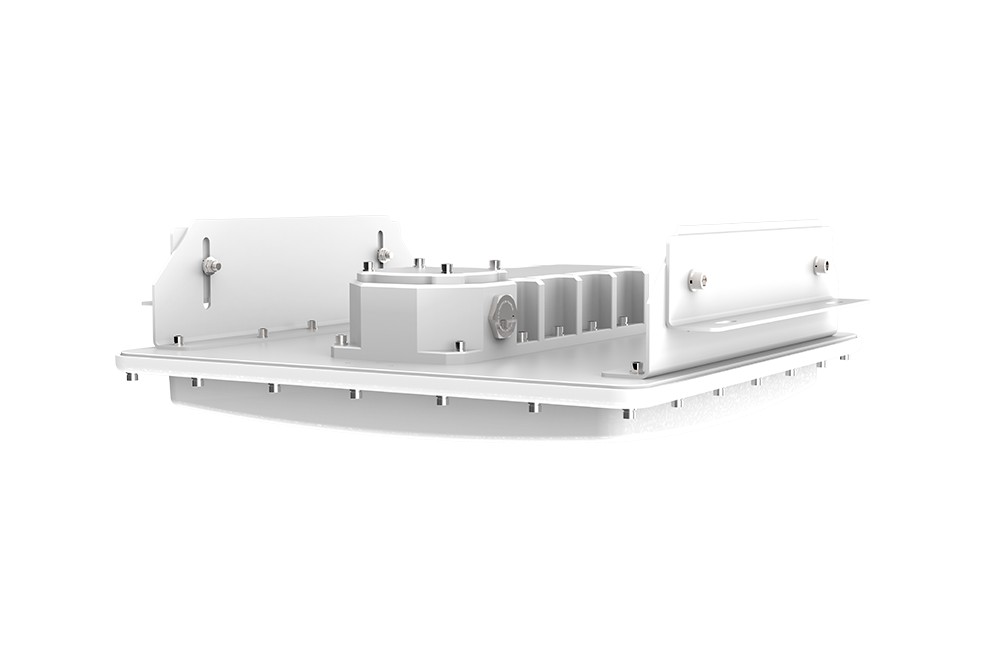
SEEKINGLED LED Gas Station Canopy Lights are ATEX certified for Zone 2 and Zone 22 hazardous areas, featuring adjustable power and built-in explosion-proof junction box.
View details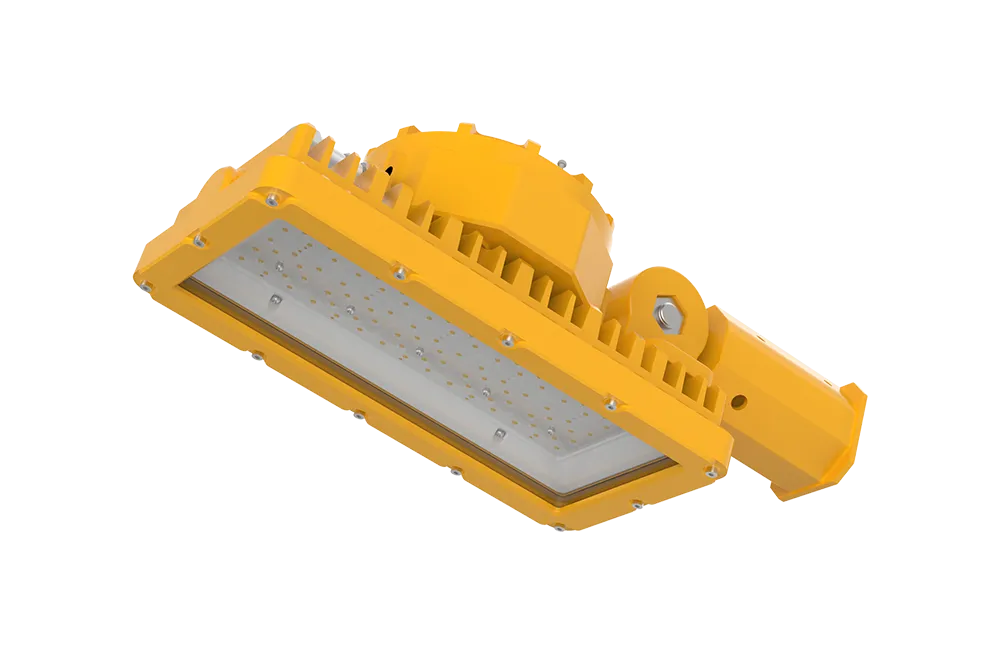
ATEX: Ex II 2G Ex db IIB T6/T5 GbEx II 2D Ex tb IIIC T80°C/ T95°C Db IECEx Ex db IIB T6 Gb;Ex tb IIIC T80°C Db Feature: ● For Zone 1,2 and Zone 21,22● Flameproof type, the strongest● 100W can replace 250W HID,energy saving● Power:60W,80W,100W Application: Oil and gas, marine, Chemical, pharmaceutical, semiconductor,mining,military industr…
View details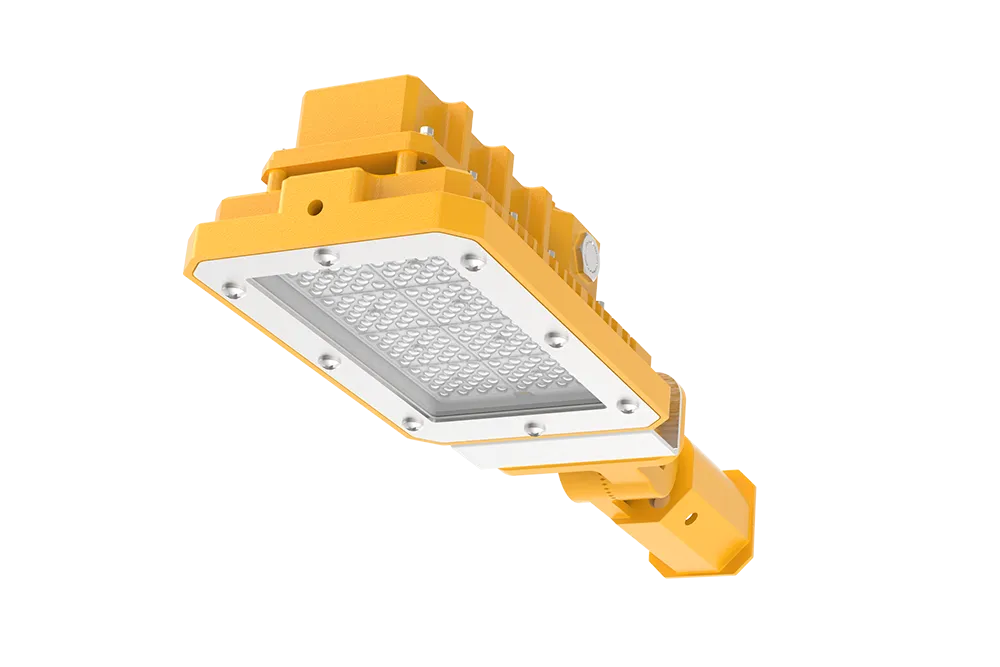
ATEX: II 3G Ex nR ⅡC T5/T6 GcII 3D Ex tc ⅢC T80℃/T95℃Dc ATEX Certificate NO: TÜV CY 26 ATEX 0207611 X Feature: ● For Zone 2 and Zone 22● 150W can replace 250W HID lamps,Energy saving● Power:50W,75W,100W,150W,200W Application: Oil and gas, marine, Chemical, pharmaceutical, semiconductor,mining,military industry, paint booth,power plant ETC…
View details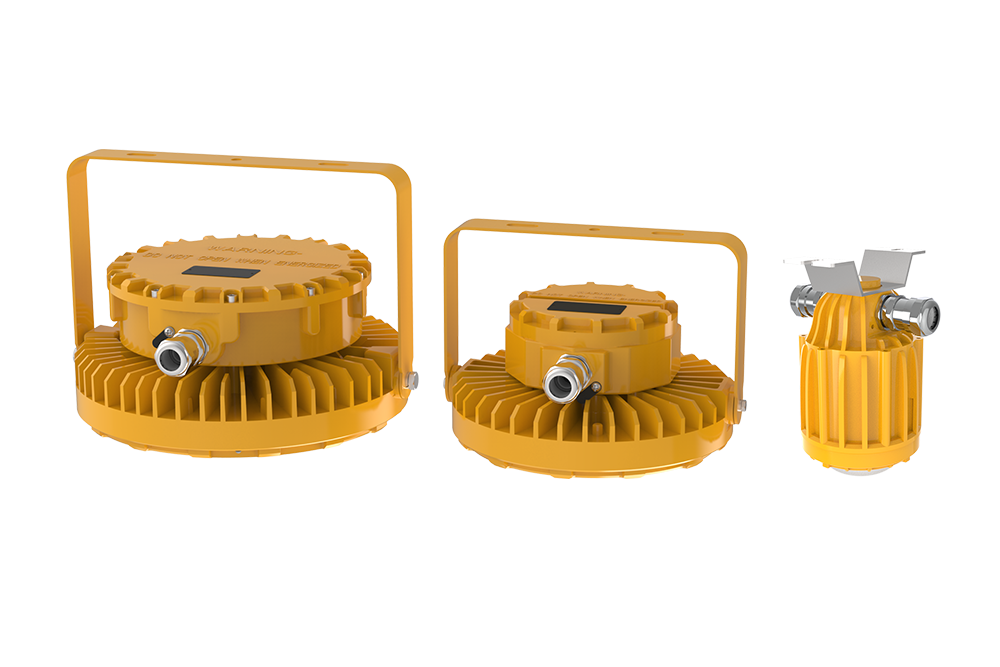
LED explosion proof high bay lights are designed for Zone 1, Zone 2, Zone 21 and Zone 22 hazardous areas. This page introduces the HB21 Series from SEEKING, including certifications, power options and real application considerations.
View details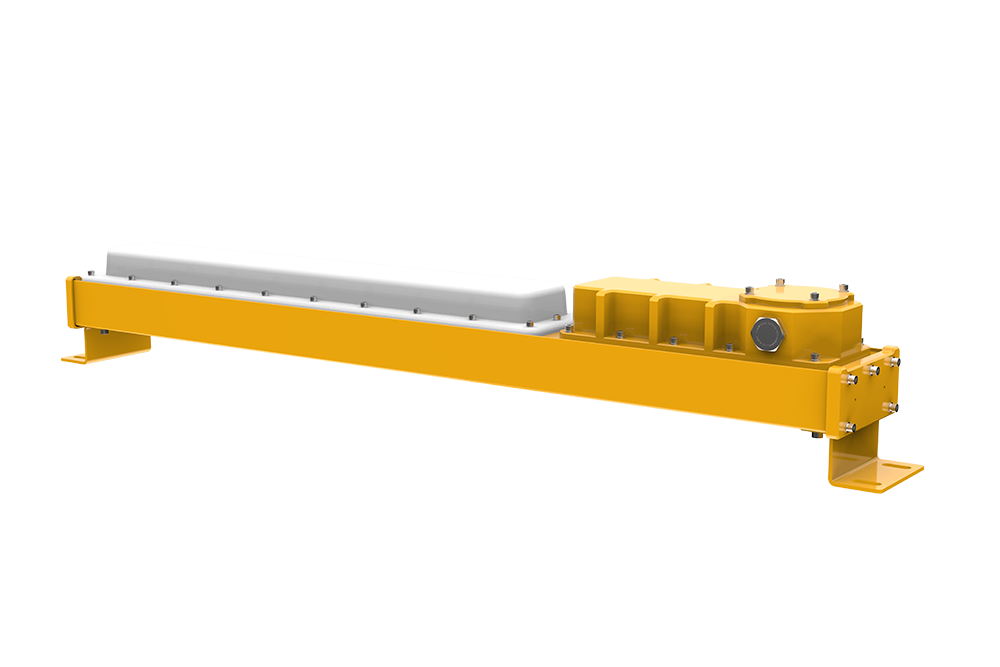
LED Linear Explosion Proof Lights from SEEKINGLED. LU Series Flame Proof lights ATEX-certified explosion proof LED linear lighting for Zone 2 gas and Zone 22 dust areas, IP69K, IK10, long lifetime and flexible power options.
View details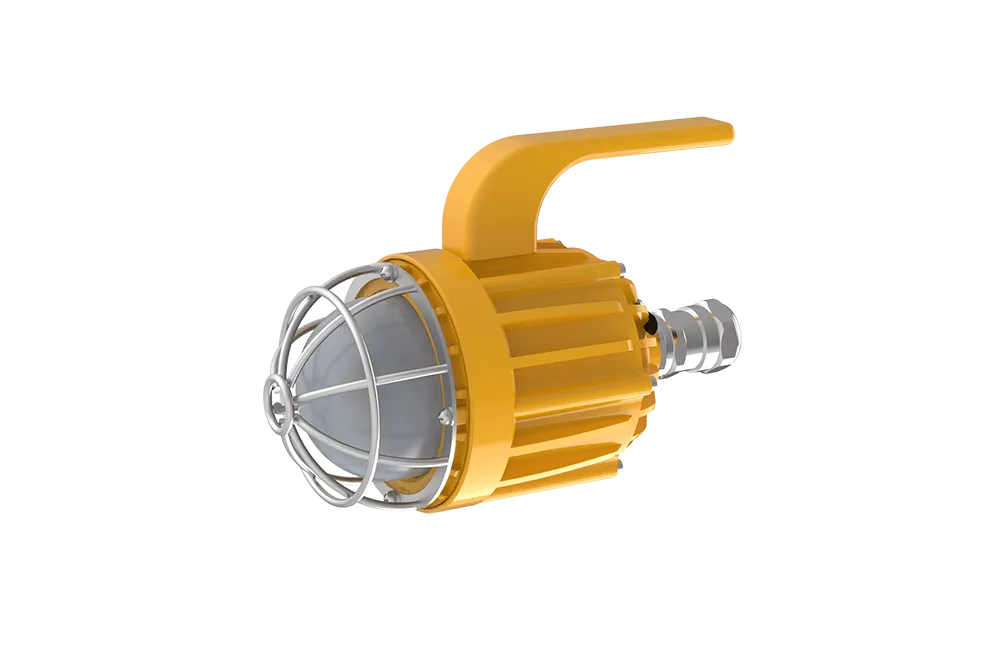
Certified explosion proof work lights for Zone 1 & 21 hazardous areas. Portable, ATEX & IECEx approved, built for oil, gas and chemical plants by SEEKINGLED.
View details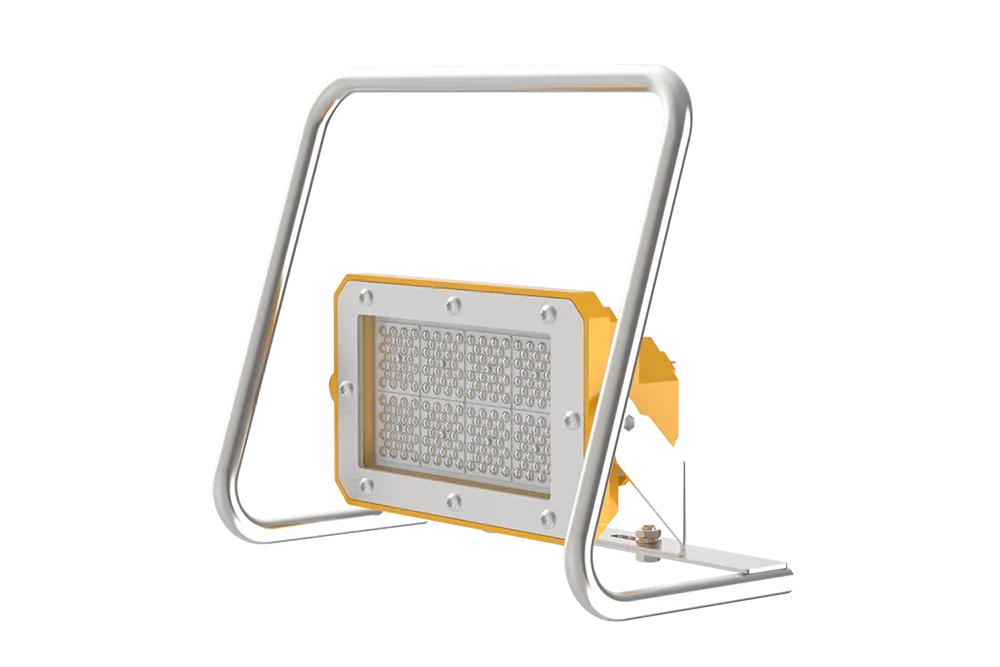
ATEX: II 3G Ex nR ⅡC T6 GcII 3D Ex tc ⅢC T80℃ Dc ATEX Certificate NO: TÜV CY 26 ATEX 0207611 X Feature: ● For Zone 2 and Zone 22● Accepts battery-powered supply● indestructible● Power:AC input:50W,75W,100WDC input:15W,25W,35W Application: Oil and gas, marine, Chemical, pharmaceutical, semiconductor,mining,military industry, paint booth,po…
View details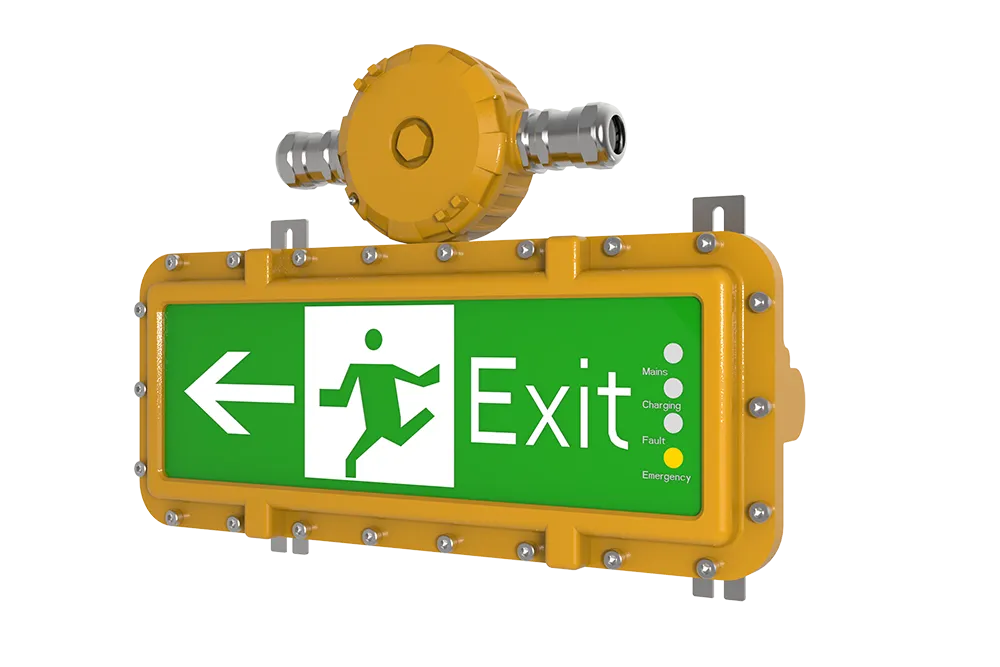
ATEX: Ex II 2G Ex db IIB T6 GbEx II 2D Ex tb IIIC T80°C Db IECEx Ex db IIB T6 Gb;Ex tb IIIC T80°C Db Feature: ● For Zone 1,2 and Zone 21,22● Flameproof type, the strongest Application: Oil and gas, marine, Chemical, pharmaceutical, semiconductor,mining,military industry, paint booth,power plant ETC hazardous area. Technical Specifications:…
View details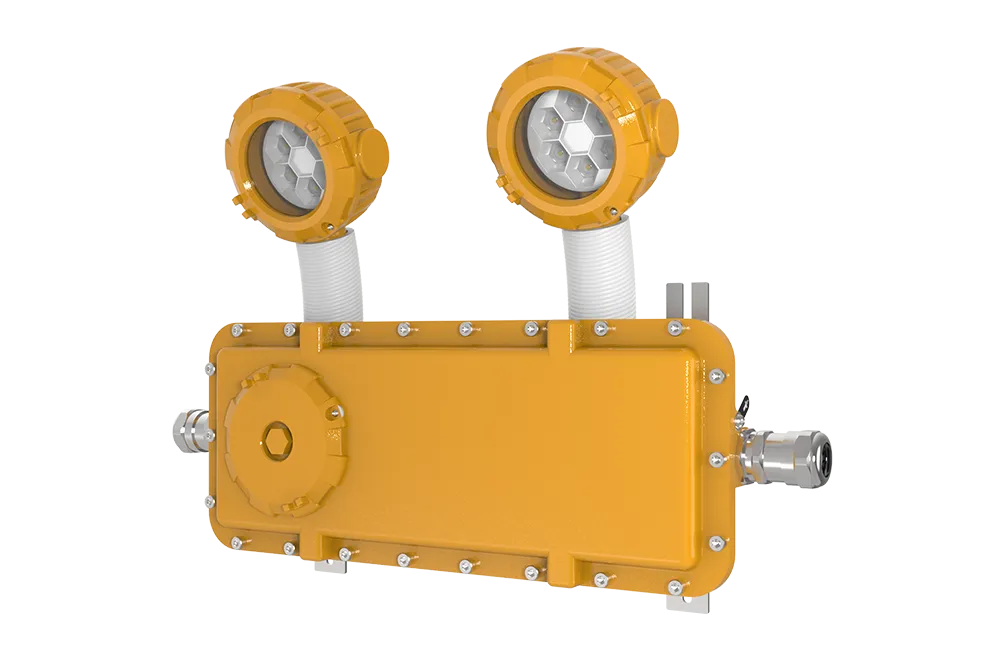
ATEX: Ex II 2G Ex db IIB T6 GbEx II 2D Ex tb IIIC T80°C Db IECEx Ex db IIB T6 Gb;Ex tb IIIC T80°C Db Feature: ● For Zone 1,2 and Zone 21,22● Flameproof type, the strongest Application: Oil and gas, marine, Chemical, pharmaceutical, semiconductor,mining,military industry, paint booth,power plant ETC hazardous area. Technical Specifications:…
View details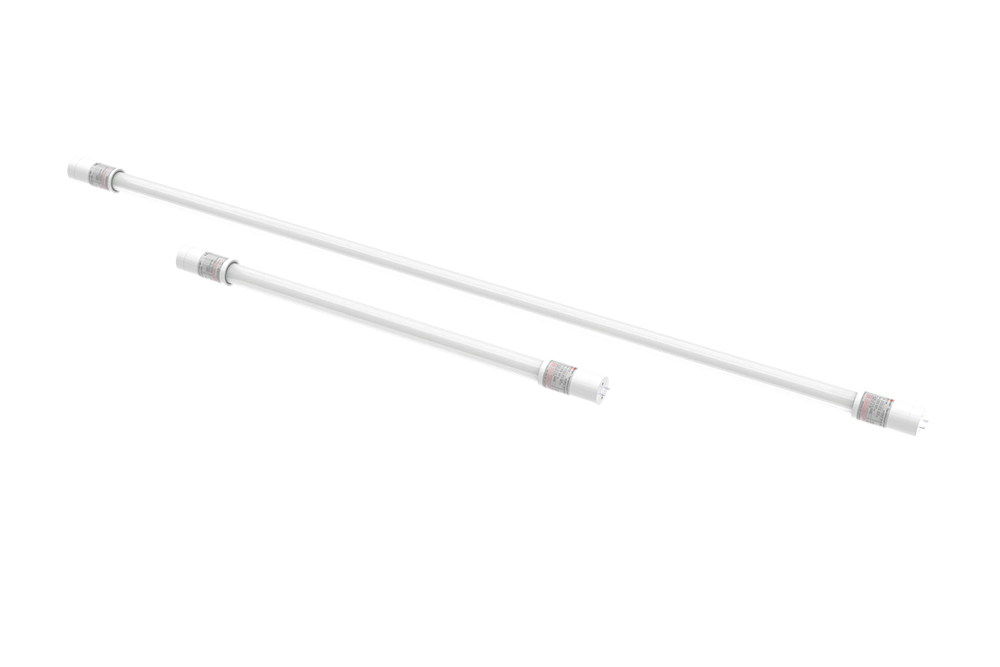
ATEX: Ex II 2G Ex d e IIB T6 Gb ATEX: Ex d e IIB T6 Gb; Feature: ● For Zone 1,2● 9W can replace 18W fluorescent lamps,50% Energy saving Application: Oil and gas, marine, Chemical, pharmaceutical, semiconductor,mining,military industry, paint booth,power plant ETC hazardous area. Technical Specifications: Standards:60079-0, 60079-1, 60079…
View details
Wire flood lights by isolating the breaker, verifying L/N/E conductors, securing connections in a junction box, and protecting outdoor connections from moist...
View details
How long do LED lights last? Learn the real lifespan of LED lighting, what affects longevity, and how long LED bulbs last compared to traditional lights in commercial and residential use.
View details
foco led 100w floodlights deliver efficient, bright outdoor lighting with low energy use, long lifespan, and reliable performance for residential and commercial use.
View details
This news article explains how toll station LED lighting solutions improve safety, traffic efficiency, and energy savings using high-performance LED luminaires from SEEKINGLED.
View details