 Seeking LED
What Does the Cut Line Look Like on LED Lights?
350What does the cut line look like on LED lights? This guide explains how beam edges appear in real installations and why cut line quality affects LED linear lighting performance.
View detailsSearch the whole station
What are hazardous location LED lights?
Hazardous location LED lights are certified lighting fixtures designed for areas where flammable gases, combustible dust, vapors, or fibers may be present. They are engineered to prevent sparks, arcs, and excessive surface temperatures from igniting explosive atmospheres, allowing workers to operate safely while maintaining reliable illumination in dangerous industrial environments.
A few years ago, I was walking through a fuel storage terminal just after sunrise. The site looked calm. Tank trucks sat idle. Pumps hummed in the background. Nothing seemed particularly dangerous.
Then an operations manager pointed toward a vapor recovery unit and said something that stuck with me:
“Most people only see the equipment. We see what could happen if the wrong equipment is installed.”
That sentence explains hazardous location LED lights better than most technical manuals.
These fixtures are not simply brighter industrial lights. They exist because certain workplaces contain invisible risks that ordinary lighting was never designed to handle.
Every electrical device generates some combination of heat, electricity, and mechanical activity.
Under normal conditions, that’s not a problem.
Inside a refinery, chemical plant, grain elevator, ethanol facility, paint factory, or offshore platform, it becomes a different conversation.
A tiny spark can be enough.
A loose terminal can be enough.
Even a surface temperature exceeding an ignition threshold can be enough.
According to OSHA, combustible dust incidents continue to cause serious injuries and fatalities in industrial facilities throughout the United States.
Source: OSHA Combustible Dust Safety Program
Website: OSHA
URL: https://www.osha.gov/combustible-dust
Hazardous location LED lights were developed specifically to reduce those ignition risks.
Many people assume hazardous locations only exist in oil refineries.
That isn’t true.
I’ve inspected facilities where the largest explosion risk wasn’t gasoline, propane, or natural gas.
It was flour.
Or sugar.
Or grain dust.
When combustible materials become suspended in air at sufficient concentrations, ignition becomes possible.
Common hazardous environments include:
The U.S. Chemical Safety Board has repeatedly investigated dust explosions involving food manufacturing facilities, highlighting how easily combustible dust hazards can be overlooked.
Source: U.S. Chemical Safety Board (CSB)
Website: CSB
URL: https://www.csb.gov
A standard warehouse fixture focuses on:
Hazardous location LED lights must address something else entirely:
Ignition prevention.
Their design incorporates multiple protective measures.
| Feature | Purpose |
|---|---|
| Sealed enclosure | Prevents contaminant entry |
| Temperature control | Limits ignition risk |
| Reinforced housing | Contains internal failures |
| Certified cable entries | Protects electrical integrity |
| Impact-resistant construction | Survives harsh environments |
The result is a fixture capable of operating safely where conventional lighting should never be installed.
In practice, I encounter these fixtures most frequently in facilities where explosive atmospheres are considered part of normal operations.
Applications include:
Hydrocarbon vapors can appear during routine operations, making certified lighting essential.
Chemical plants often handle:
Many of these materials possess low ignition energies.
The lighting system therefore becomes part of the facility’s overall risk-control strategy.
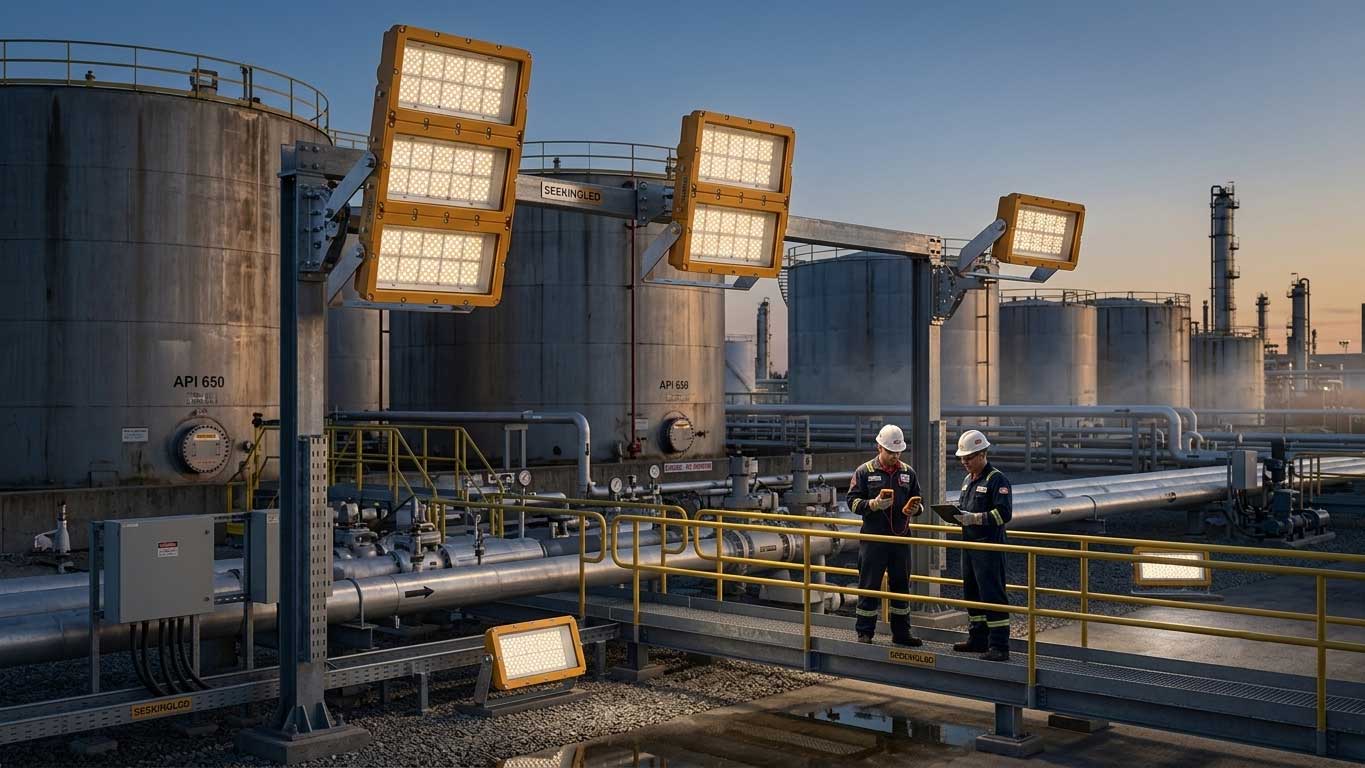
Not all hazardous environments carry the same level of risk.
That’s why international standards classify locations.
Flammable gases and vapors.
Examples:
Hazards are present during normal operation.
Hazards are present only under abnormal conditions.
| Zone | Description |
|---|---|
| Zone 0 | Hazard present continuously |
| Zone 1 | Hazard likely during operation |
| Zone 2 | Hazard unlikely but possible |
One mistake I often see is buyers assuming a Zone 2 fixture can be used everywhere.
It cannot.
The certification must match the actual risk level.
Older hazardous area fixtures often relied on technologies that generated significant heat and required regular lamp replacement.
LEDs changed the economics.
And, perhaps more importantly, they improved reliability.
Many certified hazardous location LED lights carry operational ratings of:
Depending on operating conditions, that can mean years of continuous service.
The U.S. Department of Energy notes that LED technology delivers substantially longer lifespans and improved energy efficiency compared with many traditional lighting technologies.
Source: U.S. Department of Energy
Website: Energy.gov
URL: https://www.energy.gov
Maintenance doesn’t happen in an office.
It happens in hazardous environments.
Every avoided fixture replacement means:
That benefit rarely appears in marketing brochures, but facility managers understand it immediately.
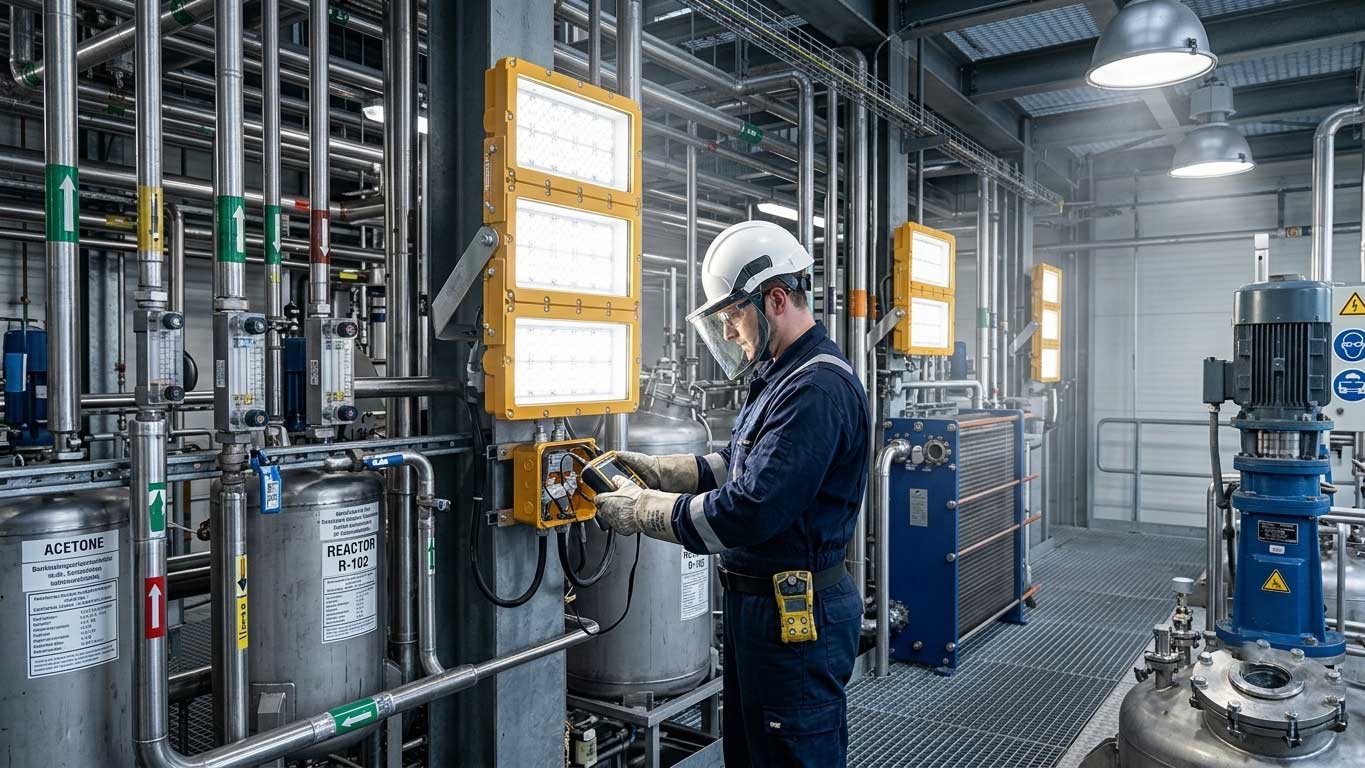
After years of reviewing specifications and installations, the same purchasing mistakes appear repeatedly.
Higher wattage does not automatically produce better visibility.
Optical design often matters more.
The certification should always match the actual hazardous classification.
This is not an area for assumptions.
The cheapest fixture often becomes the most expensive once maintenance, downtime, and replacement labor are included.
Some are. Others use different protection concepts such as increased safety or non-incendive designs. Certification details determine suitability.
No. Ordinary fixtures lack the certifications required for explosive atmospheres.
Most high-quality fixtures are rated between 50,000 and 100,000 operating hours depending on design and operating conditions.
Oil and gas, petrochemical processing, mining, marine terminals, food manufacturing, pharmaceuticals, and chemical production.
Direct access to product page:Hazardous Location Explosion proof light
The answer to What are hazardous location LED lights becomes clearer once you’ve spent time inside facilities where explosive atmospheres are part of everyday operations. These fixtures are not simply lighting products. They are engineered safety devices designed to reduce ignition risks while maintaining reliable visibility.
For operators responsible for hazardous environments, properly certified hazardous location LED lights from SEEKINGLED represent more than compliance—they represent a practical layer of protection for people, assets, and operations.
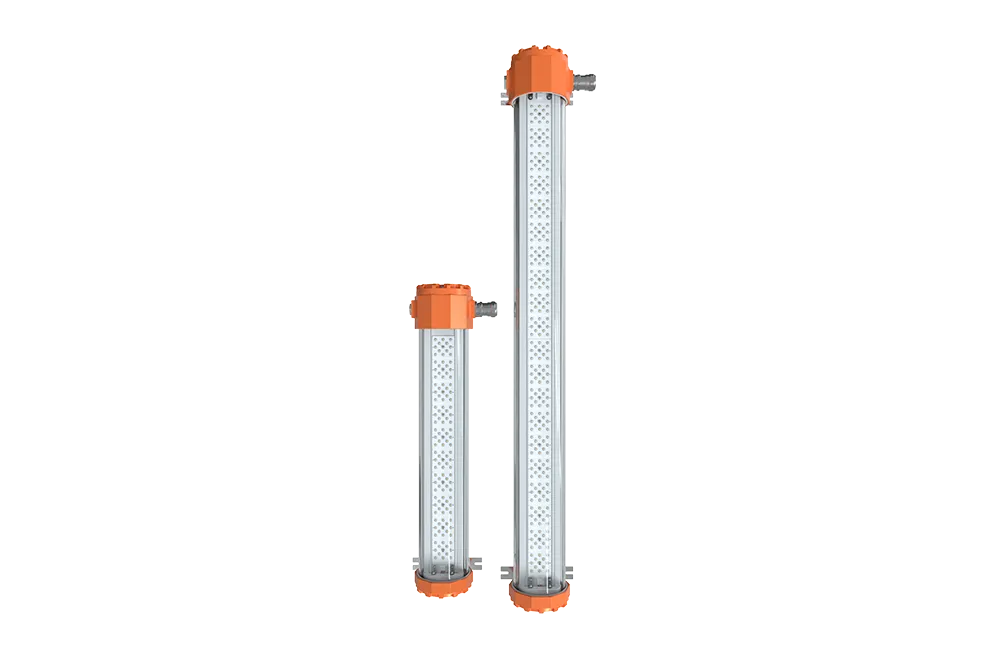
SEEKINGLED LED Linear Explosion Proof Light and Explosion Proof lighting is ATEX and IECEx certified for Zone 1, Zone 2, Zone 21 and Zone 22 hazardous locations, built for long-term industrial use.
View details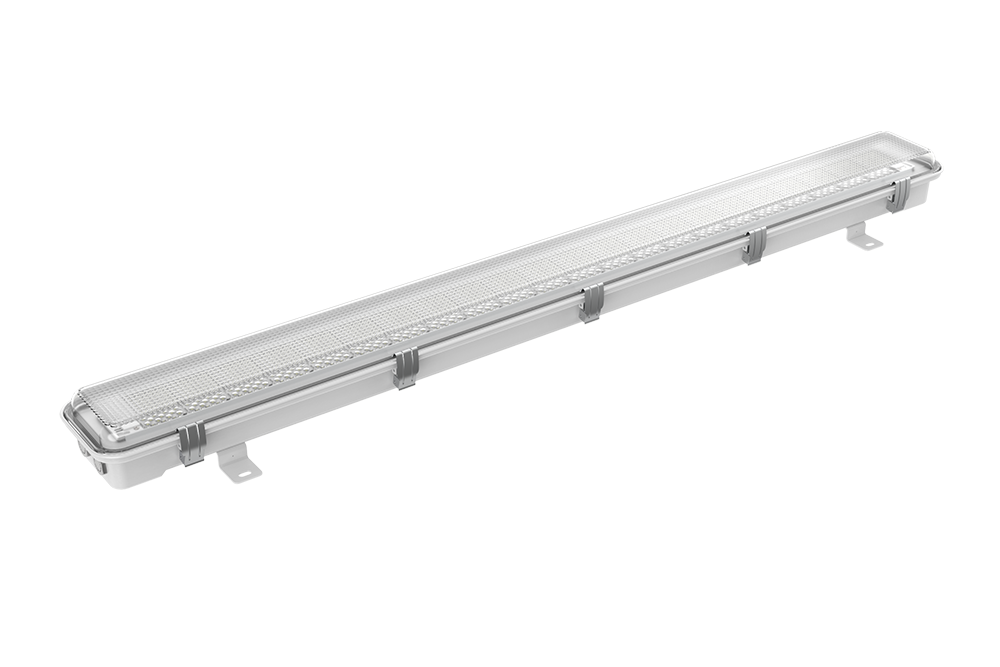
LED Linear Explosion Proof Lights and EX Proof lights for Zone 1, Zone 2, Zone 21 and Zone 22 hazardous areas. ATEX & IECEx certified explosion proof LED linear lighting with emergency function, adjustable power and IP67 protection by SEEKINGLED.
View details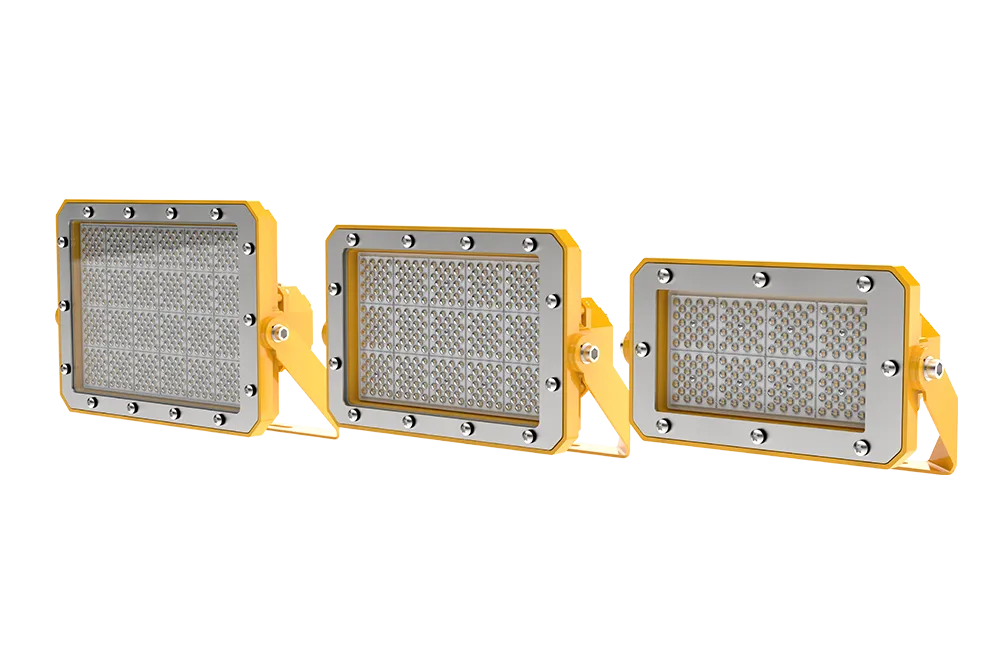
SEEKINGLED LED Explosion Proof Flood Lights are ATEX certified for Zone 2 and Zone 22 hazardous areas, offering high efficiency, adjustable power and integrated junction box.
View details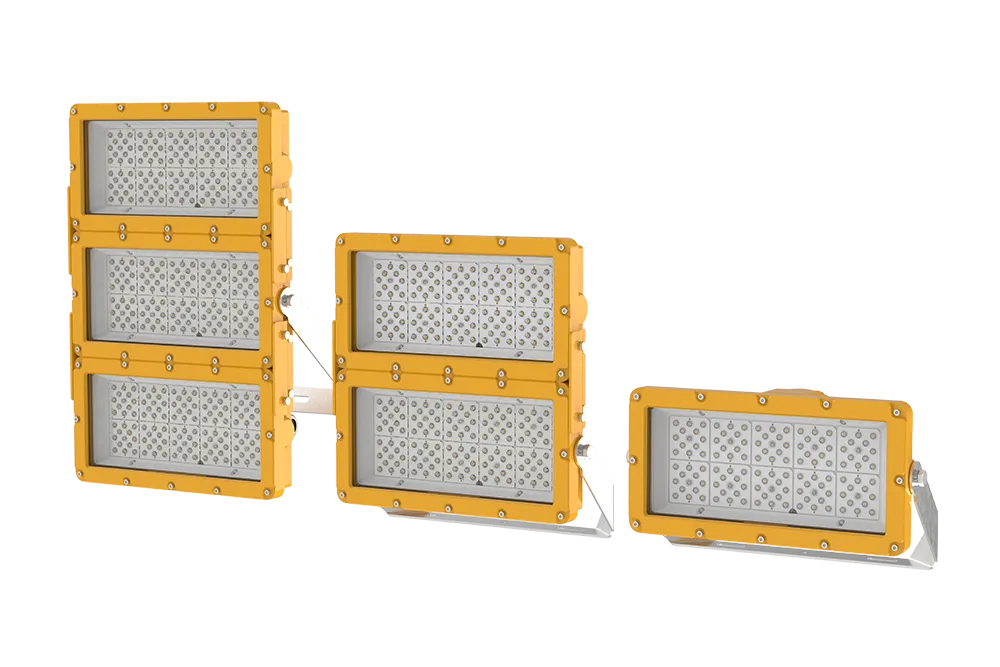
SEEKINGLED LED Explosion Proof Flood Lights are flameproof ATEX and IECEx certified for Zone 1 and Zone 2 hazardous areas, offering high power, adjustable output and long service life.
View details
SEEKINGLED LED Gas Station Canopy Lights are ATEX certified for Zone 2 and Zone 22 hazardous areas, featuring adjustable power and built-in explosion-proof junction box.
View details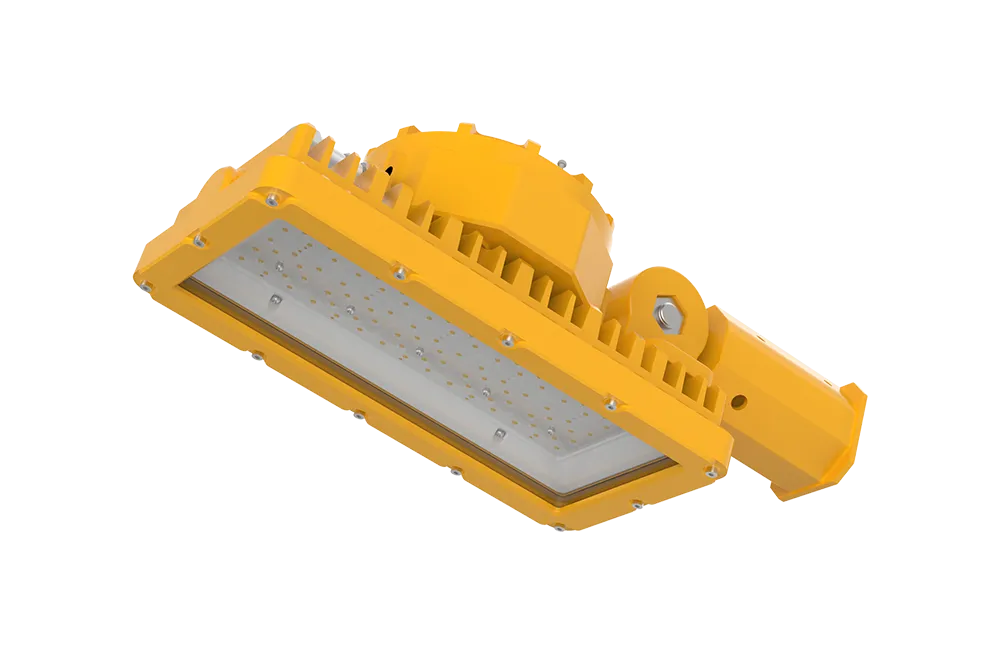
ATEX: Ex II 2G Ex db IIB T6/T5 GbEx II 2D Ex tb IIIC T80°C/ T95°C Db IECEx Ex db IIB T6 Gb;Ex tb IIIC T80°C Db Feature: ● For Zone 1,2 and Zone 21,22● Flameproof type, the strongest● 100W can replace 250W HID,energy saving● Power:60W,80W,100W Application: Oil and gas, marine, Chemical, pharmaceutical, semiconductor,mining,military industr…
View details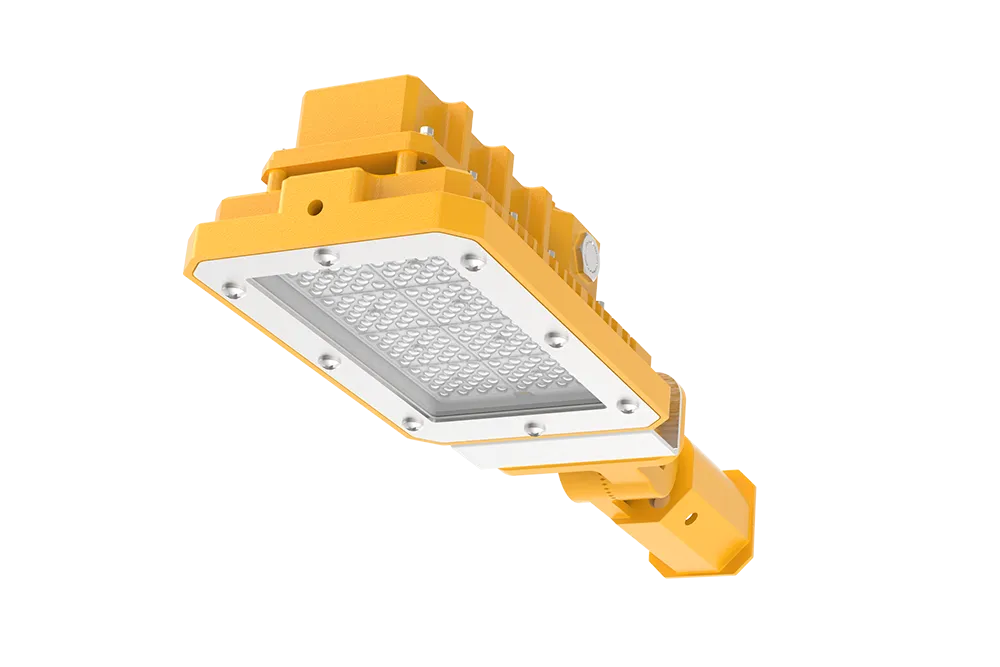
ATEX: II 3G Ex nR ⅡC T5/T6 GcII 3D Ex tc ⅢC T80℃/T95℃Dc ATEX Certificate NO: TÜV CY 26 ATEX 0207611 X Feature: ● For Zone 2 and Zone 22● 150W can replace 250W HID lamps,Energy saving● Power:50W,75W,100W,150W,200W Application: Oil and gas, marine, Chemical, pharmaceutical, semiconductor,mining,military industry, paint booth,power plant ETC…
View details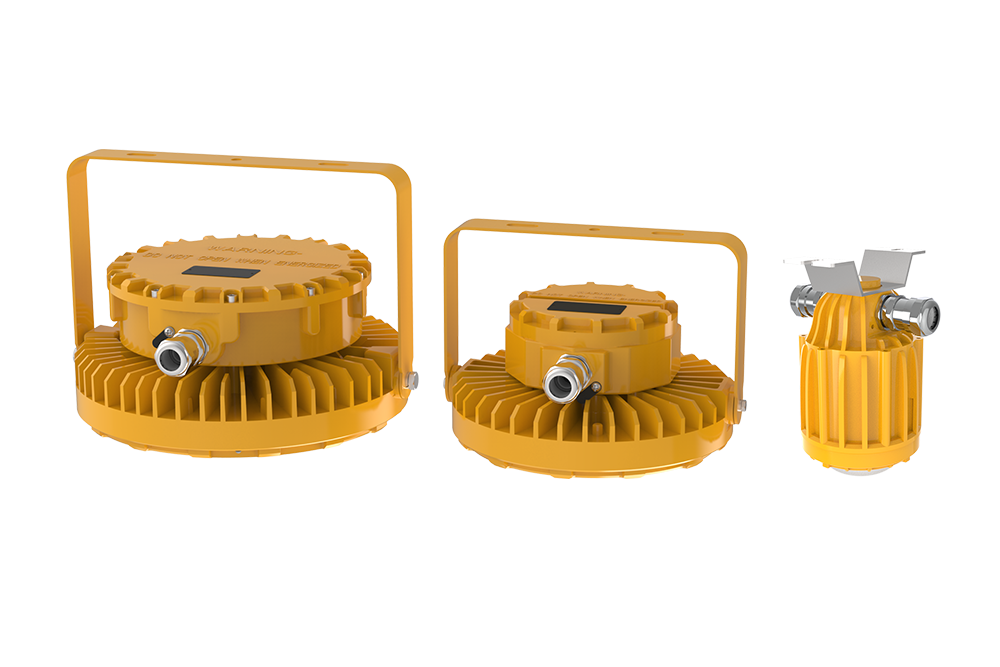
LED explosion proof high bay lights are designed for Zone 1, Zone 2, Zone 21 and Zone 22 hazardous areas. This page introduces the HB21 Series from SEEKING, including certifications, power options and real application considerations.
View details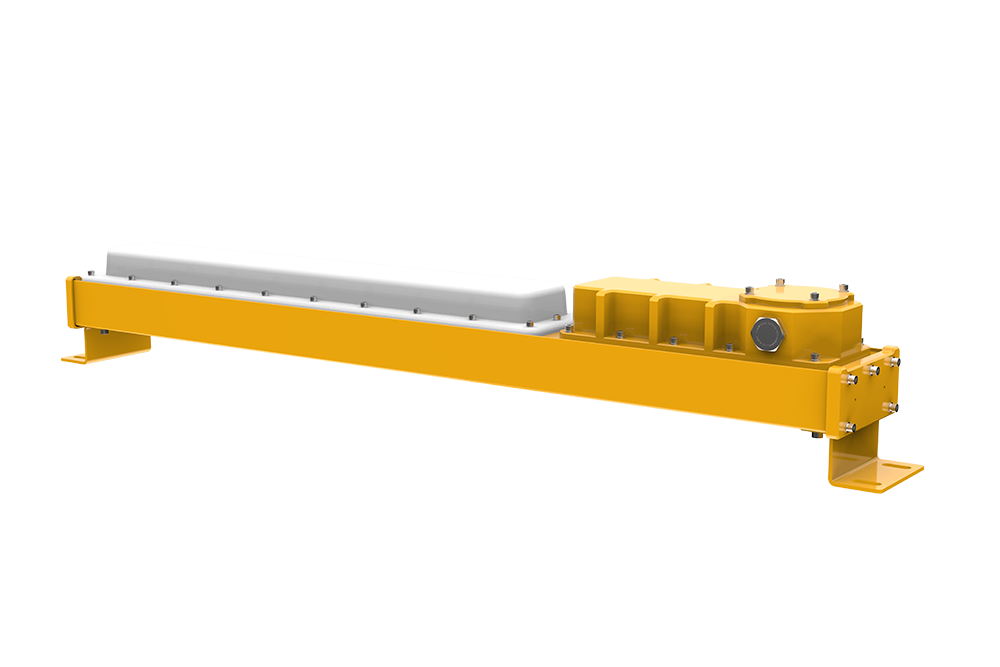
LED Linear Explosion Proof Lights from SEEKINGLED. LU Series Flame Proof lights ATEX-certified explosion proof LED linear lighting for Zone 2 gas and Zone 22 dust areas, IP69K, IK10, long lifetime and flexible power options.
View details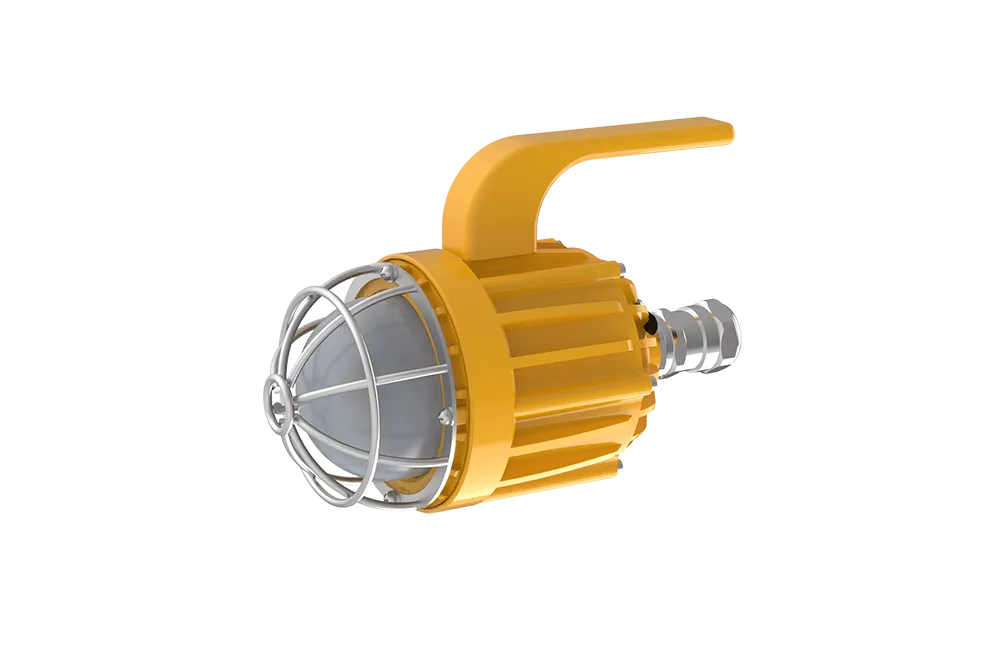
Certified explosion proof work lights for Zone 1 & 21 hazardous areas. Portable, ATEX & IECEx approved, built for oil, gas and chemical plants by SEEKINGLED.
View details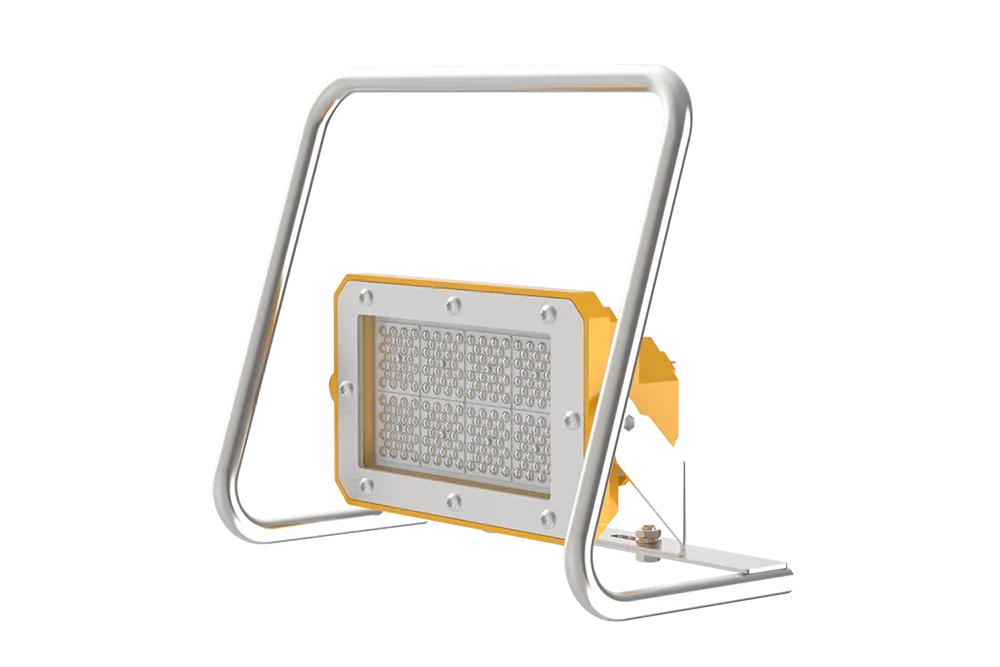
ATEX: II 3G Ex nR ⅡC T6 GcII 3D Ex tc ⅢC T80℃ Dc ATEX Certificate NO: TÜV CY 26 ATEX 0207611 X Feature: ● For Zone 2 and Zone 22● Accepts battery-powered supply● indestructible● Power:AC input:50W,75W,100WDC input:15W,25W,35W Application: Oil and gas, marine, Chemical, pharmaceutical, semiconductor,mining,military industry, paint booth,po…
View details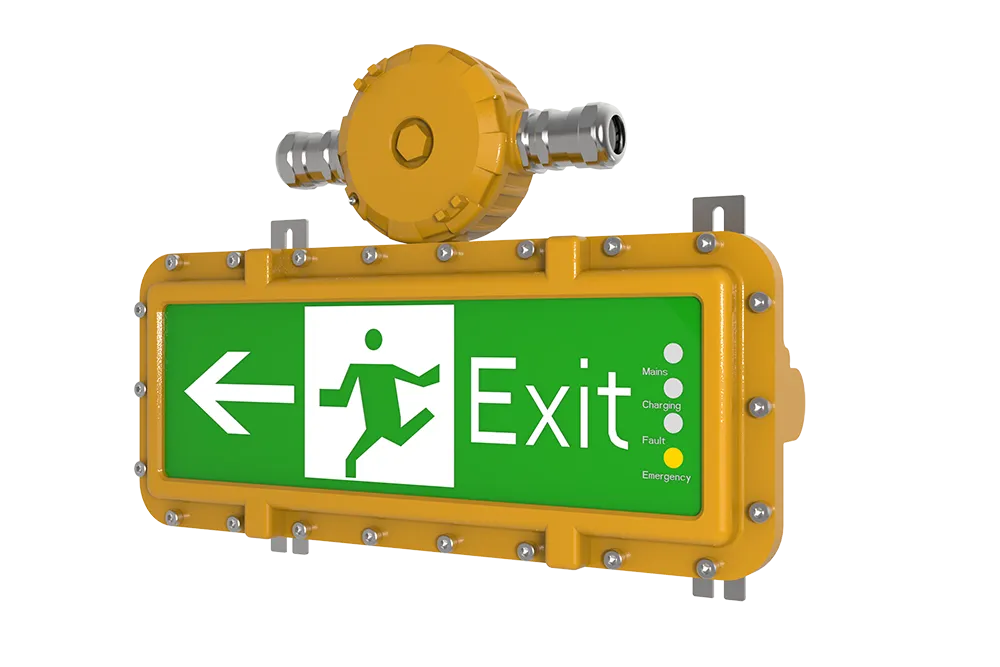
ATEX: Ex II 2G Ex db IIB T6 GbEx II 2D Ex tb IIIC T80°C Db IECEx Ex db IIB T6 Gb;Ex tb IIIC T80°C Db Feature: ● For Zone 1,2 and Zone 21,22● Flameproof type, the strongest Application: Oil and gas, marine, Chemical, pharmaceutical, semiconductor,mining,military industry, paint booth,power plant ETC hazardous area. Technical Specifications:…
View details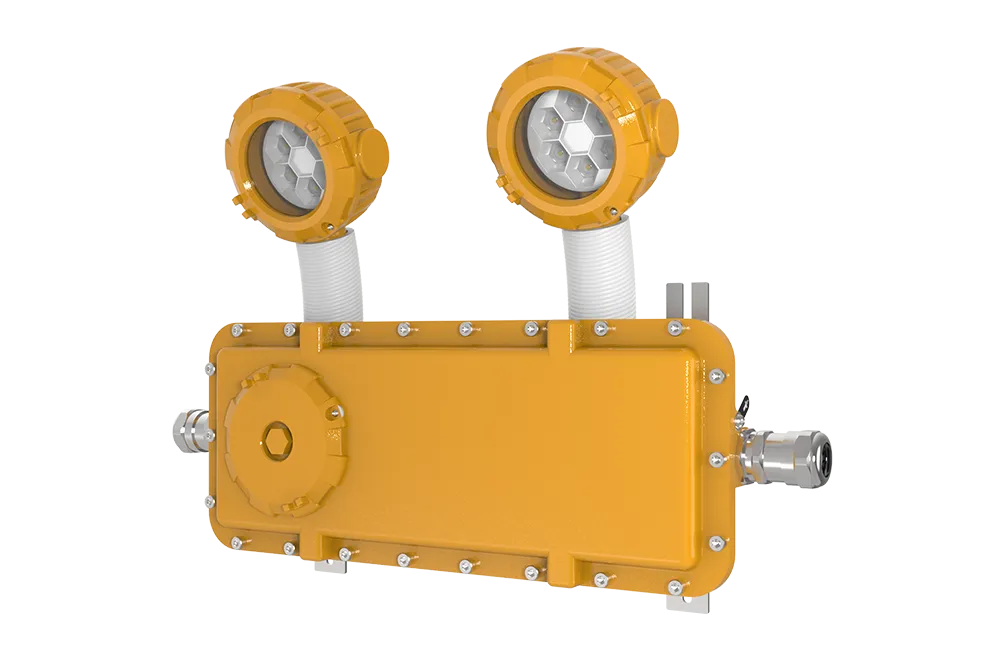
ATEX: Ex II 2G Ex db IIB T6 GbEx II 2D Ex tb IIIC T80°C Db IECEx Ex db IIB T6 Gb;Ex tb IIIC T80°C Db Feature: ● For Zone 1,2 and Zone 21,22● Flameproof type, the strongest Application: Oil and gas, marine, Chemical, pharmaceutical, semiconductor,mining,military industry, paint booth,power plant ETC hazardous area. Technical Specifications:…
View details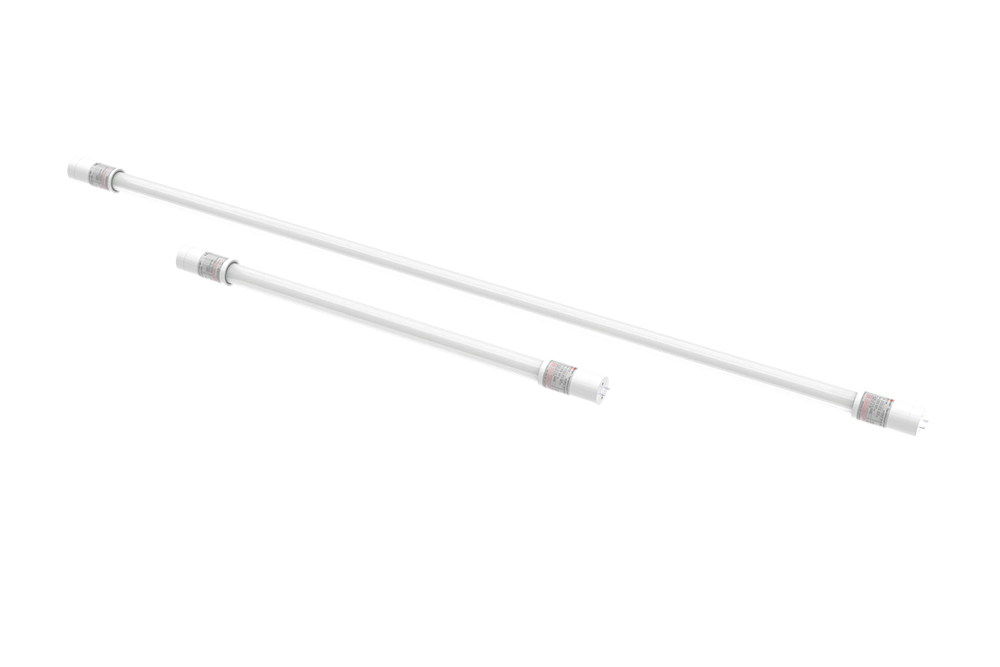
ATEX: Ex II 2G Ex d e IIB T6 Gb ATEX: Ex d e IIB T6 Gb; Feature: ● For Zone 1,2● 9W can replace 18W fluorescent lamps,50% Energy saving Application: Oil and gas, marine, Chemical, pharmaceutical, semiconductor,mining,military industry, paint booth,power plant ETC hazardous area. Technical Specifications: Standards:60079-0, 60079-1, 60079…
View details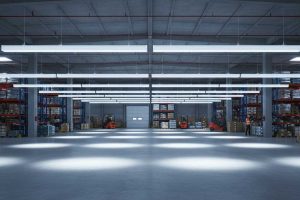
What does the cut line look like on LED lights? This guide explains how beam edges appear in real installations and why cut line quality affects LED linear lighting performance.
View details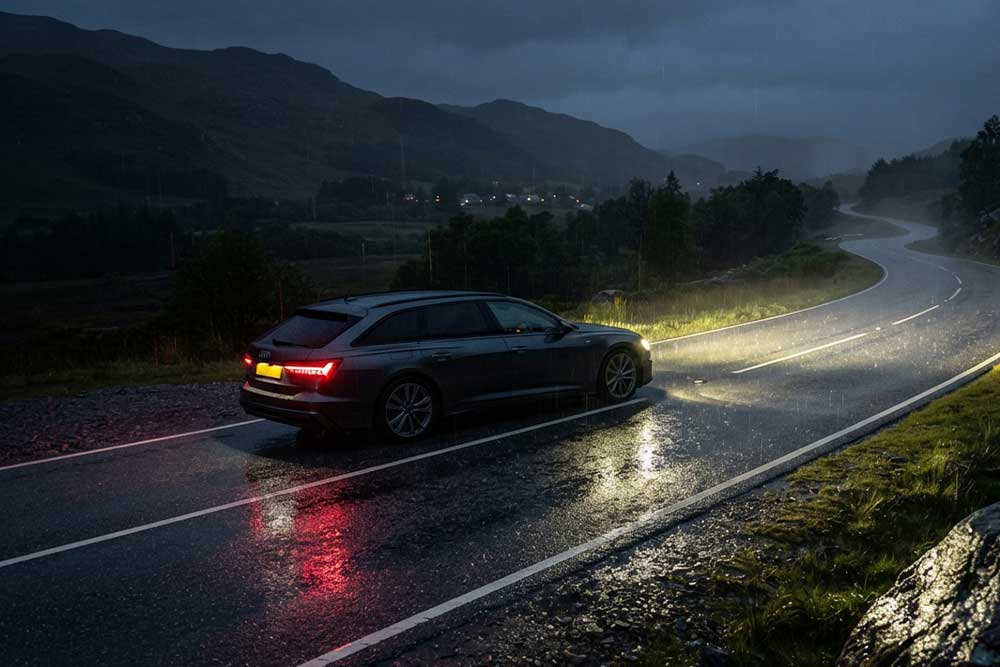
Fog lights are generally neither flood nor spot lights. They use a broad, low, controlled beam for near-road visibility while limiting upward light and glare.
View details
LED flood lamp 100W explained from real projects. Discover brightness, lifespan, and installation insights from SEEKINGLED for reliable outdoor lighting.
View details
The SEEKINGLED HBD Series UFO High Bay Light features a premium Meanwell driver and is one of our classic best-sellers. Over the past five years, this series has achieved global sales exceeding 100,000 units. Its outstanding reliability a...
View details