 Seeking LED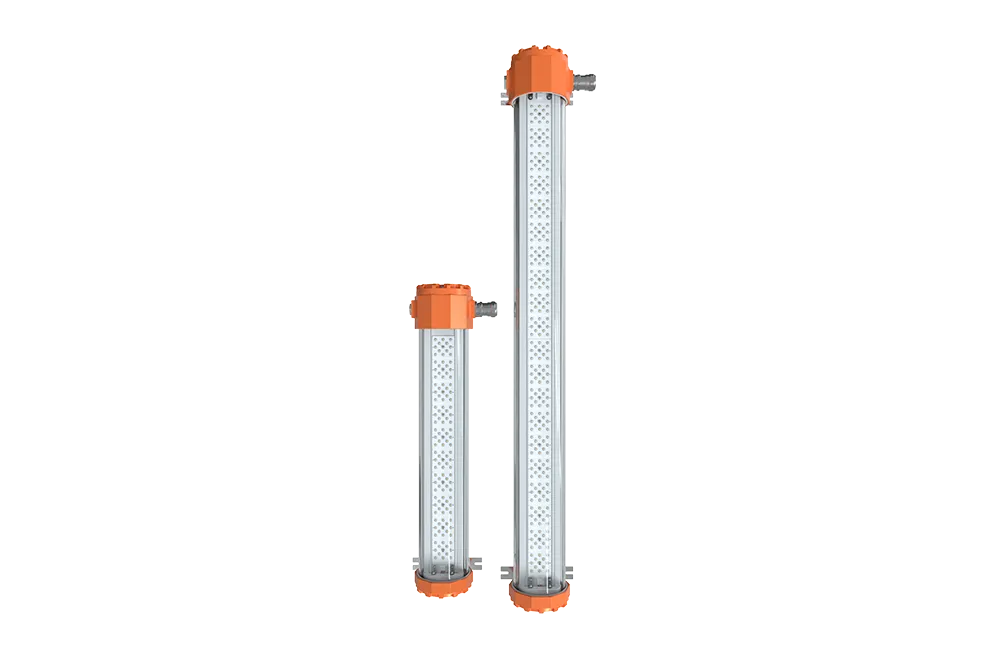
What Is a Hazardous Location Junction Box?
0What Is a Hazardous Location Junction Box? Learn how explosion-proof electrical enclosures protect industrial wiring in hazardous areas with standards, applications, and expert insights.
View detailsSearch the whole station
When specifying explosion proof lighting led systems for Zone 2 sites, the conversation usually starts with certification. It ends with installation reality.
Over the past decade, I’ve been involved in hazardous area lighting selection for fuel depots, chemical blending facilities, and port logistics yards. Most of these projects were not high-drama refinery Zone 1 areas — they were secondary gas classification zones, where cost control mattered just as much as compliance. That is exactly where a properly engineered Zone 2 luminaire makes sense.
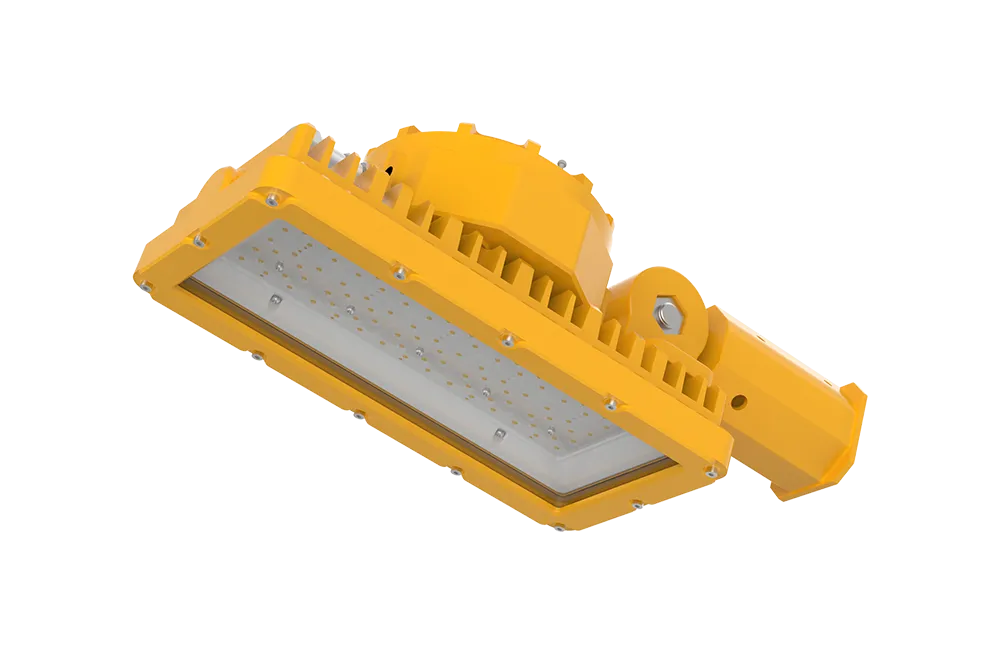
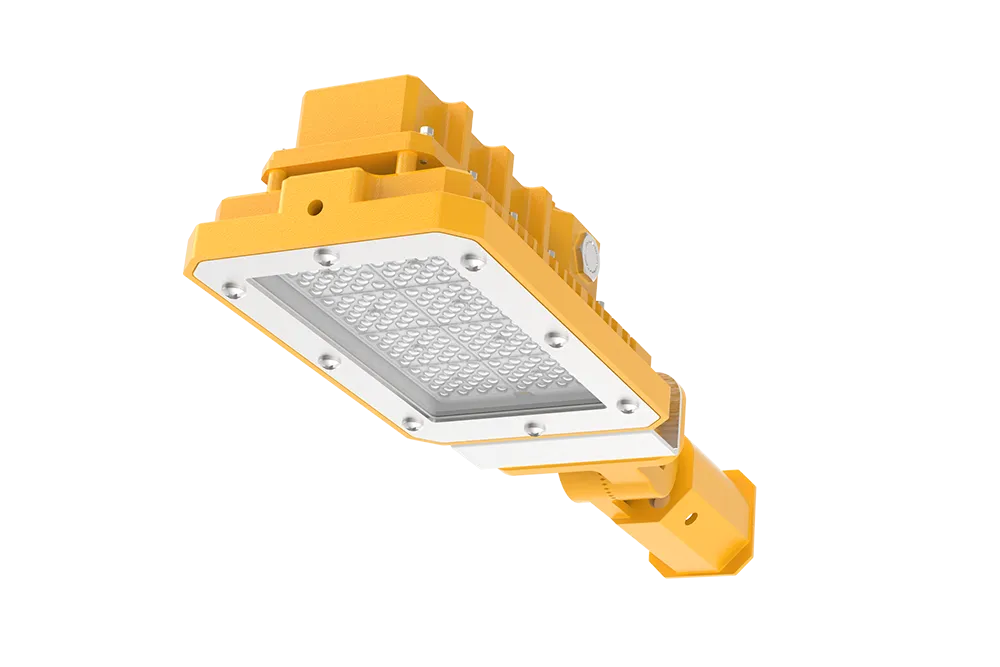
The SEEKINGLED FL8 Series was designed around that real-world balance.
Not every hazardous area requires flameproof Ex d construction. In Zone 2 (gas) and Zone 22 (dust), protection concepts such as nR (Restricted Breathing) are widely applied.
The nR method limits the entry of explosive atmospheres into the enclosure under normal operation. It is defined under
IEC 60079-15
within the framework of the International Electrotechnical Commission.
For European compliance, certification falls under the
ATEX Directive 2014/34/EU,
and the FL8 Series holds TÜV-issued ATEX certification for:
That makes this explosion proof lighting led solution suitable specifically for:
It is important to state this clearly — the FL8 is not positioned as a Zone 1 luminaire. It is engineered for classified areas where explosive atmospheres are unlikely during normal operation, but still possible.
In several storage terminal retrofits I supervised, the lighting tender required certified junction boxes to be purchased separately. This often doubled installation time.
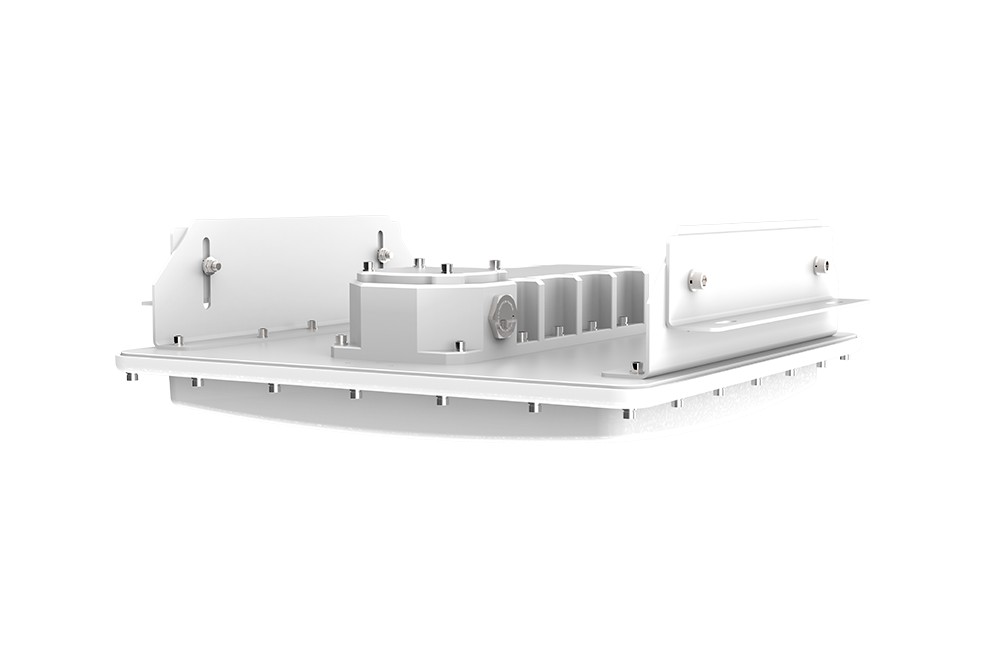
The FL8 integrates an explosion proof junction box directly into the luminaire housing. That detail may not look impressive on paper, but during site installation it eliminates:
The built-in DIP switch allows output adjustment at 100% / 75% / 50%. Distributors appreciate this because one unit can cover multiple power ratings — 50W up to 300W configurations — reducing SKU pressure.
The FL8 explosion proof lighting led reaches up to 160 lm/W at CRI80. According to data published by the U.S. Department of Energy Solid-State Lighting program, industrial LED luminaires commonly range between 130–180 lm/W depending on optics and thermal conditions. The FL8 therefore sits within accepted high-efficiency industrial benchmarks.
Key technical characteristics:
In a fuel transfer station project last year, replacing 250W high-pressure sodium fittings with 150W FL8 units reduced energy use noticeably while improving vertical illuminance around pump cabinets. Maintenance intervals were effectively eliminated — no more lamp aging or ballast replacement cycles.
Ambient rating from -20°C to +55°C allows use in both cold storage yards and hot coastal environments.
Temperature classes T5 and T6 matter during hazard review meetings. Surface temperature must remain below ignition thresholds for the gas group involved. During FAT documentation review, those markings are often the first items auditors verify.
Two M20 cable entries allow series connection. This simplifies linear mounting along pipe racks or conveyor corridors.
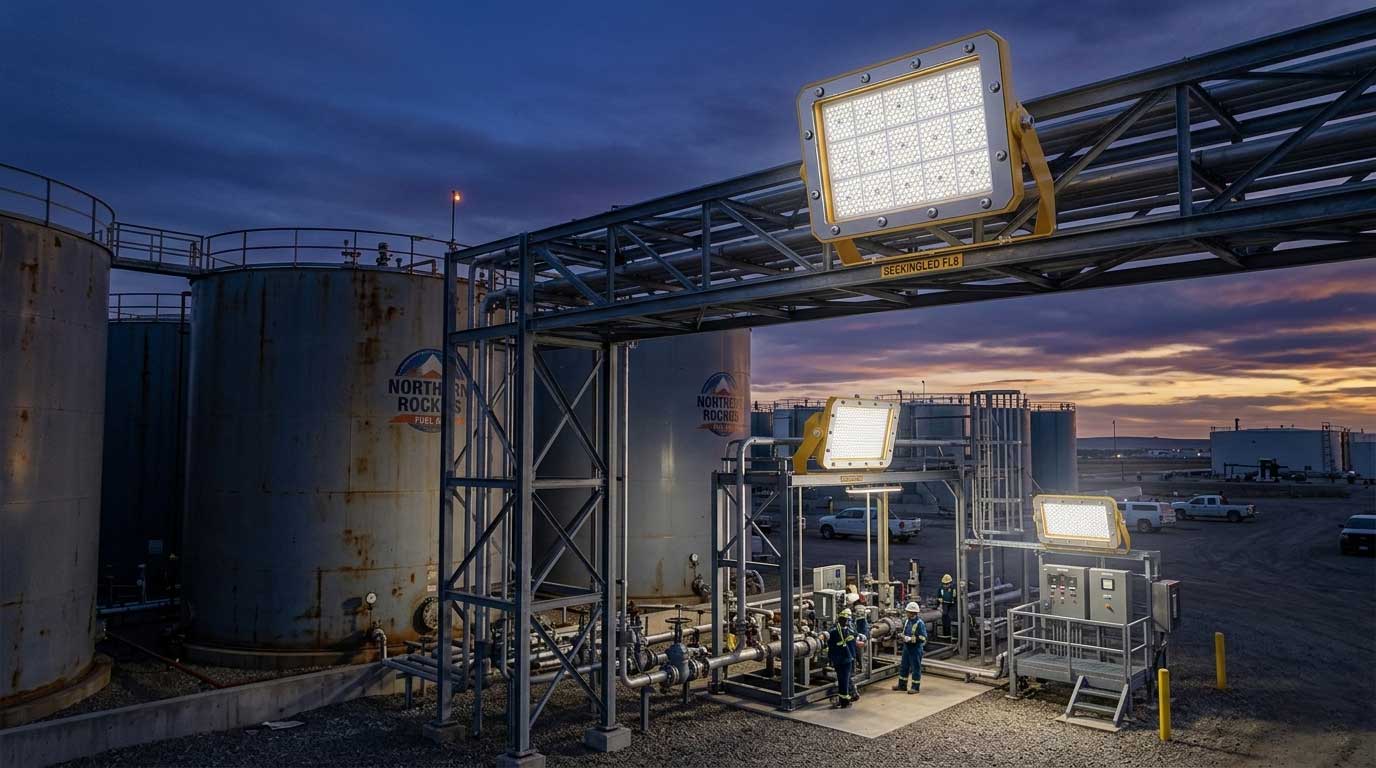
Zone 2 classification is common in marine loading arms and airport fuel service areas. These sites demand corrosion resistance and stable performance under vibration.
The compact housing of the FL8 reduces wind load compared to heavier flameproof units. On one port logistics project, this simplified structural calculations for mounting poles.
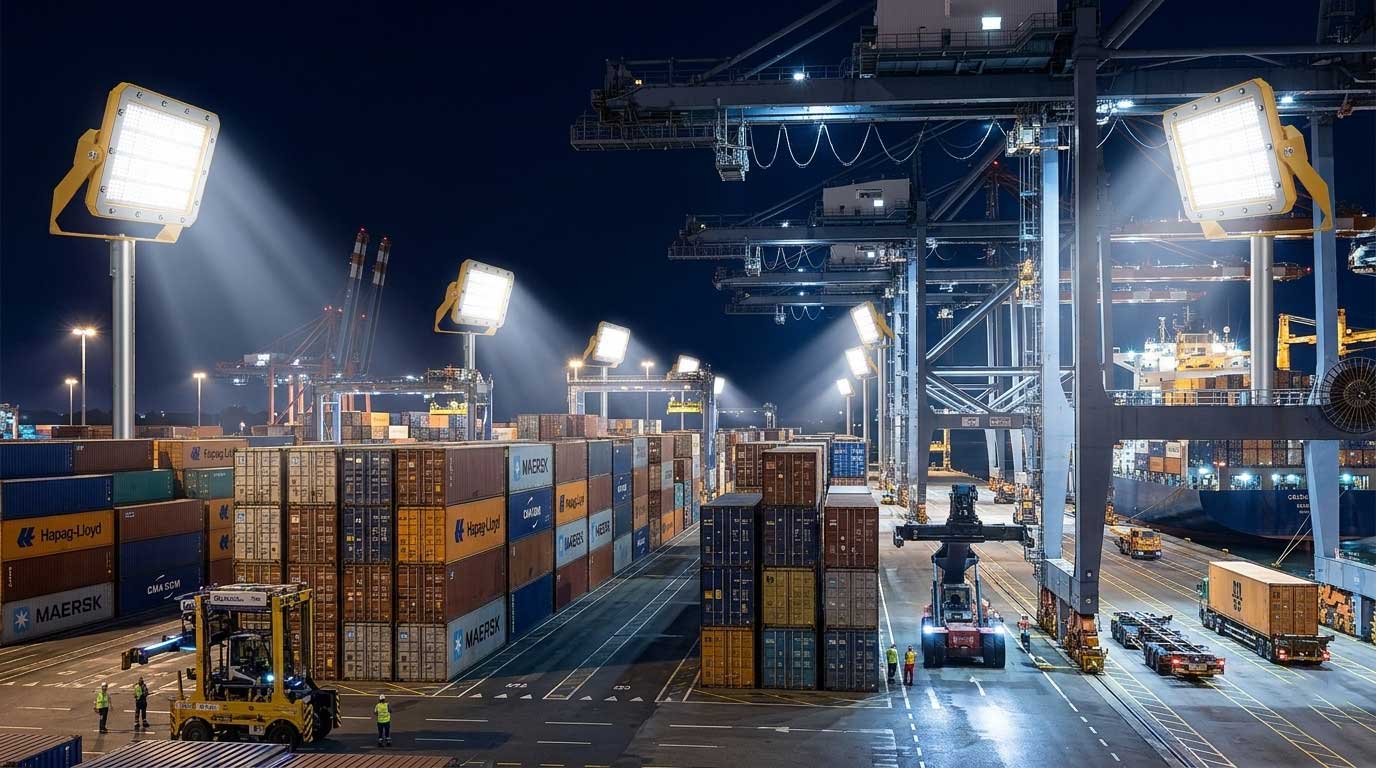
Energy savings from LED retrofits in industrial applications typically range from 40–60% compared to legacy discharge lamps, depending on hours of operation and mounting geometry.
Instant ignition is another operational advantage. During generator switchover tests, there is no restrike delay — something facility managers appreciate more than spec sheets suggest.
The compact format also shortens installation time. In one warehouse upgrade, electricians completed the mounting 30% faster than prior Ex d fixtures simply due to reduced weight.
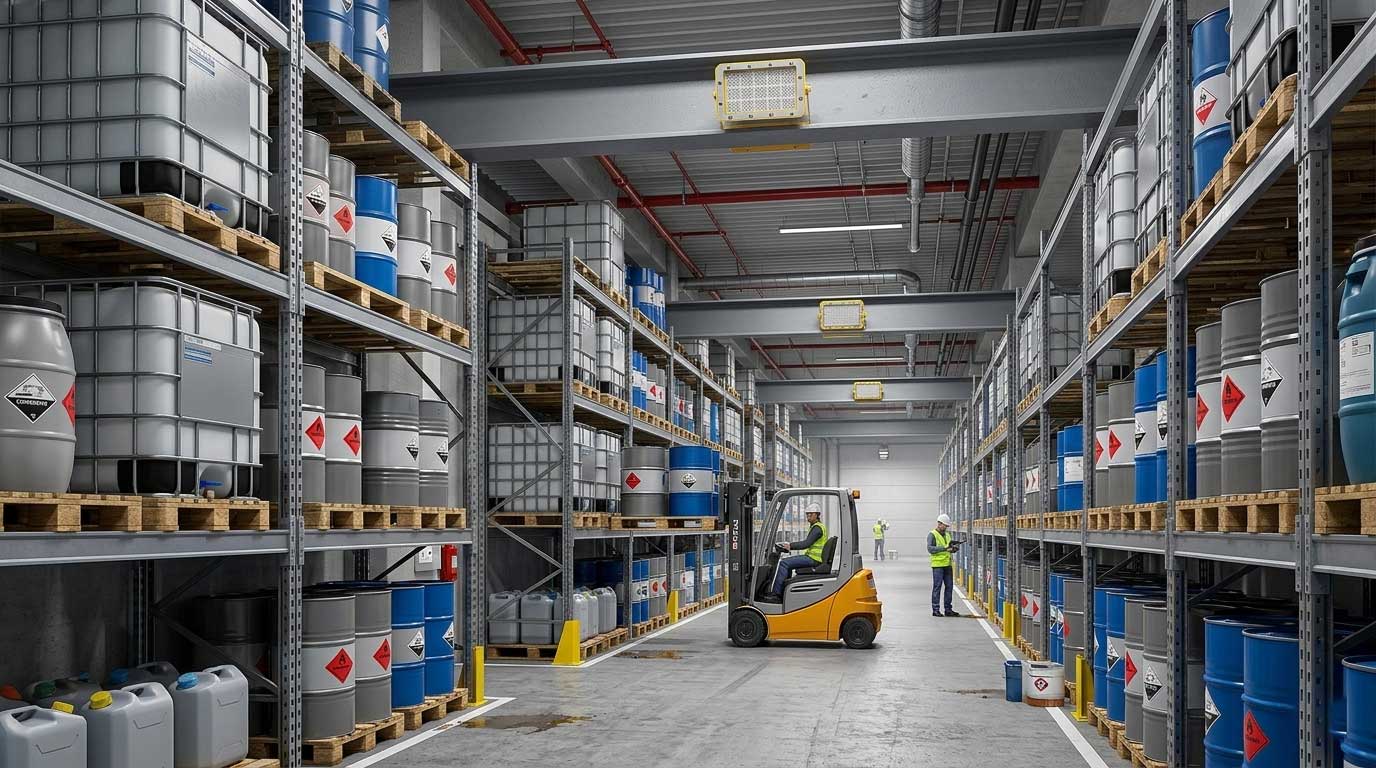
Selecting explosion proof lighting led equipment for Zone 2 and Zone 22 sites is not about over-specifying the most expensive solution. It is about matching protection concept to risk classification, ensuring certification credibility, and simplifying installation wherever possible.
The SEEKINGLED FL8 Series reflects that approach: TÜV ATEX certification, nR protection method, integrated junction box, adjustable output, and high efficacy in a compact form.
For engineers managing secondary hazardous areas — fuel depots, chemical warehouses, marine terminals — this type of explosion proof lighting led solution provides compliance without unnecessary structural complexity.
SEEKINGLED LED Linear Explosion Proof Light and Explosion Proof lighting is ATEX and IECEx certified for Zone 1, Zone 2, Zone 21 and Zone 22 hazardous locations, built for long-term industrial use.
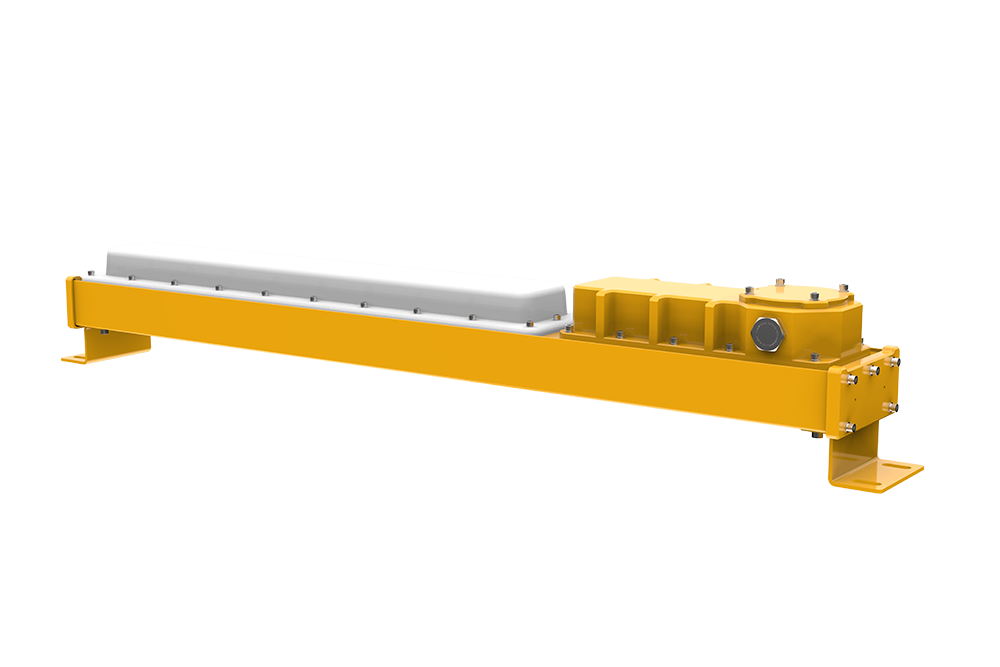
LED Linear Explosion Proof Lights and EX Proof lights for Zone 1, Zone 2, Zone 21 and Zone 22 hazardous areas. ATEX & IECEx certified explosion proof LED linear lighting with emergency function, adjustable power and IP67 protection by SEEKINGLED.
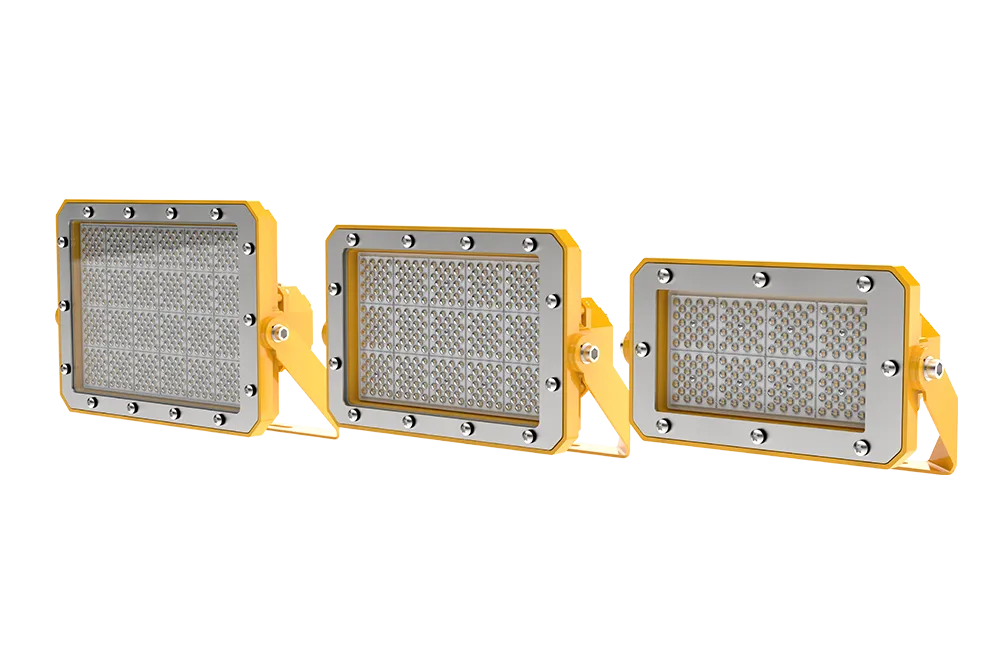
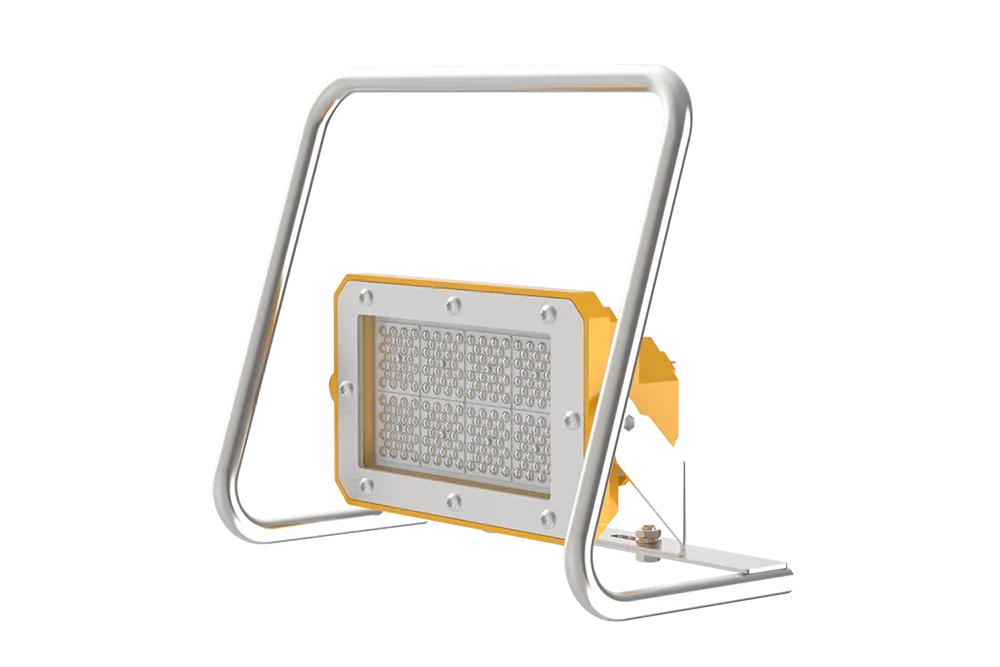
SEEKINGLED LED Explosion Proof Flood Lights are ATEX certified for Zone 2 and Zone 22 hazardous areas, offering high efficiency, adjustable power and integrated junction box.
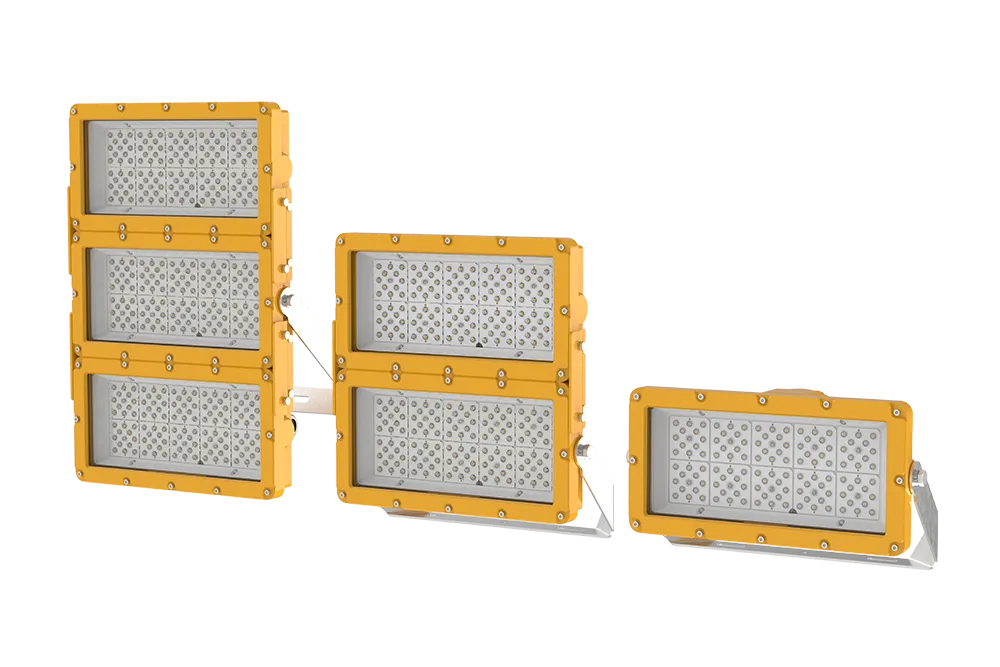
SEEKINGLED LED Explosion Proof Flood Lights are flameproof ATEX and IECEx certified for Zone 1 and Zone 2 hazardous areas, offering high power, adjustable output and long service life.
SEEKINGLED LED Gas Station Canopy Lights are ATEX certified for Zone 2 and Zone 22 hazardous areas, featuring adjustable power and built-in explosion-proof junction box.
ATEX: Ex II 2G Ex db IIB T6/T5 GbEx II 2D Ex tb IIIC T80°C/ T95°C Db IECEx Ex db IIB T6 Gb;Ex tb IIIC T80°C Db Feature: ● For Zone 1,2 and Zone 21,22● Flameproof type, the strongest● 100W can replace 250W HID,energy saving● Power:60W,80W,10…
ATEX: II 3G Ex nR ⅡC T5/T6 GcII 3D Ex tc ⅢC T80℃/T95℃Dc ATEX Certificate NO: TÜV CY 26 ATEX 0207611 X Feature: ● For Zone 2 and Zone 22● 150W can replace 250W HID lamps,Energy saving● Power:50W,75W,100W,150W,200W Application: Oil and gas, m…
LED explosion proof high bay lights are designed for Zone 1, Zone 2, Zone 21 and Zone 22 hazardous areas. This page introduces the HB21 Series from SEEKING, including certifications, power options and real application considerations.
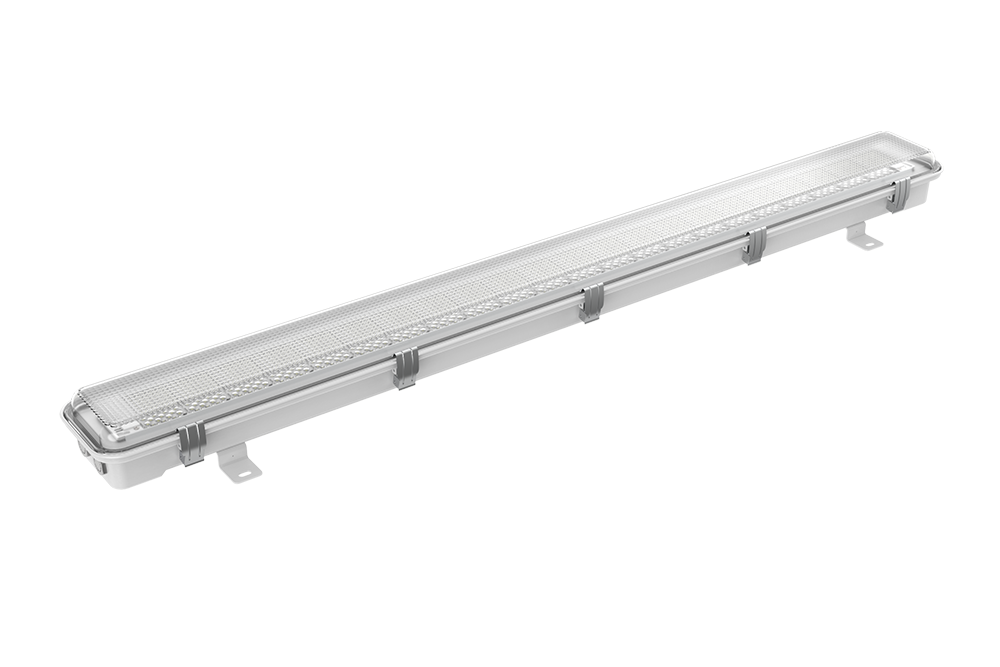
LED Linear Explosion Proof Lights from SEEKINGLED. LU Series Flame Proof lights ATEX-certified explosion proof LED linear lighting for Zone 2 gas and Zone 22 dust areas, IP69K, IK10, long lifetime and flexible power options.
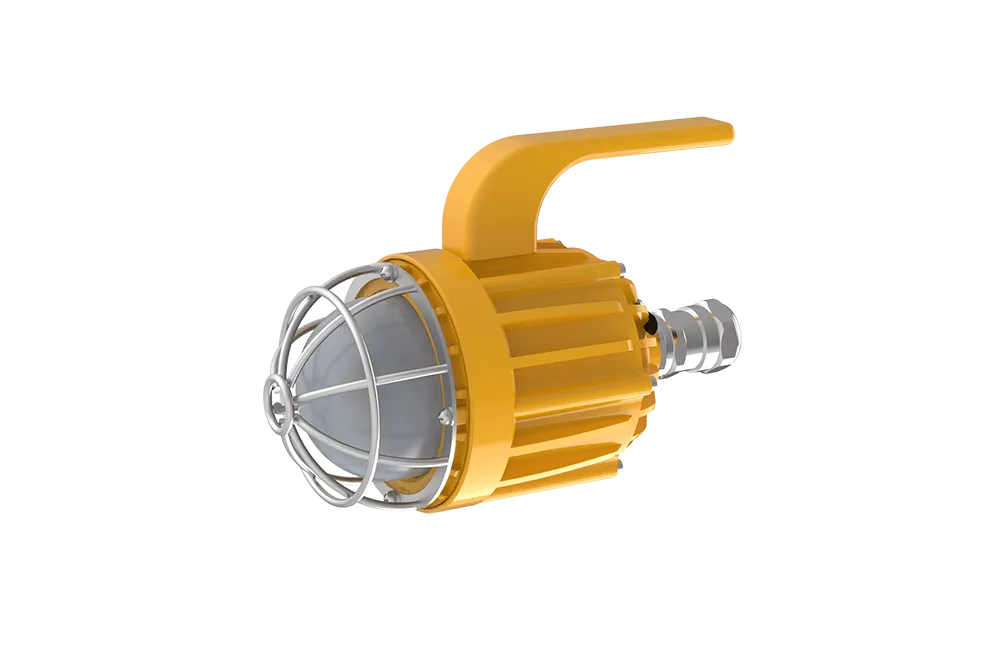
Certified explosion proof work lights for Zone 1 & 21 hazardous areas. Portable, ATEX & IECEx approved, built for oil, gas and chemical plants by SEEKINGLED.
ATEX: II 3G Ex nR ⅡC T6 GcII 3D Ex tc ⅢC T80℃ Dc ATEX Certificate NO: TÜV CY 26 ATEX 0207611 X Feature: ● For Zone 2 and Zone 22● Accepts battery-powered supply● indestructible● Power:AC input:50W,75W,100WDC input:15W,25W,35W Application: O…
ATEX: Ex II 2G Ex db IIB T6 GbEx II 2D Ex tb IIIC T80°C Db IECEx Ex db IIB T6 Gb;Ex tb IIIC T80°C Db Feature: ● For Zone 1,2 and Zone 21,22● Flameproof type, the strongest Application: Oil and gas, marine, Chemical, pharmaceutical, semicondu…
ATEX: Ex II 2G Ex db IIB T6 GbEx II 2D Ex tb IIIC T80°C Db IECEx Ex db IIB T6 Gb;Ex tb IIIC T80°C Db Feature: ● For Zone 1,2 and Zone 21,22● Flameproof type, the strongest Application: Oil and gas, marine, Chemical, pharmaceutical, semicondu…
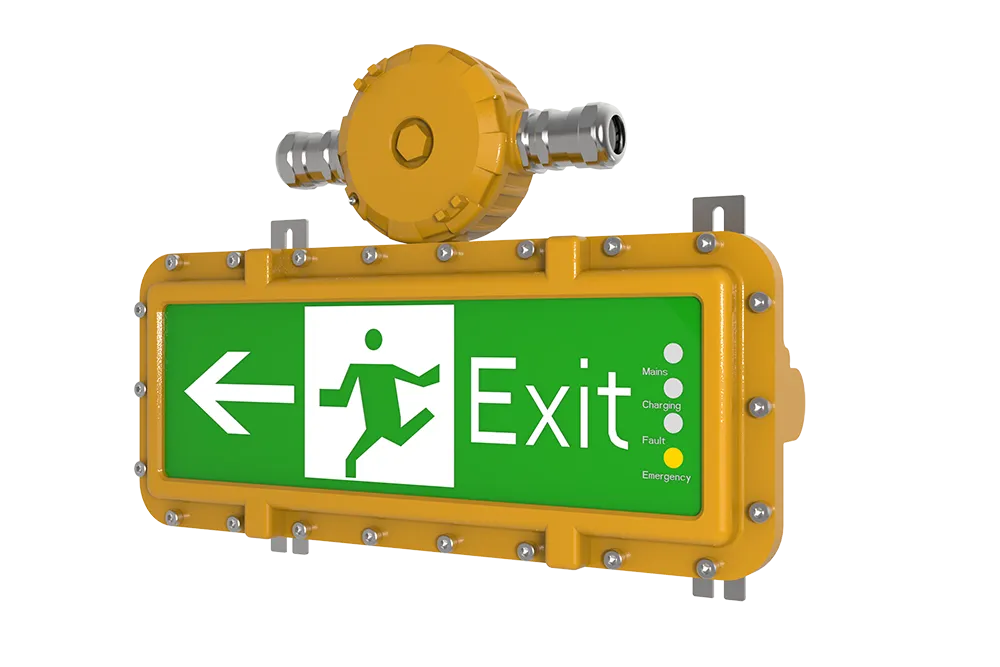
ATEX: Ex II 2G Ex d e IIB T6 Gb ATEX: Ex d e IIB T6 Gb; Feature: ● For Zone 1,2● 9W can replace 18W fluorescent lamps,50% Energy saving Application: Oil and gas, marine, Chemical, pharmaceutical, semiconductor,mining,military industry, pain…
loading…
This is the last post!
What Is a Hazardous Location Junction Box? Learn how explosion-proof electrical enclosures protect industrial wiring in hazardous areas with standards, applications, and expert insights.
View details
What is high CRI LED high bay lighting? Learn what CRI means, when high CRI matters in industrial spaces, and how to choose the right LED high bay.
View details
ATEX flood light for hazardous zones. Learn certifications, lumen output, installation tips, and how to choose a reliable explosion-proof LED solution.
View details
Explosion-Proof Light solutions for hazardous areas. Learn how explosion proof lighting differs from ordinary industrial lights for safer operations.
View details