 Seeking LED
How long do hazardous area LED fixtures last?
0How long do hazardous area LED fixtures last? Learn the real service life, maintenance factors, temperature effects, and lifespan expectations for hazardous LED lighting.
View detailsSearch the whole station
Hazardous area lighting is designed to safely illuminate environments where flammable gases, vapors, or dust are present, preventing ignition through controlled heat, sealed construction, and certified design.
That’s the formal definition.
But on-site, the real question is simpler—and harder:
Will the lighting stay safe after months of heat, corrosion, and vibration?
Over the past 12 years working with oil terminals, chemical plants, and grain facilities, I’ve seen that most issues don’t come from missing certifications—they come from how equipment behaves after long exposure in harsh conditions.
Hazardous area lighting isn’t just “stronger lighting.”
It’s part of a risk control system.
According to the IECEx system , equipment used in explosive atmospheres must ensure it cannot ignite surrounding gases or dust even under fault conditions.
Understanding classification matters more than choosing wattage.
| Zone | Risk Level | Example |
|---|---|---|
| Zone 0 | Continuous hazard | Inside tanks |
| Zone 1 | Frequent hazard | Refineries |
| Zone 2 | Occasional hazard | Storage areas |
| Division | Condition |
|---|---|
| Division 1 | Hazard present during normal operation |
| Division 2 | Hazard only under abnormal conditions |
Real-world insight:
In a Southeast Asia refinery retrofit, nearly 35% of fixtures had to be replaced—not due to failure, but because they were incorrectly classified.
Refineries combine heat, gas, and vibration—making them one of the toughest environments.
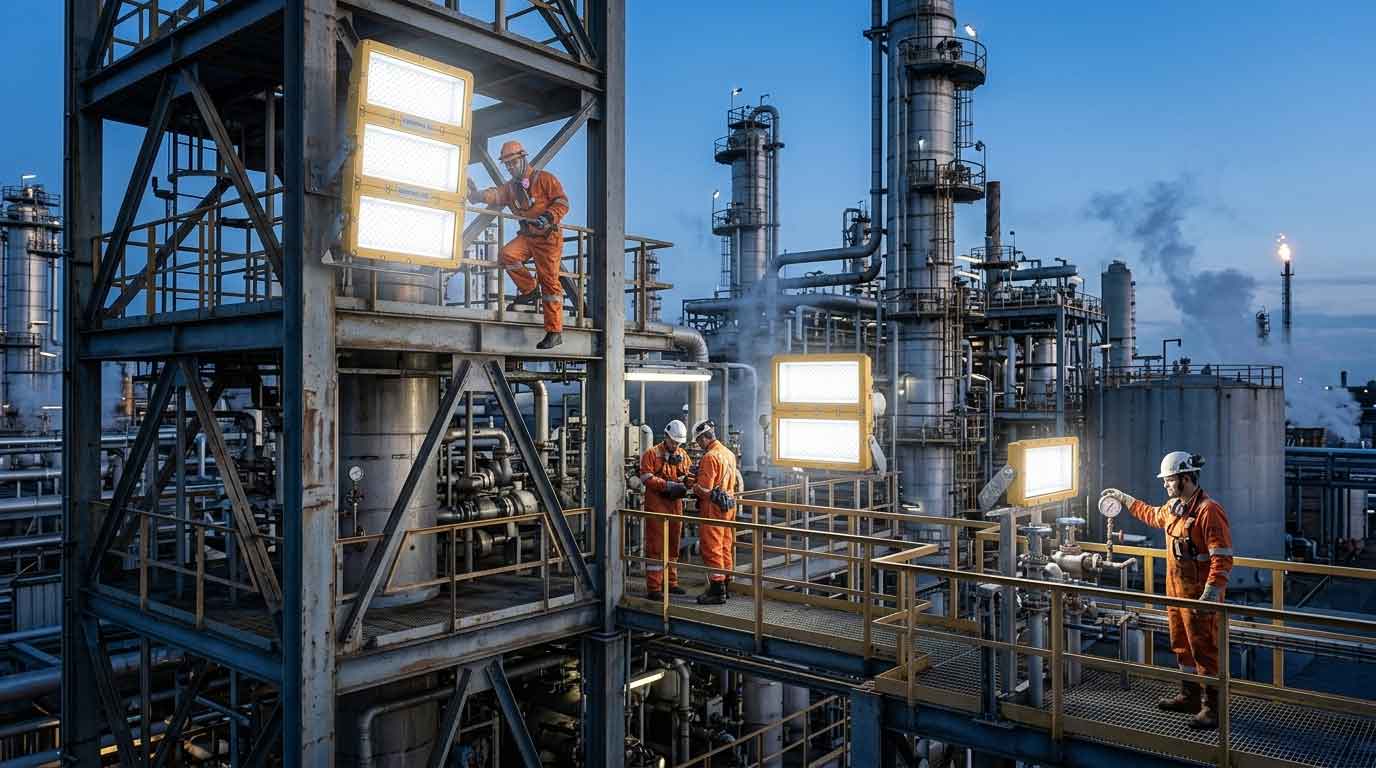
In practice, thermal cycling (day-night temperature shifts) often reveals weaknesses. Poor sealing leads to condensation inside fixtures—something you won’t detect during installation.
According to the U.S. Department of Energy (DOE):
In one European chemical plant project, LED upgrades reduced maintenance cycles from twice a year to once every two years.
Datasheets won’t show this part.
High ambient temperatures (40–50°C) accelerate component degradation.
Observed effect:
Corrosion is slow—but destructive.
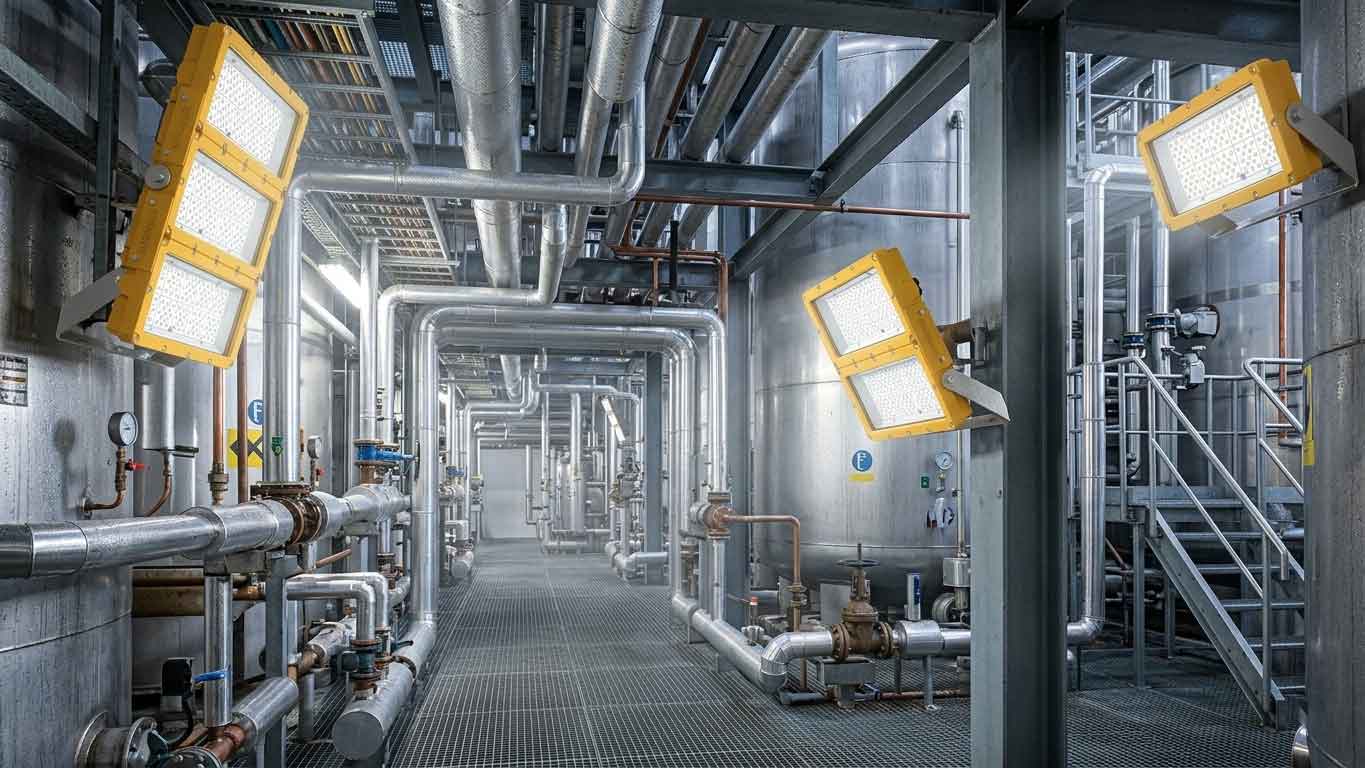
From field observations:
Switching to corrosion-resistant coatings extended service life significantly.
Dust explosions are less visible—but equally dangerous.
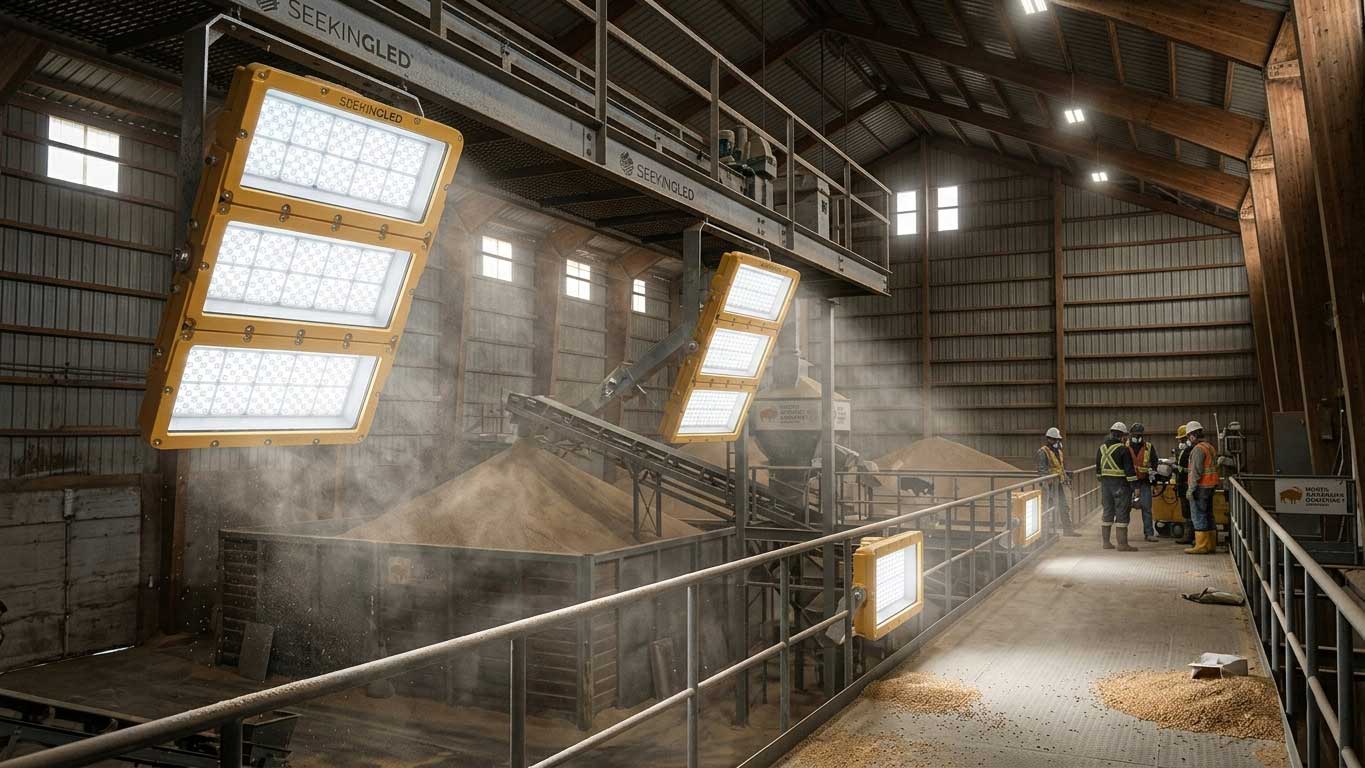
Fine dust can:
| Industry | Key Requirement |
|---|---|
| Oil & Gas | High temperature resistance |
| Chemical | Corrosion resistance |
| Marine | Salt spray protection |
| Grain | Dust sealing |
According to the European Commission:
ATEX ensures equipment is safe for use in explosive atmospheres across EU markets.
From actual deployment data:
In one logistics facility upgrade, SEEKINGLED reduced lighting maintenance interventions by over 60% within 18 months.
This article is based on direct experience in hazardous lighting system deployment across oil & gas, chemical processing, and industrial infrastructure.
The author has:
The insights here are drawn from real installations, maintenance records, and failure investigations, not theoretical specifications.
It is used in environments where flammable gases, vapors, or dust are present, such as refineries, chemical plants, and grain facilities.
Yes. Regulations require certified lighting to prevent ignition risks in hazardous environments.
Typically 50,000–100,000 hours depending on design and operating conditions.
No. Only certified hazardous area lighting meets safety requirements.
Hazardous area lighting is not just about visibility—it’s about controlling risk over time.
Most failures don’t happen immediately. They develop slowly:
If those are addressed properly, the system performs reliably.
If not, even certified fixtures become hidden risks.
That’s why choosing the right hazardous area lighting matters far beyond specifications.
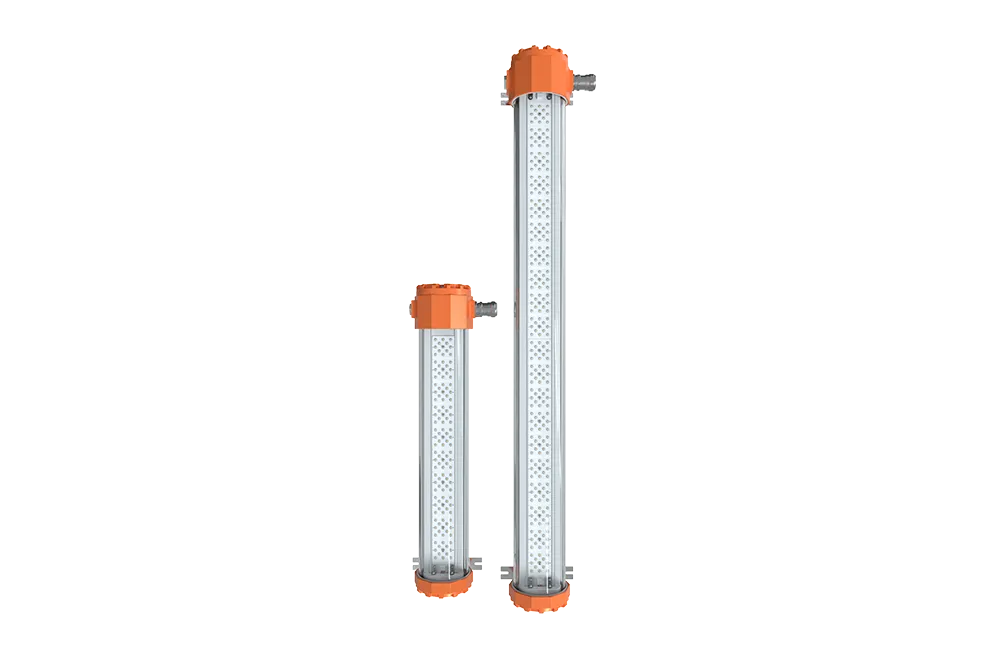
SEEKINGLED LED Linear Explosion Proof Light and Explosion Proof lighting is ATEX and IECEx certified for Zone 1, Zone 2, Zone 21 and Zone 22 hazardous locations, built for long-term industrial use.
View details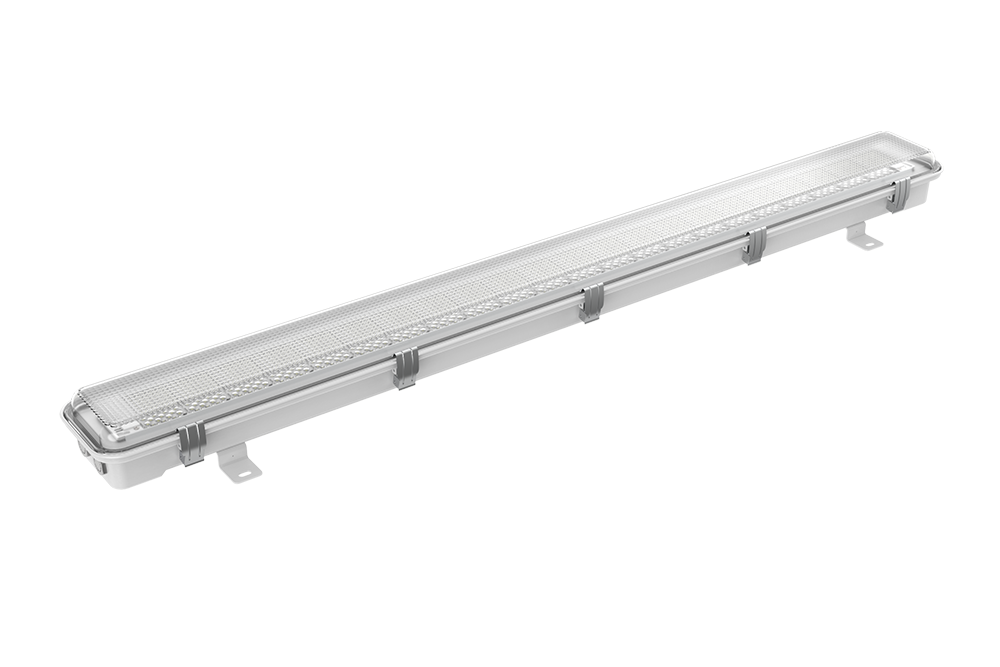
LED Linear Explosion Proof Lights and EX Proof lights for Zone 1, Zone 2, Zone 21 and Zone 22 hazardous areas. ATEX & IECEx certified explosion proof LED linear lighting with emergency function, adjustable power and IP67 protection by SEEKINGLED.
View details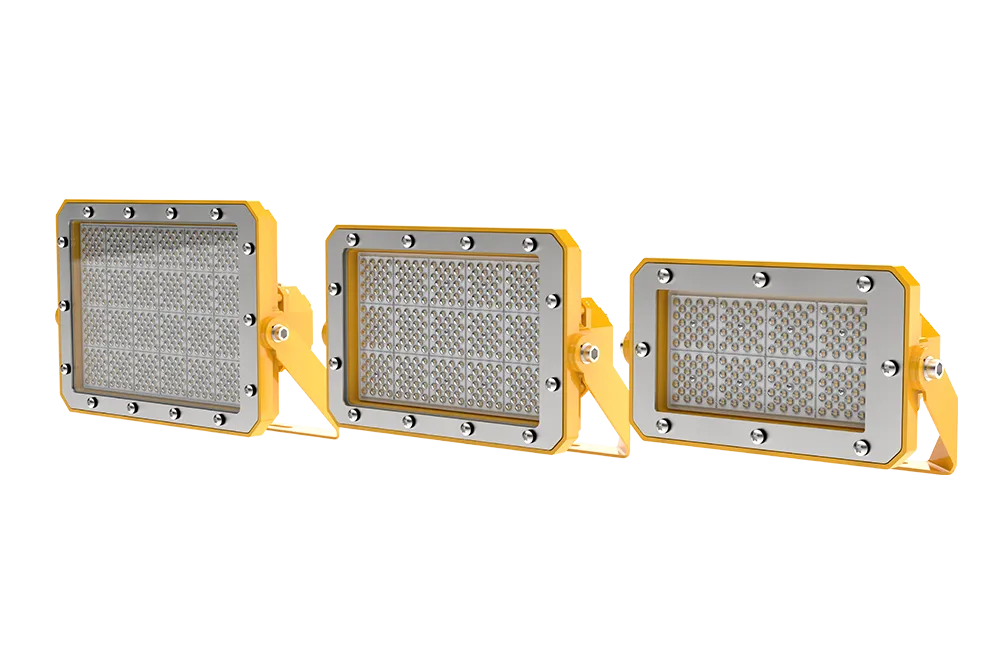
SEEKINGLED LED Explosion Proof Flood Lights are ATEX certified for Zone 2 and Zone 22 hazardous areas, offering high efficiency, adjustable power and integrated junction box.
View details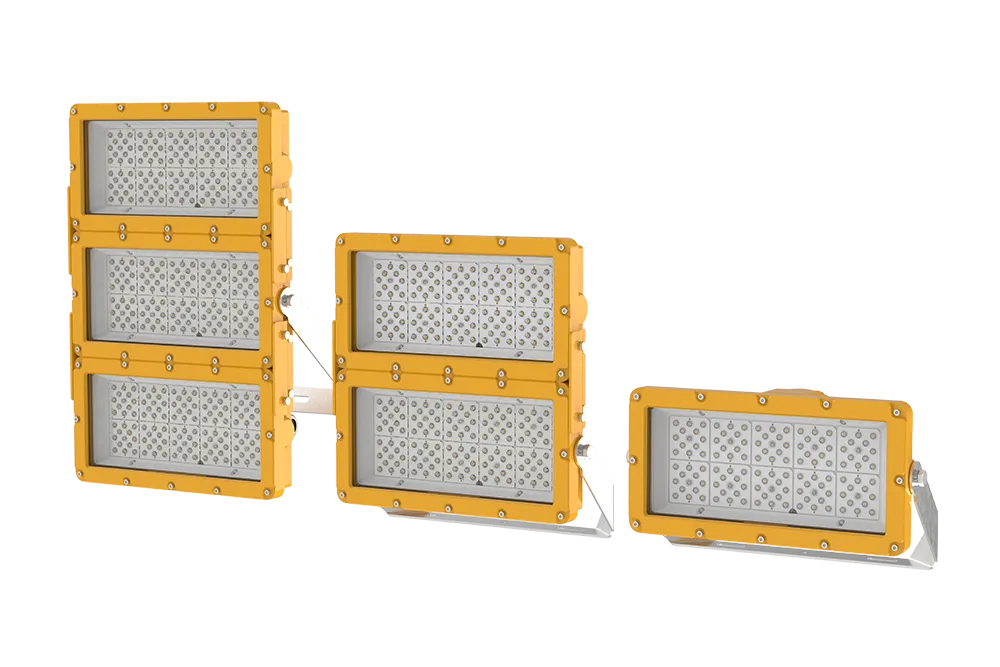
SEEKINGLED LED Explosion Proof Flood Lights are flameproof ATEX and IECEx certified for Zone 1 and Zone 2 hazardous areas, offering high power, adjustable output and long service life.
View details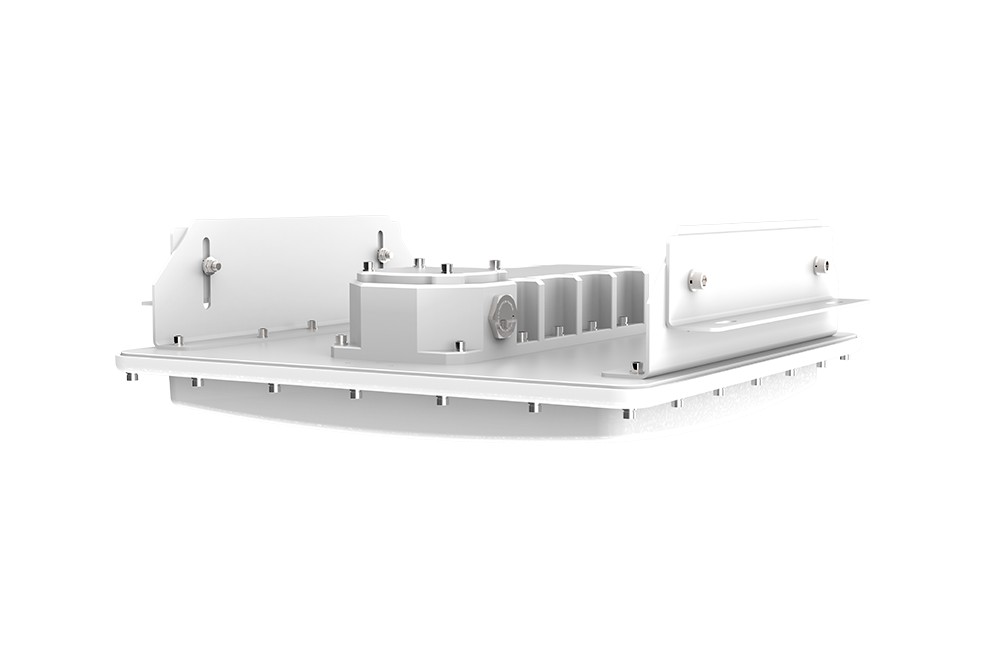
SEEKINGLED LED Gas Station Canopy Lights are ATEX certified for Zone 2 and Zone 22 hazardous areas, featuring adjustable power and built-in explosion-proof junction box.
View details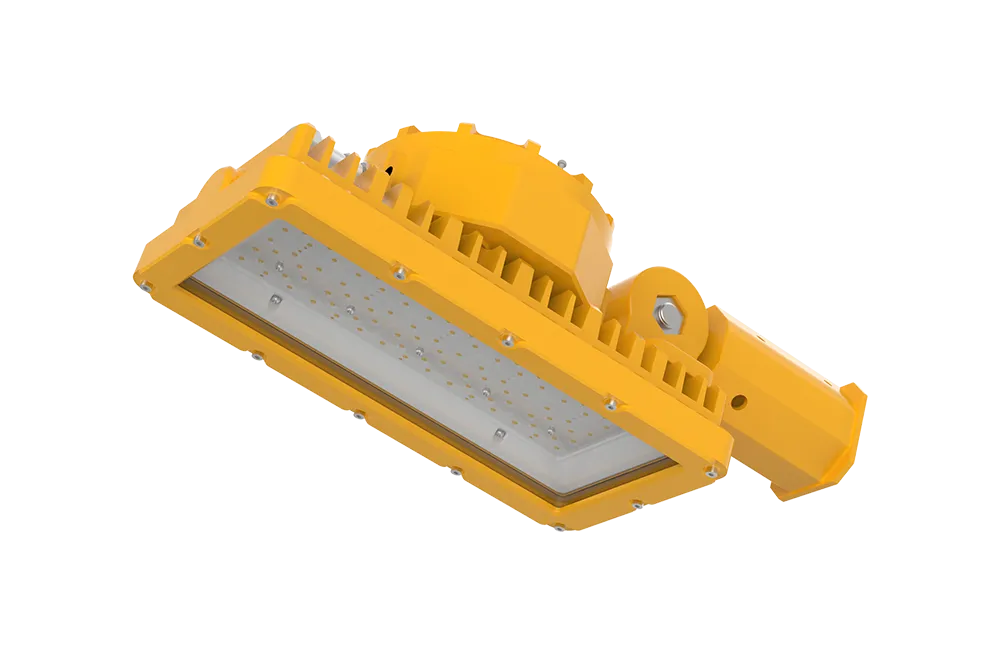
ATEX: Ex II 2G Ex db IIB T6/T5 GbEx II 2D Ex tb IIIC T80°C/ T95°C Db IECEx Ex db IIB T6 Gb;Ex tb IIIC T80°C Db Feature: ● For Zone 1,2 and Zone 21,22● Flameproof type, the strongest● 100W can replace 250W HID,energy saving● Power:60W,80W,100W Application: Oil and gas, marine, Chemical, pharmaceutical, semiconductor,mining,military industr…
View details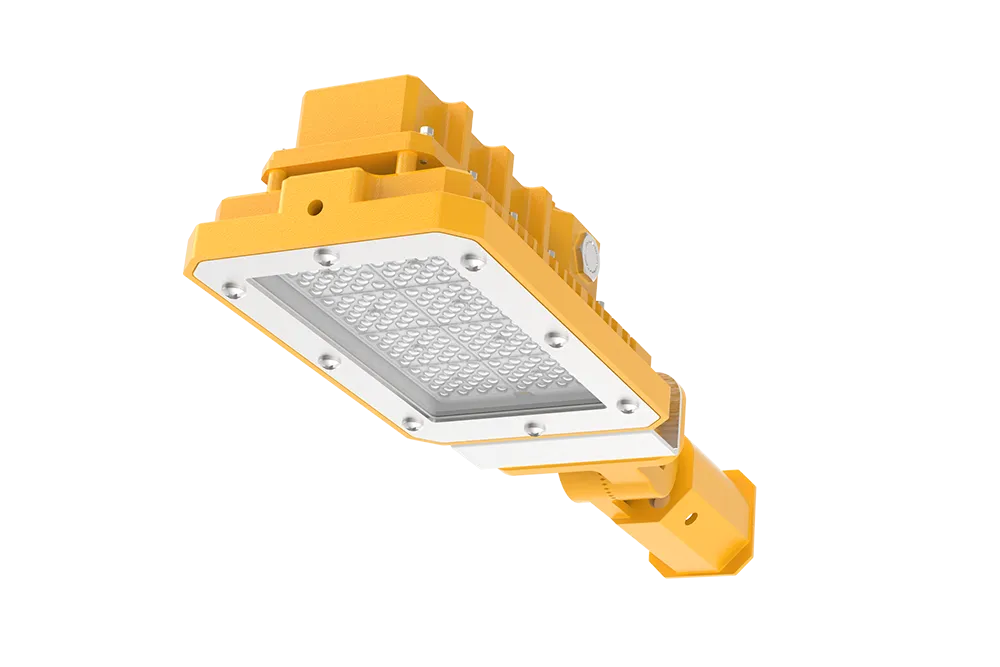
ATEX: II 3G Ex nR ⅡC T5/T6 GcII 3D Ex tc ⅢC T80℃/T95℃Dc ATEX Certificate NO: TÜV CY 26 ATEX 0207611 X Feature: ● For Zone 2 and Zone 22● 150W can replace 250W HID lamps,Energy saving● Power:50W,75W,100W,150W,200W Application: Oil and gas, marine, Chemical, pharmaceutical, semiconductor,mining,military industry, paint booth,power plant ETC…
View details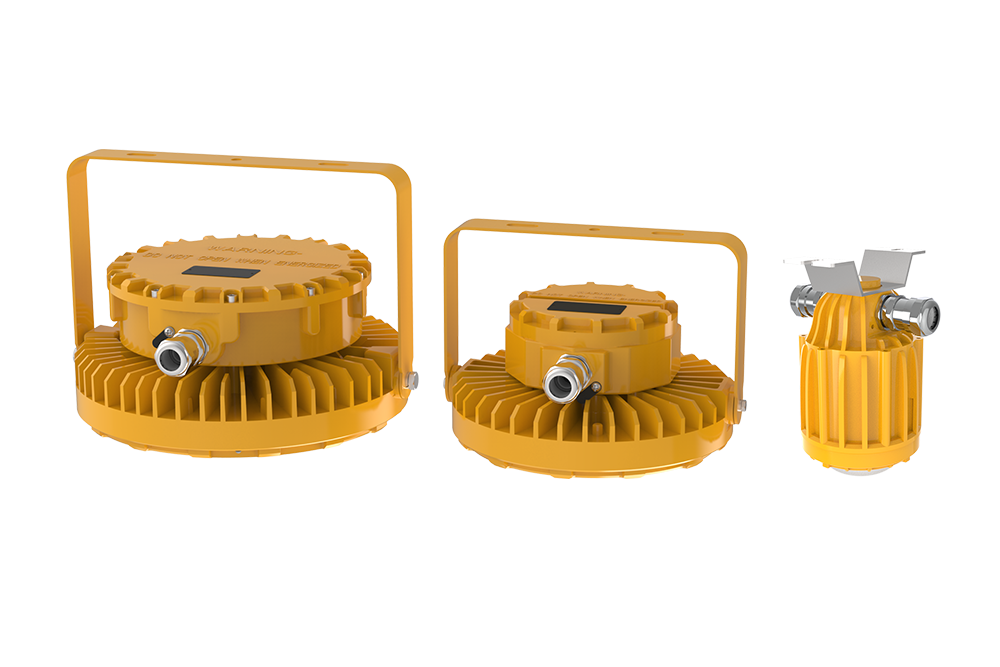
LED explosion proof high bay lights are designed for Zone 1, Zone 2, Zone 21 and Zone 22 hazardous areas. This page introduces the HB21 Series from SEEKING, including certifications, power options and real application considerations.
View details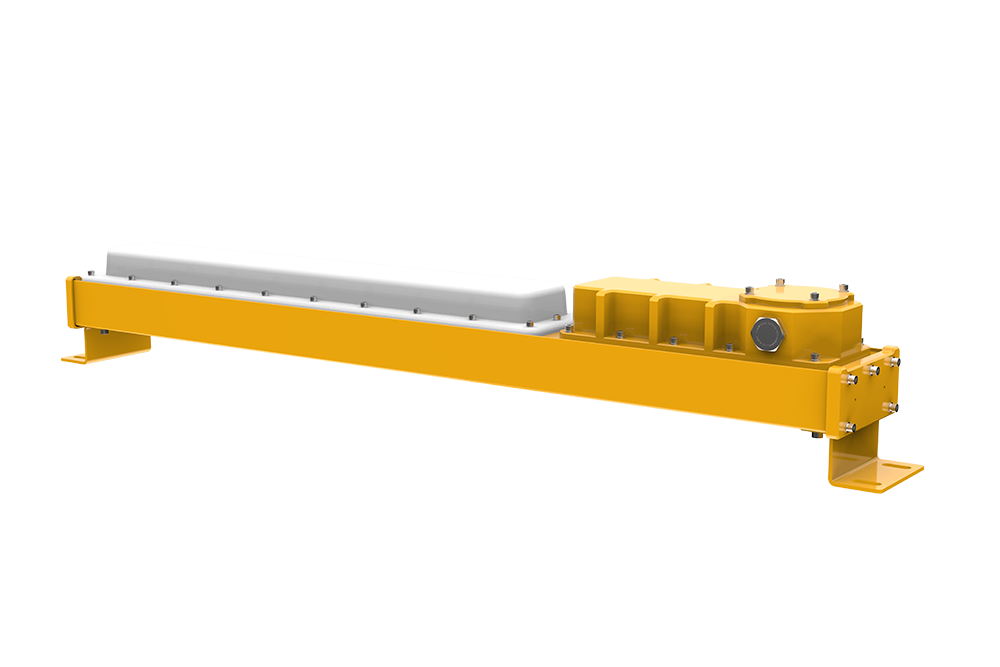
LED Linear Explosion Proof Lights from SEEKINGLED. LU Series Flame Proof lights ATEX-certified explosion proof LED linear lighting for Zone 2 gas and Zone 22 dust areas, IP69K, IK10, long lifetime and flexible power options.
View details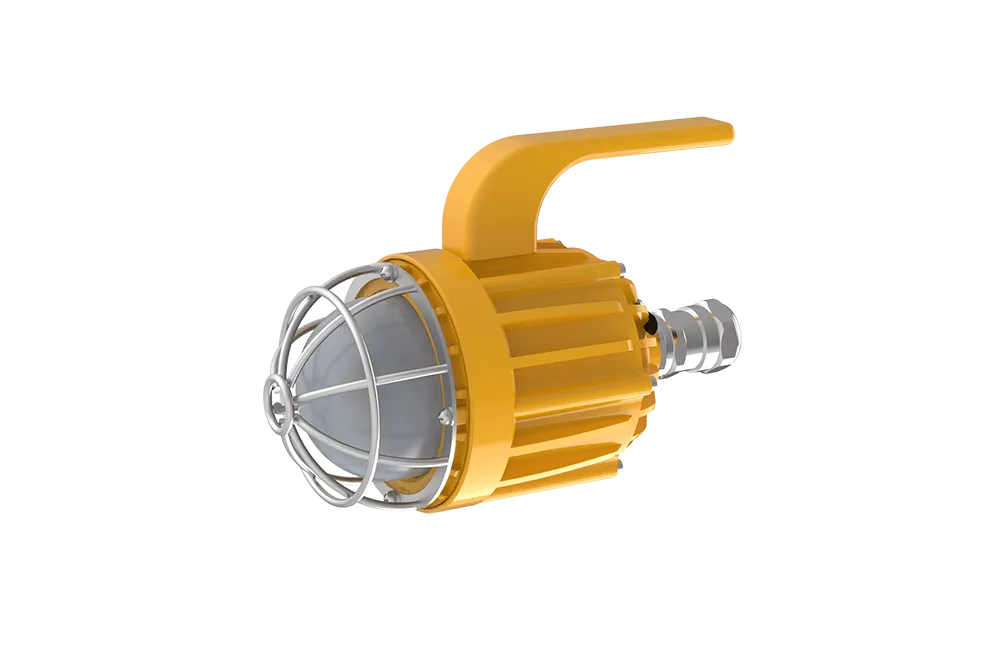
Certified explosion proof work lights for Zone 1 & 21 hazardous areas. Portable, ATEX & IECEx approved, built for oil, gas and chemical plants by SEEKINGLED.
View details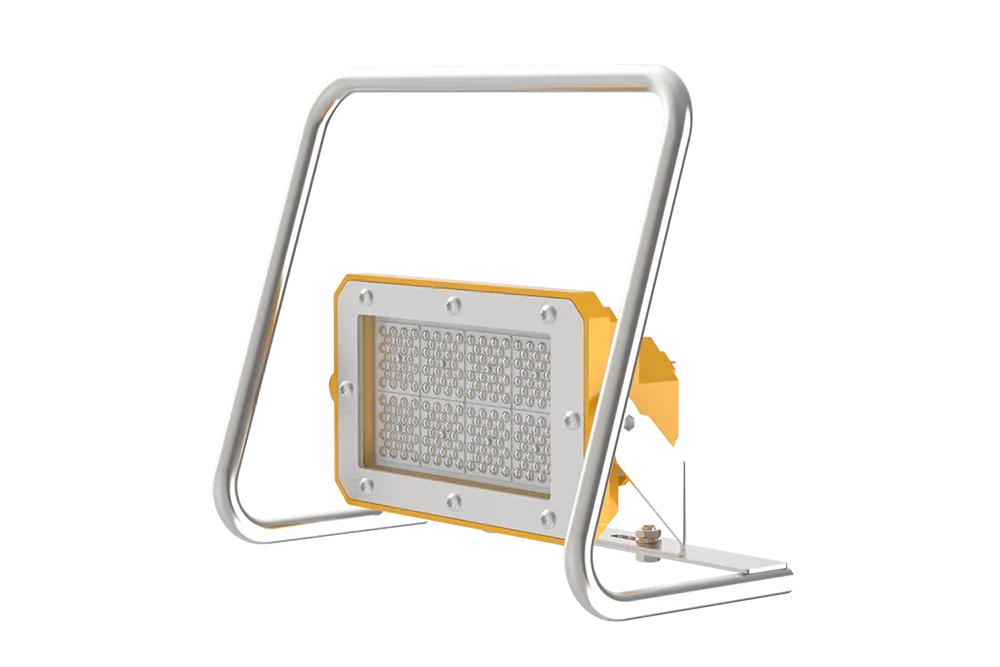
ATEX: II 3G Ex nR ⅡC T6 GcII 3D Ex tc ⅢC T80℃ Dc ATEX Certificate NO: TÜV CY 26 ATEX 0207611 X Feature: ● For Zone 2 and Zone 22● Accepts battery-powered supply● indestructible● Power:AC input:50W,75W,100WDC input:15W,25W,35W Application: Oil and gas, marine, Chemical, pharmaceutical, semiconductor,mining,military industry, paint booth,po…
View details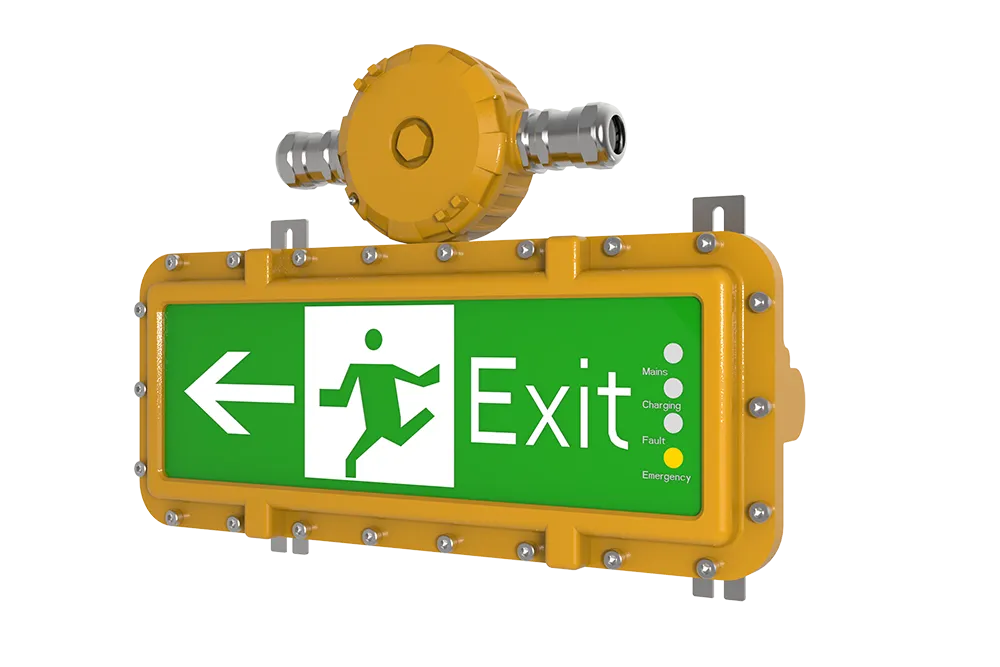
ATEX: Ex II 2G Ex db IIB T6 GbEx II 2D Ex tb IIIC T80°C Db IECEx Ex db IIB T6 Gb;Ex tb IIIC T80°C Db Feature: ● For Zone 1,2 and Zone 21,22● Flameproof type, the strongest Application: Oil and gas, marine, Chemical, pharmaceutical, semiconductor,mining,military industry, paint booth,power plant ETC hazardous area. Technical Specifications:…
View details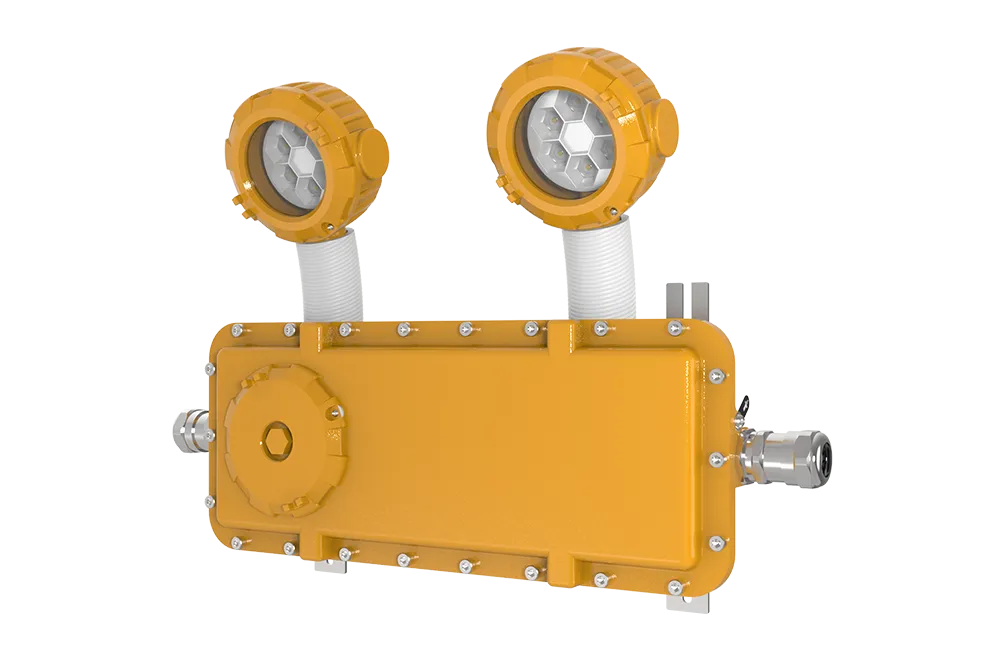
ATEX: Ex II 2G Ex db IIB T6 GbEx II 2D Ex tb IIIC T80°C Db IECEx Ex db IIB T6 Gb;Ex tb IIIC T80°C Db Feature: ● For Zone 1,2 and Zone 21,22● Flameproof type, the strongest Application: Oil and gas, marine, Chemical, pharmaceutical, semiconductor,mining,military industry, paint booth,power plant ETC hazardous area. Technical Specifications:…
View details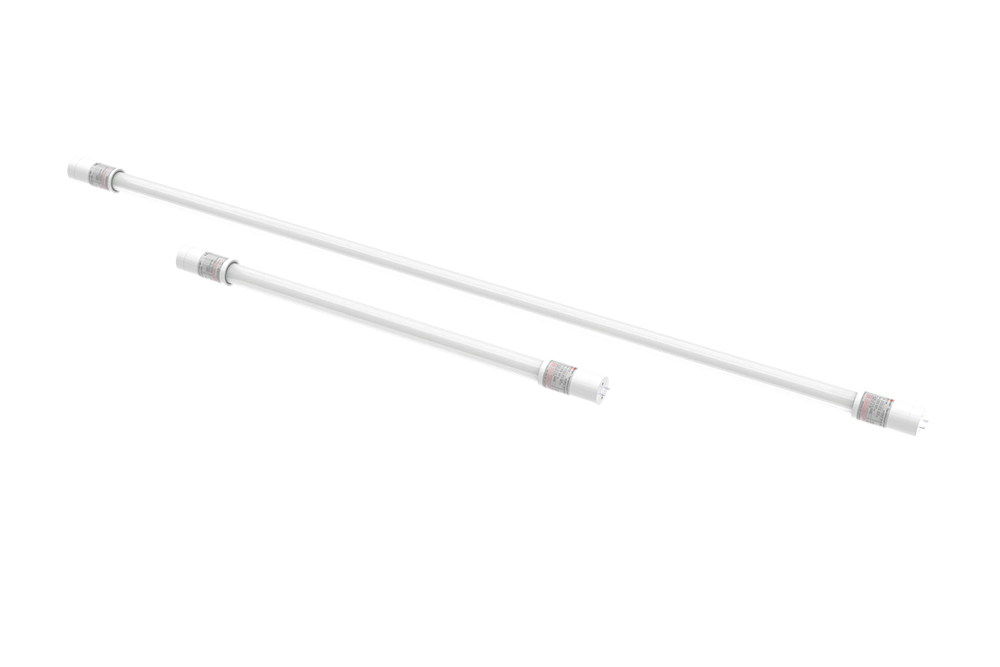
ATEX: Ex II 2G Ex d e IIB T6 Gb ATEX: Ex d e IIB T6 Gb; Feature: ● For Zone 1,2● 9W can replace 18W fluorescent lamps,50% Energy saving Application: Oil and gas, marine, Chemical, pharmaceutical, semiconductor,mining,military industry, paint booth,power plant ETC hazardous area. Technical Specifications: Standards:60079-0, 60079-1, 60079…
View details
How long do hazardous area LED fixtures last? Learn the real service life, maintenance factors, temperature effects, and lifespan expectations for hazardous LED lighting.
View details
A California dairy farm upgraded its barn lighting with LED high bay lights to improve visibility, reduce energy use, and support daily operations.
View details
Explosion-proof lighting engineered for hazardous industrial zones. Learn certifications, safety principles, ATEX standards, and LED performance insights.
View details
LED flood light installation guide from field engineers. Learn safe mounting, wiring, aiming angles, and compliance tips for long‑lasting outdoor lighting.
View details