 Seeking LED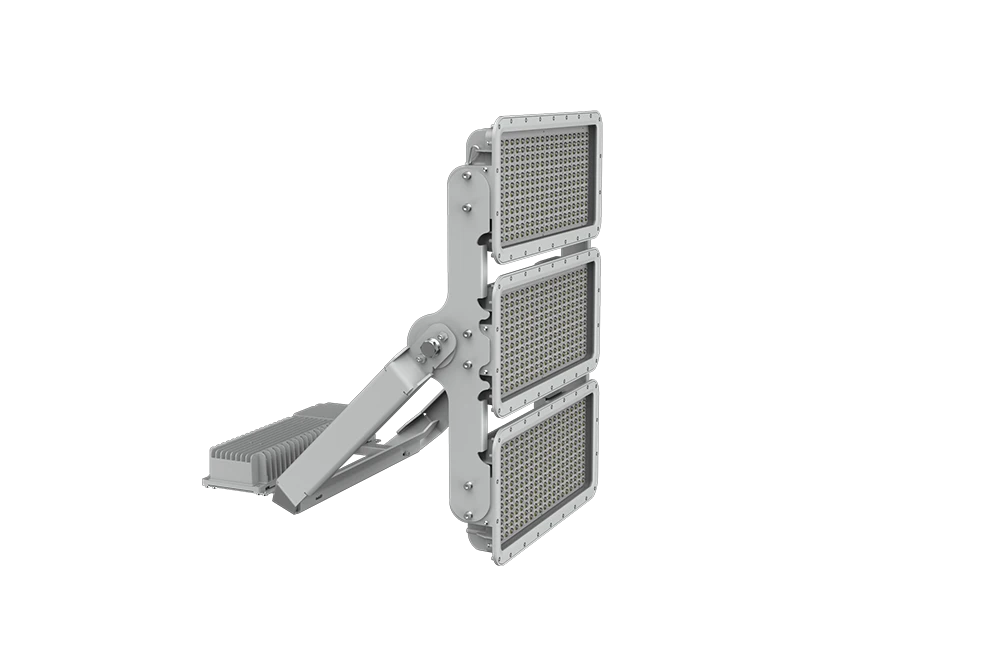
What Is an Explosion-Proof LED Work Light?
299What is an explosion-proof LED work light? Learn how it works, where it is used, and why certified explosion-proof LED work lights are critical for hazardous environments.
View detailsSearch the whole station
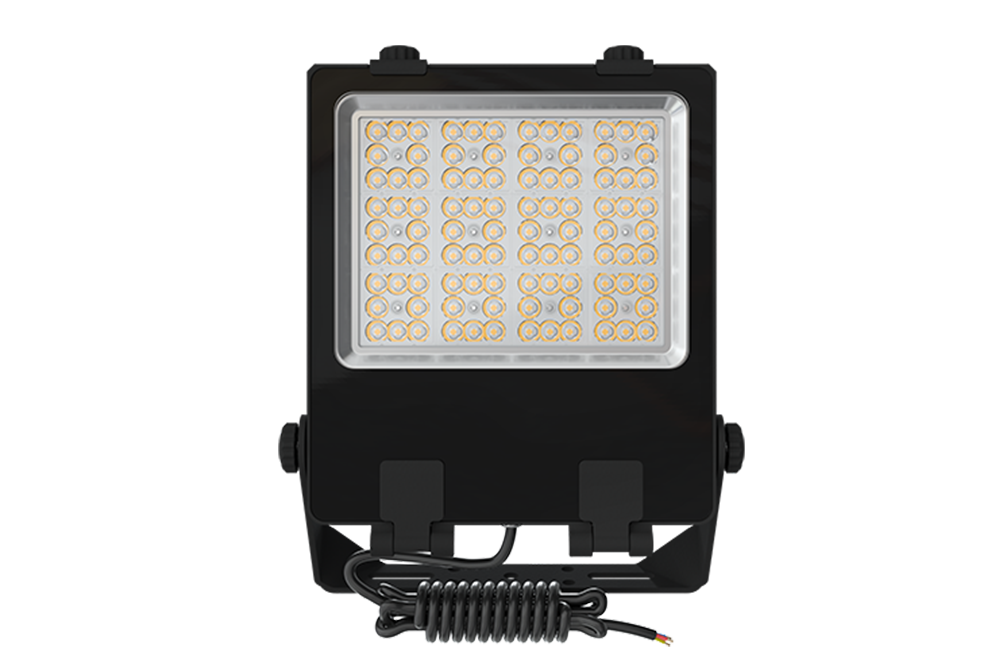
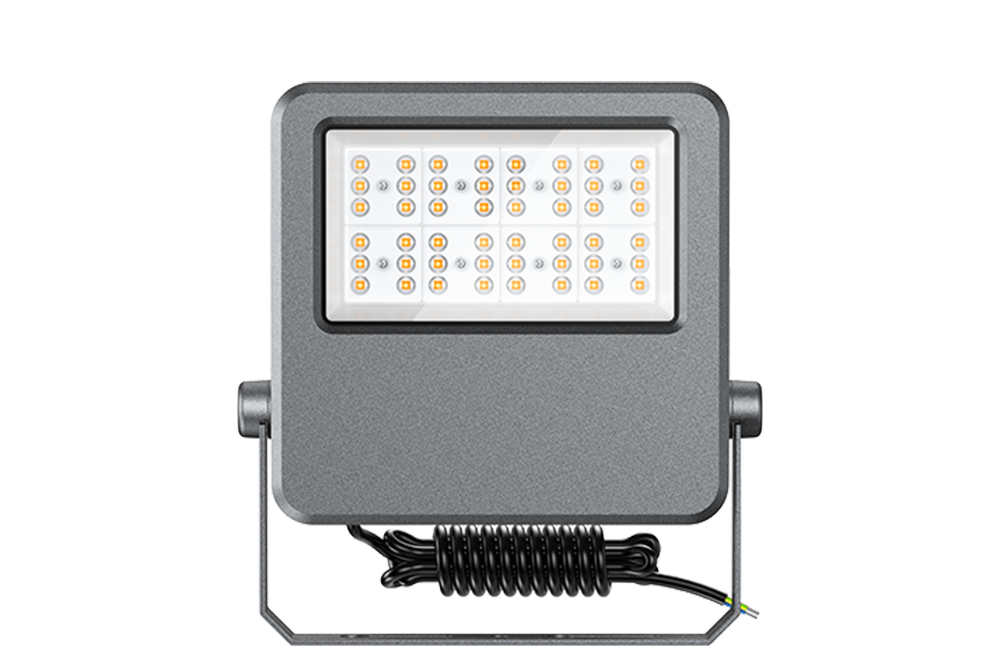
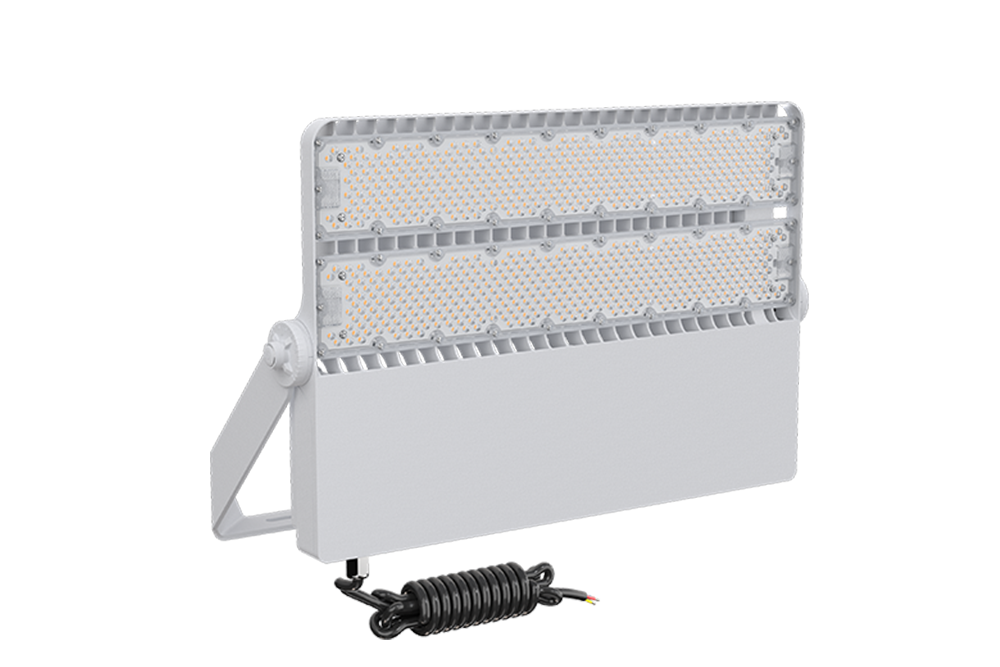
A led flood lamp 100w sounds straightforward.
100 watts, decent brightness, common choice.
But after enough installations, you stop looking at wattage first.
You look at how it behaves after a few months.
100W sits in a middle zone.
Too strong for small residential yards.
Not quite enough for large industrial areas.
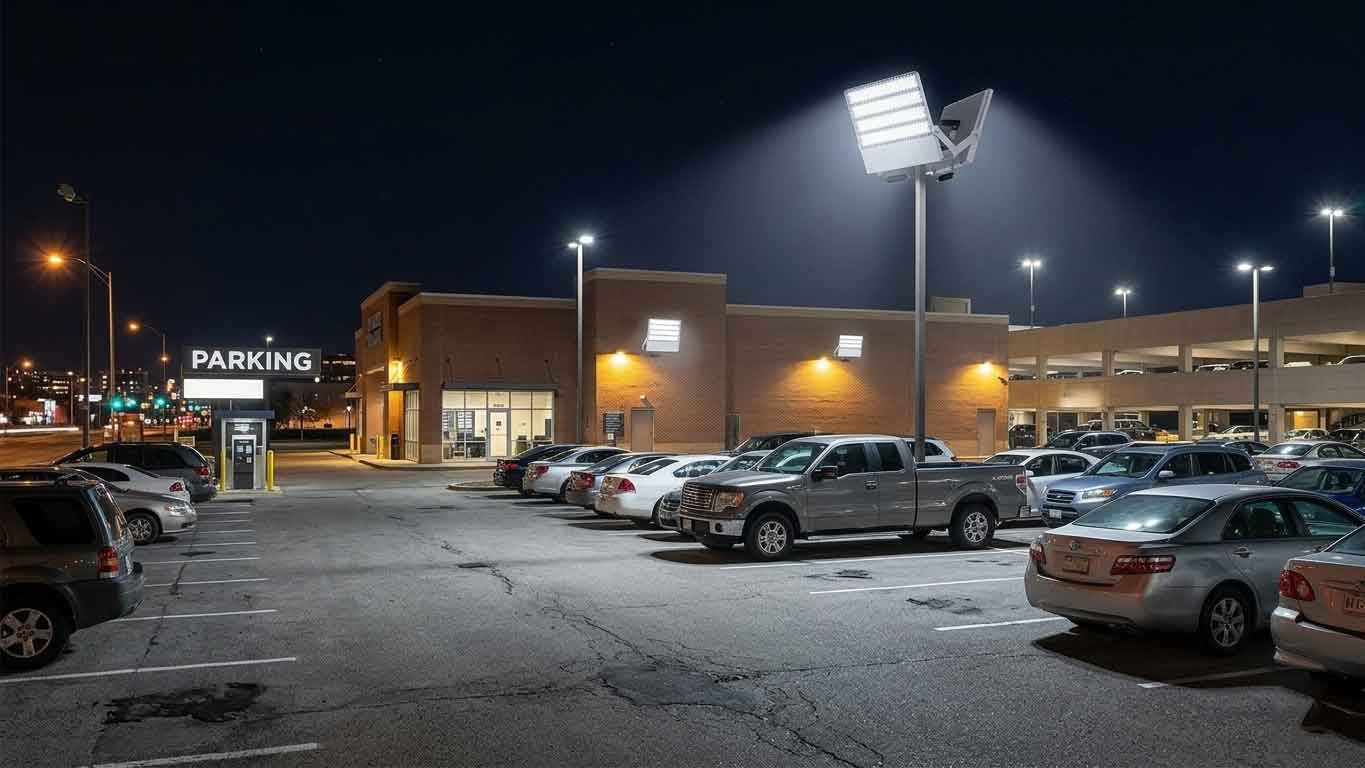
I’ve seen it used in parking lots, building facades, even small logistics zones. Works fine — until expectations don’t match the layout.
One project comes to mind. A client tried to replace older 250W halogen units one-for-one with a led flood lamp 100w. On paper, the lumen numbers looked close enough.
On-site? Slightly darker edges. Not dramatic. But noticeable.
That’s where beam angle and mounting height start to matter more than wattage.
Let’s put numbers on it.
A typical led flood lamp 100w today runs around 130–170 lumens per watt.
So you’re looking at roughly:
13,000 to 17,000 lumens
That aligns with data from the U.S. Department of Energy, which shows modern LED outdoor lighting achieving well above 130 lm/W in practical applications.
But again — numbers don’t tell the full story.
Two fixtures with the same lumen output can behave very differently depending on optics.
Wide beam spreads light thin. Narrow beam concentrates it.
I’ve seen a 100W unit outperform a 150W one simply because the beam was better controlled.
This is where experience saves time.
A led flood lamp 100w works well in:
Not ideal for:
It’s not about capability. It’s about efficiency.
Using too many 100W units to cover a large space often costs more than fewer higher-power fixtures.
Most failures don’t happen suddenly.
They build up.
Heat is usually behind it.
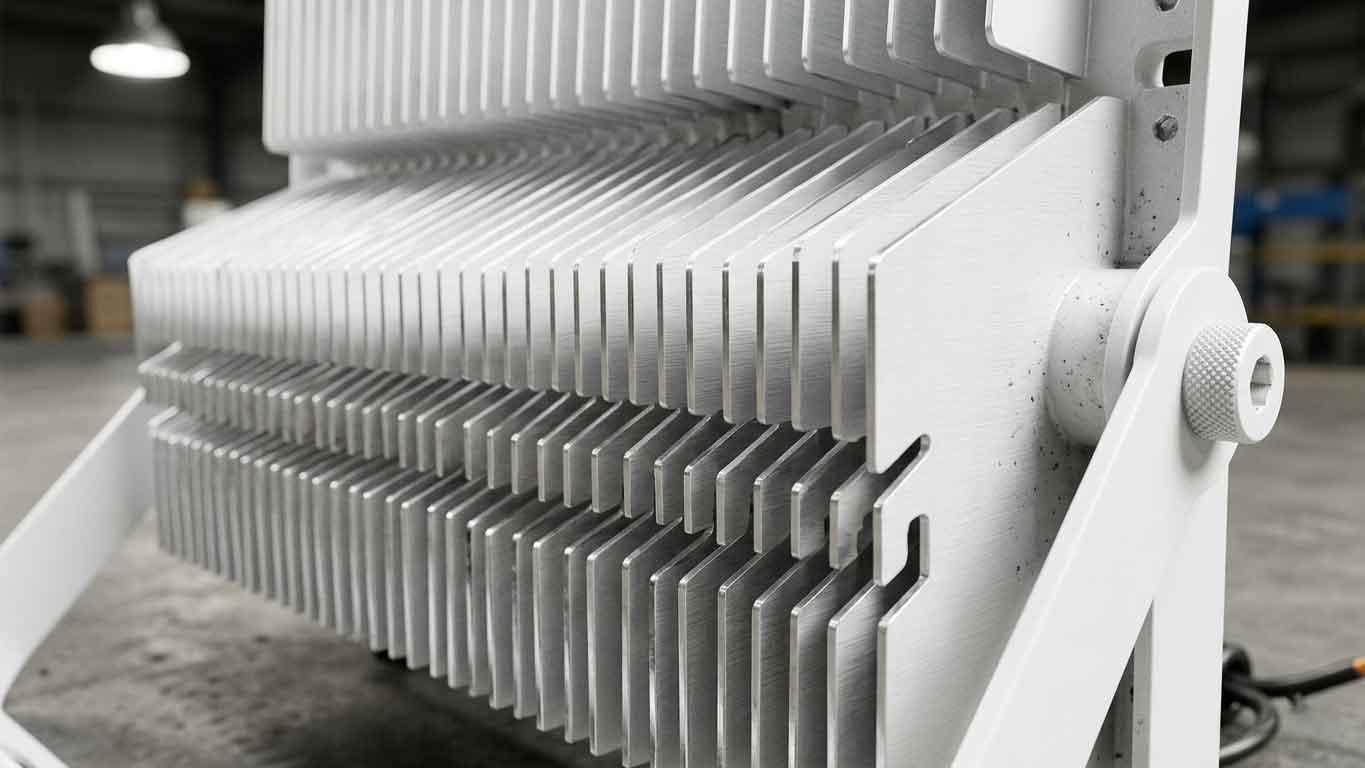
LED chips are efficient, yes. But not perfect. Some energy still turns into heat, and if it isn’t managed well, internal components age faster.
According to DOE reliability studies, thermal management directly impacts LED lifespan and lumen maintenance.
In one installation, identical 100W units performed differently just because of placement:
Same product. Different airflow.
SEEKINGLED tends to design larger heat sinks and separate driver sections. That reduces internal stress. You don’t notice it on day one. You notice it after a year.
Most buyers focus on LEDs.
In reality, drivers fail first.
Outdoor environments don’t have perfect power. Voltage fluctuations are common, especially in industrial zones. IEEE reports highlight frequent transient surges in such systems.
If the driver isn’t stable, the fixture doesn’t last as expected.
Symptoms show slowly:
A solid led flood lamp 100w needs a reliable driver as much as a good LED chip.
Wiring isn’t complicated. But small mistakes matter.
Common issues I’ve seen:
None of these cause immediate failure. That’s the problem.
They create slow degradation.
Moisture gets in. Contacts weaken. Performance drops.
SEEKINGLED designs help reduce risk, but installation still decides long-term results.

This is where opinions change.
At installation, most 100W flood lights look similar.
After six months:
That’s when build quality shows up.
Not in specs. In behavior.
A led flood lamp 100w is not a “basic” product. It sits in a very practical range — and that’s exactly why expectations are high.
If selected and installed properly, it delivers stable, efficient lighting for years.
If not, the problems won’t show immediately.
They’ll show gradually.
And by then, replacement is already being discussed.

What is an explosion-proof LED work light? Learn how it works, where it is used, and why certified explosion-proof LED work lights are critical for hazardous environments.
View details
Flood light explosion proof solutions for hazardous zones. Learn how certified LED floodlights improve safety, durability, and visibility in industrial sites.
View details
How to disable LED street light safely during maintenance or testing? This guide explains authorized methods, control options, and smart systems used in modern LED street lighting by SEEKINGLED.
View details
how much power does a 200w led light use - cost guide | SEEKINGLED
View details