 Seeking LED
Lamp Explosion Proof: What It Means in Real Industrial Use
0Lamp explosion proof explained: real safety design, certifications, and industrial use cases. Learn how explosion proof lamps work from SEEKINGLED experts.
View detailsSearch the whole station
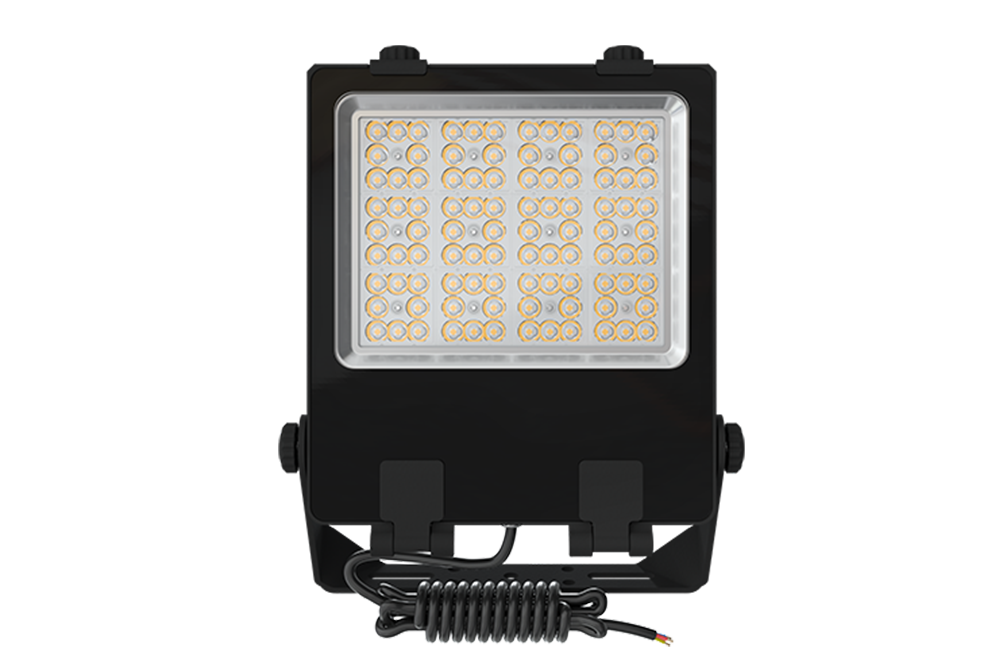
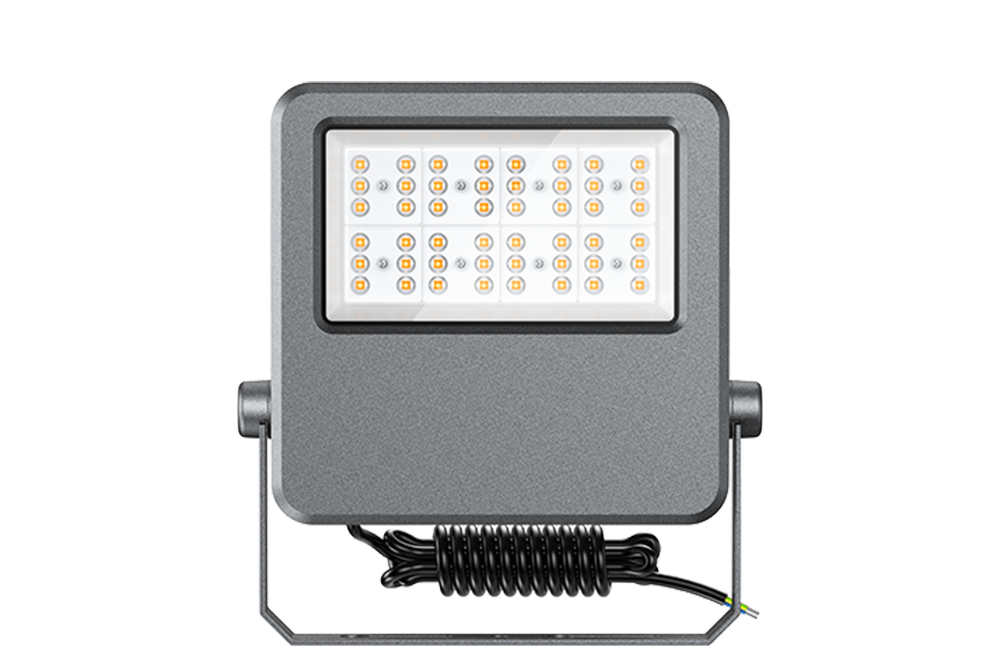
I didn’t pay much attention to the 100w led floodlight category at first. It sat in that middle ground—too powerful for small residential use, not quite industrial-grade on paper.
Then I started installing them in real projects.
Parking lots, mid-sized warehouses, backyard courts. Same wattage, different expectations. And that’s where things got interesting—because not all 100W floodlights behave the same once they leave the box.
It was a small logistics yard—nothing complex. The client wanted to replace aging halogen units that were pulling too much power and still leaving dark zones.
We swapped them for a set of 100w led floodlight fixtures. On paper, the numbers looked straightforward:
According to the U.S. Department of Energy (DOE), LED lighting can reduce energy consumption by up to 75% compared to halogen systems. That checked out.
But what stood out wasn’t the savings.
It was how the light actually spread across the yard. Fewer shadows. Cleaner edges. The space felt… organized. That’s not something you see in spec sheets.
There’s a reason this wattage keeps showing up in projects.
Too low (30W–50W), and you start needing more fixtures to compensate.
Too high (150W+), and you risk over-lighting smaller areas.
A well-designed 100w led floodlight usually delivers between 10,000–15,000 lumens, depending on efficiency. The International Energy Agency (IEA) notes that modern LED systems commonly exceed 120 lumens per watt in outdoor applications.
That’s enough to cover:
Without turning the place into daylight.
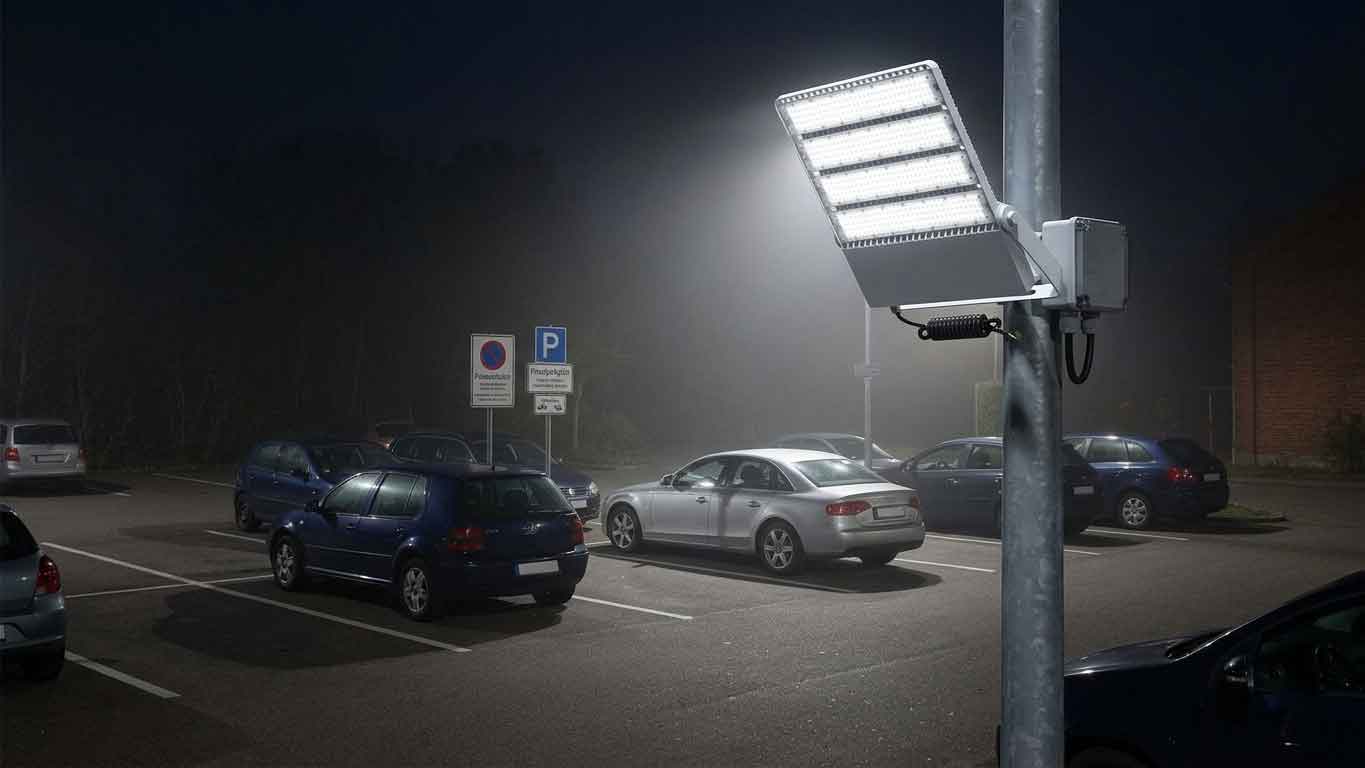
Most buyers ignore beam angle.
In the field, it’s one of the first things you notice.
A narrow beam (30°–60°) creates intensity but limits coverage.
A wide beam (90°–120°) spreads light but reduces lux at distance.
In one installation, we replaced wide-angle units with 90° optics. Same wattage, same mounting height—but visibility improved immediately. Less spill, more usable light.
The Illuminating Engineering Society (IES) emphasizes that proper light distribution is as critical as output. You’re not just lighting an area—you’re shaping how that area is seen.
This is where cheaper 100W units struggle.
On paper, they all promise long lifespans—often 50,000 hours. In reality, thermal design determines whether they get anywhere close.
I’ve handled fixtures after a few hours of operation that were too hot to touch comfortably. That heat doesn’t just sit there—it affects:
The IES notes that elevated junction temperature accelerates lumen depreciation. Translation: brightness fades faster than expected.
Heavier housings, deeper fins—those aren’t aesthetic choices. They’re survival features.
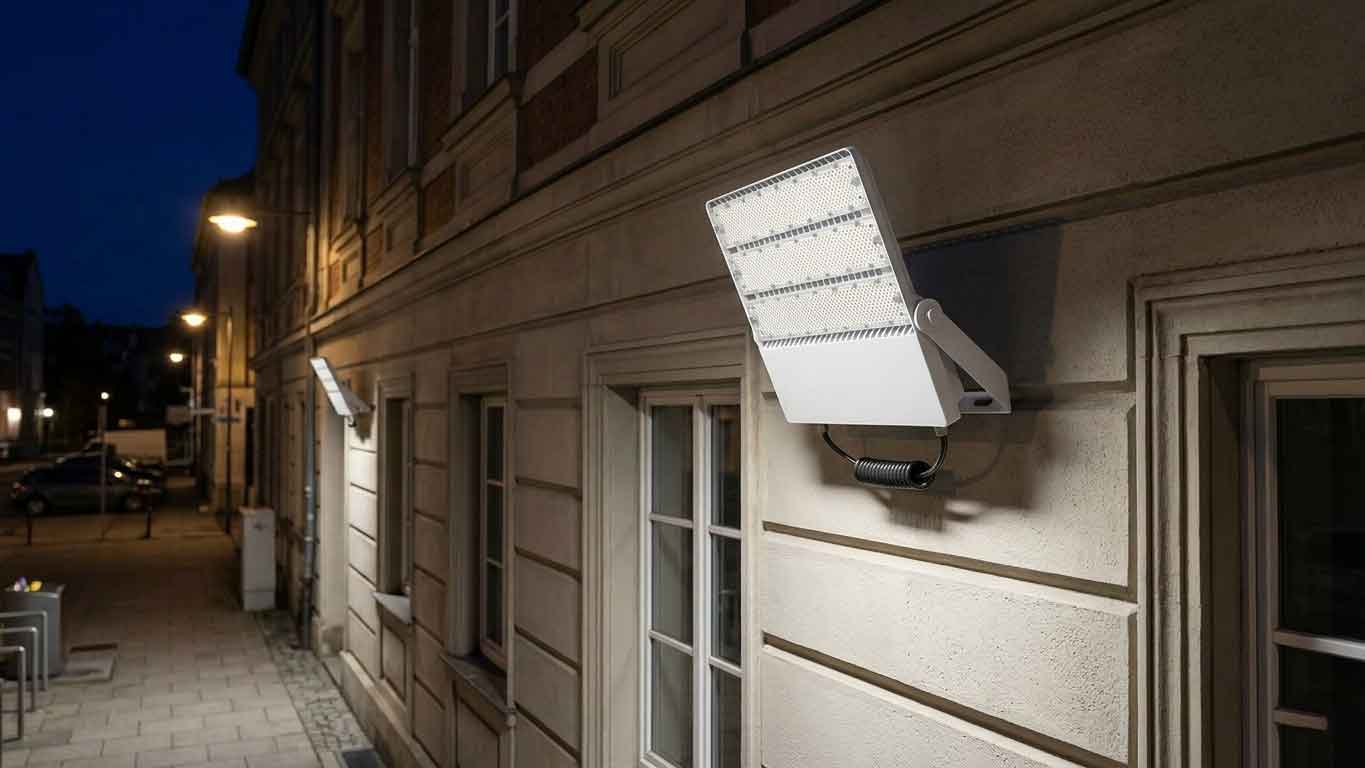
After enough projects, patterns show up.
People assume higher equals better coverage. It doesn’t always.
At excessive heights, light disperses too much before reaching the ground. Result: lower effective lux.
Looks neat. Performs poorly.
A slight outward tilt (around 10–20 degrees) improves both spread and visibility. It also reduces harsh shadows directly under the fixture.
Walls, surfaces, even pavement color affect how light behaves. Light bouncing off a light-colored wall can improve overall brightness without increasing wattage.
I don’t stick to one brand unless there’s a reason.
With SEEKINGLED, the consistency stood out over multiple installs. Not just one project—several.
What I noticed:
In one outdoor yard exposed to heavy rain, their 100w led floodlight units held up without moisture issues. That’s not something I can say for every product I’ve tested.
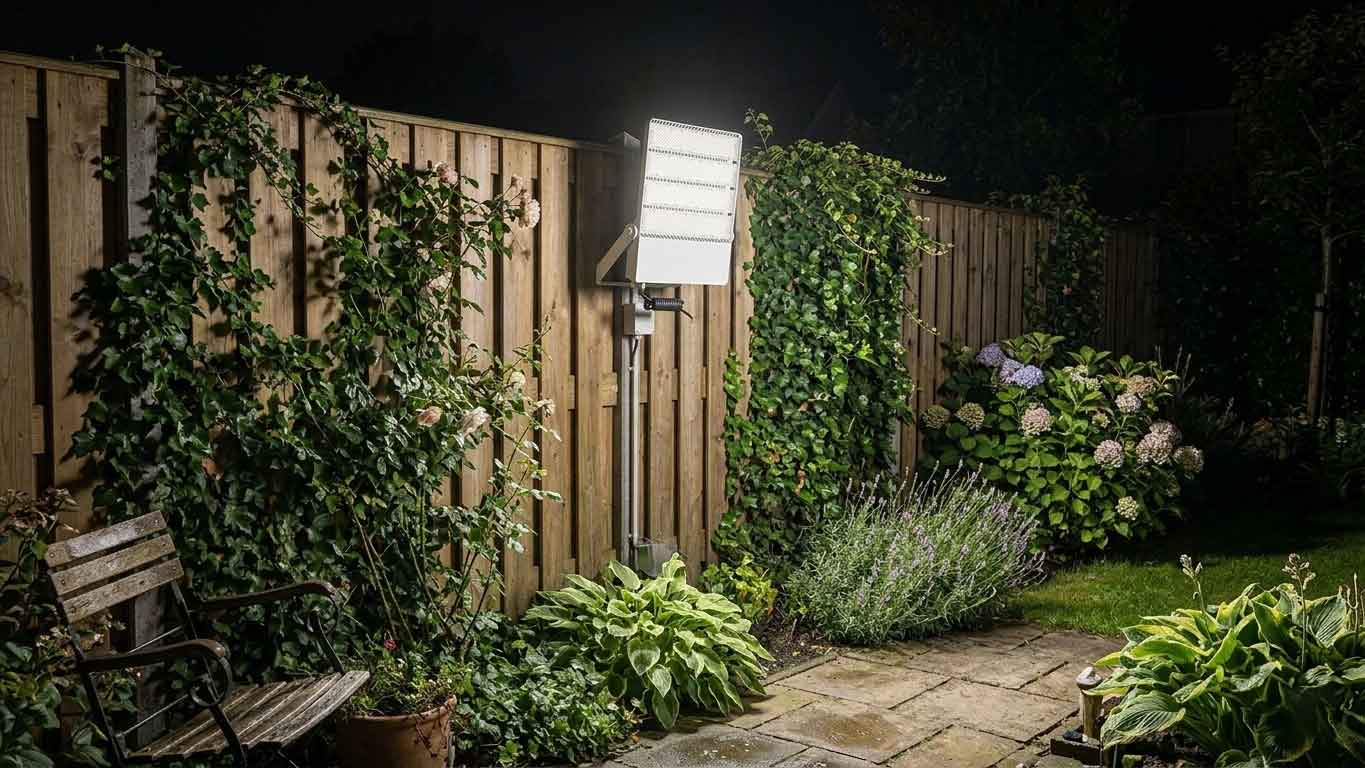
Here’s what doesn’t show up in product descriptions.
After installing a good 100w led floodlight, the space feels easier to navigate. Not just brighter—clearer.
Edges are defined. Movement is easier to track. Shadows don’t hide things the way they used to.
It’s a small shift, but once you notice it, you start expecting it.
The 100W category looks simple on paper. Same wattage, similar lumen claims, identical IP ratings.
But real-world performance varies more than most people expect.
If you’re choosing a 100w led floodlight, don’t stop at specifications. Look at build quality, heat management, and beam control.
Because once installed, those details decide whether the light works with the space—or against it.
And in most cases, you only find out after dark.
Lamp explosion proof explained: real safety design, certifications, and industrial use cases. Learn how explosion proof lamps work from SEEKINGLED experts.
View details
Explore class 1 division 1 lights for hazardous locations. Learn NEC requirements, explosion protection features, LED advantages, and industrial applications from SEEKINGLED.
View details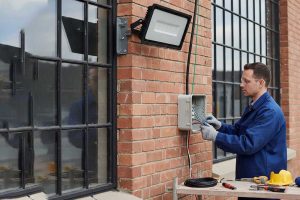
How to connect LED flood light safely and correctly? Learn wiring basics, common mistakes, and installation tips used in professional LED flood light projects by SEEKINGLED.
View details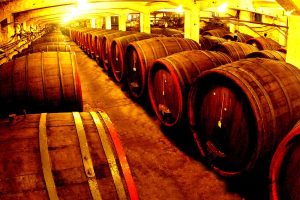
Explosion proof lights for paint booth ensure safe lighting in wineries and cellars. ATEX-certified SEEKINGLED solutions prevent ignition risks and improve visibility.
View details