 Seeking LED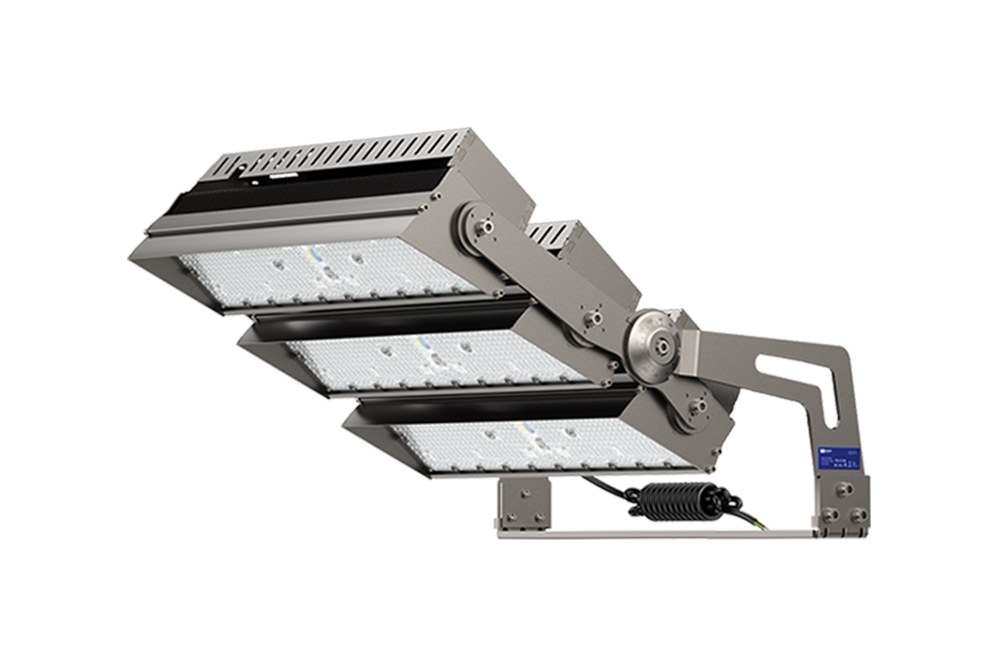
Industrial Explosion Proof Lighting: Real Safety and Performance Guide
0Industrial explosion proof lighting explained with real certifications, lumens, and field insights. Learn how SEEKINGLED ensures safety in hazardous environments.
View detailsSearch the whole station
From an engineering point of view, Sports Stadium LED Lighting Technology did not suddenly appear as a “revolution”. It came in gradually, project by project, often because older systems could no longer meet real operational needs.
In the early days, many stadiums relied on metal halide or high-pressure sodium lamps. On paper, they met illumination standards. On site, however, things were different. Warm-up time was long, light output drifted after hours of use, and maintenance schedules became harder to control. For venues hosting frequent events, these problems slowly added up.
When LED systems started being used in stadium projects, the first noticeable change was not color effects or smart control. It was stability. Light came on immediately. Output stayed consistent. Engineers could finally measure what they designed.
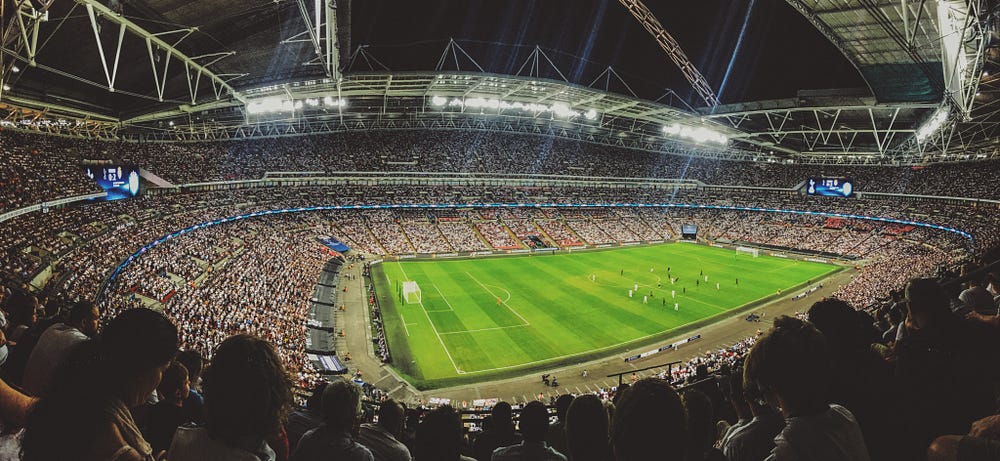
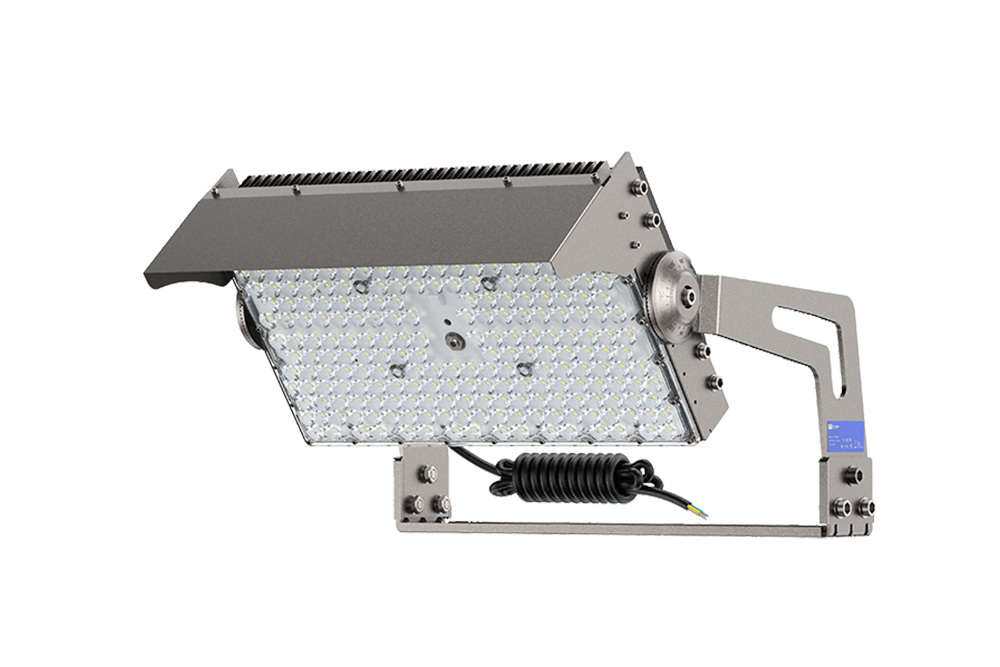
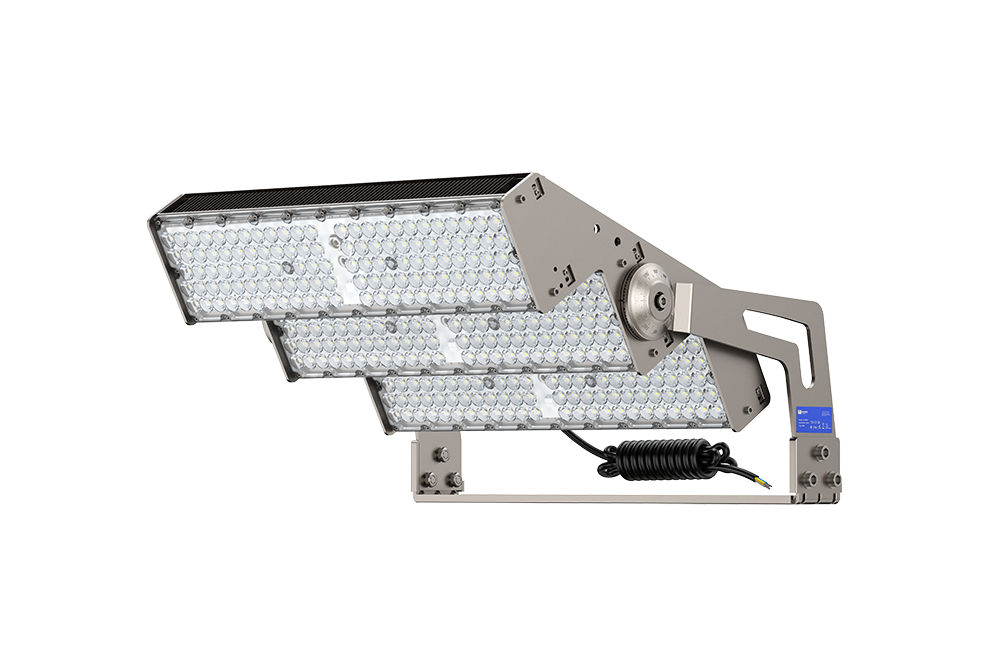
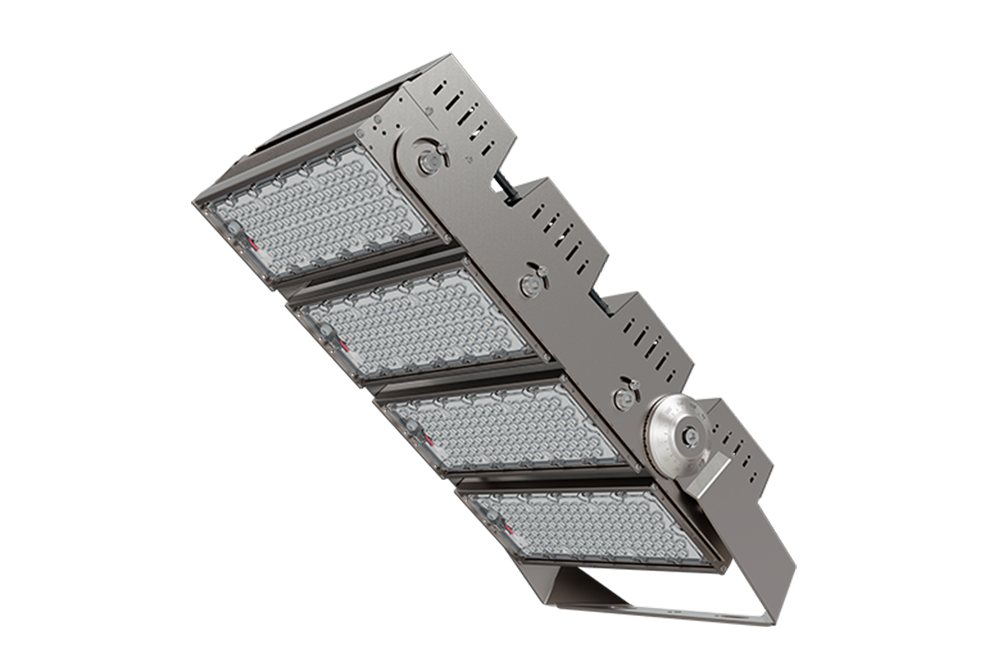
At SEEKINGLED, most discussions with integrators are not about visual effects first. They are about beam angles, pole height, glare control, and how to reduce uneven brightness on the field. Sports Stadium LED Lighting Technology allows finer optical control, which makes it easier to meet both horizontal and vertical illumination requirements without over-lighting certain zones.
During installation and commissioning, LED Flood Light fixtures are usually adjusted several times. Small changes in aiming can make a visible difference. Compared with older fixtures, LEDs respond more precisely, which saves time during final tuning. This matters when projects run on tight schedules.
Another practical benefit shows up after the stadium is handed over. Energy use becomes more predictable. LEDs consume less power, but more importantly, they do not lose output as quickly over time. Operators can keep lighting levels stable without pushing systems beyond their design limits.
In areas beyond the main field, such as service corridors, equipment rooms, and indoor training spaces, LED High Bay Light, Linear LED Light, and LED Tri-proof Lamp products are commonly used. These areas are often overlooked, but they affect daily operation more than people realize. Reliable lighting reduces inspection time and improves safety for maintenance staff.
Safety is another reason LED systems are favored today. Lower surface temperature, no mercury, and stable power behavior reduce long-term risks. In certain stadium infrastructure zones, Explosion Proof Light solutions are also applied, especially where fuel storage or electrical equipment is present. These are not visible to spectators, but they are essential from an engineering standpoint.
There is a lot of discussion about dynamic lighting and AI control. In reality, most stadiums still prefer simple and reliable control logic. Preset scenes, scheduled dimming, and manual override remain the core functions. Advanced features are added carefully, not all at once.
Outside the stadium, LED Street Light and Garden Lights LED help complete the lighting environment. Parking areas, walkways, and surrounding landscapes benefit from consistent light color and brightness, improving both safety and overall impression.
From real project experience, Sports Stadium LED Lighting Technology is less about show and more about control, predictability, and long-term use. SEEKINGLED continues to focus on practical LED solutions that engineers can rely on, not just during opening ceremonies, but years after the project is completed.
Industrial explosion proof lighting explained with real certifications, lumens, and field insights. Learn how SEEKINGLED ensures safety in hazardous environments.
View details
Learn how to stop my high bay LED lights from flickering by identifying wiring, driver, and control issues. Field-based guidance from SEEKINGLED.
View details
what is atex directive? Learn ATEX 2014/34/EU requirements, hazardous area equipment rules, explosion protection standards, and industrial safety applications.
View details
LED Street Light 150 Watt solutions for real traffic roads. Discover efficiency, optics, and durability insights for choosing reliable 150W street lighting.
View details