 Seeking LED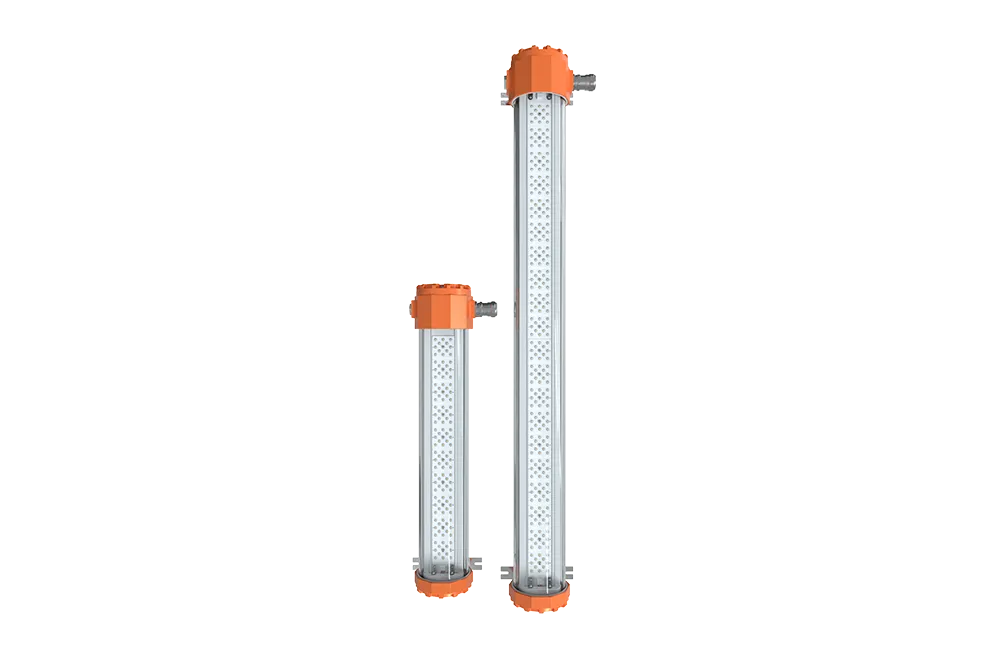
LED High Bay Spacing Chart by Ceiling Height—How Far Apart Is Too Far?
211LED high bay spacing chart by ceiling height explained with real warehouse logic. Learn spacing ranges, common errors, and how to adjust for layout.
View detailsSearch the whole station
When we talk about led ex-proof lighting, we are not discussing decorative luminaires or general industrial fixtures. We are dealing with equipment installed in places where one spark can shut down a refinery, damage assets worth millions, or worse, put lives at risk.
I have worked in hazardous area lighting design and product engineering for more than a decade, focusing specifically on ATEX and IECEx compliance for oil & gas and petrochemical facilities. At SEEKINGLED, we design and manufacture our led ex-proof lighting systems in-house. That means we deal directly with thermal modeling, flame path tolerances, cable gland positioning, and certification testing — not just assembly.
This article reflects what I have learned from real projects, not theory.
Hazardous areas are classified under the ATEX Directive (2014/34/EU) in Europe and IECEx globally. According to the International Electrotechnical Commission (IEC 60079 series), explosive atmospheres are categorized into Zones based on frequency and duration of occurrence.
Lighting installed in these zones must prevent ignition under fault conditions. That’s the core principle of led ex-proof lighting.
In the past, high-pressure sodium and metal halide fixtures dominated hazardous areas. They generated significant heat and required frequent lamp replacement. LED technology changed the equation — but only when properly engineered.
The U.S. Department of Energy has reported that LED luminaires can reduce energy consumption by 50–70% compared to traditional HID systems in industrial applications. This is not marketing language. It is measurable performance.
In one refinery retrofit project we supported in Southeast Asia, replacing 150W HPS hazardous fixtures with 100W led ex-proof lighting units resulted in:
Energy savings are important, but in hazardous zones, lower surface temperature is even more critical. Excessive heat can approach ignition limits for gas groups like IIC (hydrogen).
Many assume that because LEDs are “cool,” explosion-proof design is simple. That is incorrect.
LED chips generate heat at the junction. If thermal dissipation is poor, surface temperature increases, which affects the T-rating (T6, T5, etc.). Maintaining compliance with temperature class requirements is essential.
At SEEKINGLED, we spend significant engineering time on:
The International Energy Agency has emphasized that efficient LED systems depend heavily on thermal design to maintain lumen output and lifespan. That matches our field observations.
An explosion-proof luminaire that overheats will fail early — or worse, exceed safe temperature limits.
Theory changes once you’re on a steel platform 18 meters above ground in coastal wind.
We have seen installations where:
This is why modern led ex-proof lighting design must consider:
On one offshore platform project, reducing installation time per fixture by 20 minutes saved several man-days across the site. That is not a minor benefit.
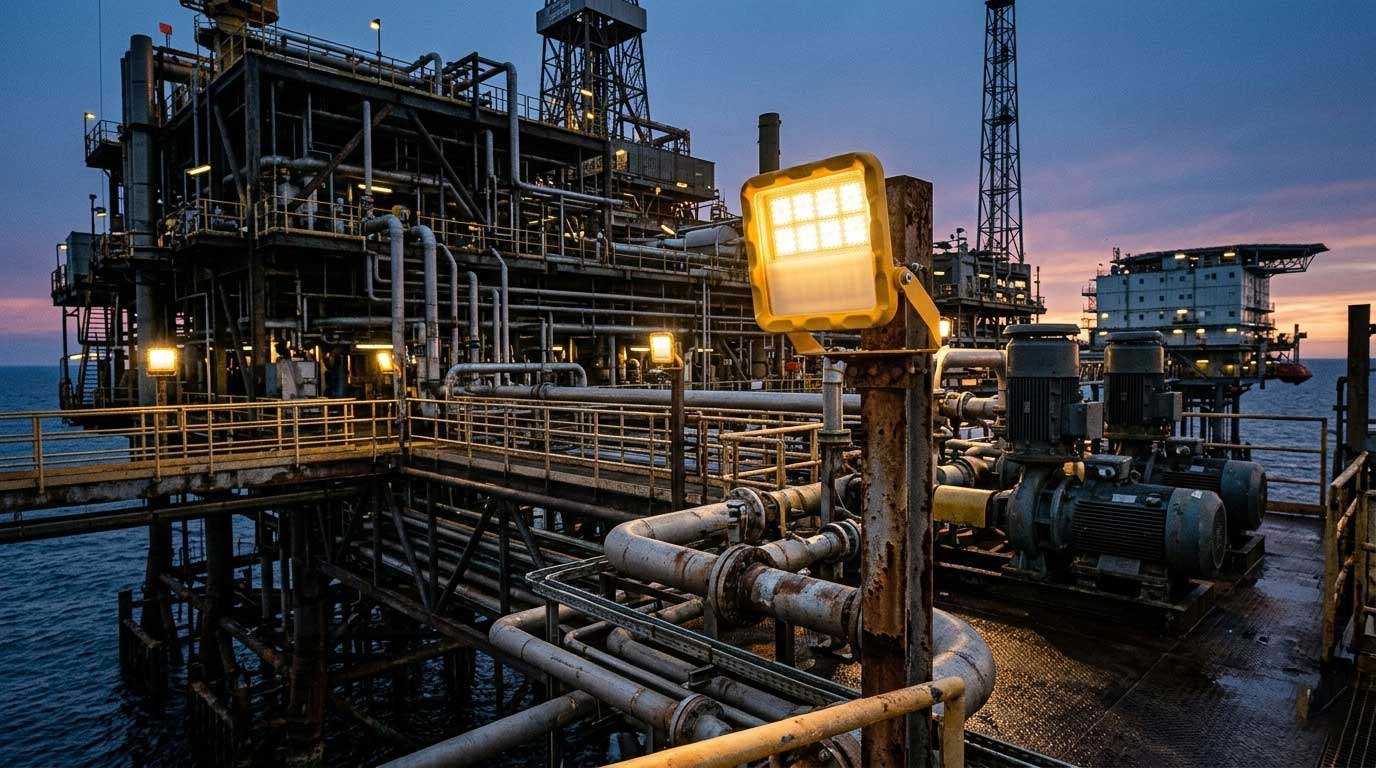
ATEX and IECEx markings are not decorative engravings. They represent design validation, laboratory testing, and documentation review.
Under IEC 60079 standards, flameproof (Ex d), increased safety (Ex e), and non-sparking (Ex nR) designs each require strict compliance. For global projects, IECEx simplifies cross-border acceptance.
Working directly with notified bodies forces engineering discipline. Tolerances in flame paths are measured in tenths of millimeters. That level of precision is part of responsible led ex-proof lighting manufacturing.
The U.S. Department of Energy notes that well-designed LED systems can exceed 100,000 hours (L80). In hazardous environments, actual performance depends on:
We typically design for L80B20 at 25°C exceeding 100,000 hours. However, we also run elevated temperature tests to simulate refinery conditions.
Five-year maintenance-free operation is achievable — but only with proper driver selection and sealing design.
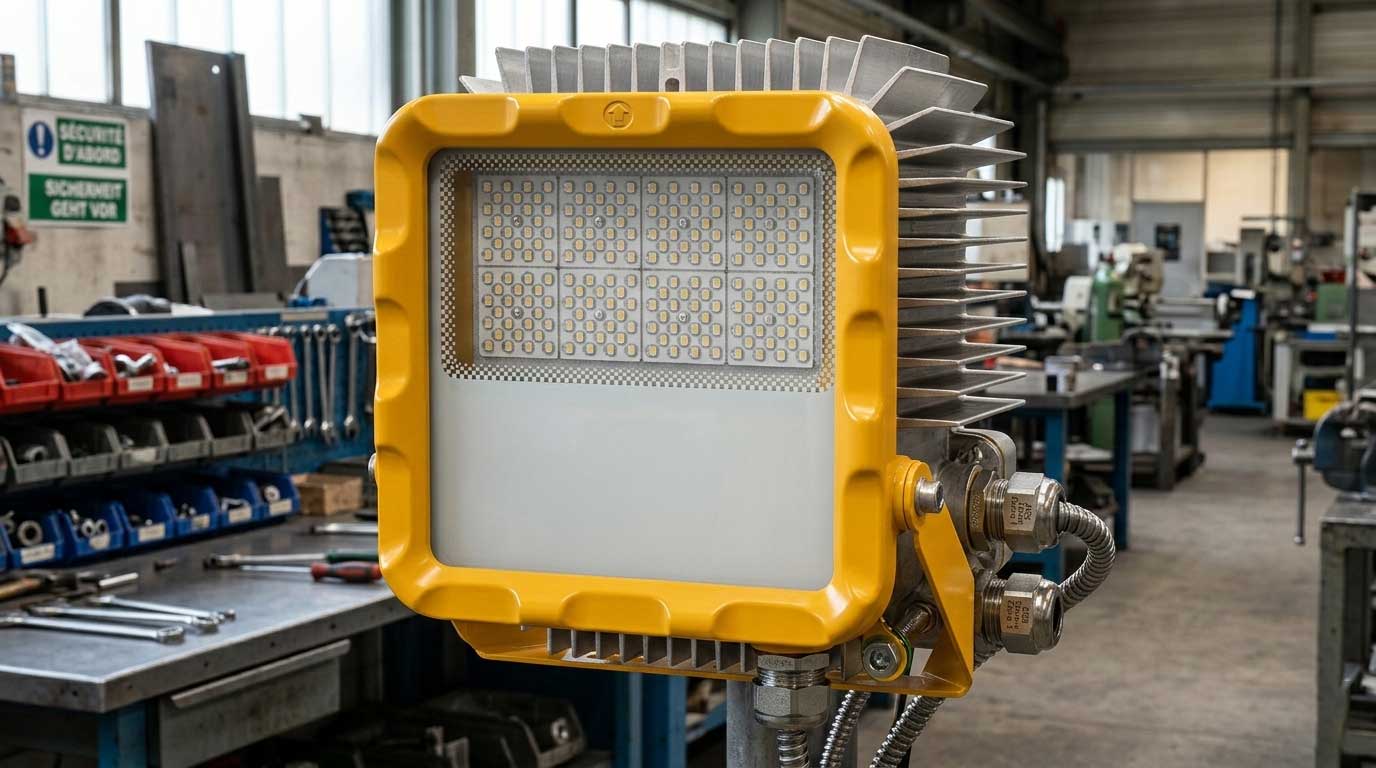
If you are specifying led ex-proof lighting, verify:
Do not select based on wattage alone. Lumen output, beam distribution, and mounting height determine actual performance.
In hazardous industries, lighting is safety infrastructure. It is not decorative hardware.
From thermal modeling to final certification marking, led ex-proof lighting requires engineering depth and real-world understanding. At SEEKINGLED, we approach every project with that mindset — not as a commodity supplier, but as a hazardous area lighting manufacturer.
If you are planning a refinery retrofit, petrochemical expansion, or offshore platform upgrade, selecting the right led ex-proof lighting is a technical decision that deserves careful evaluation.
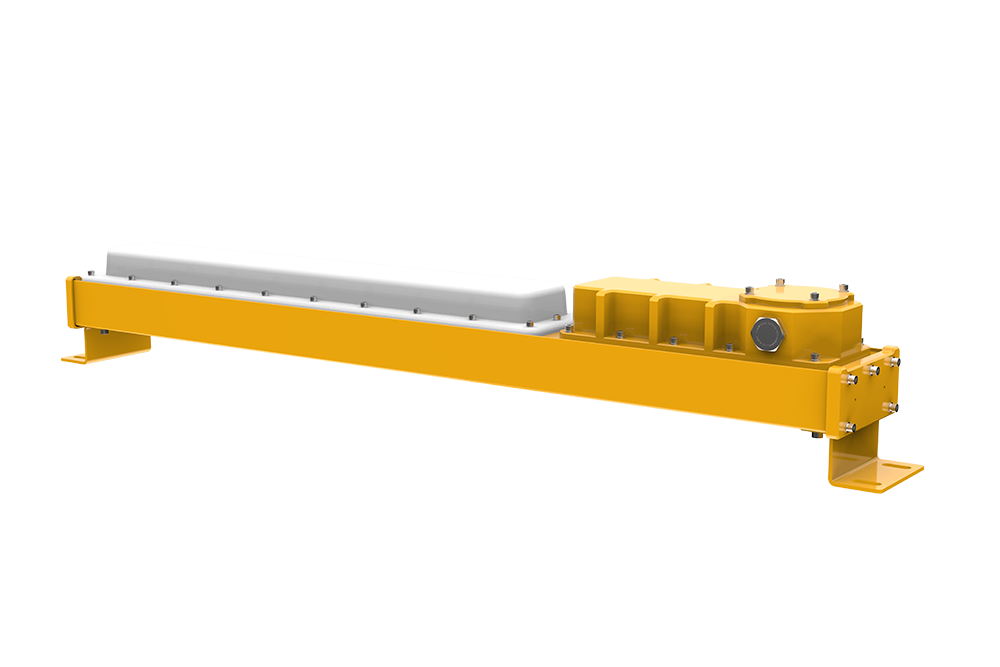
SEEKINGLED LED Linear Explosion Proof Light and Explosion Proof lighting is ATEX and IECEx certified for Zone 1, Zone 2, Zone 21 and Zone 22 hazardous locations, built for long-term industrial use.
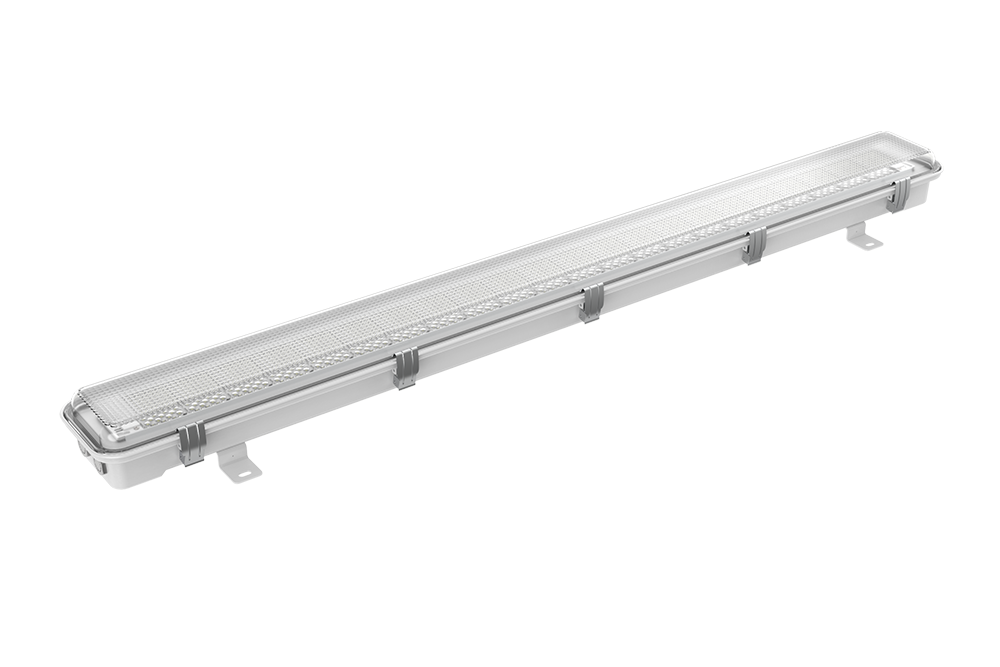
LED Linear Explosion Proof Lights and EX Proof lights for Zone 1, Zone 2, Zone 21 and Zone 22 hazardous areas. ATEX & IECEx certified explosion proof LED linear lighting with emergency function, adjustable power and IP67 protection by SEEKINGLED.
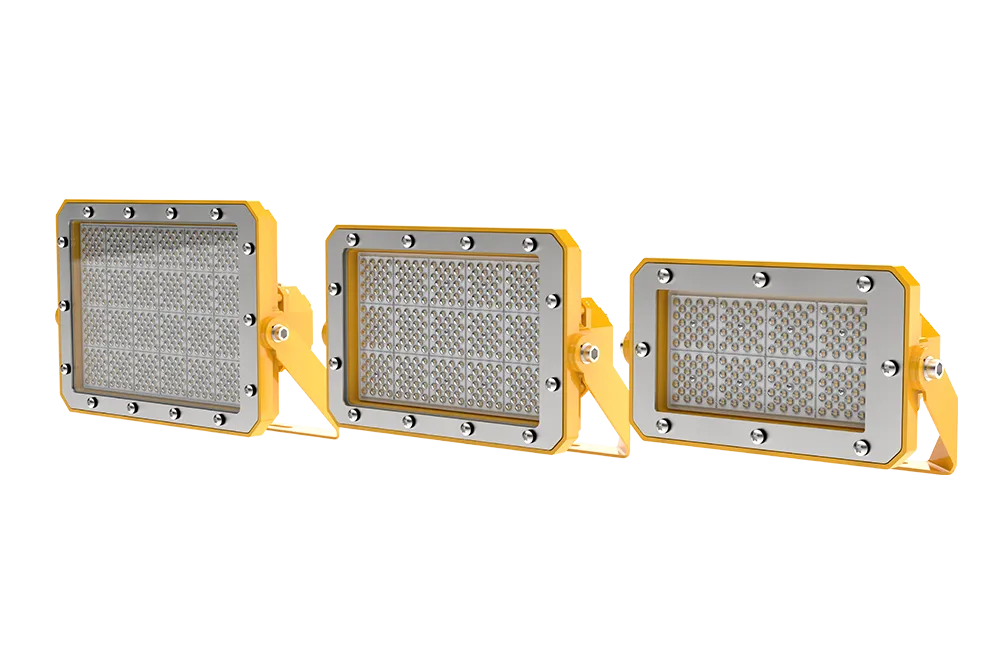
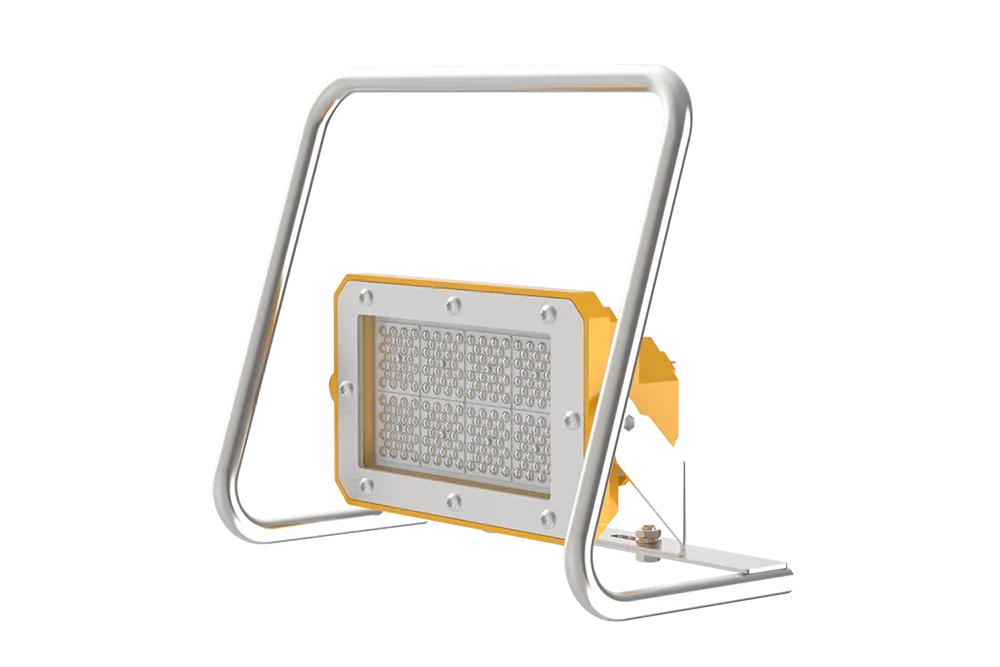
SEEKINGLED LED Explosion Proof Flood Lights are ATEX certified for Zone 2 and Zone 22 hazardous areas, offering high efficiency, adjustable power and integrated junction box.
SEEKINGLED LED Explosion Proof Flood Lights are flameproof ATEX and IECEx certified for Zone 1 and Zone 2 hazardous areas, offering high power, adjustable output and long service life.
SEEKINGLED LED Gas Station Canopy Lights are ATEX certified for Zone 2 and Zone 22 hazardous areas, featuring adjustable power and built-in explosion-proof junction box.
ATEX: Ex II 2G Ex db IIB T6/T5 GbEx II 2D Ex tb IIIC T80°C/ T95°C Db IECEx Ex db IIB T6 Gb;Ex tb IIIC T80°C Db Feature: ● For Zone 1,2 and Zone 21,22● Flameproof type, the strongest● 100W can replace 250W HID,energy saving● Power:60W,80W,10…
ATEX: II 3G Ex nR ⅡC T5/T6 GcII 3D Ex tc ⅢC T80℃/T95℃Dc ATEX Certificate NO: TÜV CY 26 ATEX 0207611 X Feature: ● For Zone 2 and Zone 22● 150W can replace 250W HID lamps,Energy saving● Power:50W,75W,100W,150W,200W Application: Oil and gas, m…
LED explosion proof high bay lights are designed for Zone 1, Zone 2, Zone 21 and Zone 22 hazardous areas. This page introduces the HB21 Series from SEEKING, including certifications, power options and real application considerations.
LED Linear Explosion Proof Lights from SEEKINGLED. LU Series Flame Proof lights ATEX-certified explosion proof LED linear lighting for Zone 2 gas and Zone 22 dust areas, IP69K, IK10, long lifetime and flexible power options.
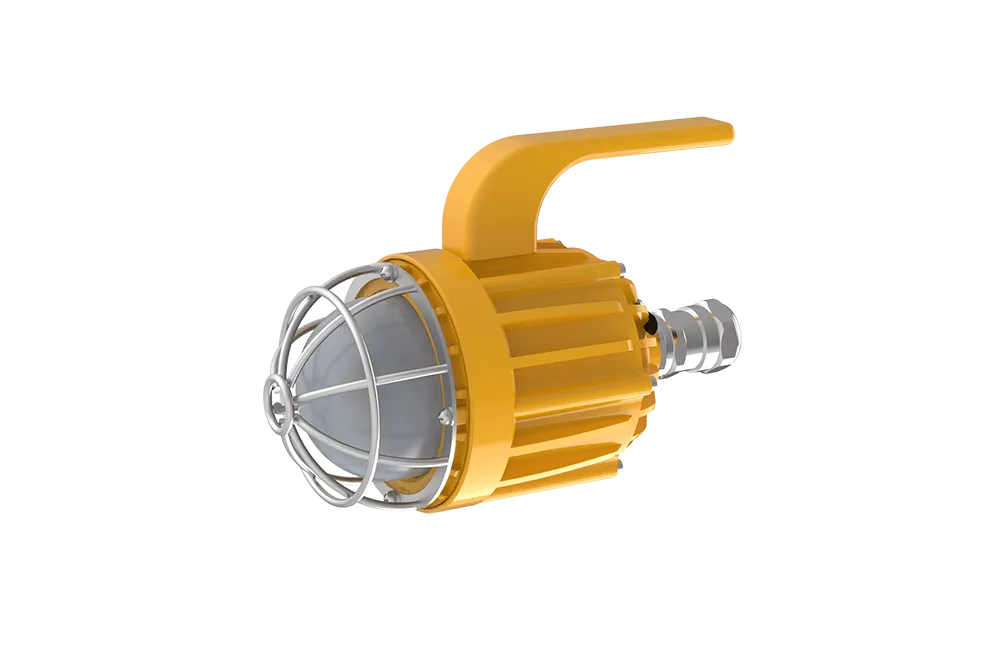
Certified explosion proof work lights for Zone 1 & 21 hazardous areas. Portable, ATEX & IECEx approved, built for oil, gas and chemical plants by SEEKINGLED.
ATEX: II 3G Ex nR ⅡC T6 GcII 3D Ex tc ⅢC T80℃ Dc ATEX Certificate NO: TÜV CY 26 ATEX 0207611 X Feature: ● For Zone 2 and Zone 22● Accepts battery-powered supply● indestructible● Power:AC input:50W,75W,100WDC input:15W,25W,35W Application: O…
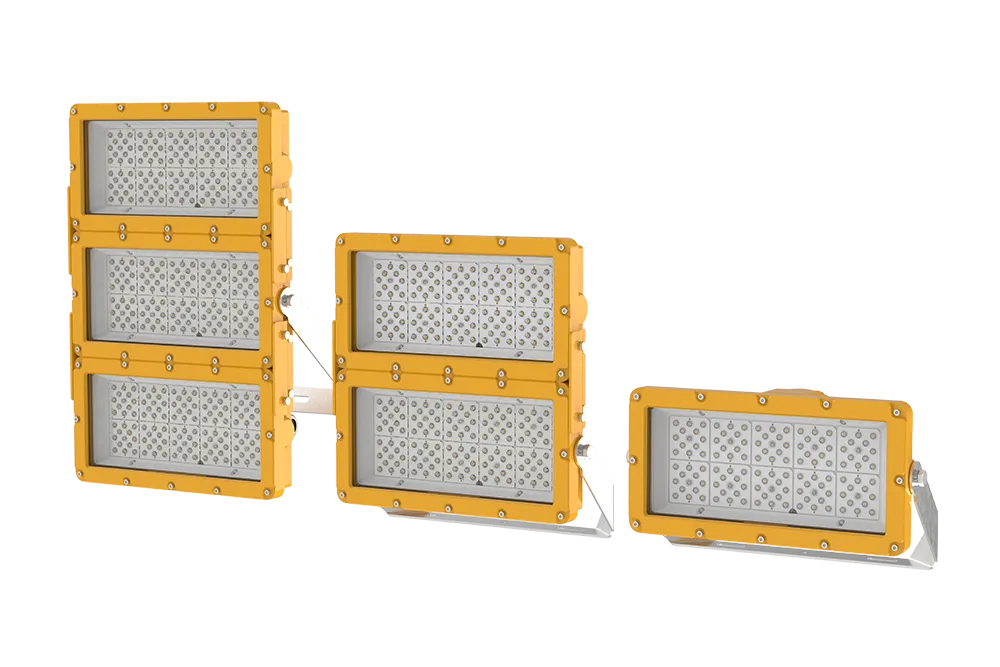
ATEX: Ex II 2G Ex db IIB T6 GbEx II 2D Ex tb IIIC T80°C Db IECEx Ex db IIB T6 Gb;Ex tb IIIC T80°C Db Feature: ● For Zone 1,2 and Zone 21,22● Flameproof type, the strongest Application: Oil and gas, marine, Chemical, pharmaceutical, semicondu…
ATEX: Ex II 2G Ex db IIB T6 GbEx II 2D Ex tb IIIC T80°C Db IECEx Ex db IIB T6 Gb;Ex tb IIIC T80°C Db Feature: ● For Zone 1,2 and Zone 21,22● Flameproof type, the strongest Application: Oil and gas, marine, Chemical, pharmaceutical, semicondu…
ATEX: Ex II 2G Ex d e IIB T6 Gb ATEX: Ex d e IIB T6 Gb; Feature: ● For Zone 1,2● 9W can replace 18W fluorescent lamps,50% Energy saving Application: Oil and gas, marine, Chemical, pharmaceutical, semiconductor,mining,military industry, pain…
loading…
This is the last post!
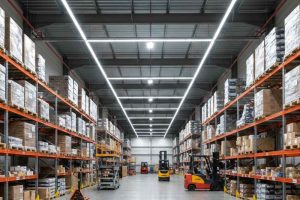
LED high bay spacing chart by ceiling height explained with real warehouse logic. Learn spacing ranges, common errors, and how to adjust for layout.
View details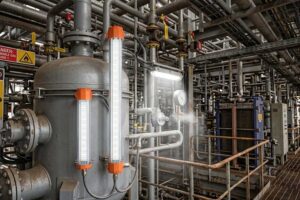
Explosion-Proof Light solutions for hazardous areas. Learn how explosion proof lighting differs from ordinary industrial lights for safer operations.
View details
Explosion-Proof Lights from SEEKINGLED are certified under ATEX QAN and IECEx QAR by trusted authorities TUV and CSA. Designed for hazardous locations such as petrochemical plants, offshore platforms, and mines, these explosion-proof lighting solu...
View details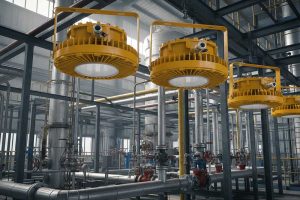
What metal is used to cast explosion proof lights? Learn which metals are approved, why aluminum alloy is preferred, and how material choice affects safety.
View details