 Seeking LED
What Is an ATEX LED Floodlight?
0What is an ATEX LED floodlight? Learn how ATEX-certified floodlights provide safe, powerful illumination in explosive atmospheres across hazardous industrial locations.
View detailsSearch the whole station
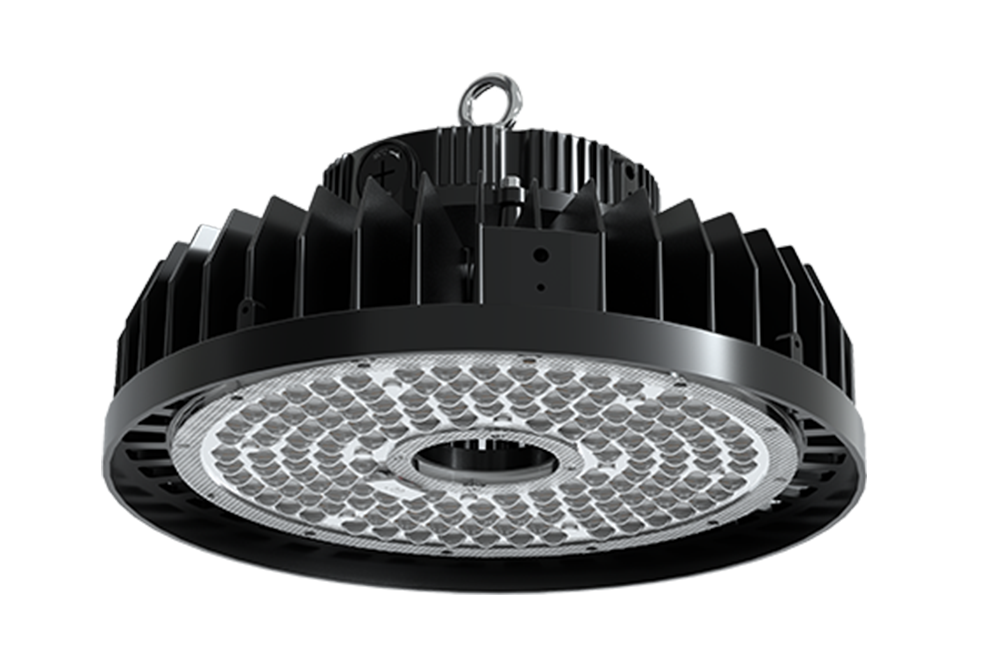
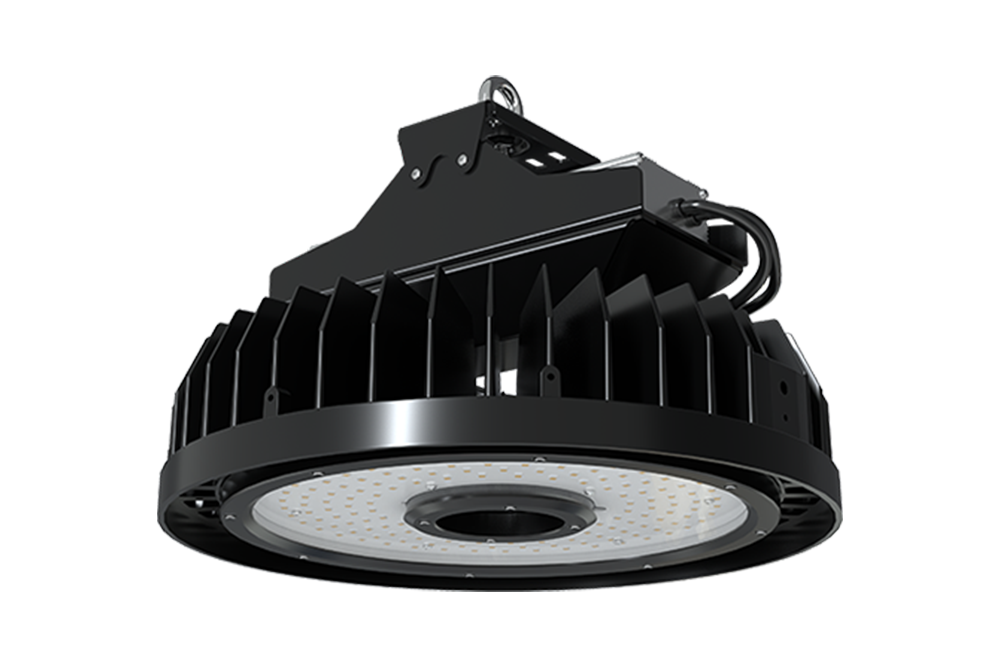
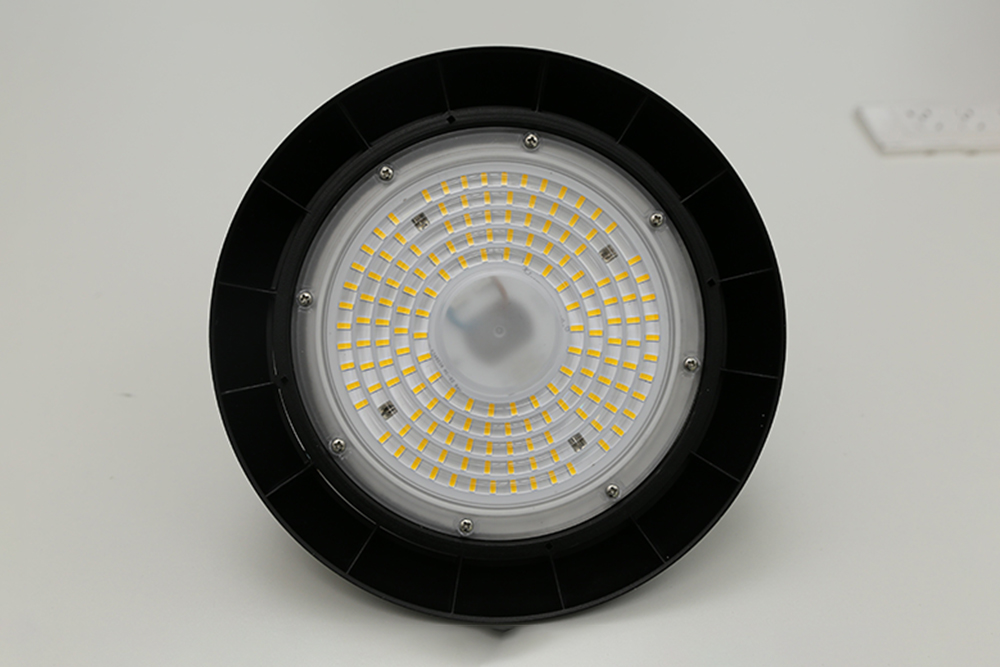
LED high bay optics explained for warehouses—what do optics actually do, and why do they matter more than wattage or lumen numbers?
Because optics decide where light lands.
Not how bright it looks in a spec sheet.
That’s the short answer.
In warehouses, lighting problems rarely come from “not enough lumens.” They come from light going to the wrong places—eyes instead of aisles, racks instead of floors. That’s an optics issue, every time.
When people hear optics, they think lenses. That’s only part of it.
In LED high bays, optics include:
Together, they decide how controlled—or chaotic—your lighting feels.
Warehouses are unforgiving spaces.
High ceilings. Hard floors. Metal racks. Moving people and machines.
If optics are sloppy, the space shows it immediately.
We’ve walked into buildings where lights were bright, efficient, and completely uncomfortable. Workers squinting. Forklift drivers tilting their heads. Shadows where there shouldn’t be any.
That wasn’t a power problem. It was optics.
Here’s the practical breakdown:
Warehouses don’t need more light. They need better-shaped light.
Useful for very high ceilings or narrow aisles.
But unforgiving. One mistake in height or spacing, glare appears.
The most forgiving option. Balanced spread. Easier on eyes.
Often the safest choice for mixed-use warehouse zones.
Reduce shadows but increase reflections.
Work best when floors and racks are non-reflective—which is rare.
This is why optics can’t be chosen in isolation.
Optics selected by beam angle alone.
On paper, 90° or 120° looks fine. In real warehouses, beam angle without shielding is half a solution. Sometimes less.
At SEEKINGLED, we’ve learned that glare complaints almost always trace back to exposed LED points, not beam width itself.
Good optics age better.
As LEDs slowly depreciate, controlled light still feels balanced.
Bad optics get harsher over time. The light doesn’t dim evenly—it becomes uncomfortable.
That’s when operators start talking about “changing lights,” even though the fixtures technically still work.
Choose optics based on:
Ignore those, and even premium fixtures disappoint.
We don’t start with wattage.
We don’t start with lumen targets.
We start by asking where light should not go.
That mindset is why optics are central in every SEEKINGLED LED high bay Light design—because warehouses are lived-in spaces, not diagrams.
The SEEKING HBC-T Series high bay lights LED offer long-lasting performance for warehouses, production plants and logistics centers. Durable IP65 & IK08 housing, 60°/90° beam angles, up to 150 lm/W, and a lifespan beyond 100,000 hours. Ideal for a…
The SEEKING HBS Series LED UFO high bay light delivers 140 lm/W efficiency, IP65 protection and MEAN WELL drivers. A durable high-rise lighting solution for factories, warehouses and commercial halls.
SEEKING HBD Series LED high bay lighting delivers 160 lm/W efficiency, IP66 protection, and long 100,000-hour lifespan. A durable UFO high bay solution for warehouses, workshops, logistics centers and commercial facilities.
The SEEKING HBC Series high bay LED light fixtures combine strong efficiency, practical design and reliable SOSEN drivers. A durable UFO high bay lighting option for warehouses, workshops and wholesale projects.
The SEEKING GSL Series high bay LED light delivers powerful, efficient lighting for industrial and commercial spaces. With IP65 protection, flexible mounting, and up to 140 lm/W performance, it’s ideal for warehouses, workshops, and retail areas.
The SEEKING HB15(GLE) Series delivers advanced high bay led lighting with UGR 100,000 h) and reliable illumination for demanding commercial environments.
Discover the SEEKING HB13(GLK) Series ufo led high bay light, engineered for sports halls, airport lounges, showrooms, and large commercial spaces. UGR 100,000 h). Ideal for industrial ufo high bay lighting fixtures and commercial retrofits.
SEEKING HBF Series offers industrial LED high bay lighting with up to 200lm/W efficiency, SOSEN flicker-free driver, IP65 protection and optional microwave motion sensor. Ideal for warehouses, factories and commercial distribution projects.
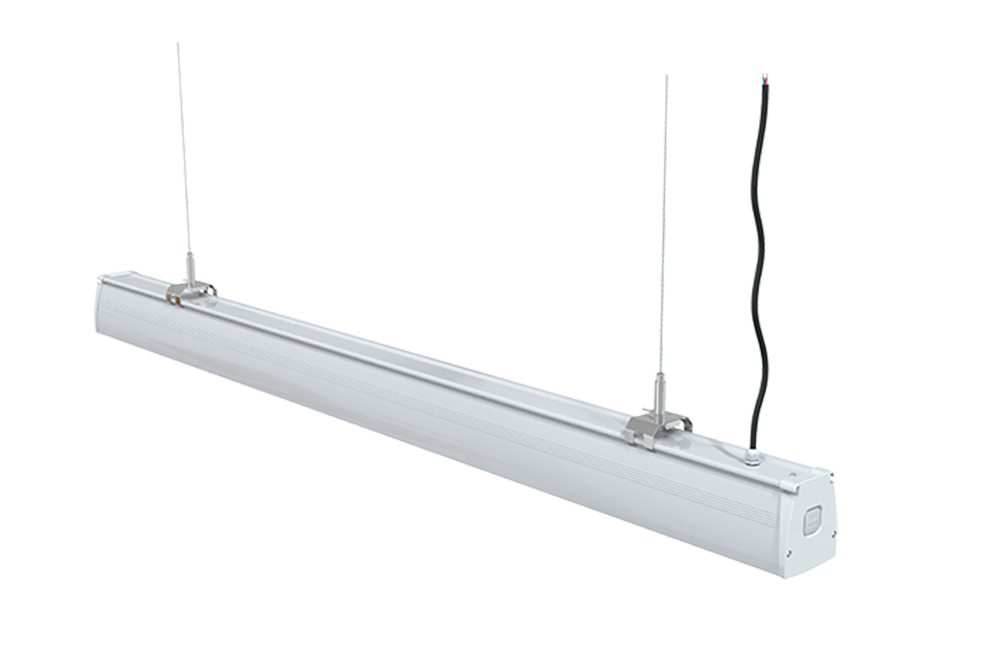
The HLD Series linear high bay LED lights from SEEKING deliver up to 200 lm/W with multiple beam angles and adjustable CCT options for warehouse, workshop, corridor and general industrial lighting.
The HBK Series LED high bay light by SEEKING combines 500W power, 160–175 lm/W efficiency and IP65 durability for heavy-duty industrial lighting. Designed for warehouse, factory and production facilities with demanding ceiling heights.
LED high bay lights engineered for extreme heat and low-temperature industrial sites. SEEKING HBK Ultua Series operates from -40°C to +70°C with Nichia LEDs and Inventronics driver.
High bay LED lights built for warehouses, production plants and wholesale distribution. SEEKING HBI Series offers up to 200lm/W, IP65, IK08 and optional microwave motion sensor for energy saving operation.
loading…
This is the last post!
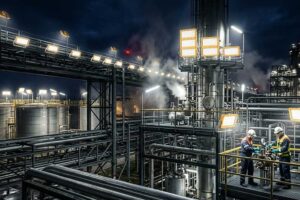
What is an ATEX LED floodlight? Learn how ATEX-certified floodlights provide safe, powerful illumination in explosive atmospheres across hazardous industrial locations.
View details
Choose flood lights by matching lumen output, beam angle, mounting height, environment, color temperature, controls, and efficiency to the actual application.
View details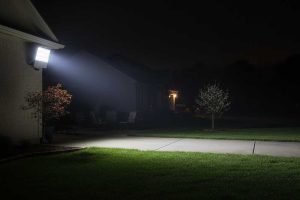
How far will a led flood light shine? Learn the real lighting distance, beam angles, and wattage impact. Practical outdoor lighting tips from SEEKINGLED experts.
View details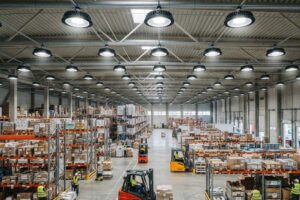
how many led high bay lights do i need? Learn how to calculate LED high bay quantity based on warehouse size, ceiling height, lumens, spacing, and lighting needs.
View details