 Seeking LED
Explosion proof light Product Center
Explore our core LED Explosion proof light range, including explosion proof led lights, explosion proof light fixture, explosion proof led light fixtures, portable explosion proof lighting, explosion proof led lighting class 1 division 1, spray booth lighting, led explosion proof flood lights, and explosion proof high bay led light for diverse projects.
SEEKINGLED's Explosion-Proof Lighting products are ex proof lighting equipment suitable for Zone 2 (gas) and Zone 22 (dust) explosive environments. They are ATEX and IECEx certified.
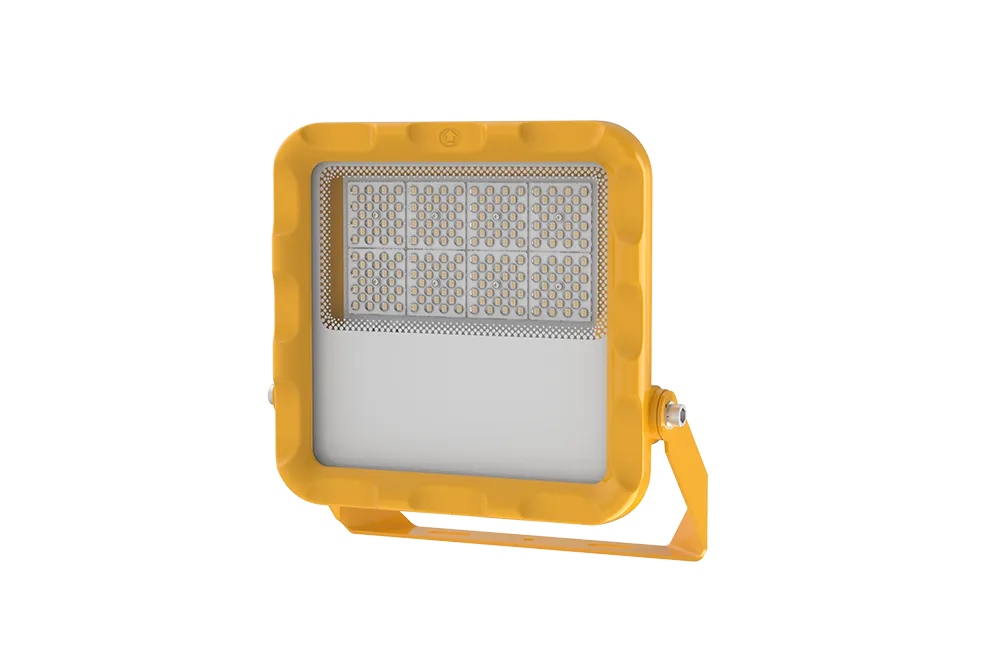
FL9 Series Explosion-proof Floodlights
Certified explosion proof floodlights for Zone 2 & 22 hazardous areas. Lightweight, DALI-ready, fast wiring design. Reliable industrial safety by SEEKINGLED.
View details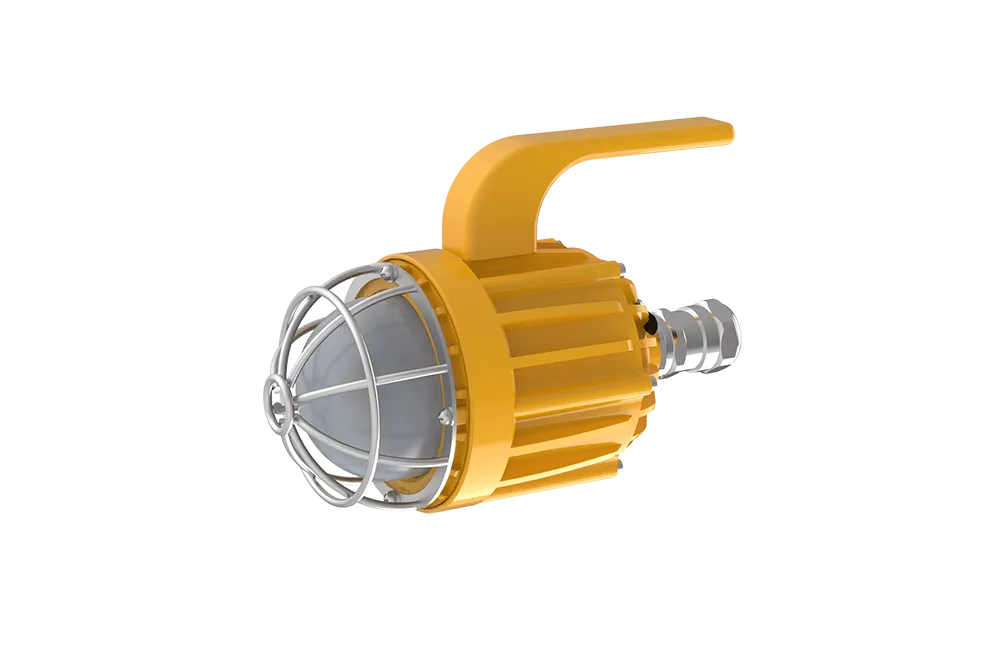
Explosion proof work lights
Certified explosion proof work lights for Zone 1 & 21 hazardous areas. Portable, ATEX & IECEx approved, built for oil, gas and chemical plants by SEEKINGLED.
View details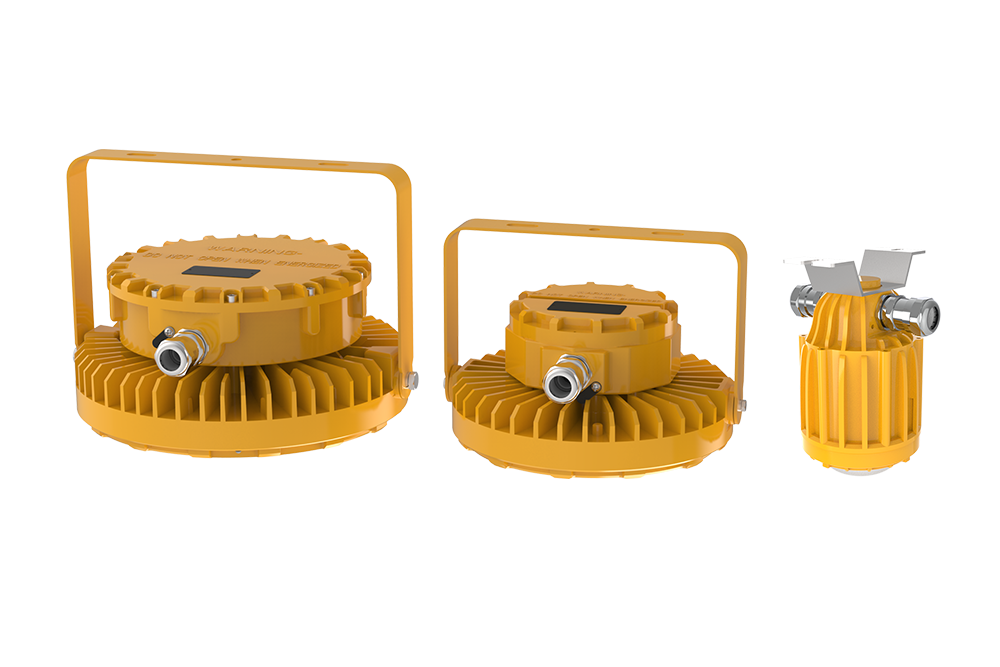
HB21 Series Explosion Proof High Bay lights
LED explosion proof high bay lights are designed for Zone 1, Zone 2, Zone 21 and Zone 22 hazardous areas. This page introduces the HB21 Series from SEEKING, including certifications, power options and real application considerations.
View details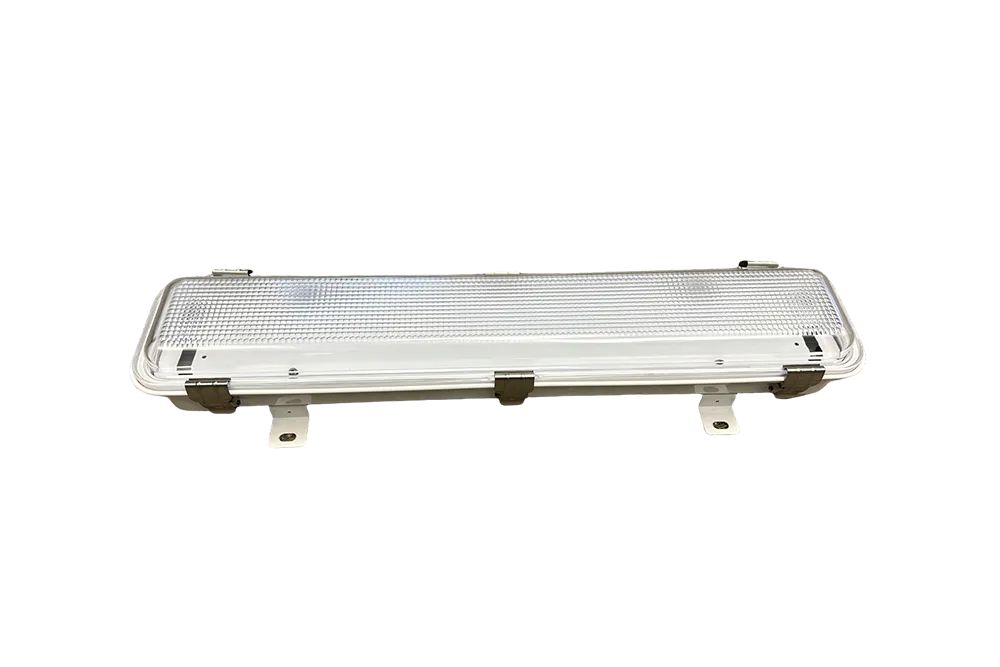
Bay51 Series LED Linear EX Proof lights
LED Linear Explosion Proof Lights and EX Proof lights for Zone 1, Zone 2, Zone 21 and Zone 22 hazardous areas. ATEX & IECEx certified explosion proof LED linear lighting with emergency function, adjustable power and IP67 protection by SEEKINGLED.
View details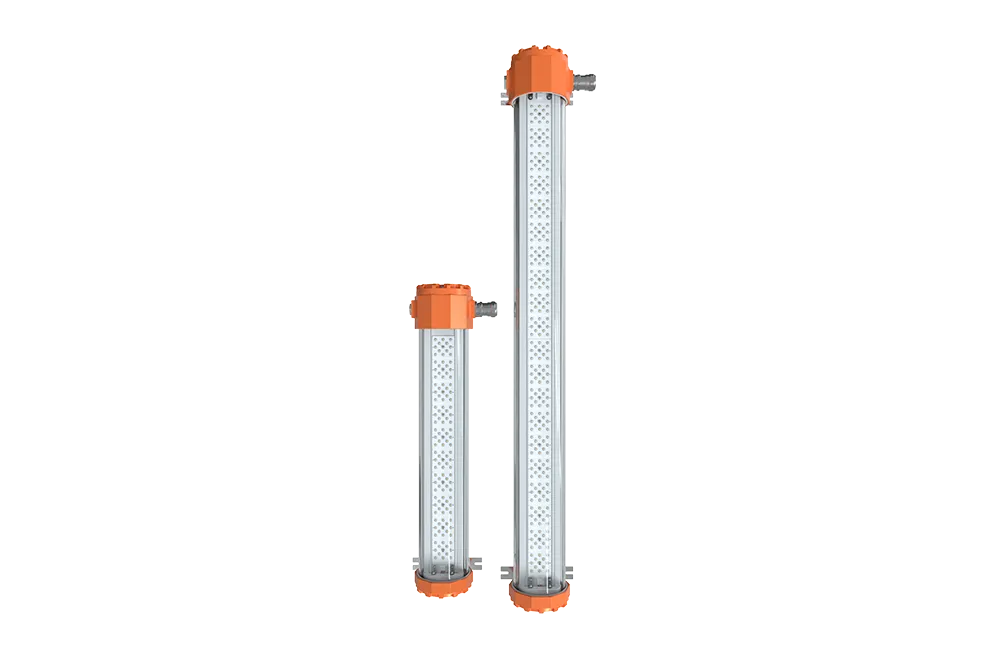
LO Series LED Linear Explosion Proof lighting
SEEKINGLED LED Linear Explosion Proof Light and Explosion Proof lighting is ATEX and IECEx certified for Zone 1, Zone 2, Zone 21 and Zone 22 hazardous locations, built for long-term industrial use.
View details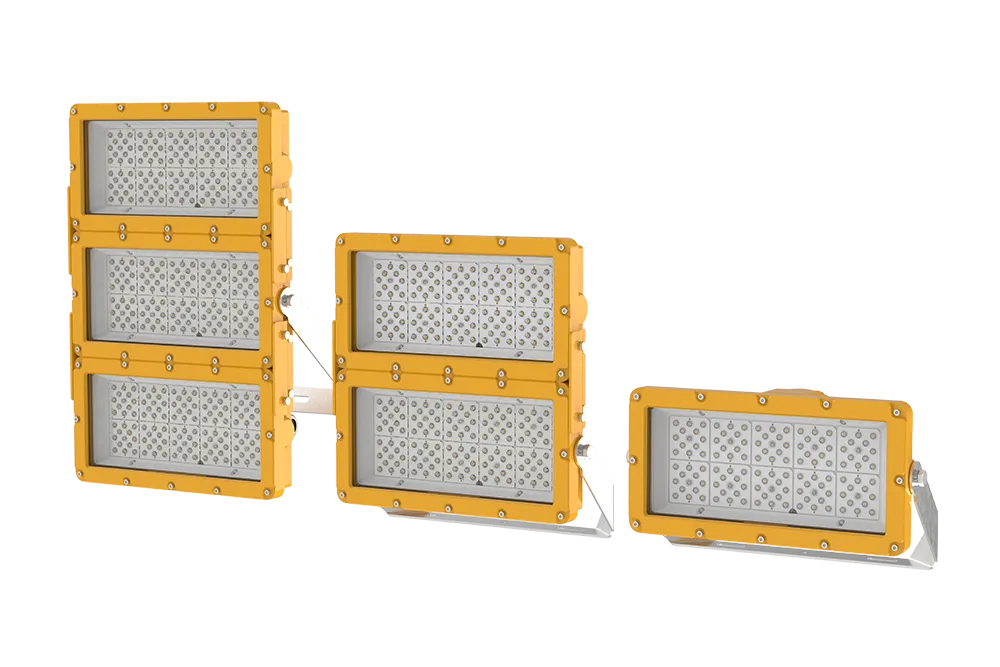
FL7 Series Explosion Proof Flood Lights
SEEKINGLED LED Explosion Proof Flood Lights are flameproof ATEX and IECEx certified for Zone 1 and Zone 2 hazardous areas, offering high power, adjustable output and long service life.
View details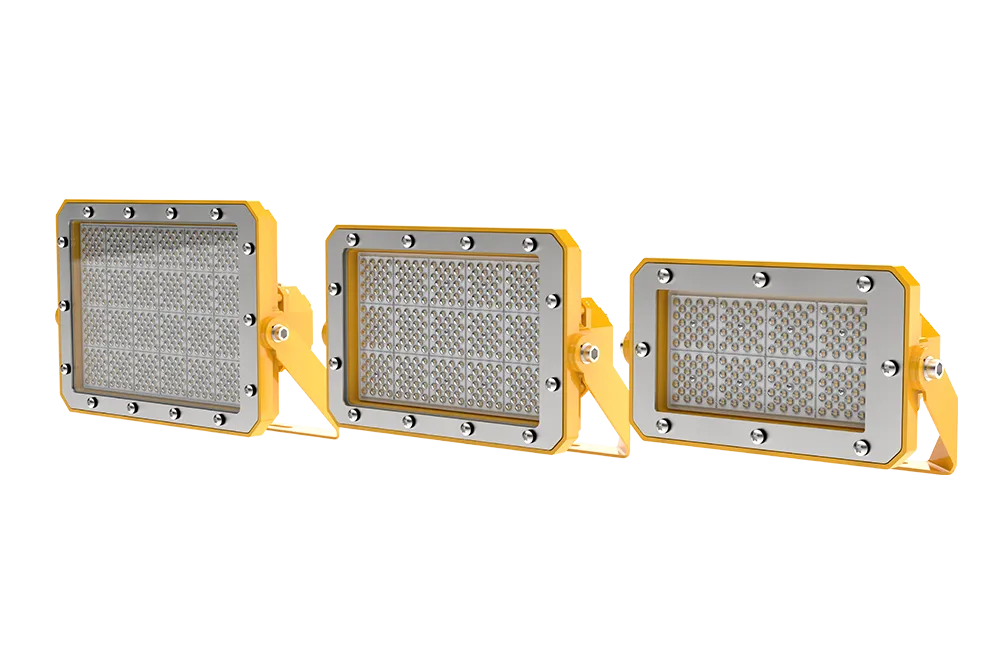
FL8 Series Explosion Proof FloodLights
SEEKINGLED LED Explosion Proof Flood Lights are ATEX certified for Zone 2 and Zone 22 hazardous areas, offering high efficiency, adjustable power and integrated junction box.
View details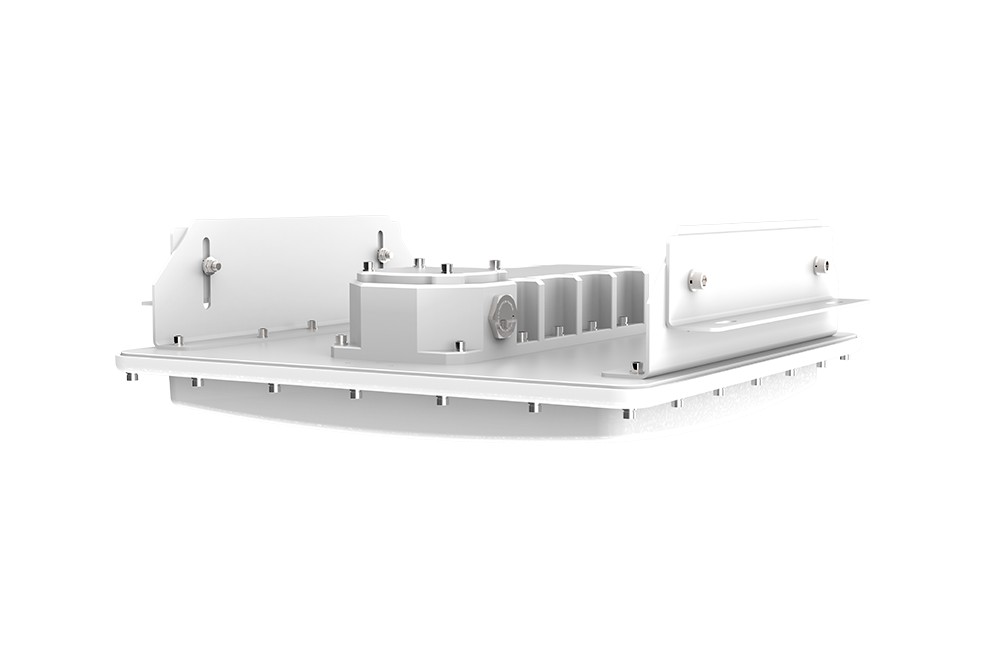
GS Series LED Gas Station Canopy Lights
SEEKINGLED LED Gas Station Canopy Lights are ATEX certified for Zone 2 and Zone 22 hazardous areas, featuring adjustable power and built-in explosion-proof junction box.
View details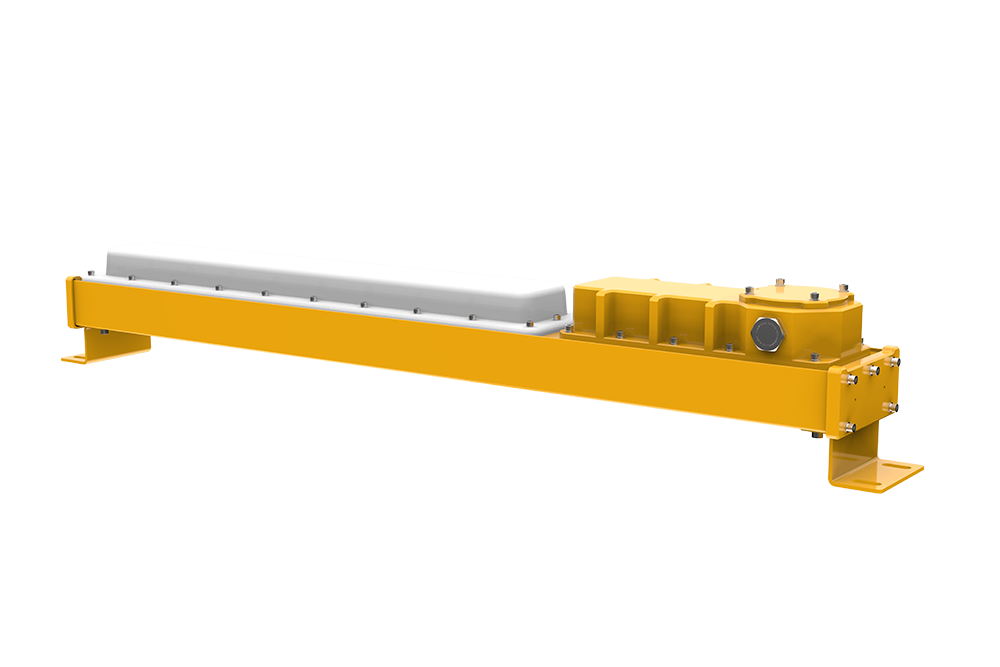
LU Series LED Linear Flame Proof lights
LED Linear Explosion Proof Lights from SEEKINGLED. LU Series Flame Proof lights ATEX-certified explosion proof LED linear lighting for Zone 2 gas and Zone 22 dust areas, IP69K, IK10, long lifetime and flexible power options.
View detailsFrequently Asked Questions:Explosion proof lighting
Are LED lights explosion proof?
Short answer: most are not.
An LED light is just a light source. It doesn’t tell you anything about safety in a hazardous area. In real projects, I’ve seen standard LED fixtures installed by mistake because people assumed “LED means safe.” That’s not how it works. Explosion-proof protection comes from the enclosure, sealing, and certification. If those are missing, the light is not explosion proof, no matter how efficient it is.
What is explosion proof lighting?
Explosion proof lighting led is built for places where flammable gas, vapor, or dust may exist. The idea isn’t to stop explosions from happening outside. The idea is simpler: if something goes wrong inside the light, it must stay inside. The fixture becomes a barrier. That’s why these lights are heavier, thicker, and very different from ordinary industrial lighting.
How does explosion proof lighting work?
It works by containment.
Inside the fixture, electrical components can still heat up or fail. That’s reality. The housing is designed so flames, sparks, or hot gases cannot escape fast enough to ignite the surrounding air. Threaded joints, flame paths, and controlled gaps are doing most of the work, not electronics.
Are all LED lights explosion proof?
No, and this causes problems on job sites.
Most LED lights are made for warehouses, offices, or parking areas. They have open vents and thin housings. Explosion-proof LED lights are a separate product category and must be certified. Without that certification, they should never be installed in a classified area.
Is LED lighting explosion proof?
LED lighting by itself is not explosion proof.
It becomes explosion proof only after being built into a certified fixture. LEDs are often used because they run cooler and last longer, which helps with thermal control. But again, the protection comes from the fixture, not the LED.
What Are Explosion Proof Lights?
Explosion proof lights are sealed industrial fixtures used in hazardous locations. You’ll see them in refineries, chemical plants, mines, and grain facilities. They look overbuilt for a reason. Thick metal housings, heavy covers, and precise joints are all part of the design. Weight is usually the first thing installers notice.
What does explosion proof lighting mean?
It means the light won’t ignite the environment around it.
That’s all. It doesn’t mean the light can’t fail. It doesn’t mean it’s indestructible. It means failure is contained. This is an important difference that often gets lost outside engineering discussions.
Can LED lights be used in an explosion proof area?
Yes, but only the right ones.
The fixture must match the area classification, gas group, and temperature class. A regular LED high bay with a “protective cover” is not acceptable. Certification is not optional here. Inspectors will check it.
How to choose the right explosion-proof trouble light?
Start with where it will be used.
Maintenance areas often need portable lights, but cables and plugs become weak points. Look at voltage, strain relief, impact resistance, and how the light is handled with gloves. Brightness matters, but durability usually matters more in the long run.
How to open an explosion proof light fixture?
You don’t open it casually.
Power must be off, and the area must be confirmed safe. Many fixtures use threaded covers that require time and proper tools. Opening a fixture in a live hazardous area defeats the entire purpose of explosion-proof design.
How to test explosion proof LED exit light?
Testing is mostly about condition, not just function.
Yes, you check whether it lights up in emergency mode. But you also inspect seals, cable entries, and enclosure surfaces. A damaged gasket can be more dangerous than a failed LED.
What are explosion proof lights cast from?
Most are cast aluminum alloy.
It’s strong, corrosion resistant, and manageable in weight. In aggressive environments, stainless steel is used, but it’s heavier and more expensive. The casting process allows thick walls and accurate flame paths, which sheet metal cannot provide.
What is an explosion proof light?
It’s a light designed to separate electrical risk from environmental risk.
Inside, it behaves like any other electrical device. Outside, nothing should be able to reach ignition conditions because of it. That separation is the core idea behind explosion-proof design.
It’s an older solution that still exists.
Fluorescent tubes are enclosed in explosion-proof housings. These fixtures work, but they are bulky and require more maintenance. Many facilities are replacing them with LED versions for practical reasons, not marketing ones.
This is used in high-ceiling hazardous spaces.
Think processing halls or large industrial buildings. The challenge is managing heat while providing wide-area illumination. Mounting height, beam angle, and enclosure temperature all matter more than raw wattage.
It’s a portable lighting tool for hazardous areas.
Often used during inspection or repair. The housing protects against sparks, while the LED keeps heat low. Cable protection and strain relief are critical, because damage usually happens there first.
It’s simply explosion-proof lighting that uses LEDs.
Nothing more complicated than that. The benefit is efficiency and longer service life, which reduces how often the fixture needs to be opened for maintenance.
It means lighting that won’t start an explosion.
The term is about risk control, not brightness or efficiency. Standards define it clearly, even if marketing language sometimes blurs it.
Not one thing.
It’s the enclosure, joints, materials, sealing, and testing together. If any part is wrong, the whole concept fails. That’s why certification matters more than individual features.
Aluminum alloy is the most common.
Stainless steel is used when corrosion is severe. The metal must handle pressure, impact, and heat without deforming in a way that breaks flame paths.
Whenever explosive atmospheres may exist.
This includes gas, vapor, and dust hazards. The requirement comes from area classification, not personal judgment. If the area is classified, explosion-proof lighting is not optional.
Mining environments need specialized fixtures.
Dust, vibration, and moisture are constant issues. Manufacturers like SEEKINGLED focus on hazardous-area lighting and can provide products certified for mining conditions. Matching certification to local regulations is always the final step.
What are EX proof lights and where are they used?
EX proof lights are certified lighting fixtures designed for hazardous areas where explosive gases or dust may be present. They are commonly used in oil & gas, chemical plants, and paint spray booths to prevent ignition risks.
What is the difference between flame proof lights and regular lights?
Flame proof lights are built to contain internal explosions and prevent flames from escaping, making them safe for hazardous environments. Regular lights lack this protection and can pose serious ignition risks.