 Seeking LED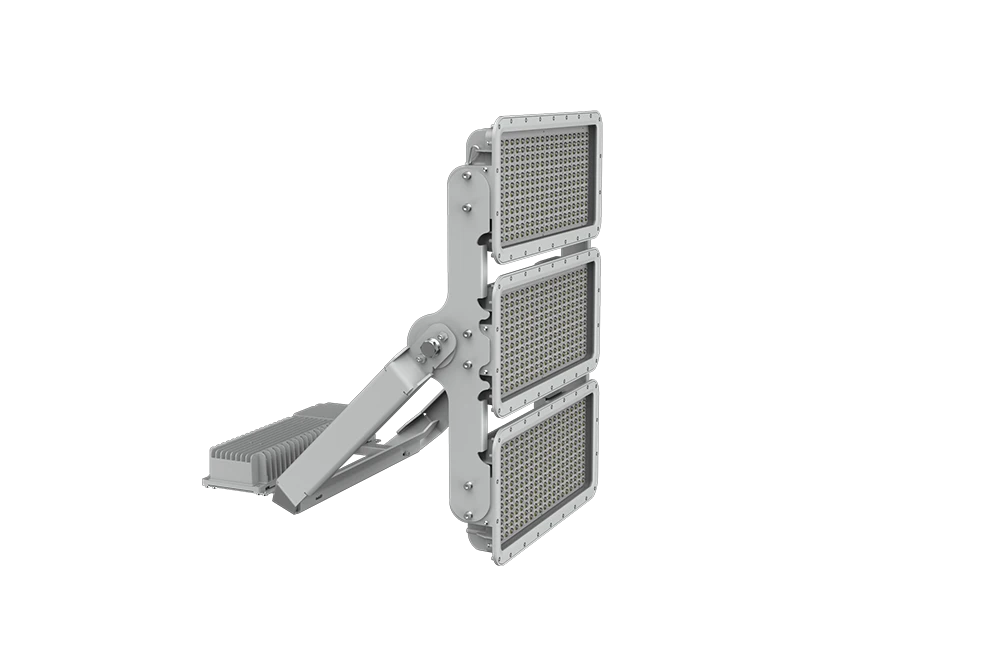
Can LED Replace Street Lights?
267Can LED replace street lights? A real-world answer based on field experience, covering performance, cost, replacement options, and long-term results.
View detailsSearch the whole station
People planning outdoor lighting usually ask something simple at first: what wattage LED flood light is enough for my space?
It sounds like an easy question. But once you start comparing lights — 30W, 50W, 100W, even 200W — the answer becomes less obvious.
I’ve seen installations where someone mounted a huge flood light over a small driveway. The result? Blinding glare, wasted electricity, neighbors complaining. On the other hand, using a tiny light in a large yard leaves dark corners everywhere.
So choosing the correct wattage matters. A lot more than most people expect.
Before answering what wattage led flood light works best, it’s important to understand what wattage actually represents.
With traditional lights, wattage mostly meant brightness.
LEDs changed that.
Now wattage mainly describes energy consumption, not just light output. LEDs are far more efficient, meaning a lower wattage can still produce strong illumination.
For example:
This efficiency is why modern lighting companies like SEEKINGLED focus heavily on lumen output and optical design rather than wattage alone.
Still, wattage remains a practical way to compare fixtures.
When someone asks what wattage led flood light they should buy, the real answer depends on where the light will be installed.
Different environments need different power levels.
For patios, small driveways, or garden paths:
20W – 30W LED flood lights usually work well.
They provide enough brightness for safety and visibility without overpowering the space. In fact, installing something stronger can create harsh shadows.
I’ve seen that mistake often. The light is technically bright, but the area becomes uncomfortable to look at.
For standard backyards, parking spots, or small commercial entrances:
50W LED flood lights are typically the sweet spot.
They provide wide illumination and strong visibility without consuming too much power.
Many outdoor lighting installers actually prefer this range. It balances brightness and efficiency quite well.
If the goal is stronger security lighting — warehouses, large yards, or building exteriors — higher wattage becomes necessary.
Typical options include:
These fixtures can illuminate large areas effectively. At this level, beam angle and mounting height start to matter just as much as wattage.
Professional fixtures from SEEKINGLED are often designed with adjustable brackets and optical lenses to control light distribution properly.
Because just increasing wattage isn’t always the best solution.
This is something many buyers overlook when asking what wattage led flood light they need.
Mounting height changes the lighting effect dramatically.
For example:
A 50W flood light installed 3 meters high may fully illuminate a driveway.
But that same fixture mounted 8 meters above ground will spread light much wider — and appear significantly dimmer on the ground.
That’s why lighting designers often calculate wattage based on height and coverage area.
In practical terms:
Ignoring this detail often leads to under-lit spaces.
Another factor rarely mentioned in simple wattage guides is beam angle.
A flood light with a 120° beam angle spreads light widely. Good for general yard lighting.
A fixture with a 60° beam angle concentrates brightness in a smaller area. Better for security lighting or building walls.
So if someone installs a wide-angle 50W flood light expecting it to illuminate a distant object… it probably won’t.
That’s not a wattage problem. It’s an optical design issue.
Manufacturers like SEEKINGLED usually offer multiple beam options for exactly this reason.
Let’s say someone installs outdoor lighting around a typical suburban house.
They might use:
The result feels balanced. Bright enough for safety, but not overwhelming.
If every fixture were 100W, the property would look like a sports stadium at night.
Lighting should feel natural. Not aggressive.
After working with outdoor lighting setups for years, the pattern becomes clear.
Most homes and small commercial spaces fall into three practical ranges:
So when someone asks what wattage led flood light they should install, the answer usually sits somewhere within that range.
The key is matching wattage to the space — not simply choosing the most powerful fixture available.
Choosing outdoor lighting shouldn’t feel complicated.
But details matter. Wattage, mounting height, beam angle, and fixture quality all influence the final result.
A properly selected flood light can illuminate an entire property efficiently for years.
Brands like SEEKINGLED focus on designing LED flood lights that balance brightness, efficiency, and durability — because outdoor lighting needs to work reliably every night.
Not just look good on paper.
And once you pick the correct wattage, everything else starts to fall into place.
Sports Stadium LED Lighting by SEEKINGLED delivers high mast illumination, precise beam control, and EN 12193 compliant performance for professional venues.
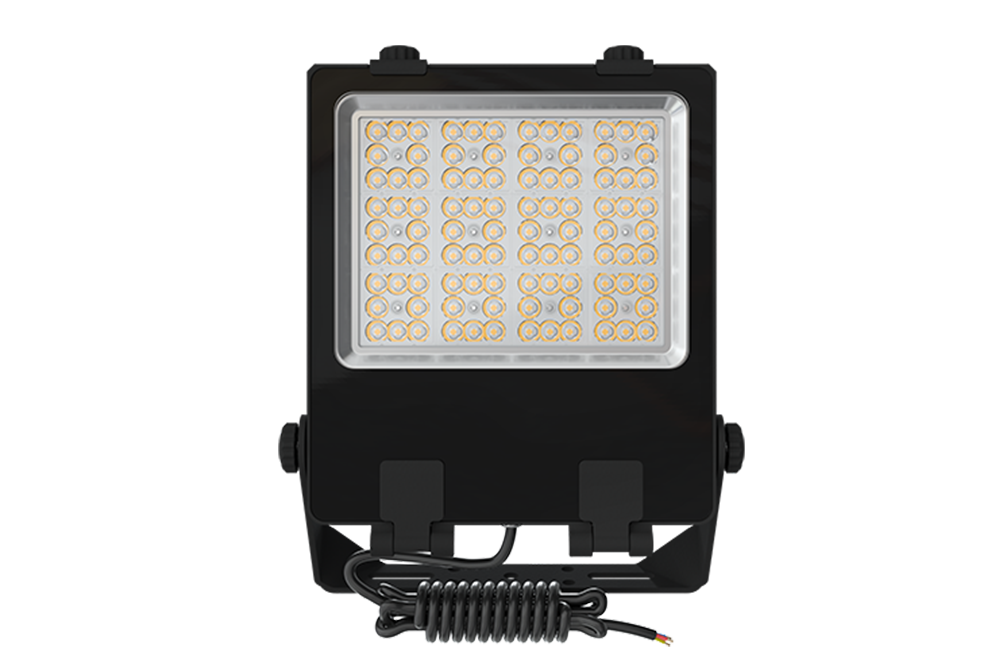
SEEKING FLX Series LED flood light outdoor for sports courts and open-area projects with 170lm/W efficiency, IP66 protection and multiple beam distributions. Designed for long-life commercial and public outdoor use.
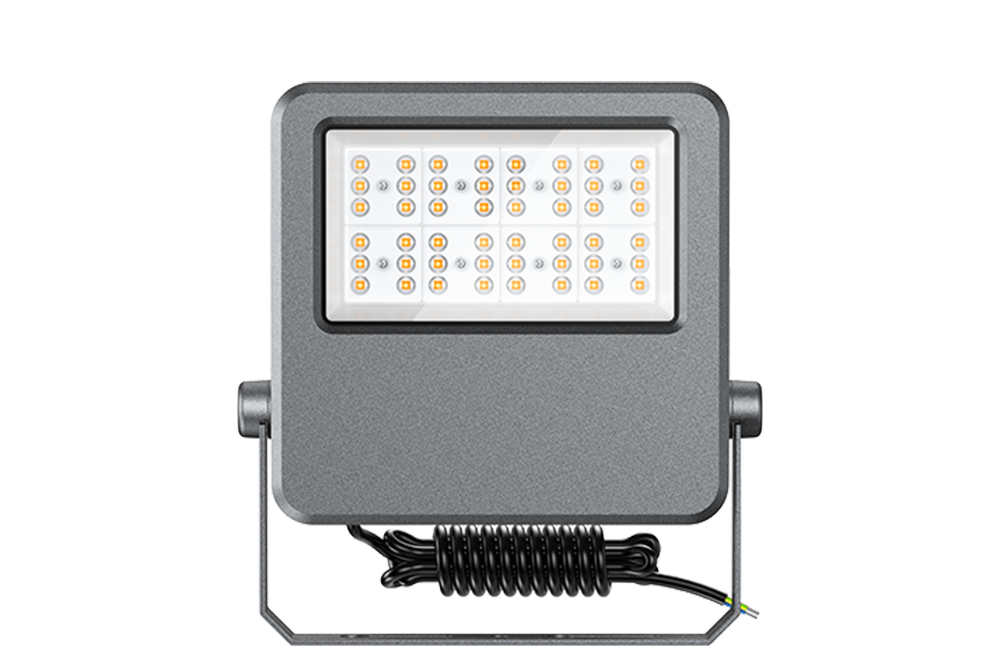
SEEKING FLE Series LED outdoor flood lights for sports grounds and open areas with multiple beam angles, IP66 protection and up to 170lm/W. Designed for long-life outdoor installations with professional driver options.
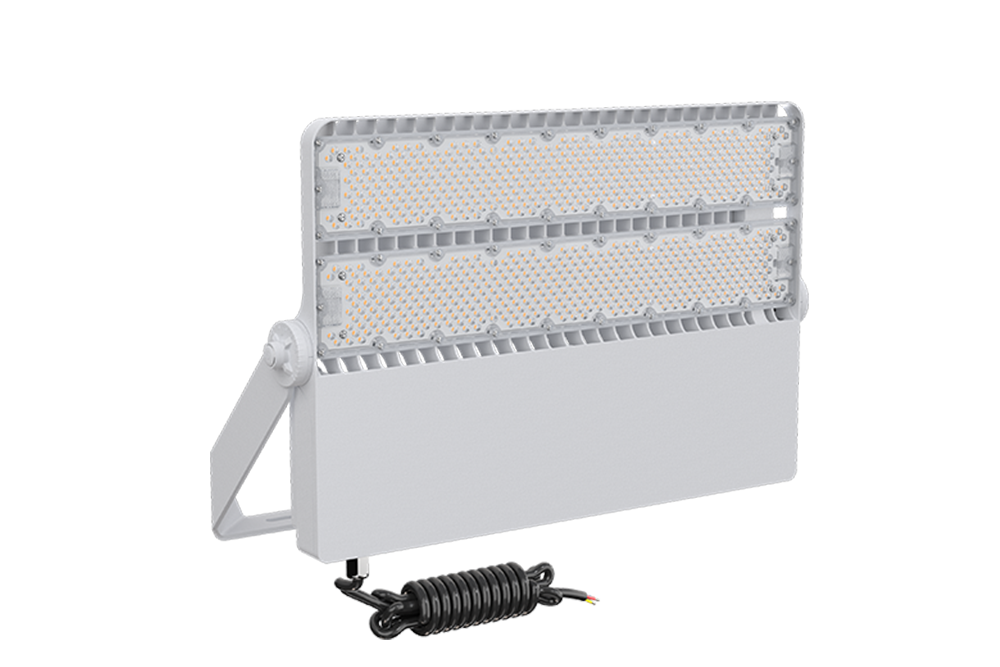
SEEKING FLD Series outdoor LED flood lights and high power led flood light deliver up to 960W with precision beam angles for sports fields, stadiums and large outdoor areas. IK08 & IP66 protection, 170lm/W efficiency and 100,000h lifetime.
loading…
This is the last post!
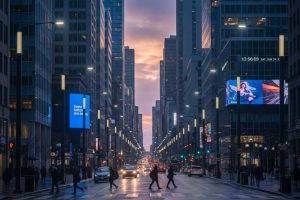
Can LED replace street lights? A real-world answer based on field experience, covering performance, cost, replacement options, and long-term results.
View details
Are LED Flood Lights Dimmable in real use? Learn how dimmable LED flood lights work, driver types, dimming methods, and common issues in outdoor lighting.
View details
LED high bay optics explained for warehouses with real-world insight. Learn how lenses, reflectors, and light control affect safety and efficiency.
View details
led floodlights 100w deliver high efficiency, stable brightness, and cost-effective outdoor lighting—ideal for yards, warehouses, and security use.
View details