Q: floodlight vs spotlight — what’s the real difference?
You’ll hear the usual answer: wide vs narrow.
That’s not wrong.
Just incomplete.
Because once you install them—real height, real surfaces, real shadows—the difference becomes less about theory and more about behavior.
The first time it doesn’t go as planned
There was a small yard lighting job. Nothing complicated. A few fixtures, decent spacing, clear goal—make the area usable at night.
Floodlights went in first.
Brightness? More than enough.
But something felt off.
Edges were unclear. Objects blended into each other. Depth disappeared.
We swapped two of those units for spotlights, aimed tighter.
Immediately, things separated. You could tell distance again. Shapes made sense.
That’s the moment floodlight vs spotlight stops being a spec comparison.
What a floodlight really does
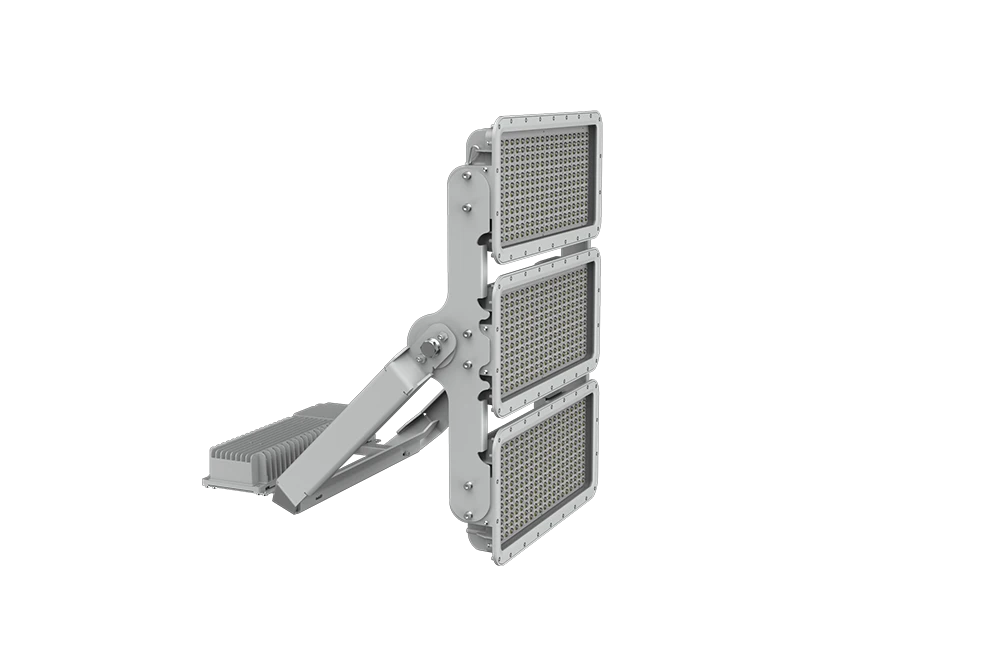
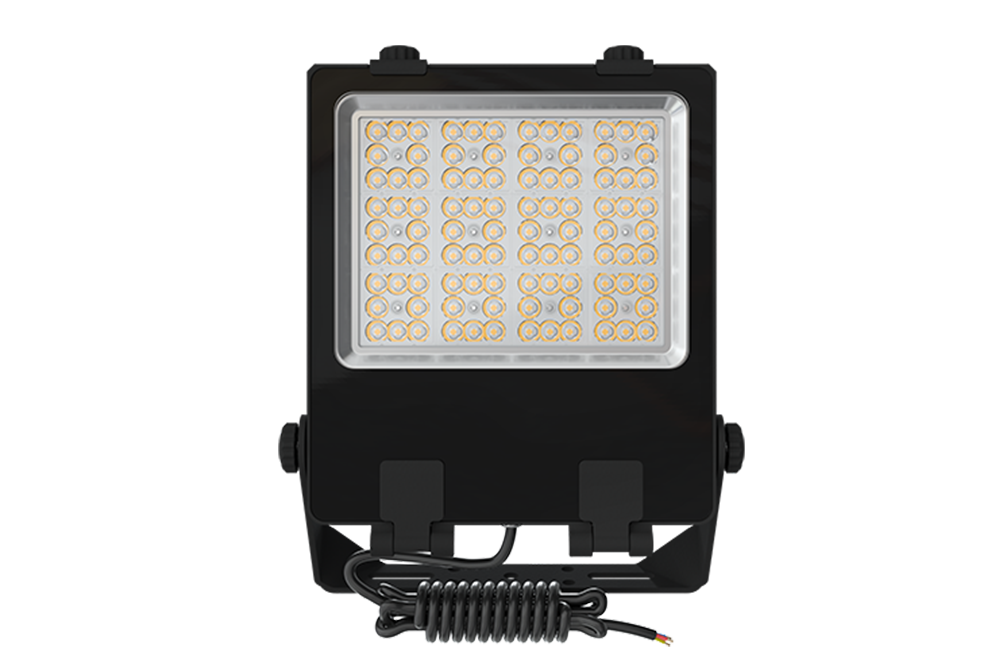
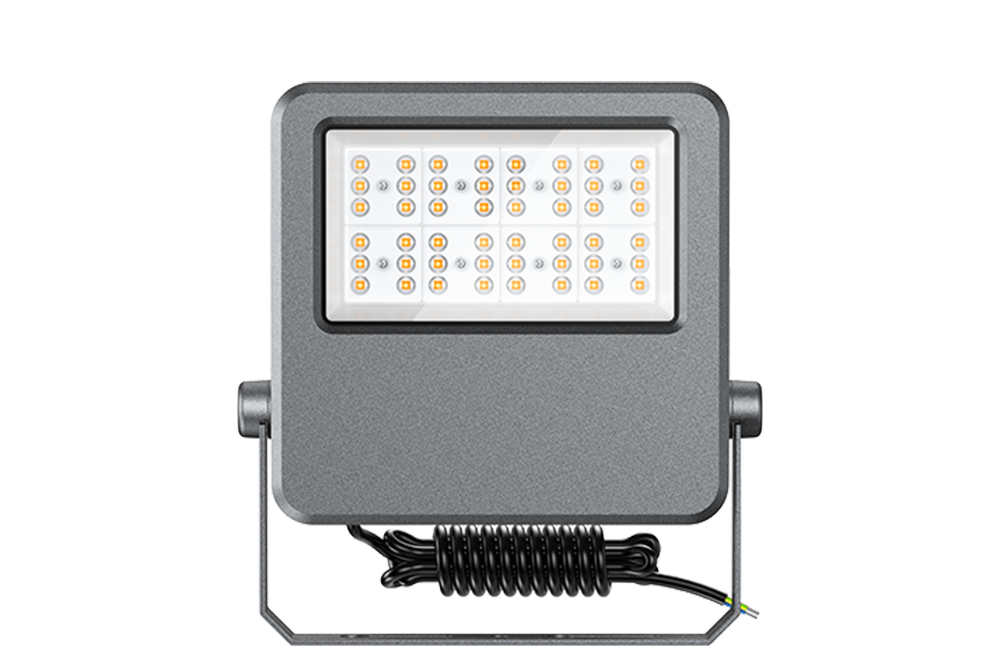
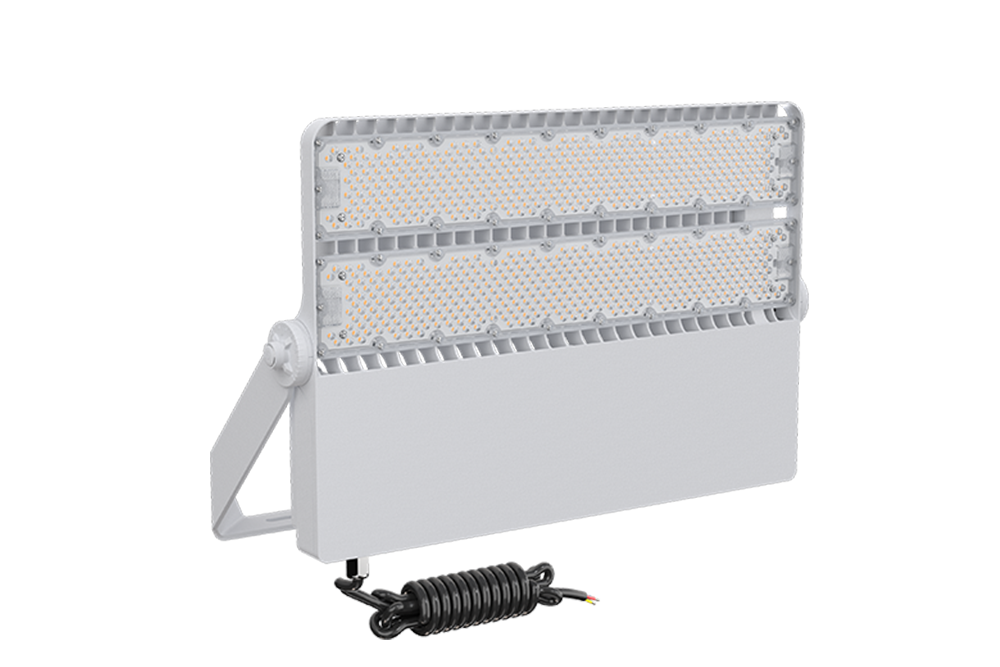
Floodlights are built for spread.
Not precision. Not detail. Just coverage.
Typical characteristics:
- wide beam angles (often 60°–120° or more)
- soft edges
- even distribution across large areas
They’re reliable for:
- outdoor yards
- warehouse floors
- general-purpose lighting
If you need to “see everything,” floodlights usually get the job done.
Spotlight behavior — different story
Spotlights don’t try to cover everything.
They focus.
- narrow beam (often 10°–40°)
- high intensity in a defined area
- sharper edges, more contrast
They create direction.
Instead of flattening a space, they build structure into it.
That’s why in the floodlight vs spotlight debate, spotlights often feel “stronger”—even at lower wattage.
Why brightness alone misleads people
A common mistake: choosing based on lumen output.
More lumens doesn’t mean better visibility.
I’ve seen powerful floodlights installed high up… and still fail to properly light a working surface.
Why?
Because the light spread too much before it reached the target.
Meanwhile, a lower-power spotlight, properly aimed, delivered better usable light exactly where needed.
Same energy. Better result.
Height changes everything
This part gets underestimated.
At low mounting heights, the difference between floodlight vs spotlight is noticeable.
At higher installations—say 5 to 8 meters—it becomes critical.
A wide beam floodlight might lose intensity before reaching the ground.
A narrow spotlight might create overly bright patches.
Neither is “wrong.”
But one will fit better depending on the space.
Real-world use cases (not brochure talk)
Floodlights — where they make sense
- large open environments
- safety lighting
- uniform illumination requirements
Think logistics yards, parking areas, factory floors.
You’re not highlighting anything. You’re ensuring visibility.
Spotlights — where they work better
- highlighting equipment or structures
- architectural details
- task-focused zones
Here, direction matters more than coverage.
Too much floodlight, and everything looks flat.
Too much spotlight, and the space becomes uneven.
The combination approach (what actually works)
Most well-designed lighting setups don’t choose one.
They layer.
Floodlights provide base illumination.
Spotlights add structure and focus.
I’ve seen this in warehouses, industrial plants, even smaller facilities. The combination solves problems neither type can handle alone.
Efficiency is about placement, not just output
The U.S. Department of Energy highlights how LED lighting improves energy efficiency across applications.
But real efficiency comes from how light is used.
A poorly placed floodlight wastes output.
A correctly positioned spotlight reduces the need for extra fixtures.
That’s the difference between theoretical efficiency and actual results.
Where SEEKINGLED comes in
With SEEKINGLED, lighting design doesn’t stop at wattage or lumen figures.
Beam control matters.
Different products are designed with:
- multiple beam angle options
- consistent optical performance
- stable output across environments
Because once you’re on-site, those details decide whether the lighting works—or just looks good on paper.
A quick mistake to avoid
Don’t default to “wider is safer.”
It feels logical. More coverage should mean better lighting.
But too much spread reduces useful brightness.
On the other side, going too narrow creates harsh contrasts and dark zones.
There’s no universal answer.
Only the right fit for the space.
More answers
Final thought
So, floodlight vs spotlight?
It’s not about which one is better.
It’s about what you need the light to do.
Floodlights give you coverage.
Spotlights give you control.
And in most real installations, you’ll end up using both—just not equally.
LED flood light Recommendations
 Seeking LED