 Seeking LED
Class 1 Division 1 Lights for Hazardous Location Safety
0Explore class 1 division 1 lights for hazardous locations. Learn NEC requirements, explosion protection features, LED advantages, and industrial applications from SEEKINGLED.
View detailsSearch the whole station
how far apart are street lights?
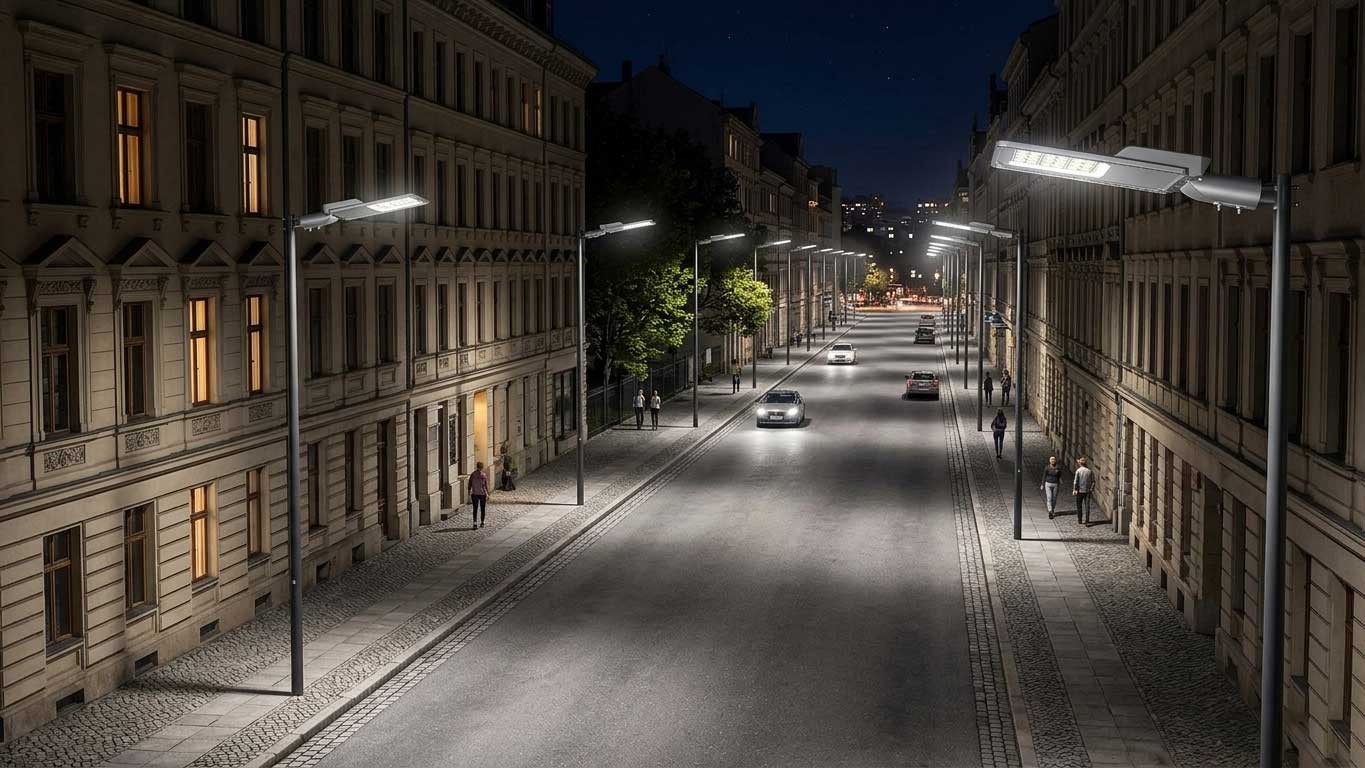
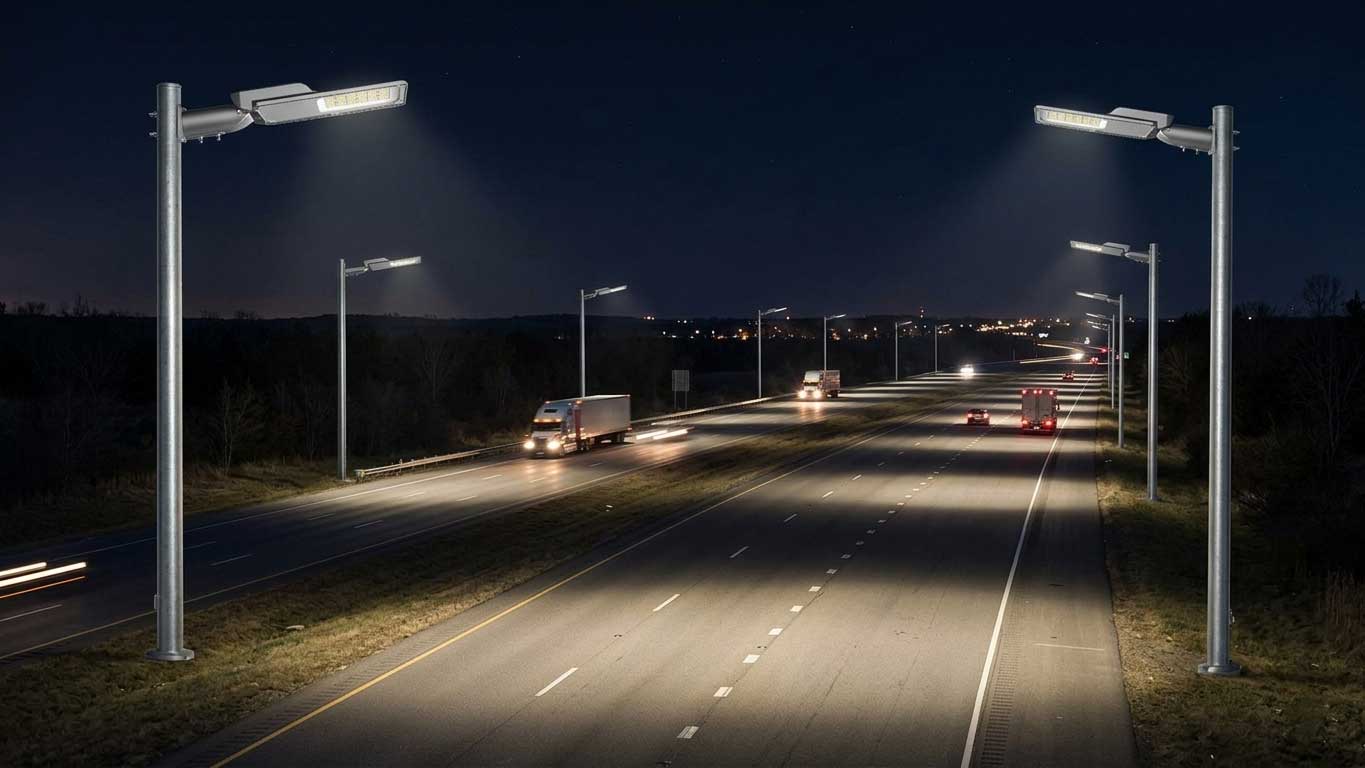
Street lights are typically spaced 20 to 50 meters apart, depending on road width, pole height, lighting power, and required illumination standards.
That’s the direct answer. But in practice, spacing is never fixed. I’ve worked on projects where moving a pole by just 5 meters changed uniformity enough to fail inspection.
Spacing is design, not guesswork.
From field installations and standards:
The U.S. Federal Highway Administration (fhwa.dot.gov) emphasizes that spacing depends on achieving required illumination levels and uniformity ratios.
Lighting design isn’t about equal gaps—it’s about:
In one project, equal spacing looked good on paper but created uneven lighting due to tree shadows.
Higher poles allow wider spacing:
A simple field rule:
Higher power doesn’t always mean wider spacing.
Key factors:
The U.S. Department of Energy (energy.gov) notes that LED optics significantly influence light distribution efficiency.
| Road Type | Typical Spacing | Notes |
|---|---|---|
| Residential | 20–30 m | Lower brightness required |
| Urban main roads | 25–40 m | Balanced visibility |
| Highways | 40–50+ m | Higher poles, wider coverage |
The Illuminating Engineering Society (ies.org) provides guidelines for roadway lighting levels and spacing calculations.
Real-world spacing adjusts for:
I’ve seen designs reworked entirely due to a single row of trees blocking light distribution.
Spacing depends on layout type:
Even with perfect design:
In one retrofit project, spacing had to be reduced because poles couldn’t be relocated due to underground cables.
Skipping simulation is one of the most common mistakes I see in smaller projects.
Typically 20–50 meters depending on road type and pole height.
Yes. Better optics can allow wider spacing while maintaining uniformity.
Not easily. It usually requires relocating poles or upgrading fixtures.
I work with SEEKINGLED on led street lighting projects, including:
These insights come from real installations—where spacing decisions directly affect safety, compliance, and cost.
how far apart are street lights is not a fixed number—it’s a balance between design standards and real-world constraints. The right spacing is the one that delivers consistent light, not just equal distance.
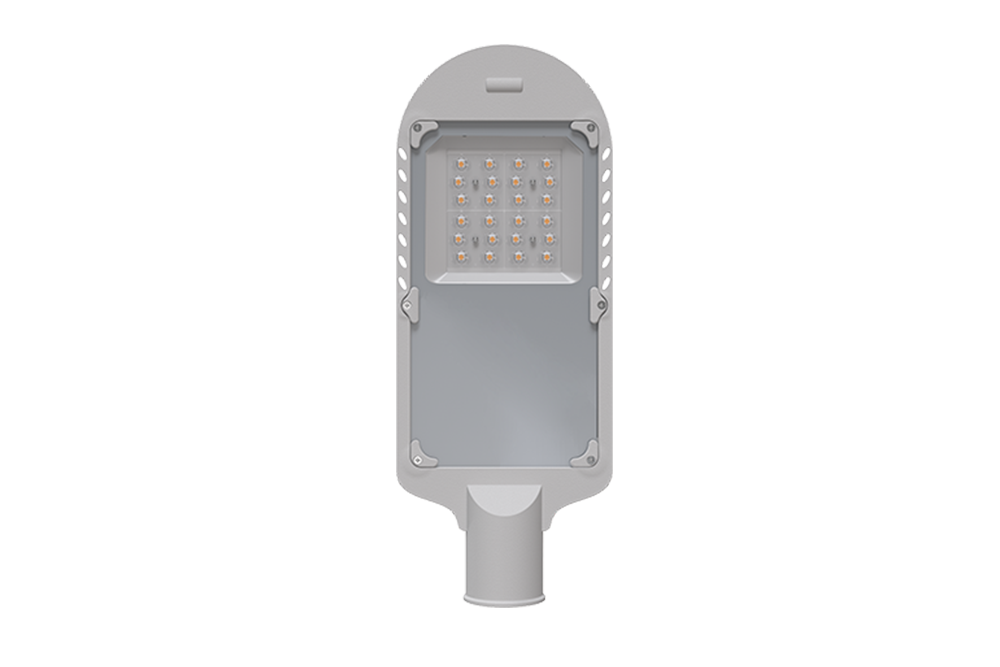
SEEKING STL-Series LED street lights deliver stable performance, 170 lm/W efficiency and 10KV surge protection. Ideal for city streets, parking lots, public roads and outdoor area lighting projects. Durable IP66 & IK08 design for long-term reliability.
View details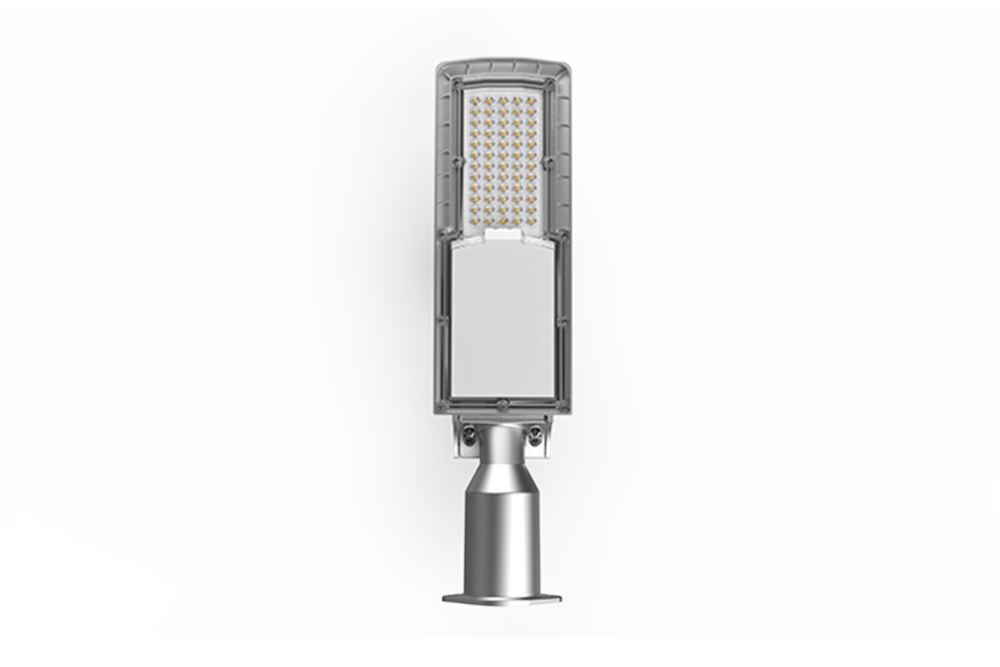
The SEEKING STC Series LED light street light delivers up to 170lm/W efficiency with MOSO drivers, IP66 protection, and a ±15° adjustable arm—ideal for roads, residential areas, and public lighting upgrades.
View details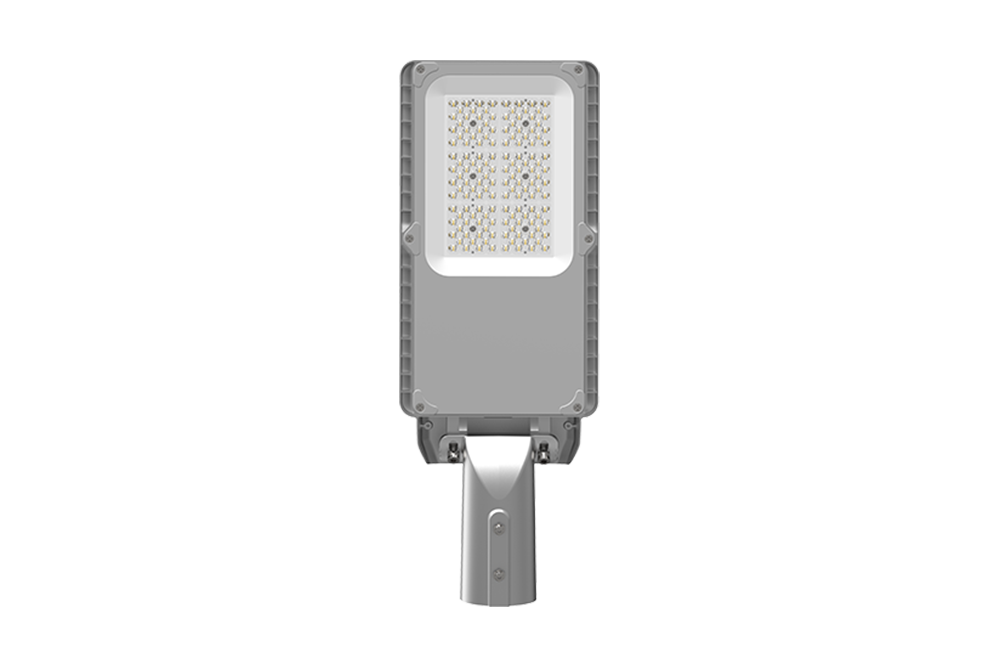
SEEKING STB Series LED street lighting delivers up to 160 lm/W, 10kV surge protection, IP66 waterproofing, and durable IK08 impact resistance. Ideal for streets, parking lots, and large outdoor areas needing long-lasting, energy-saving LED roadway lighting.
View details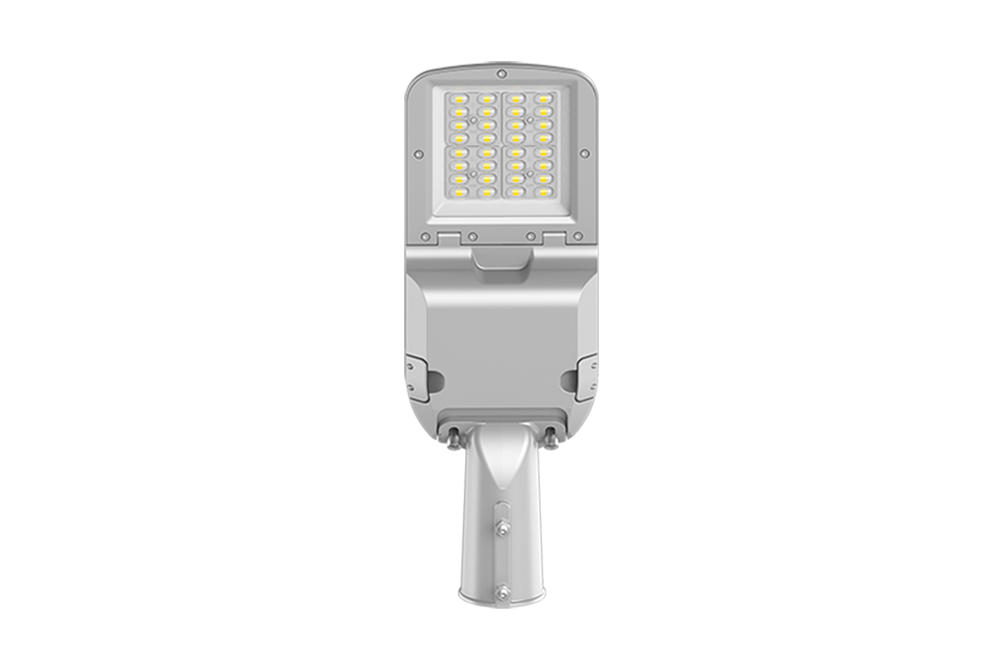
The SEEKING STA Series LED street light delivers strong efficiency, IP66 protection, 10kV surge resistance and multiple beam patterns for roads, parking lots and urban areas. High lumen output, easy installation and reliable performance for long-term outdoor lighting.
View details
Explore class 1 division 1 lights for hazardous locations. Learn NEC requirements, explosion protection features, LED advantages, and industrial applications from SEEKINGLED.
View details
atex portable work light delivers safe illumination for hazardous zones. Explore ATEX certification, industrial applications, and field experience from SEEKINGLED.
View details
explosion-proof light engineered for Zone 1 & 2 hazardous areas with ATEX & IECEx certification. Practical safety insights and engineering from SEEKINGLED.
View details
How high is high bay for lighting? Learn the recommended LED high bay mounting heights, ceiling requirements, beam angles, and industrial lighting design tips.
View details