 Seeking LED
how far apart are street lights?
3how far apart are street lights? Learn standard spacing ranges, design factors, and expert insights for efficient road lighting and uniform illumination.
View detailsSearch the whole station
Hazardous location lighting fixtures are specially designed luminaires built to safely operate in environments with flammable gases, vapors, or dust by preventing ignition through sealed construction and controlled temperature.
That’s the formal definition.
On site, the reality is simpler: if the fixture fails, the risk doesn’t stay inside the light—it spreads to the entire facility.
A standard industrial light might handle dust or moisture.
A hazardous location fixture is designed for something else entirely:
According to IEC 60079, equipment used in explosive atmospheres must eliminate or contain ignition sources.
That includes lighting—often underestimated during early design.
There are two major systems:
ATEX / IECEx (Zone system)
NEC / UL (Division system)
These classifications determine:
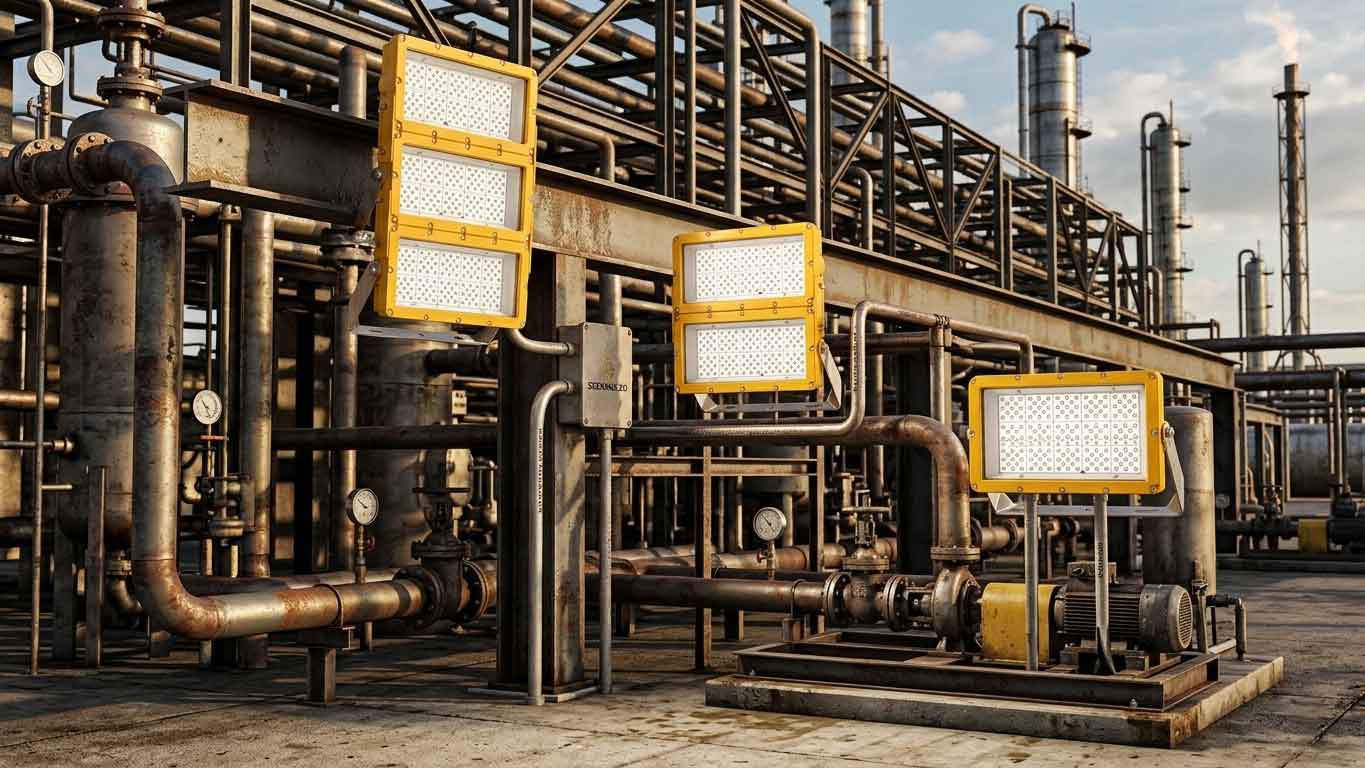
Designed to:
Common in:
Focuses on:
Typically used in:
Limits energy levels so ignition cannot occur.
More common in:
Less typical for high-power lighting, but still relevant.
Materials include:
What matters in the field:
I’ve seen fixtures pass certification—but fail after one year offshore due to coating breakdown.
According to the U.S. Department of Energy, LED performance and lifespan are highly sensitive to temperature.
In hazardous lighting:
That’s why:
Typical ratings:
But in reality:
Sealing failures often happen at:
Not the main housing.
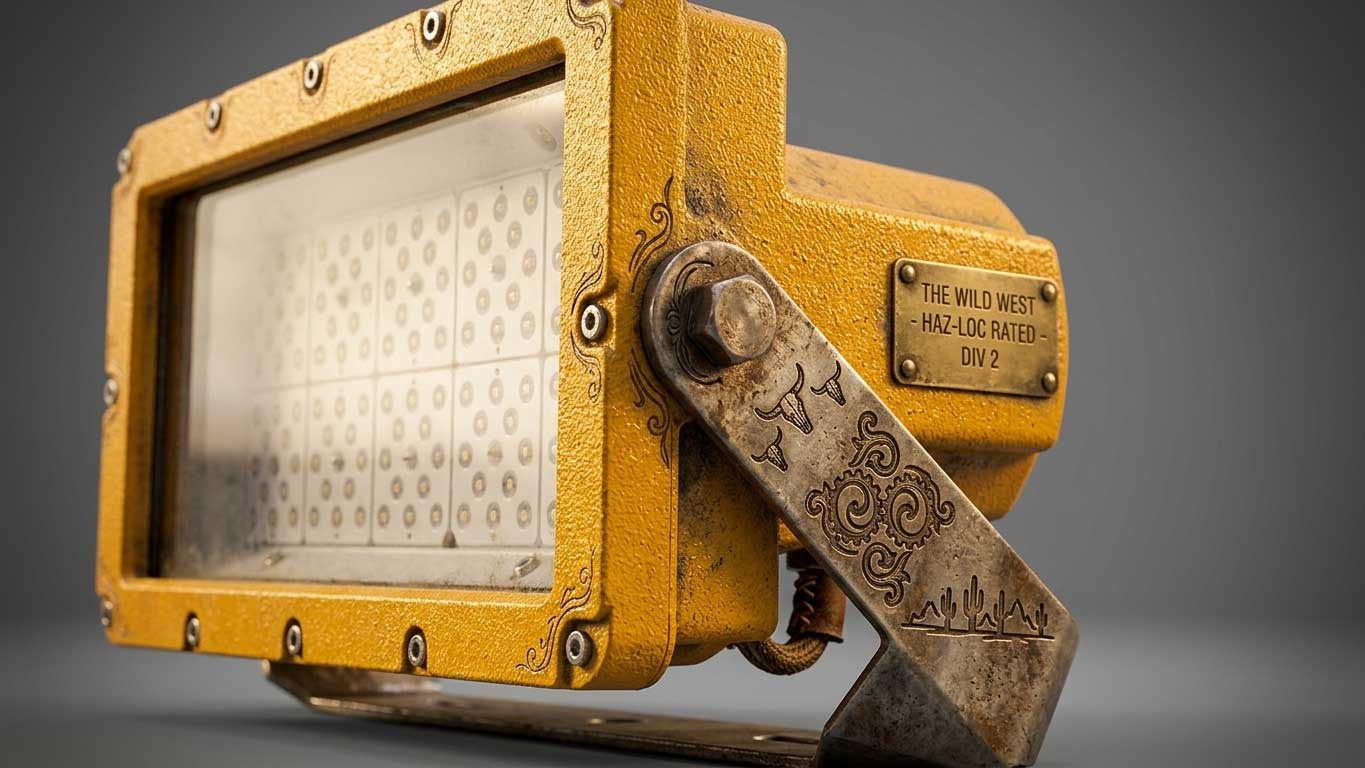
Designed to:
Common in:
Focuses on:
Typically used in:
Limits energy levels so ignition cannot occur.
More common in:
Less typical for high-power lighting, but still relevant.
Materials include:
What matters in the field:
I’ve seen fixtures pass certification—but fail after one year offshore due to coating breakdown.
According to the U.S. Department of Energy, LED performance and lifespan are highly sensitive to temperature.
In hazardous lighting:
That’s why:
Typical ratings:
But in reality:
Sealing failures often happen at:
Not the main housing.
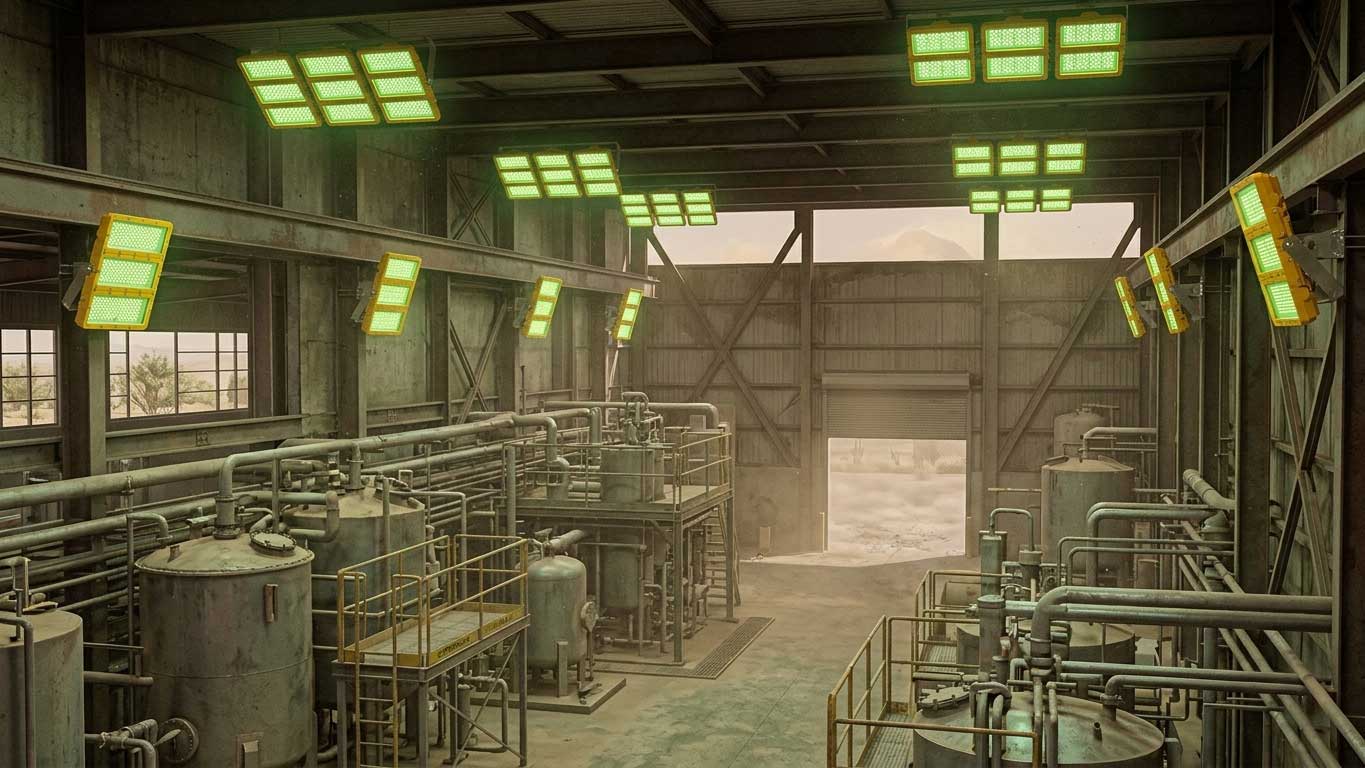
| Feature | Standard Lighting | Hazardous Location Fixtures |
|---|---|---|
| Safety | Low in hazardous areas | High (certified) |
| Enclosure | Basic | Sealed / reinforced |
| Certification | None | ATEX / IECEx / UL |
| Application | General use | Explosive environments |
| Cost | Lower | Higher but necessary |
From actual project deployment:
In one refinery project:
That’s not something datasheets show.
Lower-cost fixtures often compromise:
Different hazards require different solutions:
Not all certifications are interchangeable.
Always verify:
Yes, in regulated hazardous environments, certified fixtures are required by law.
Yes, but it’s usually unnecessary and more expensive.
Typically 50,000+ hours, depending on environment and maintenance.
This article is based on hands-on experience across:
Across inspections and retrofits:
More than 25% of lighting failures were linked to enclosure and sealing—not electrical components.
That’s where real risk lives.
When evaluating hazardous location lighting fixtures, the key question isn’t brightness.
It’s reliability under stress.
Because in hazardous environments,
lighting doesn’t just illuminate the space—
it protects it.
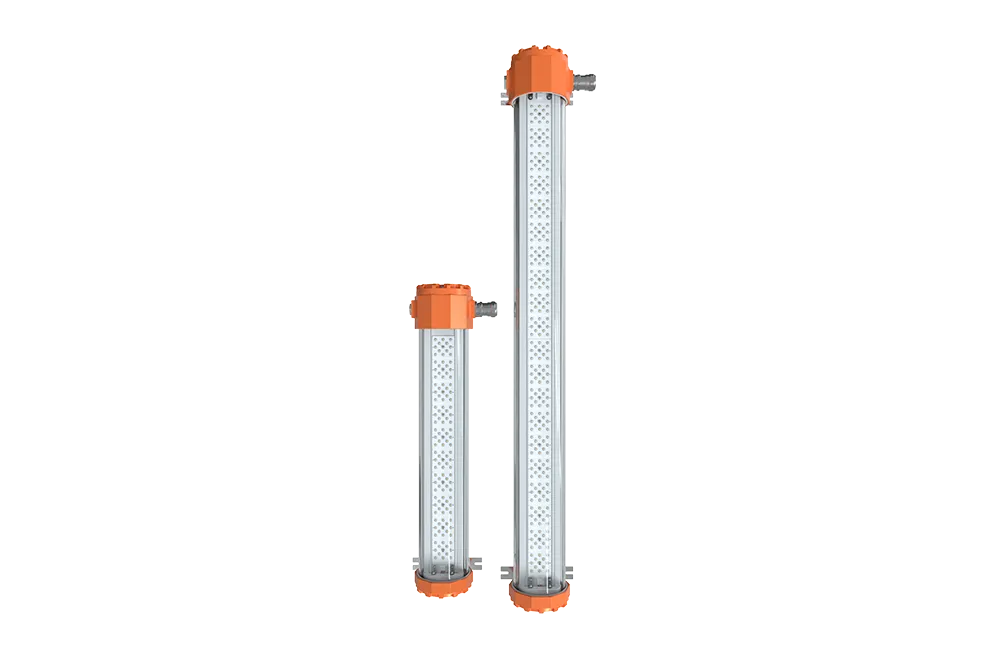
SEEKINGLED LED Linear Explosion Proof Light and Explosion Proof lighting is ATEX and IECEx certified for Zone 1, Zone 2, Zone 21 and Zone 22 hazardous locations, built for long-term industrial use.
View details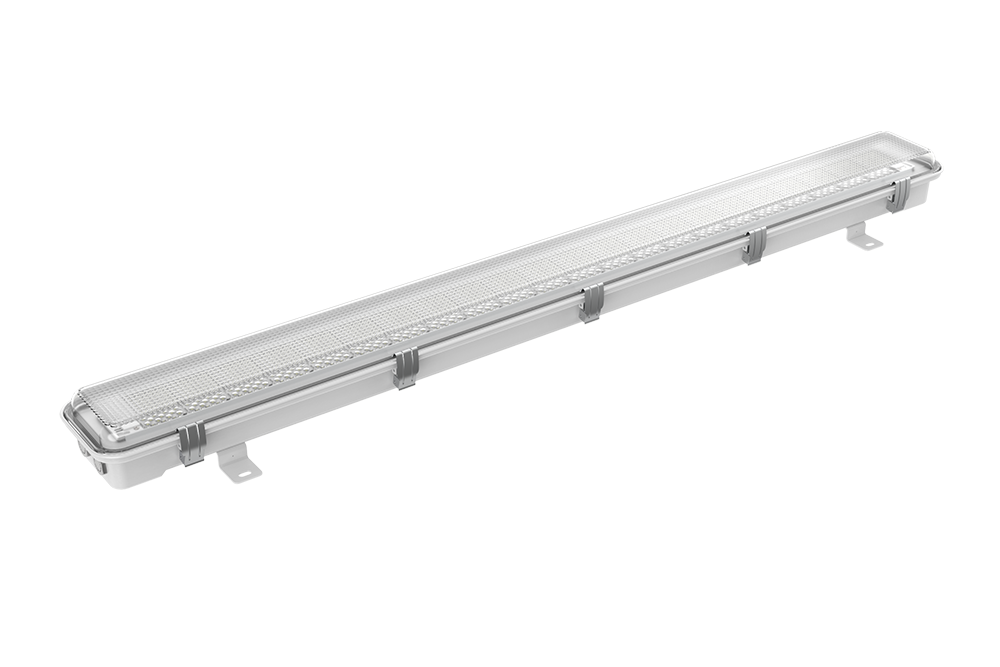
LED Linear Explosion Proof Lights and EX Proof lights for Zone 1, Zone 2, Zone 21 and Zone 22 hazardous areas. ATEX & IECEx certified explosion proof LED linear lighting with emergency function, adjustable power and IP67 protection by SEEKINGLED.
View details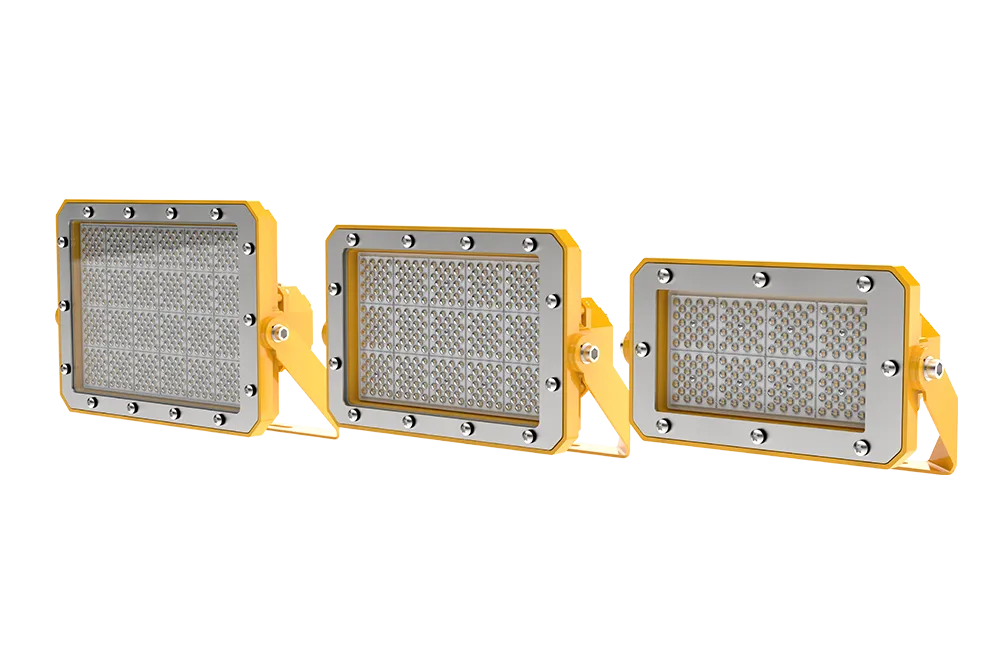
SEEKINGLED LED Explosion Proof Flood Lights are ATEX certified for Zone 2 and Zone 22 hazardous areas, offering high efficiency, adjustable power and integrated junction box.
View details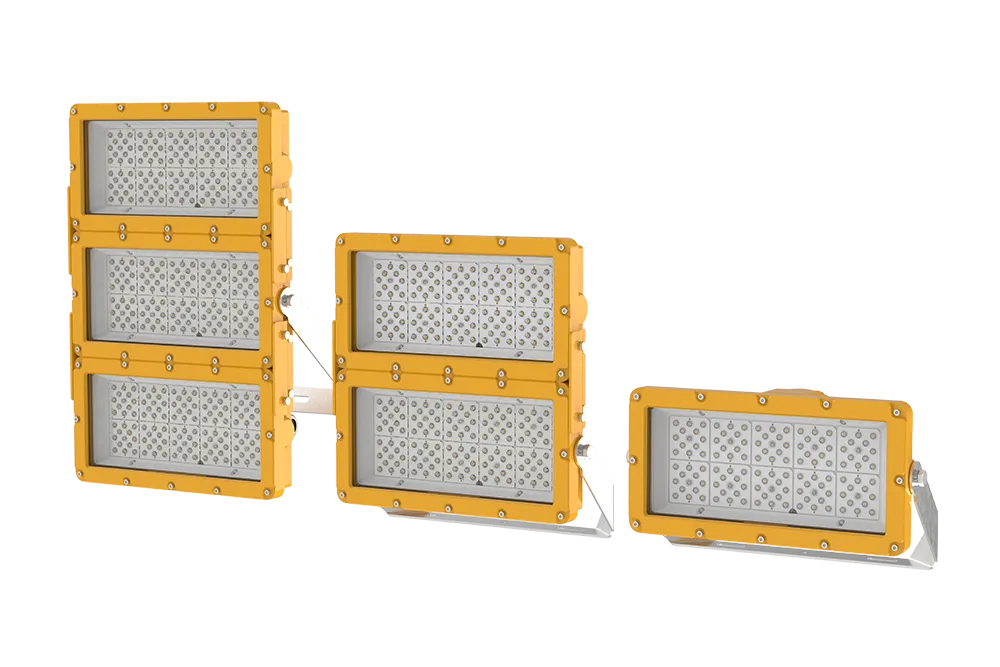
SEEKINGLED LED Explosion Proof Flood Lights are flameproof ATEX and IECEx certified for Zone 1 and Zone 2 hazardous areas, offering high power, adjustable output and long service life.
View details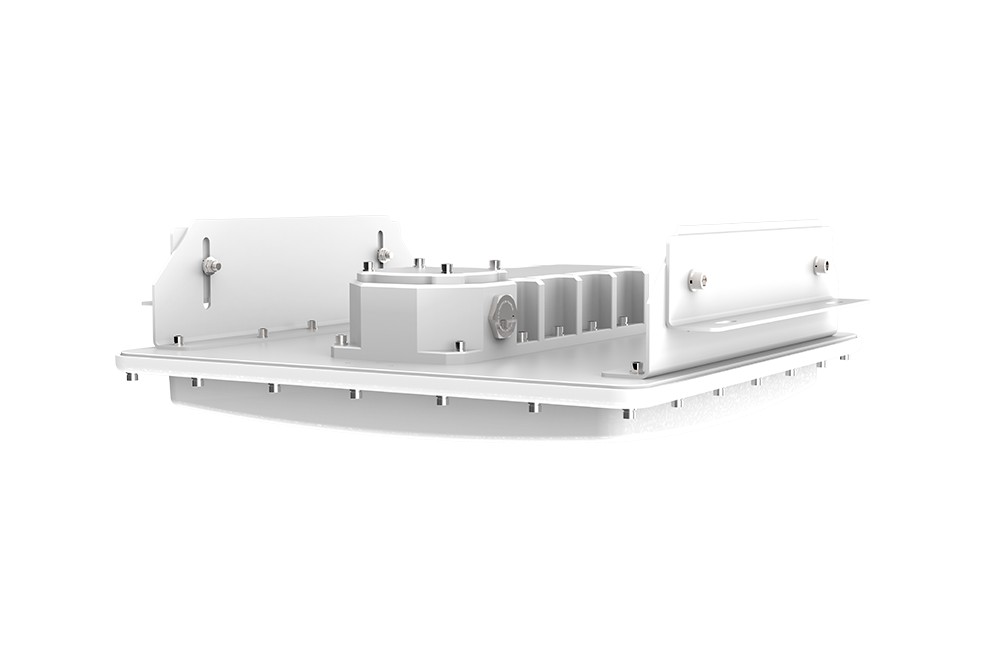
SEEKINGLED LED Gas Station Canopy Lights are ATEX certified for Zone 2 and Zone 22 hazardous areas, featuring adjustable power and built-in explosion-proof junction box.
View details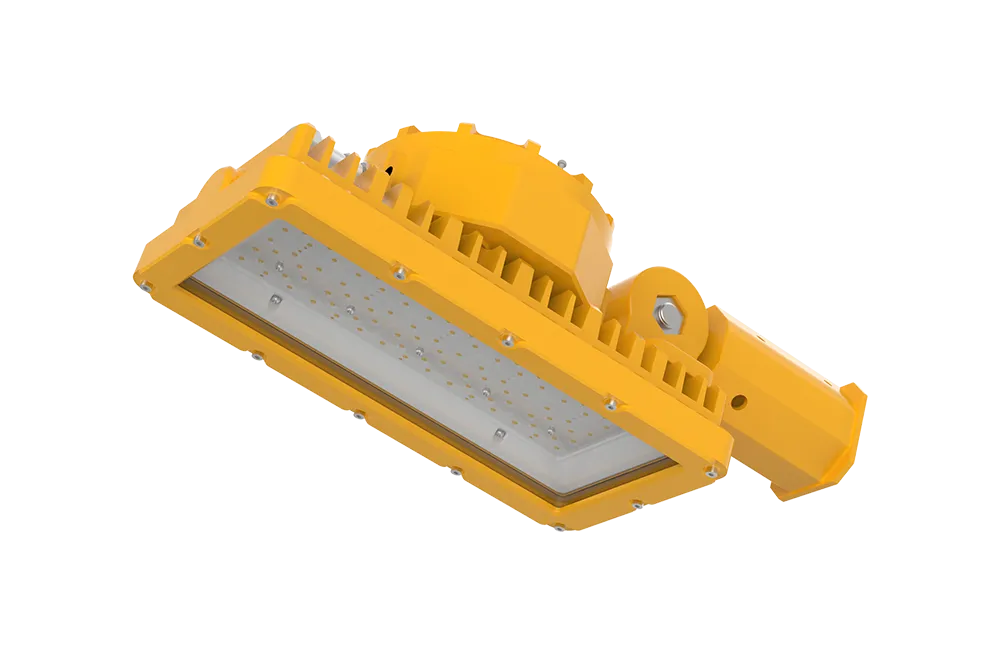
ATEX: Ex II 2G Ex db IIB T6/T5 GbEx II 2D Ex tb IIIC T80°C/ T95°C Db IECEx Ex db IIB T6 Gb;Ex tb IIIC T80°C Db Feature: ● For Zone 1,2 and Zone 21,22● Flameproof type, the strongest● 100W can replace 250W HID,energy saving● Power:60W,80W,100W Application: Oil and gas, marine, Chemical, pharmaceutical, semiconductor,mining,military industr…
View details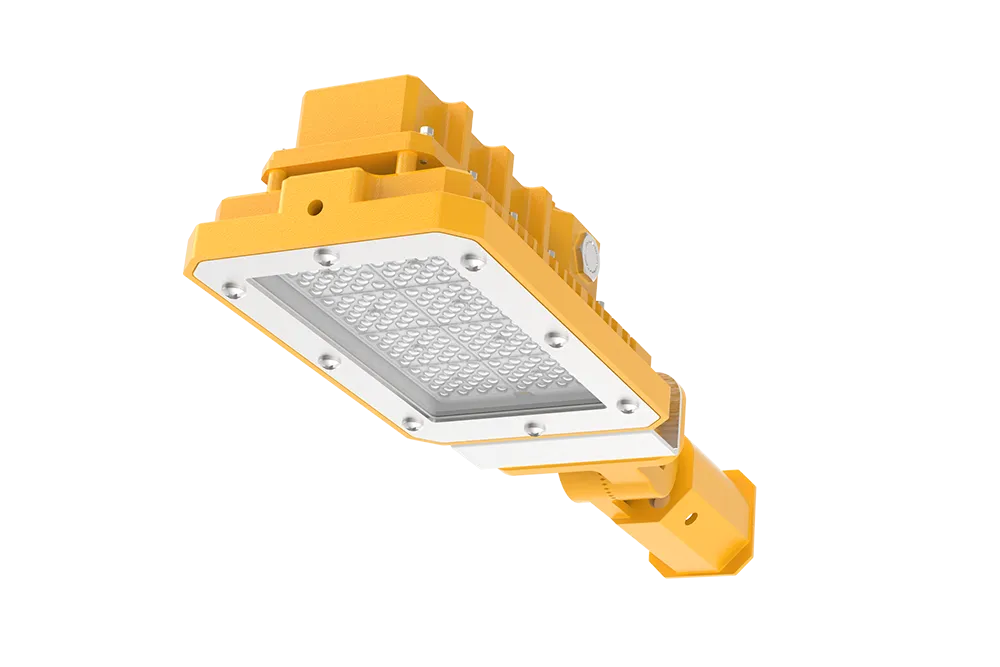
ATEX: II 3G Ex nR ⅡC T5/T6 GcII 3D Ex tc ⅢC T80℃/T95℃Dc ATEX Certificate NO: TÜV CY 26 ATEX 0207611 X Feature: ● For Zone 2 and Zone 22● 150W can replace 250W HID lamps,Energy saving● Power:50W,75W,100W,150W,200W Application: Oil and gas, marine, Chemical, pharmaceutical, semiconductor,mining,military industry, paint booth,power plant ETC…
View details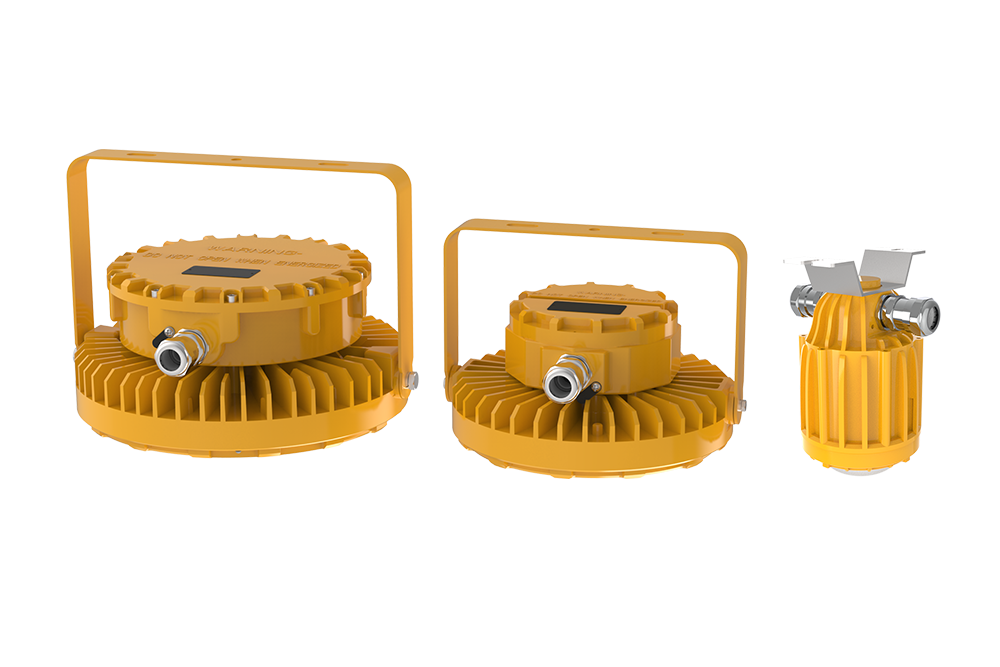
LED explosion proof high bay lights are designed for Zone 1, Zone 2, Zone 21 and Zone 22 hazardous areas. This page introduces the HB21 Series from SEEKING, including certifications, power options and real application considerations.
View details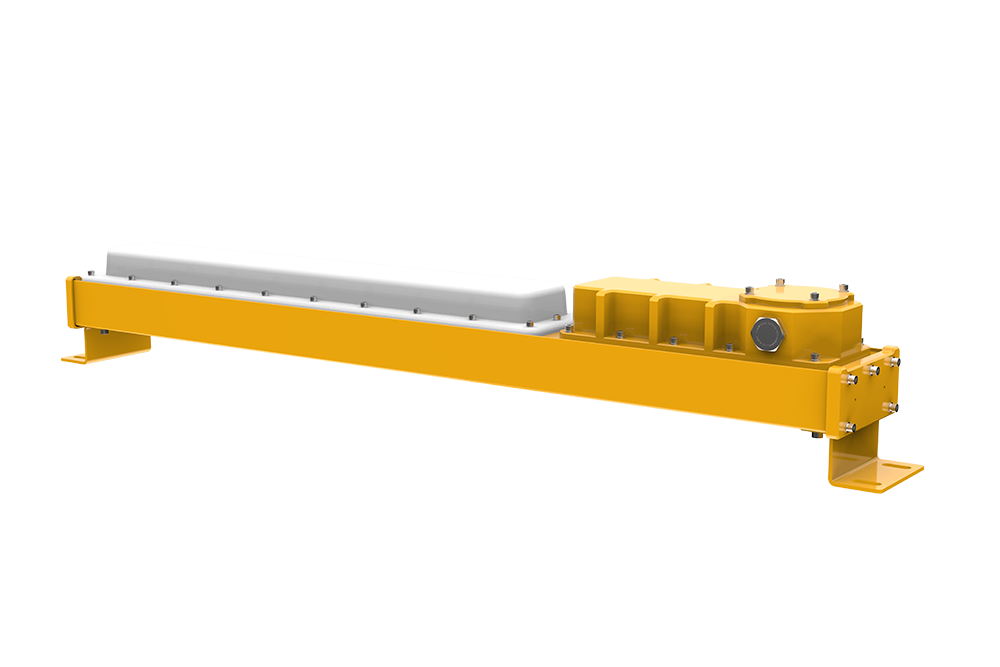
LED Linear Explosion Proof Lights from SEEKINGLED. LU Series Flame Proof lights ATEX-certified explosion proof LED linear lighting for Zone 2 gas and Zone 22 dust areas, IP69K, IK10, long lifetime and flexible power options.
View details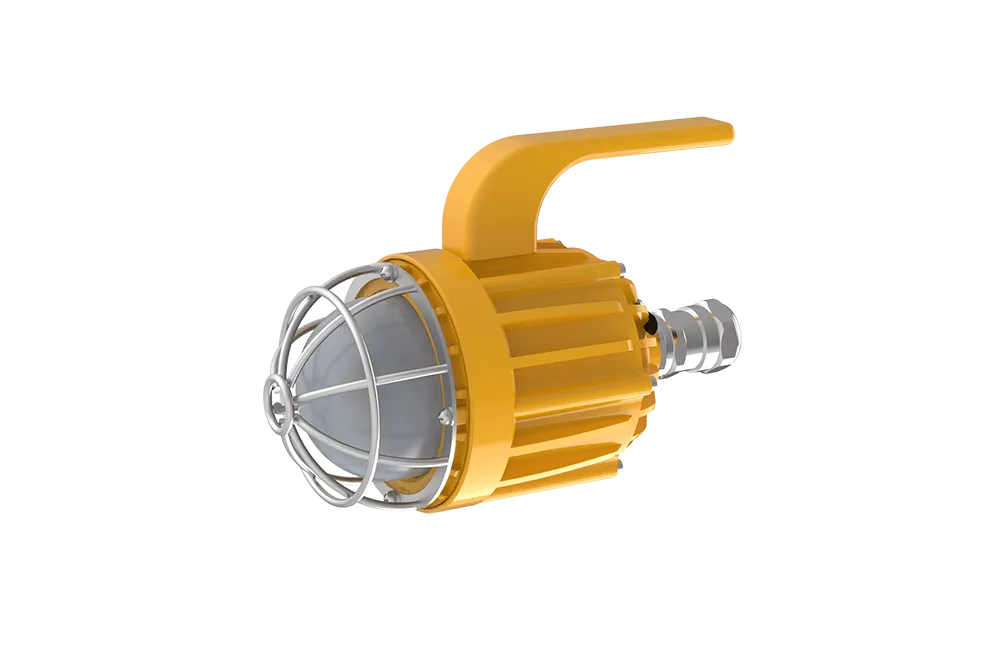
Certified explosion proof work lights for Zone 1 & 21 hazardous areas. Portable, ATEX & IECEx approved, built for oil, gas and chemical plants by SEEKINGLED.
View details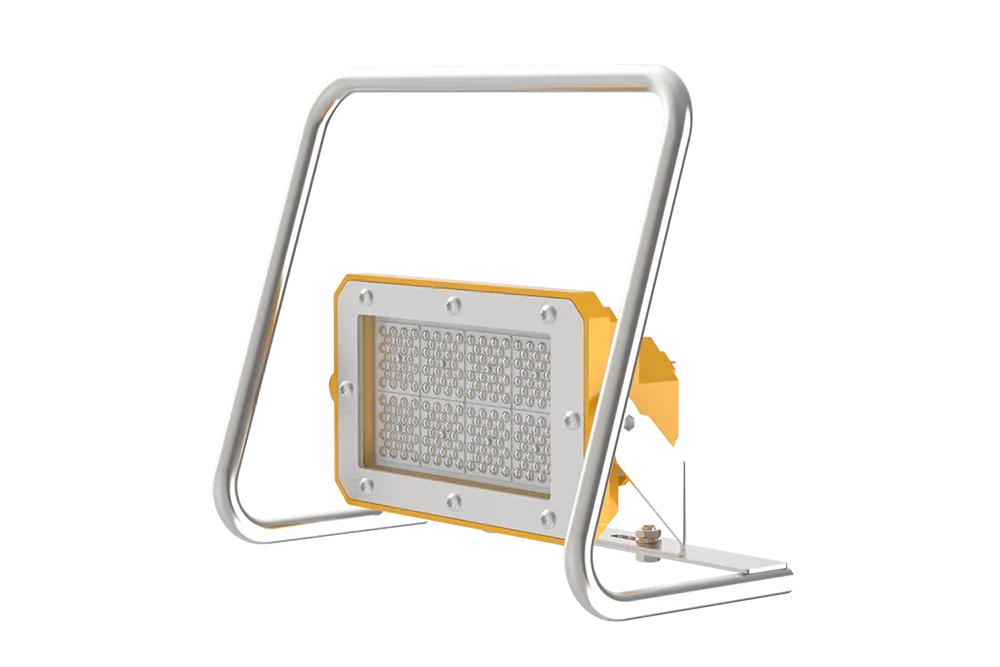
ATEX: II 3G Ex nR ⅡC T6 GcII 3D Ex tc ⅢC T80℃ Dc ATEX Certificate NO: TÜV CY 26 ATEX 0207611 X Feature: ● For Zone 2 and Zone 22● Accepts battery-powered supply● indestructible● Power:AC input:50W,75W,100WDC input:15W,25W,35W Application: Oil and gas, marine, Chemical, pharmaceutical, semiconductor,mining,military industry, paint booth,po…
View details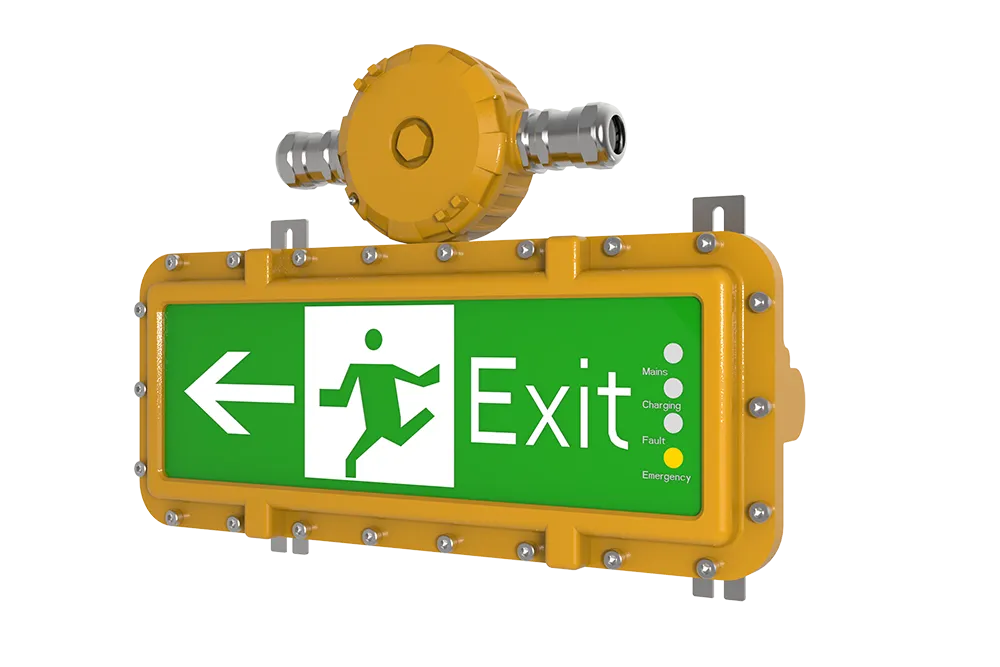
ATEX: Ex II 2G Ex db IIB T6 GbEx II 2D Ex tb IIIC T80°C Db IECEx Ex db IIB T6 Gb;Ex tb IIIC T80°C Db Feature: ● For Zone 1,2 and Zone 21,22● Flameproof type, the strongest Application: Oil and gas, marine, Chemical, pharmaceutical, semiconductor,mining,military industry, paint booth,power plant ETC hazardous area. Technical Specifications:…
View details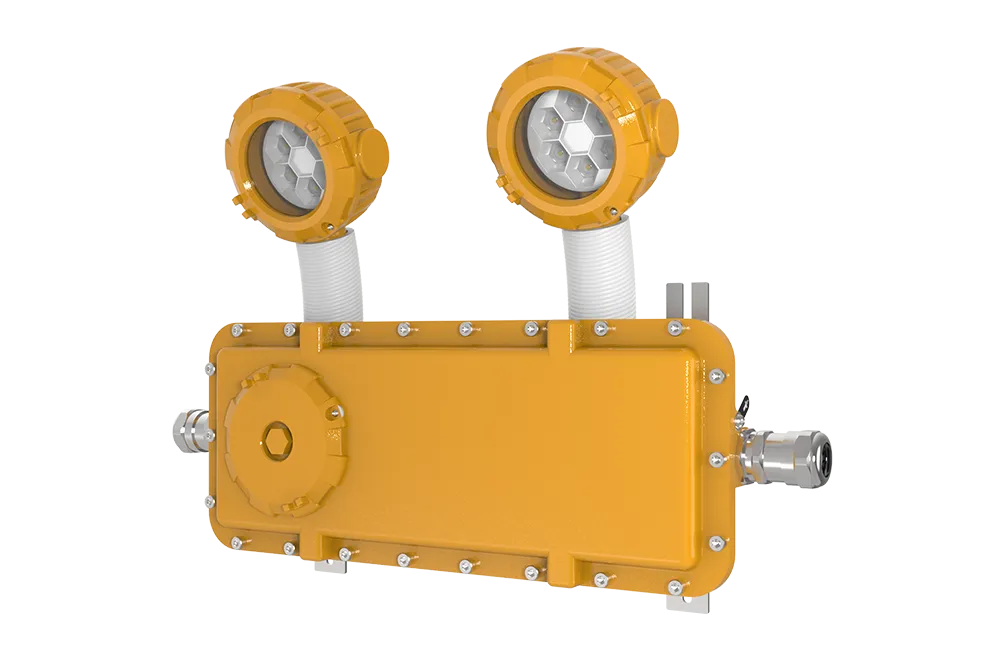
ATEX: Ex II 2G Ex db IIB T6 GbEx II 2D Ex tb IIIC T80°C Db IECEx Ex db IIB T6 Gb;Ex tb IIIC T80°C Db Feature: ● For Zone 1,2 and Zone 21,22● Flameproof type, the strongest Application: Oil and gas, marine, Chemical, pharmaceutical, semiconductor,mining,military industry, paint booth,power plant ETC hazardous area. Technical Specifications:…
View details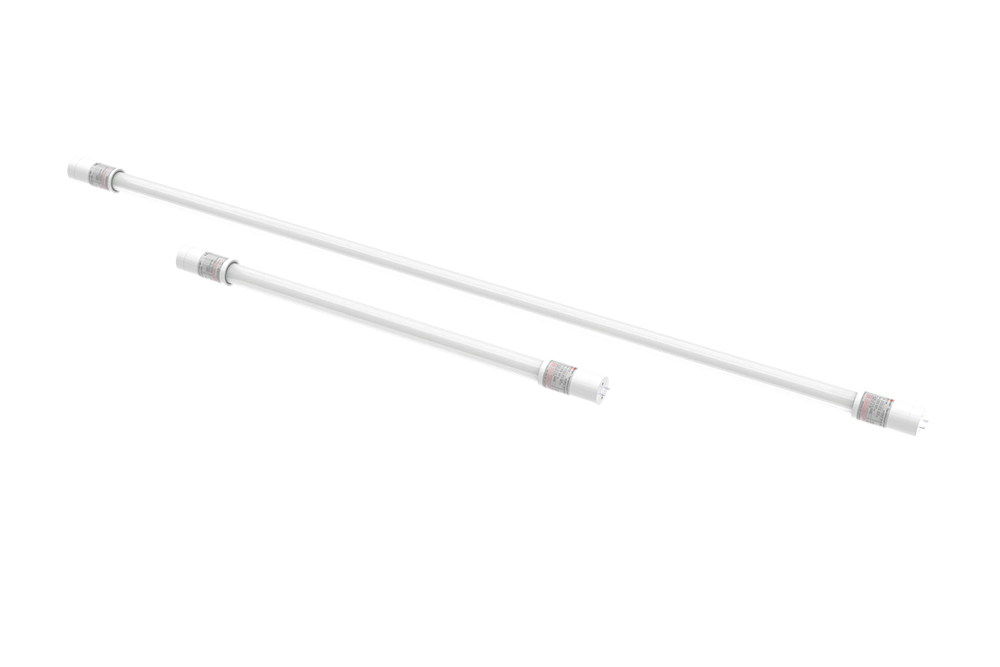
ATEX: Ex II 2G Ex d e IIB T6 Gb ATEX: Ex d e IIB T6 Gb; Feature: ● For Zone 1,2● 9W can replace 18W fluorescent lamps,50% Energy saving Application: Oil and gas, marine, Chemical, pharmaceutical, semiconductor,mining,military industry, paint booth,power plant ETC hazardous area. Technical Specifications: Standards:60079-0, 60079-1, 60079…
View details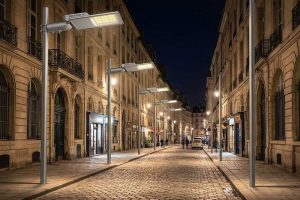
how far apart are street lights? Learn standard spacing ranges, design factors, and expert insights for efficient road lighting and uniform illumination.
View details
high bay explosion proof lighting engineered for Zone 1 & 2 hazardous areas. ATEX & IECEx certified, durable and energy-efficient solutions by SEEKINGLED.
View details
Do high bay lights get hot? Learn why LED high bays produce heat, how hot they can become, and how heat sinks, drivers, airflow, and design affect fixture life.
View details
27-30th,October,2015 Booth: 5B-B29We lunch HBS round series high bay light, which include 100W, 120W, 150W, 200W, 240W, SMD3030 LED chip, IP65. use Meanwell HBG series driver, whole lamp 5 year warranty. Improve to 140lm/w, less heat. ...
View details