 Seeking LED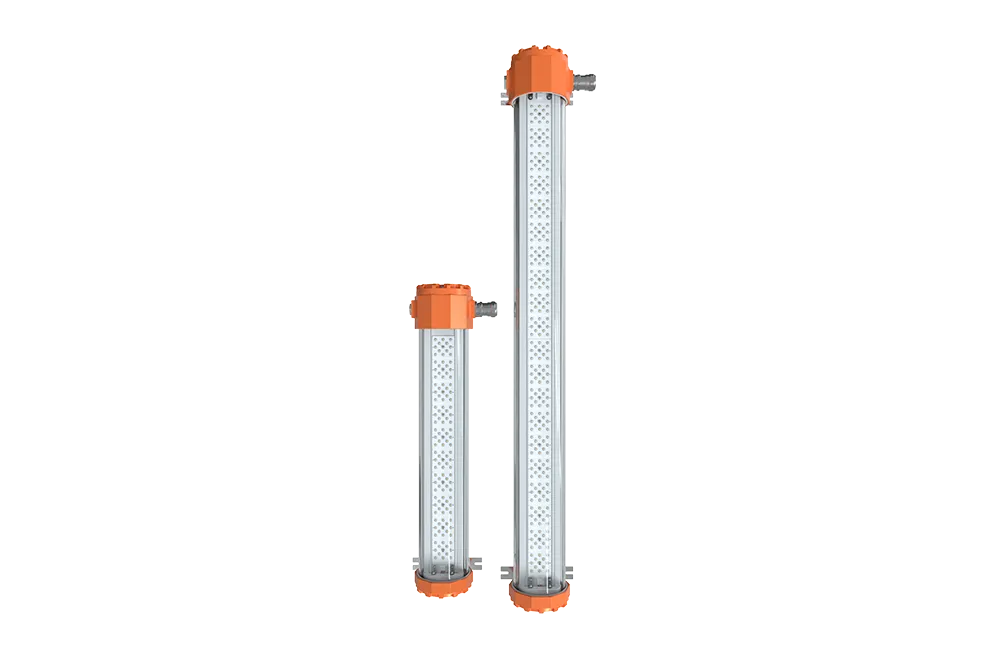
Auto Flood Lights: What Actually Works After Years in the Field
53Auto flood lights improve security and save energy. Discover real installation insights, performance data, and how to choose reliable outdoor lighting.
View detailsSearch the whole station
Most people searching for atex led light are already past the “what is it” stage.
They’ve got a site. A classified zone. A project that can’t afford mistakes.
And usually — something didn’t go quite right the first time.
ATEX certification is strict. It comes from the EU Directive 2014/34/EU, covering equipment used in explosive atmospheres. IECEx follows a similar path globally.
On paper, everything checks out.
But step into a real site — offshore, chemical storage, even a paint line — and things don’t stay “standard.”
Temperature shifts during the day. Humidity builds up where you didn’t expect it. Equipment vibrates, slightly, but constantly.
I remember walking a site where every fixture passed inspection. Six months later, a few units started showing condensation inside the housing. Not failure — just a slow drift away from ideal.
That’s the part no catalog talks about.
With atex led light systems, surface temperature isn’t just a spec — it’s a safety boundary.
According to IEC standards, equipment must remain below the ignition temperature of surrounding gases. That sounds straightforward, but in practice, heat doesn’t behave evenly.
Some fixtures trap it.
Others move it — slowly, but effectively.
The difference often comes down to design details you don’t see at first glance:
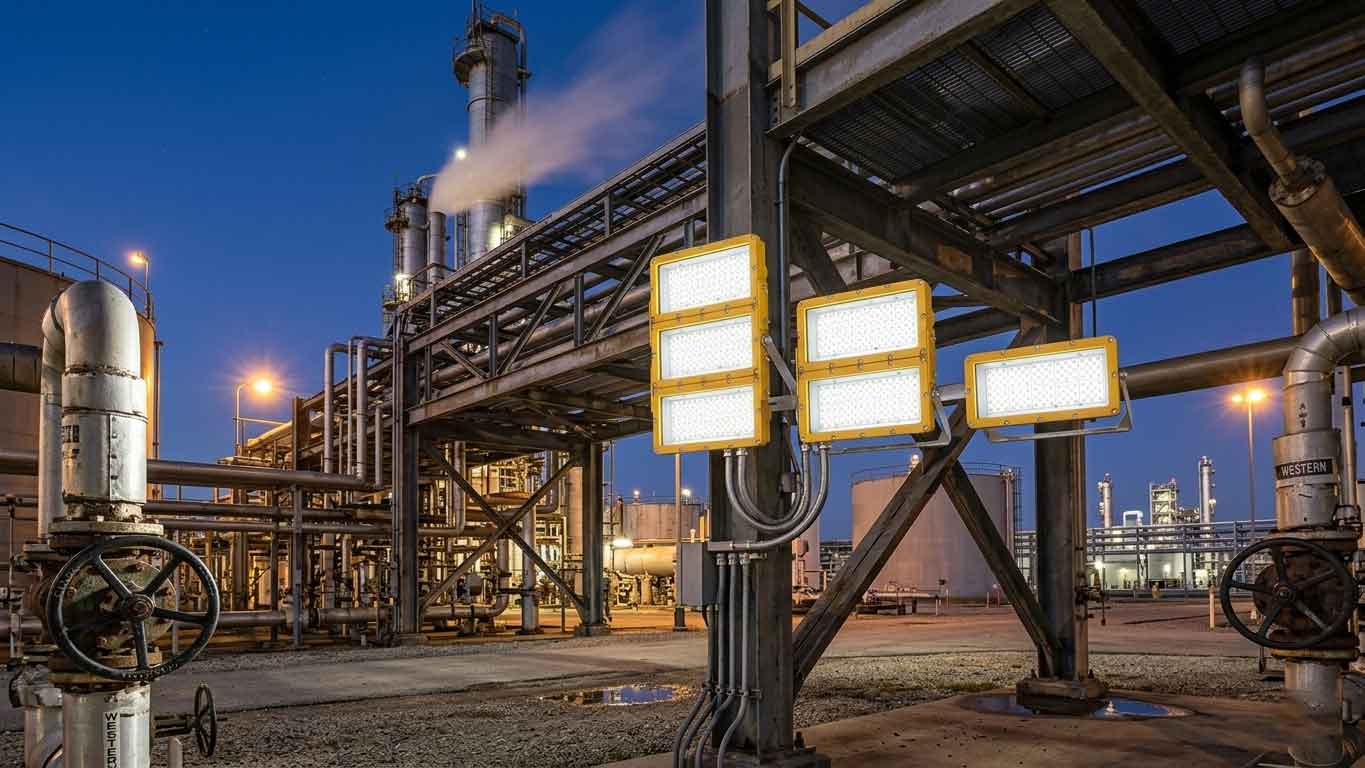
SEEKINGLED designs tend to treat thermal management as part of the structure, not an add-on. That’s something you start to appreciate only after long runtime.
This is something buyers rarely ask upfront.
Consistency.
In one warehouse project I was involved in, all fixtures were from the same model line. But after months of operation, only certain sections began to show minor issues — mostly related to sealing and internal moisture.
Same environment. Same installation team.
The difference came from production variation.
When you’re sourcing hundreds of units, even small inconsistencies become visible across the site. That’s why experienced procurement teams look beyond certification — they ask about batch control.
LED chips get most of the attention, but drivers tell a different story.
Industrial environments aren’t electrically clean. Voltage fluctuations are common. According to IEEE research on industrial power systems, transient spikes can occur frequently in heavy-duty operations.
When drivers aren’t built with enough tolerance, you start seeing subtle problems:
flicker
delayed start
unexpected shutdown
It doesn’t happen all at once. It creeps in.
SEEKINGLED focuses on stable driver performance as part of its ATEX LED light systems, especially for long-cycle industrial use.
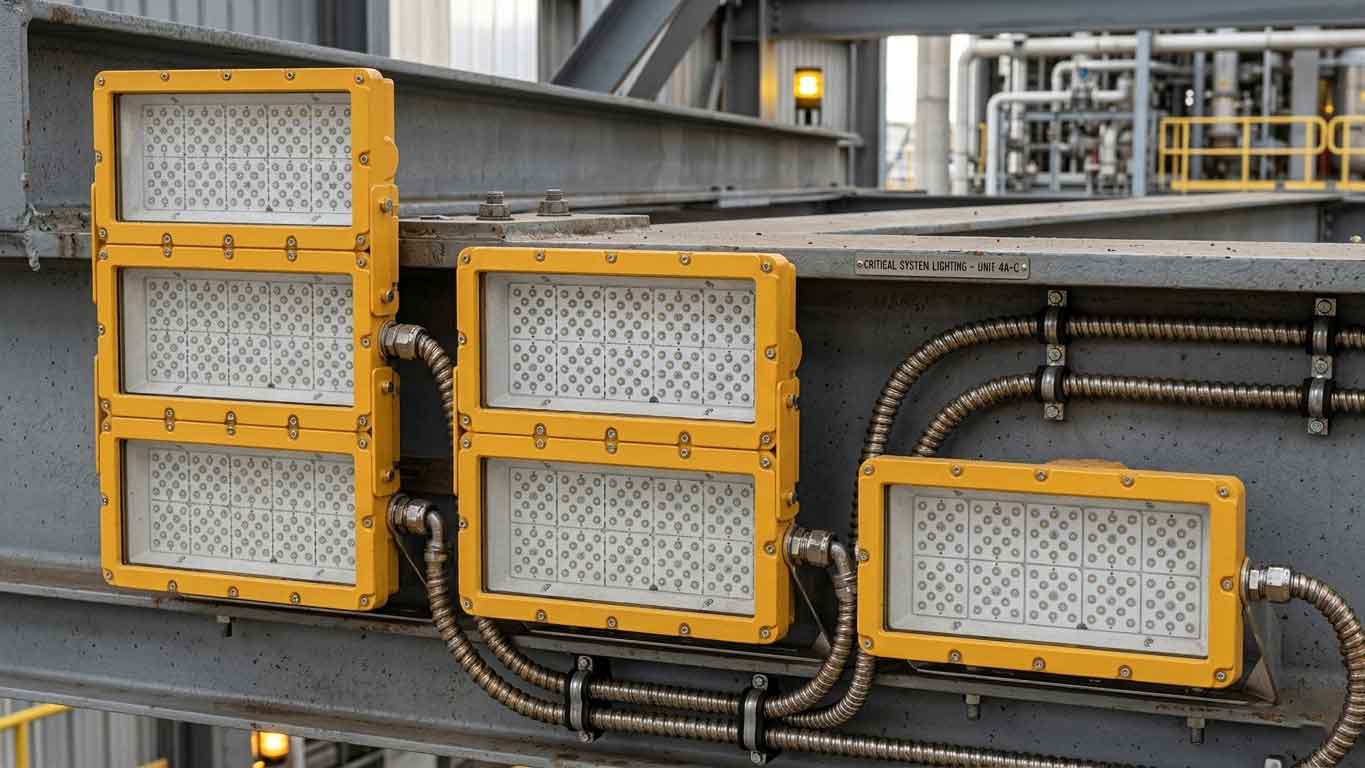
Typical applications are well known:
But conditions vary more than categories suggest.
A “Zone 2” indoor area with chemical exposure can sometimes be harsher than an outdoor Zone 1 with better airflow.
That’s why selecting an atex led light isn’t just about zone classification. It’s about understanding the environment beyond labels.
After enough projects, patterns start to show.
Most lights perform well at the beginning. That’s expected.
The difference appears later.
Three months in — still fine.
Six months — small changes.
One year — now you can tell which ones were built with margin.
SEEKINGLED focuses on long-term behavior of ATEX LED light products, not just passing certification tests. That approach comes from seeing what happens after installation, not just before it.
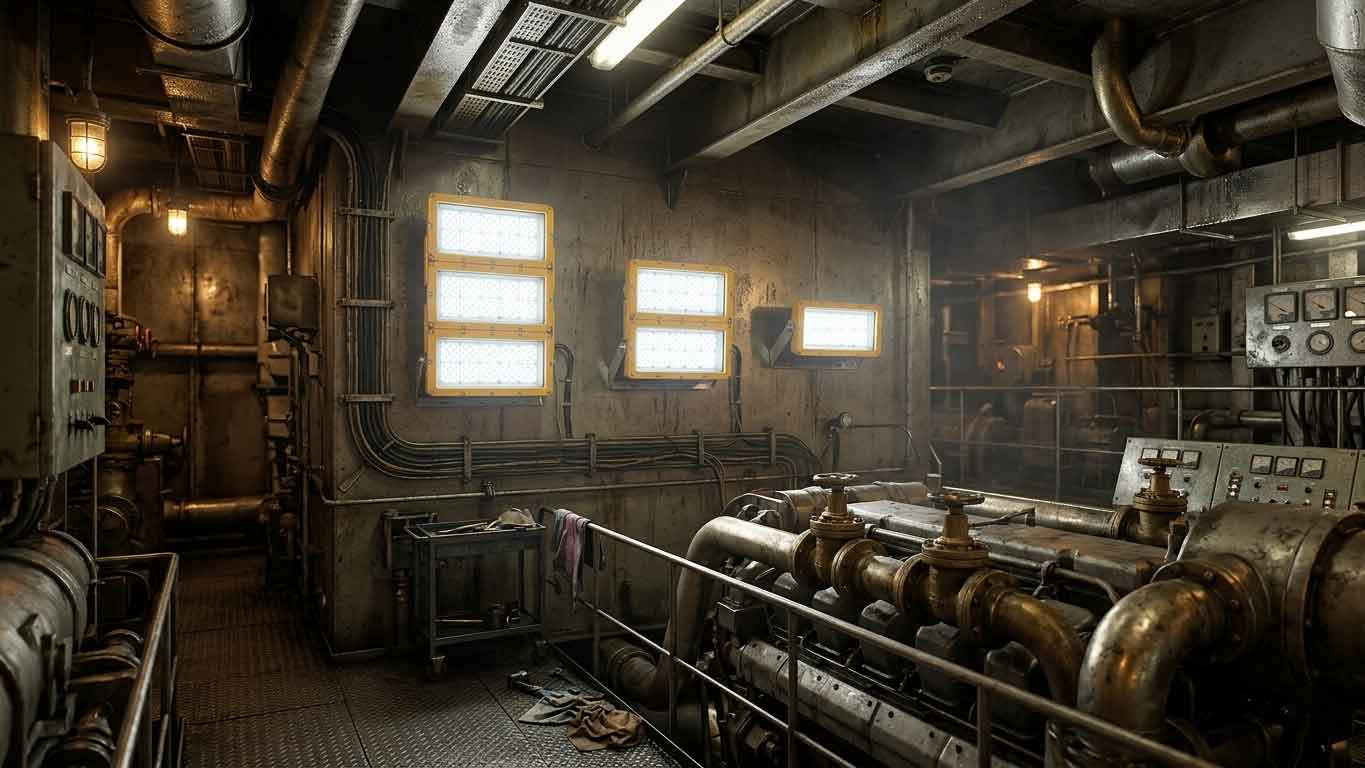
When choosing an atex led light, the real question isn’t whether it meets certification.
It’s whether it keeps performing when the environment stops being predictable.
Because that’s usually when it matters most.
Related products
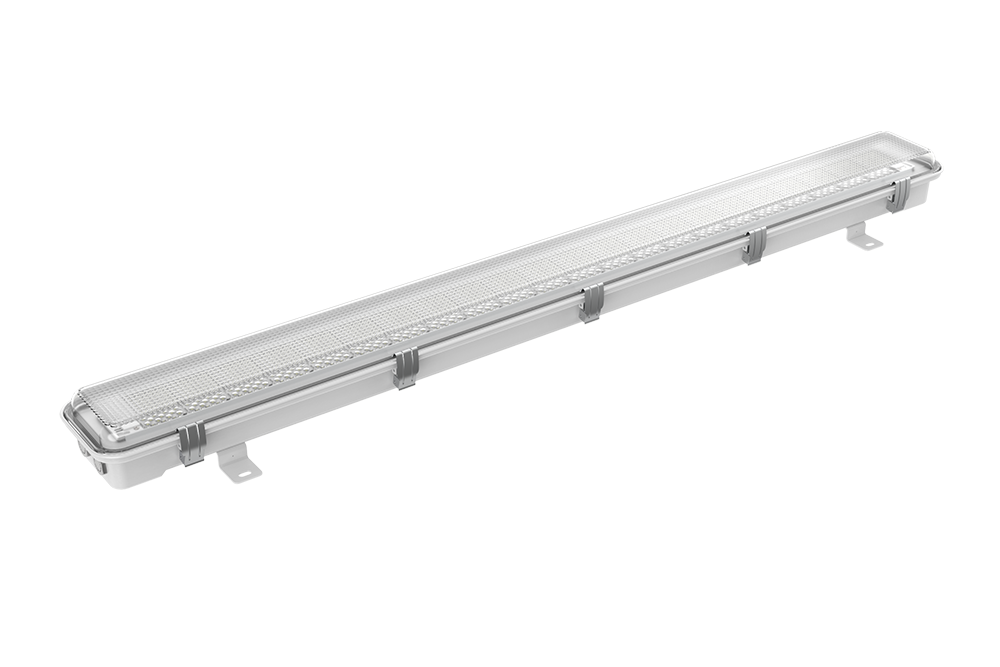
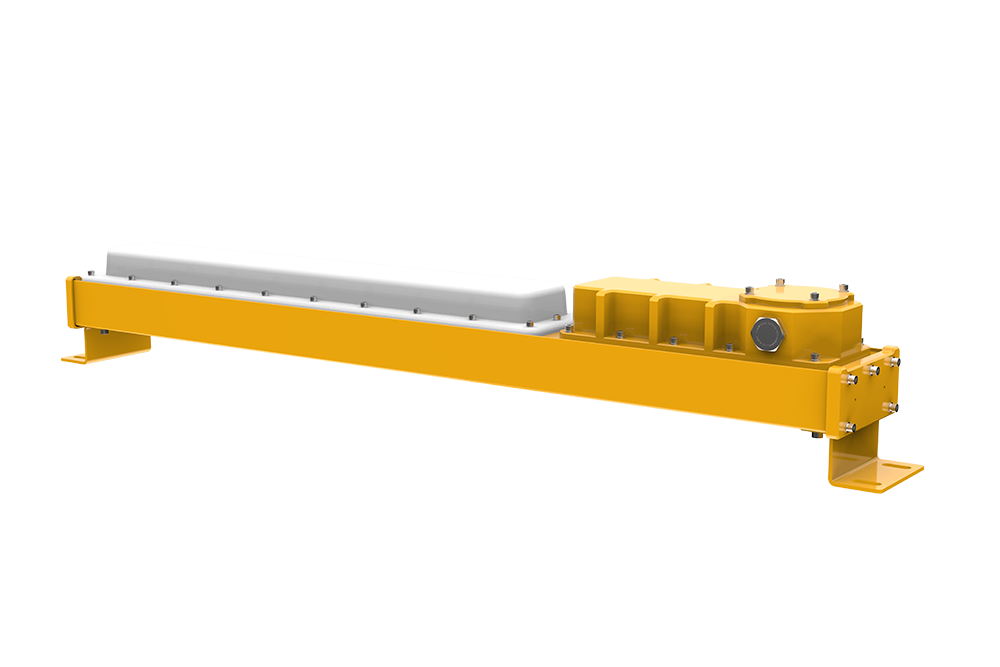
SEEKINGLED LED Linear Explosion Proof Light and Explosion Proof lighting is ATEX and IECEx certified for Zone 1, Zone 2, Zone 21 and Zone 22 hazardous locations, built for long-term industrial use.
LED Linear Explosion Proof Lights and EX Proof lights for Zone 1, Zone 2, Zone 21 and Zone 22 hazardous areas. ATEX & IECEx certified explosion proof LED linear lighting with emergency function, adjustable power and IP67 protection by SEEKINGLED.
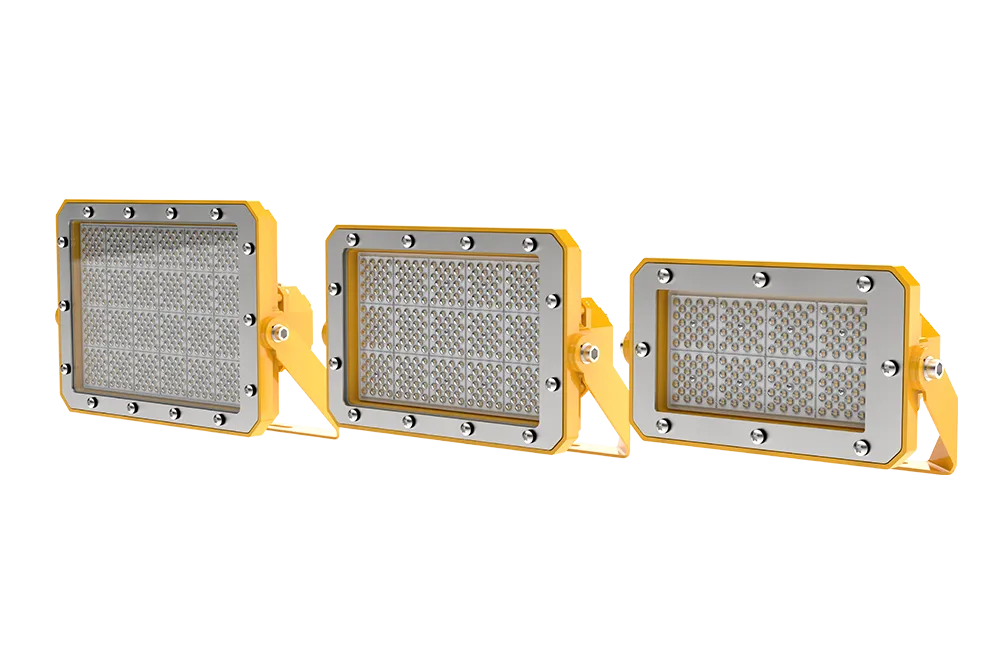
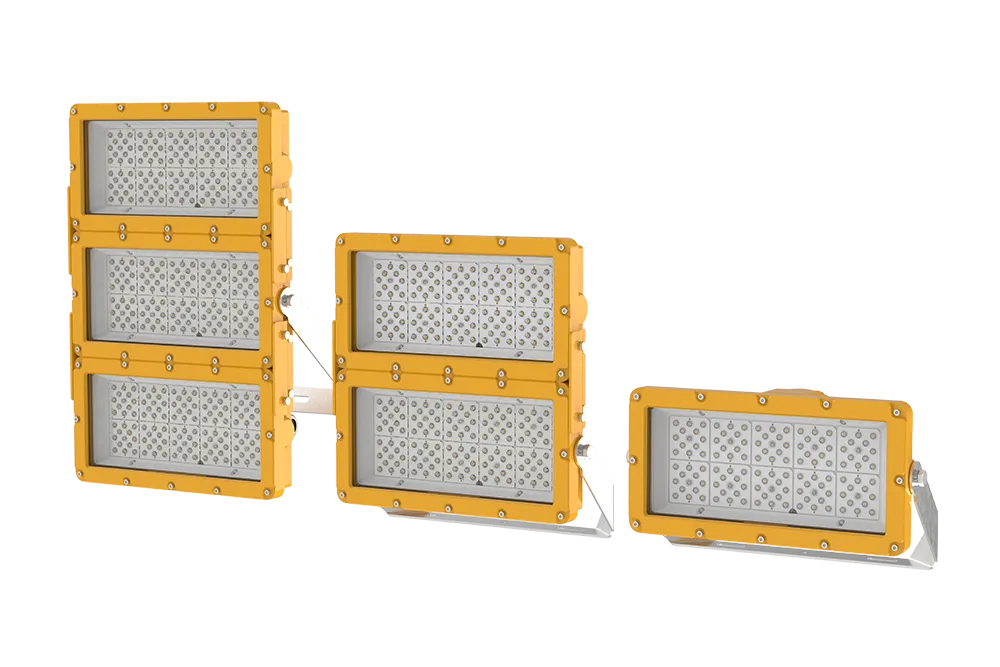
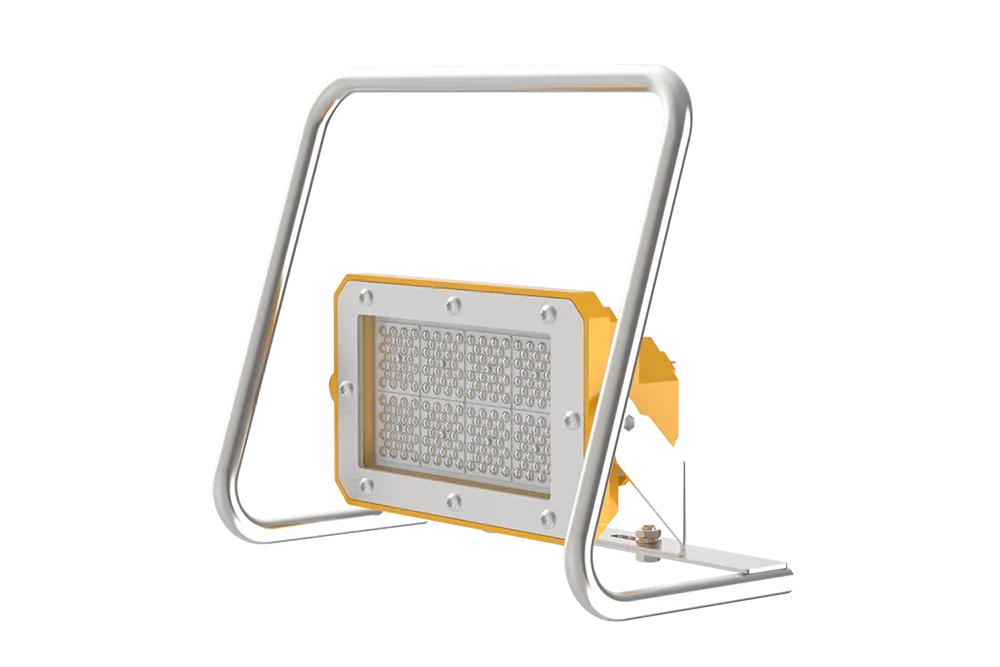
SEEKINGLED LED Explosion Proof Flood Lights are ATEX certified for Zone 2 and Zone 22 hazardous areas, offering high efficiency, adjustable power and integrated junction box.
SEEKINGLED LED Explosion Proof Flood Lights are flameproof ATEX and IECEx certified for Zone 1 and Zone 2 hazardous areas, offering high power, adjustable output and long service life.
SEEKINGLED LED Gas Station Canopy Lights are ATEX certified for Zone 2 and Zone 22 hazardous areas, featuring adjustable power and built-in explosion-proof junction box.
ATEX: Ex II 2G Ex db IIB T6/T5 GbEx II 2D Ex tb IIIC T80°C/ T95°C Db IECEx Ex db IIB T6 Gb;Ex tb IIIC T80°C Db Feature: ● For Zone 1,2 and Zone 21,22● Flameproof type, the strongest● 100W can replace 250W HID,energy saving● Power:60W,80W,10…
ATEX: II 3G Ex nR ⅡC T5/T6 GcII 3D Ex tc ⅢC T80℃/T95℃Dc ATEX Certificate NO: TÜV CY 26 ATEX 0207611 X Feature: ● For Zone 2 and Zone 22● 150W can replace 250W HID lamps,Energy saving● Power:50W,75W,100W,150W,200W Application: Oil and gas, m…
LED explosion proof high bay lights are designed for Zone 1, Zone 2, Zone 21 and Zone 22 hazardous areas. This page introduces the HB21 Series from SEEKING, including certifications, power options and real application considerations.
LED Linear Explosion Proof Lights from SEEKINGLED. LU Series Flame Proof lights ATEX-certified explosion proof LED linear lighting for Zone 2 gas and Zone 22 dust areas, IP69K, IK10, long lifetime and flexible power options.
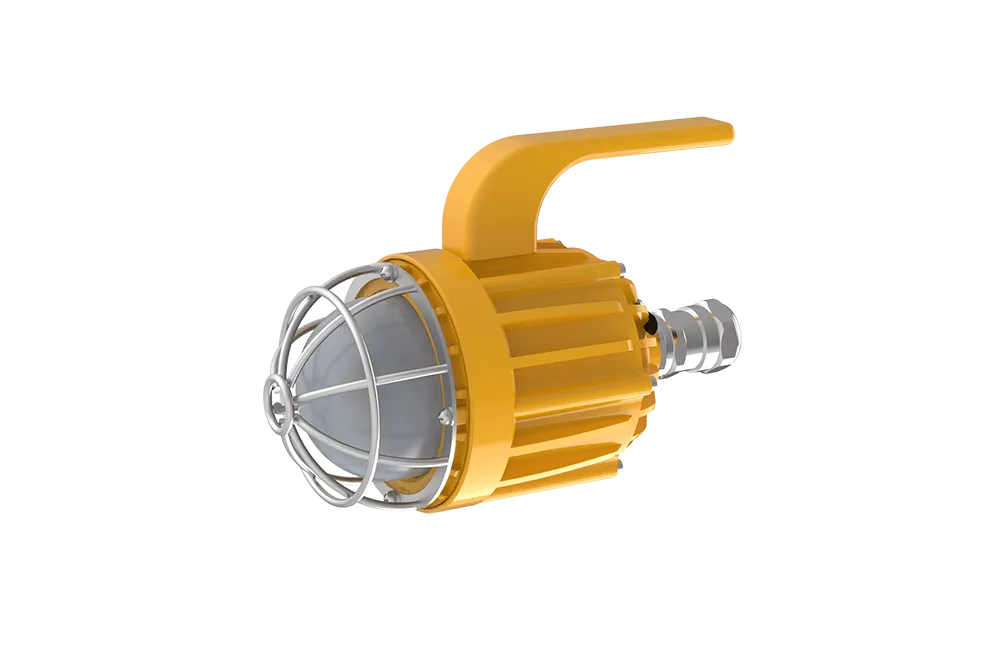
Certified explosion proof work lights for Zone 1 & 21 hazardous areas. Portable, ATEX & IECEx approved, built for oil, gas and chemical plants by SEEKINGLED.
ATEX: II 3G Ex nR ⅡC T6 GcII 3D Ex tc ⅢC T80℃ Dc ATEX Certificate NO: TÜV CY 26 ATEX 0207611 X Feature: ● For Zone 2 and Zone 22● Accepts battery-powered supply● indestructible● Power:AC input:50W,75W,100WDC input:15W,25W,35W Application: O…
ATEX: Ex II 2G Ex db IIB T6 GbEx II 2D Ex tb IIIC T80°C Db IECEx Ex db IIB T6 Gb;Ex tb IIIC T80°C Db Feature: ● For Zone 1,2 and Zone 21,22● Flameproof type, the strongest Application: Oil and gas, marine, Chemical, pharmaceutical, semicondu…
ATEX: Ex II 2G Ex db IIB T6 GbEx II 2D Ex tb IIIC T80°C Db IECEx Ex db IIB T6 Gb;Ex tb IIIC T80°C Db Feature: ● For Zone 1,2 and Zone 21,22● Flameproof type, the strongest Application: Oil and gas, marine, Chemical, pharmaceutical, semicondu…
ATEX: Ex II 2G Ex d e IIB T6 Gb ATEX: Ex d e IIB T6 Gb; Feature: ● For Zone 1,2● 9W can replace 18W fluorescent lamps,50% Energy saving Application: Oil and gas, marine, Chemical, pharmaceutical, semiconductor,mining,military industry, pain…
loading…
This is the last post!

Auto flood lights improve security and save energy. Discover real installation insights, performance data, and how to choose reliable outdoor lighting.
View details
Why is my LED flood light not working? Learn common causes like driver failure, wiring issues or voltage problems, and how SEEKINGLED flood lights prevent them.
View details
Explosion proof LED work lights provide safe, portable illumination in hazardous areas. Discover certified solutions, real use cases, and selection tips.
View details
Explosion proof temporary lighting for hazardous zones. Learn how certified portable systems ensure safe shutdowns, maintenance, and emergency operations.
View details