Seeking LED
LED Light FAQ
Practical LED lighting information covering performance, efficiency, lifespan, and everyday application questions.
Common Questions About LED Lighting
LED stands for Light Emitting Diode. Unlike traditional lamps, an LED produces light electronically, not by heating a filament. This is why LED lights use less power and last longer.
Yes. LED lights typically use 50–70% less energy than fluorescent or metal-halide lamps while delivering the same brightness. That efficiency is why LEDs are now standard in industrial and outdoor lighting.
Most quality LED lights are rated between 50,000 and 100,000 hours, depending on heat control and driver quality. In real projects, this often means many years of daily use with minimal maintenance.
Watts show how much power a light consumes. Lumens describe how bright it is. With LED lighting, lumens matter more than watts when comparing brightness.
Yes. LED lights are widely used outdoors because they switch on instantly, handle temperature changes well, and can be sealed to IP65 or IP66 levels for rain and dust protection.
When properly designed and installed, LED lighting is considered safe. Good optics, controlled glare, and stable drivers help ensure comfortable lighting for roads, factories, and public spaces.
Flicker usually comes from low-quality drivers or unstable power supply. Professional LED fixtures use regulated drivers to keep light output steady during long operating hours.
In most cases, yes. LED fixtures are often selected to match or exceed the lumen output of older lamps while cutting energy use and reducing maintenance frequency.
LED lights require very little routine maintenance. There are no filaments to replace, and sealed housings keep dust and moisture away from critical components.
Start with the application: ceiling height, area size, and operating hours. From there, choose the proper lumen output, beam angle, and protection rating to match real conditions.
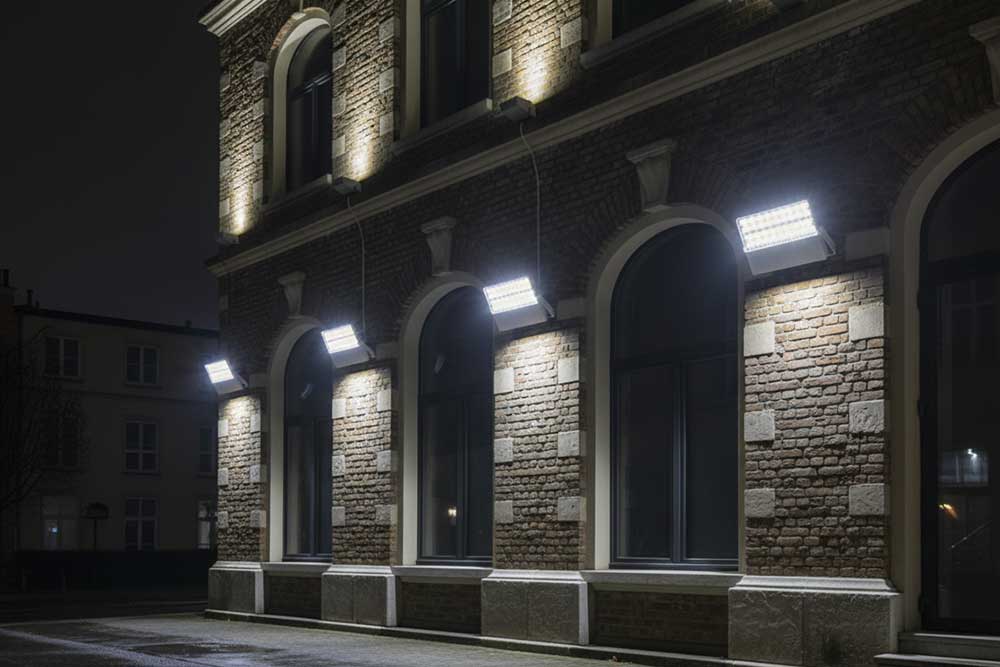
Are LED Flood Lights as Bright as Halogen?
Are LED flood lights as bright as halogen? Compare lumen output, beam performance, and real-world brightness to see how modern LED flood lights replace halogen lighting.
View details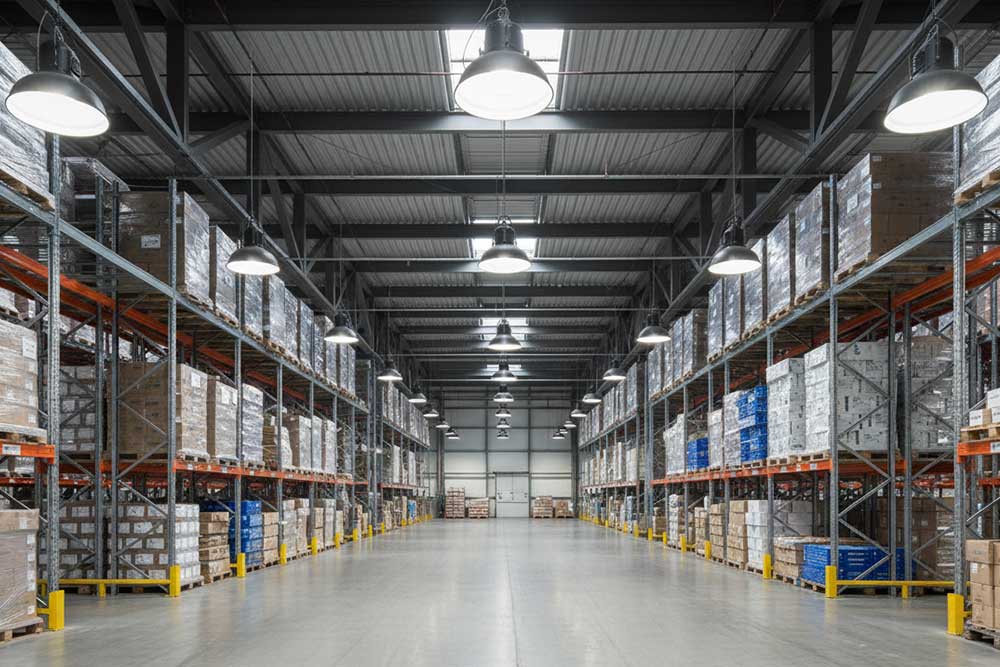
How Many High Bay LED Lights Do I Need?
How many high bay LED lights do I need? This guide explains how fixture quantity is usually estimated based on warehouse size, ceiling height, lumen output, and actual working conditions.
View details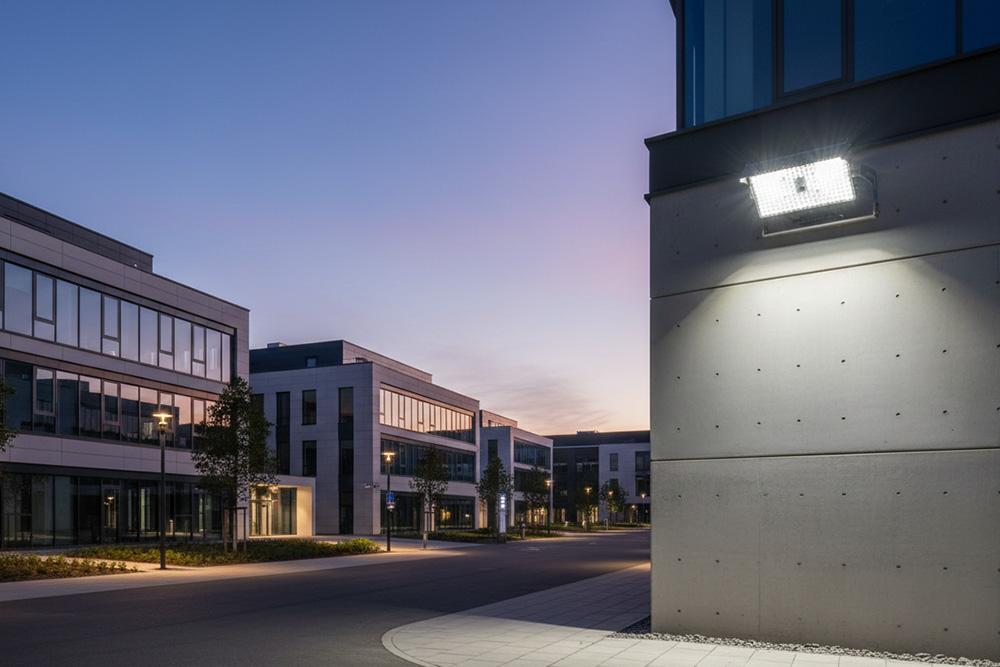
Do LED Lights Get Hot?
Do LED lights get hot? Learn how much heat LED lights produce, where the heat goes, and whether LED lights are safe to touch in home and commercial lighting applications.
View details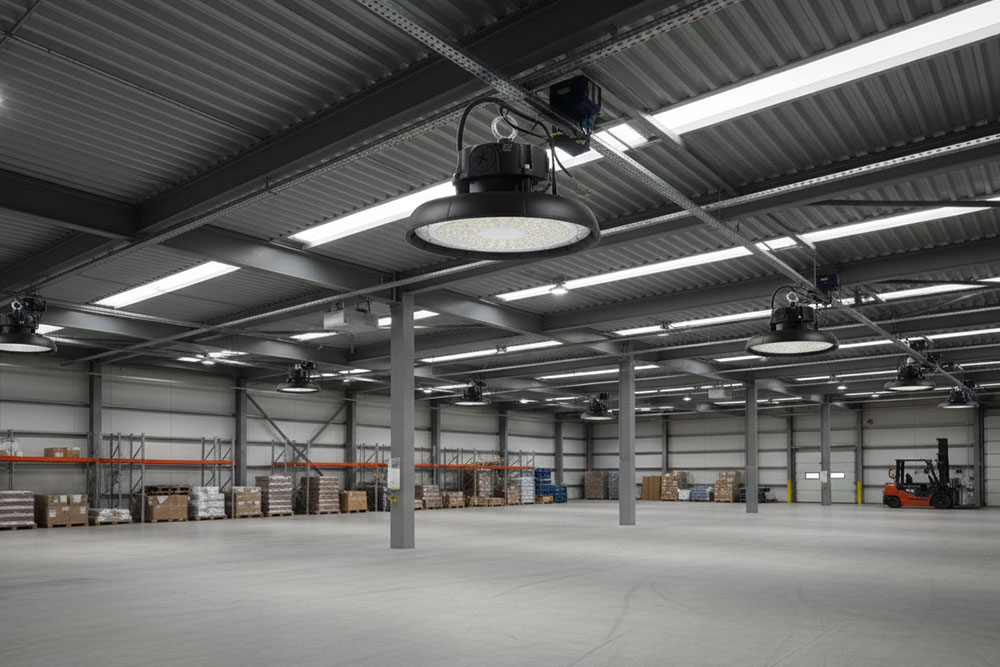
How Many LED High Bay Lights Do I Need
How many LED high bay lights do I need for my space? This page explains how LED high bay quantity is usually estimated based on ceiling height, area size, lumen output, and real working conditions.
View details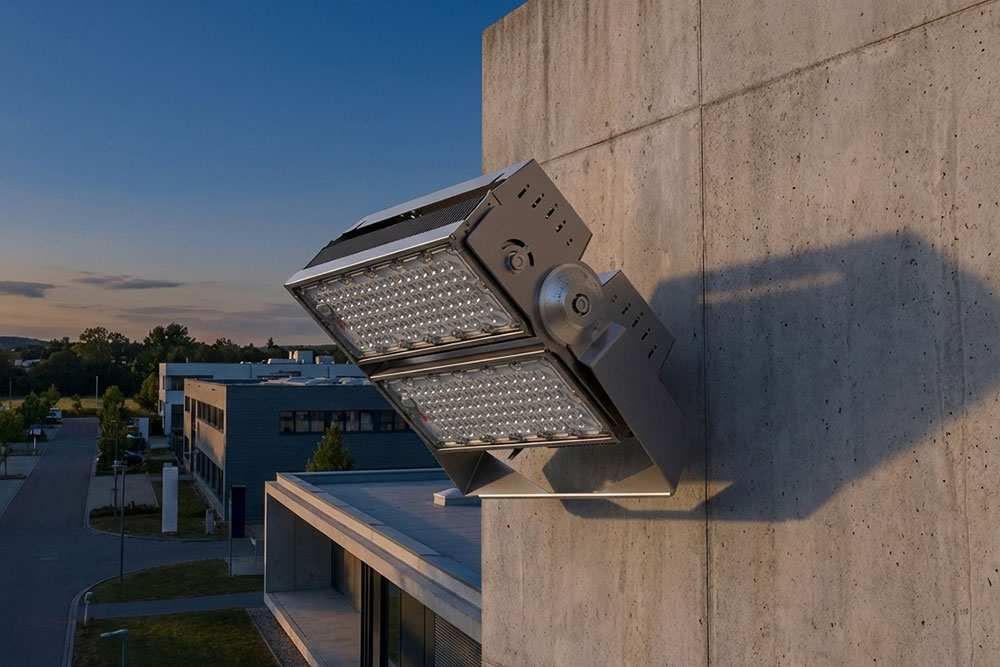
How Long Do LED Lights Last?
How long do LED lights last? Learn the real lifespan of LED lighting, what affects longevity, and how long LED bulbs last compared to traditional lights in commercial and residential use.
View detailsToday's Picks
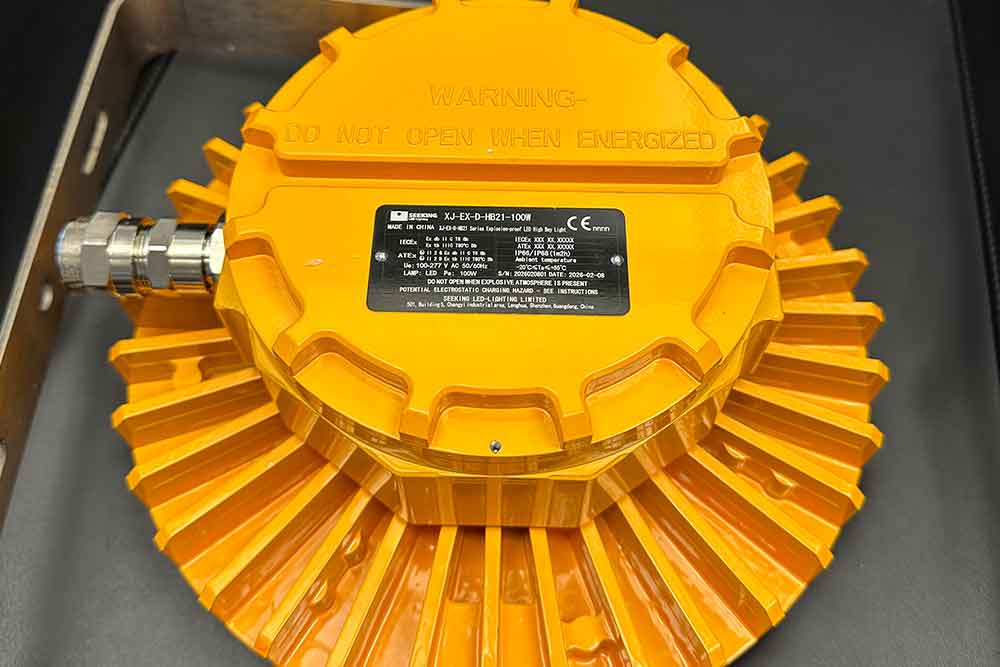
Explosion-Proof led High Bay lights engineered for hazardous areas. ATEX & IECEx certified SEEKINGLED fixtures deliver up to 150 lm/W for oil, gas, mining and heavy industry.
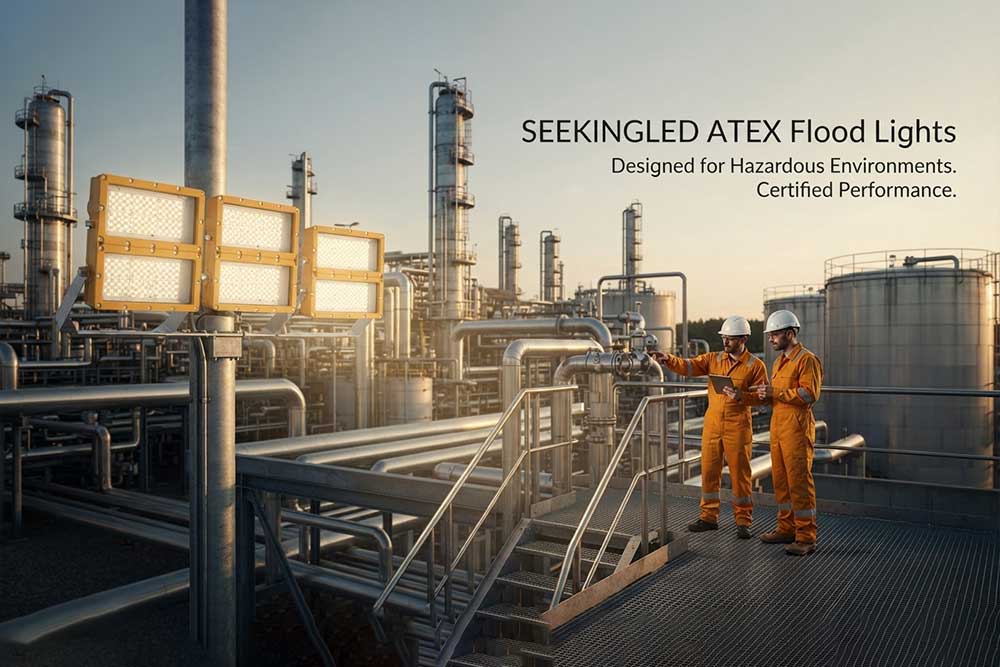
Discover reliable atex flood lights for hazardous environments. Learn ATEX certification, industrial applications, LED advantages, and selection guidance from SEEKINGLED.
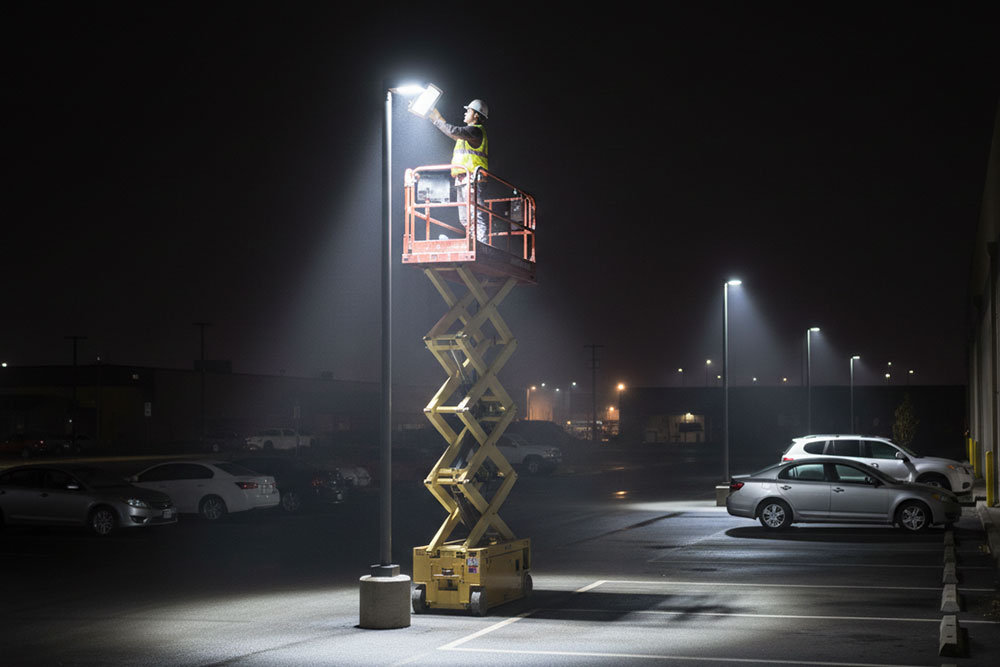
Learn how to replace LED flood light safely and correctly. Practical steps, common mistakes, and real‑world tips from outdoor lighting projects by SEEKINGLED.
sEARCH POST
Popular product
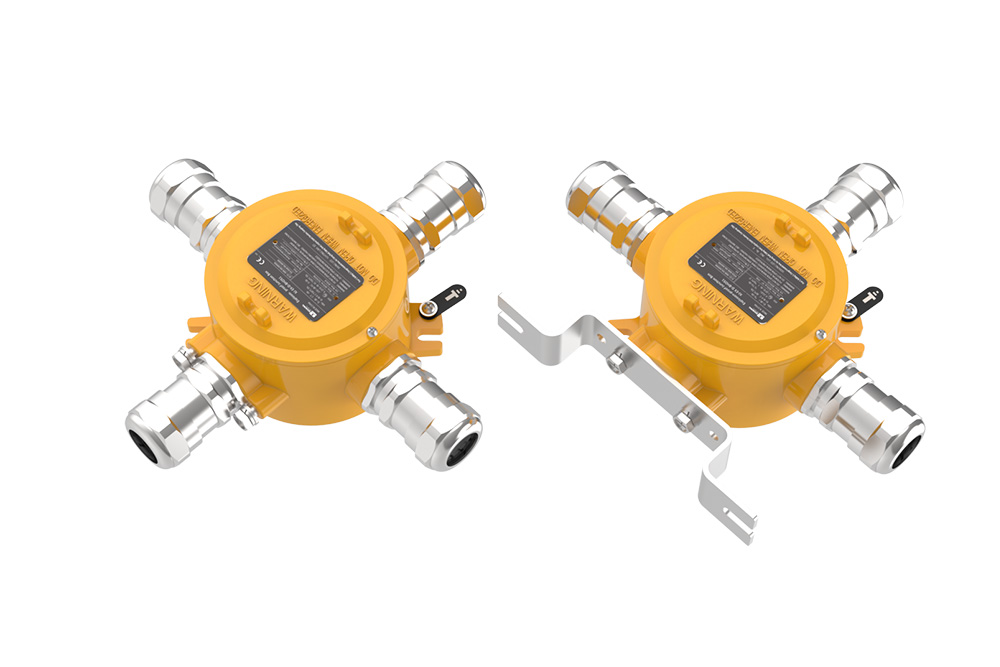
Explosion-proof Junction Box for safe wiring in Zone 1 areas. Fast, tool-free installation, ATEX & IECEx certified. Trusted performance from SEEKINGLED.
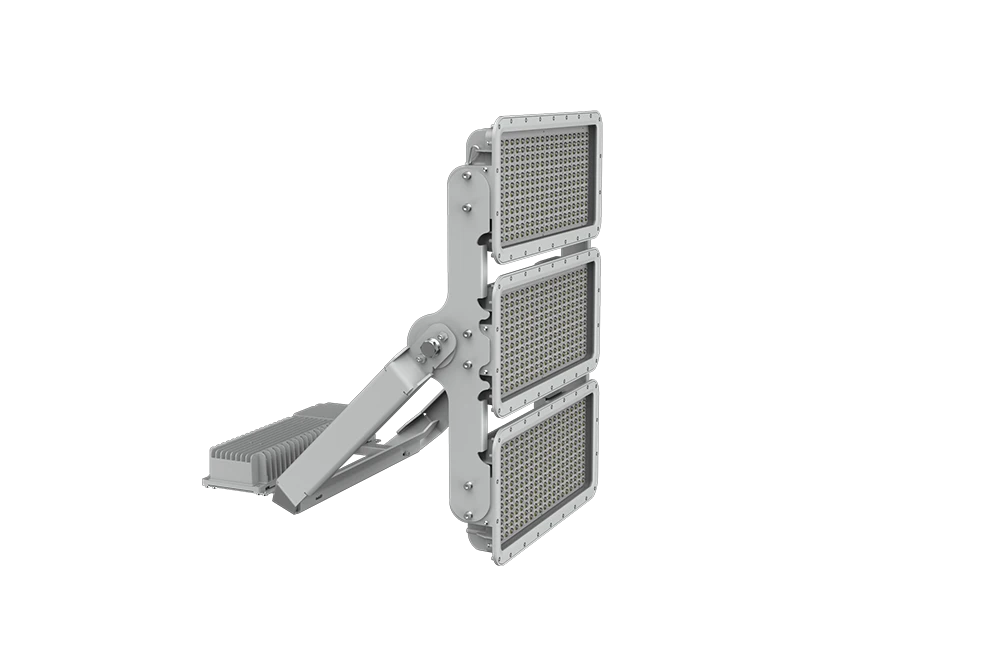
Sports Stadium LED Lighting by SEEKINGLED delivers high mast illumination, precise beam control, and EN 12193 compliant performance for professional venues.
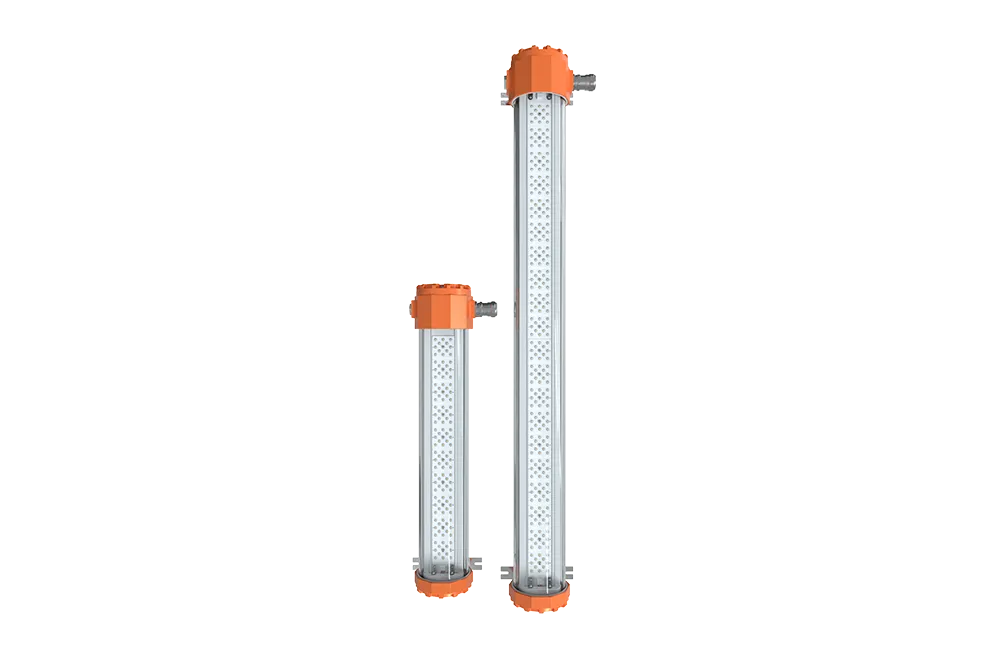
SEEKINGLED LED Linear Explosion Proof Light and Explosion Proof lighting is ATEX and IECEx certified for Zone 1, Zone 2, Zone 21 and Zone 22 hazardous locations, built for long-term industrial use.
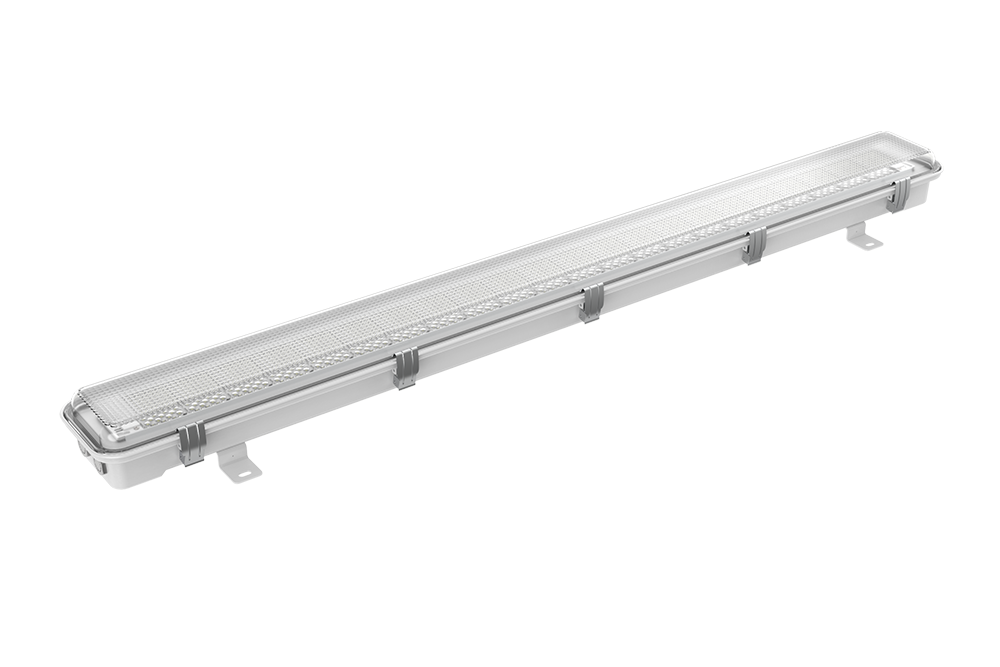
LED Linear Explosion Proof Lights and EX Proof lights for Zone 1, Zone 2, Zone 21 and Zone 22 hazardous areas. ATEX & IECEx certified explosion proof LED linear lighting with emergency function, adjustable power and IP67 protection by SEEKINGLED.
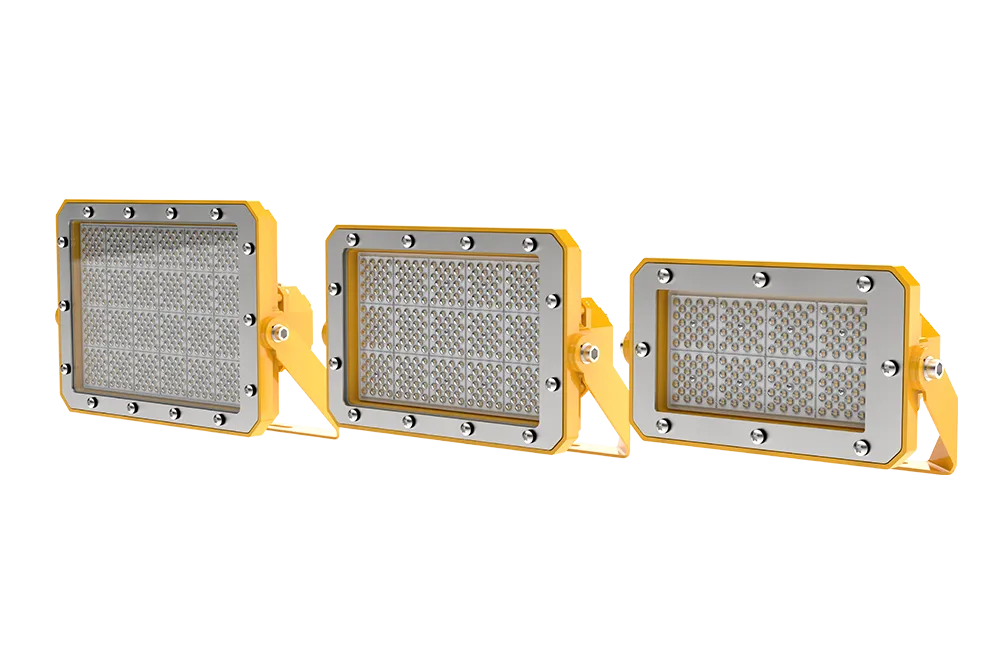
SEEKINGLED LED Explosion Proof Flood Lights are ATEX certified for Zone 2 and Zone 22 hazardous areas, offering high efficiency, adjustable power and integrated junction box.
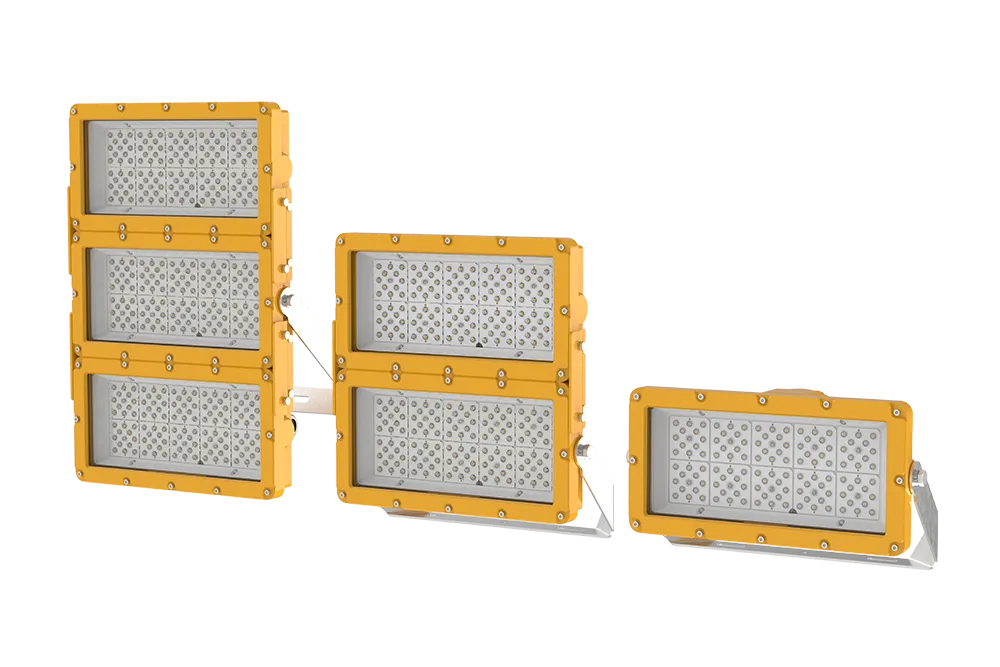
SEEKINGLED LED Explosion Proof Flood Lights are flameproof ATEX and IECEx certified for Zone 1 and Zone 2 hazardous areas, offering high power, adjustable output and long service life.
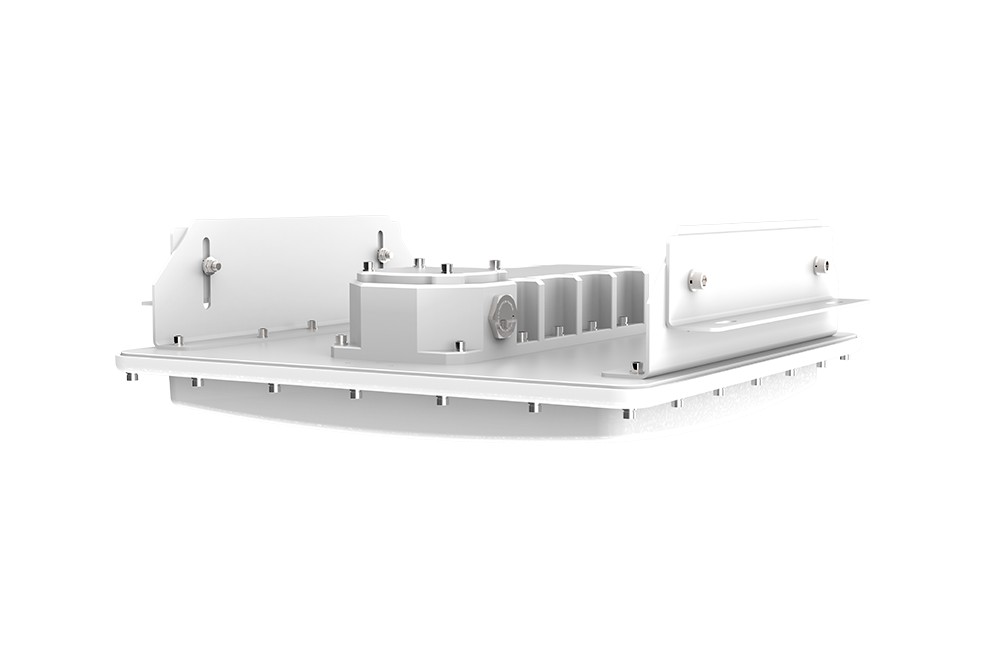
SEEKINGLED LED Gas Station Canopy Lights are ATEX certified for Zone 2 and Zone 22 hazardous areas, featuring adjustable power and built-in explosion-proof junction box.
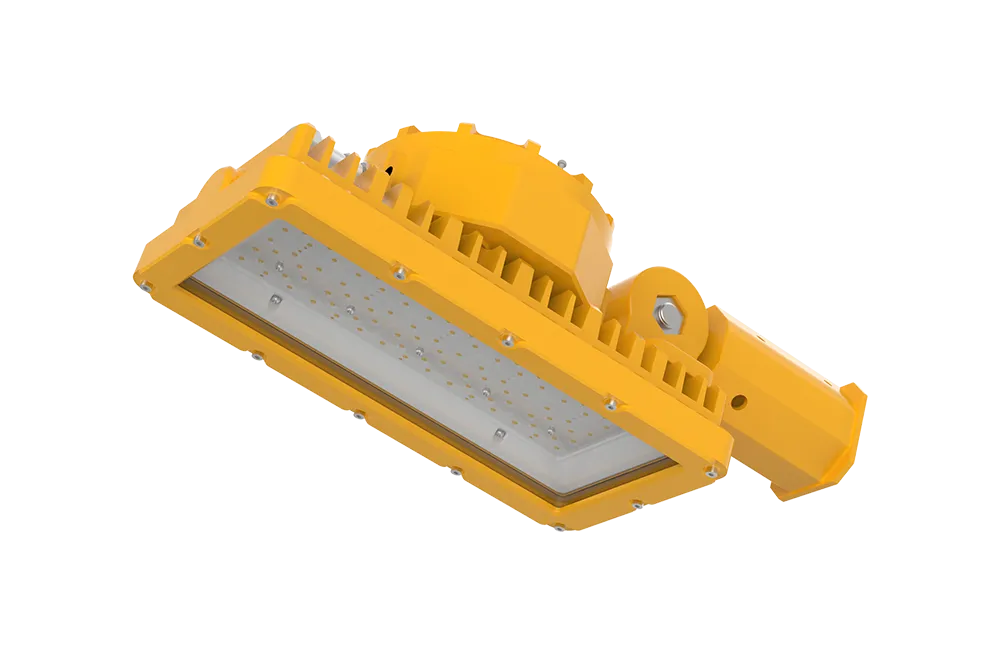
ATEX: Ex II 2G Ex db IIB T6/T5 GbEx II 2D Ex tb IIIC T80°C/ T95°C Db IECEx Ex db IIB T6 Gb;Ex tb IIIC T80°C Db Feature: ● For Zone 1,2 and Zone 21,22● Flameproof type, the strongest● 100W can replace 250W HID,energy saving● Power:60W,80W,100W Application: Oil and gas, marine, Chemical, pharmaceutical, semiconductor,mining,military industr...

CONTACT US
E-mail: sales01@seekingled.com
7 * 24-hour free support hotline