Seeking LED
Company Blog
High quality high performance excellent service
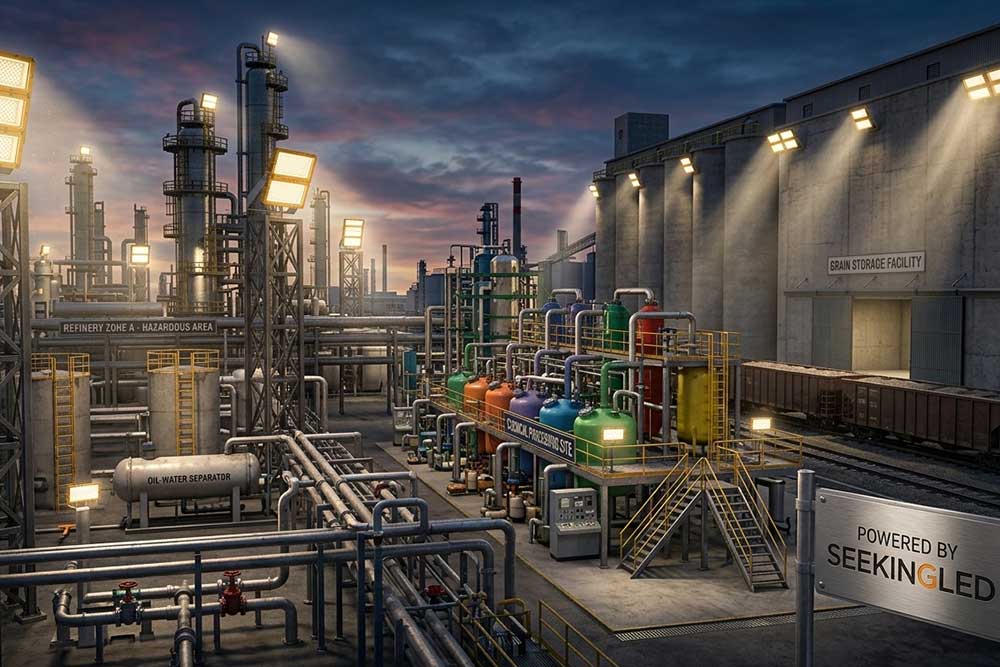
Hazardous Area Lighting: What Works in Real Industrial Environments
Hazardous area lighting ensures safe illumination in explosive environments. Learn standards, real-world insights, and expert selection tips from SEEKINGLED.
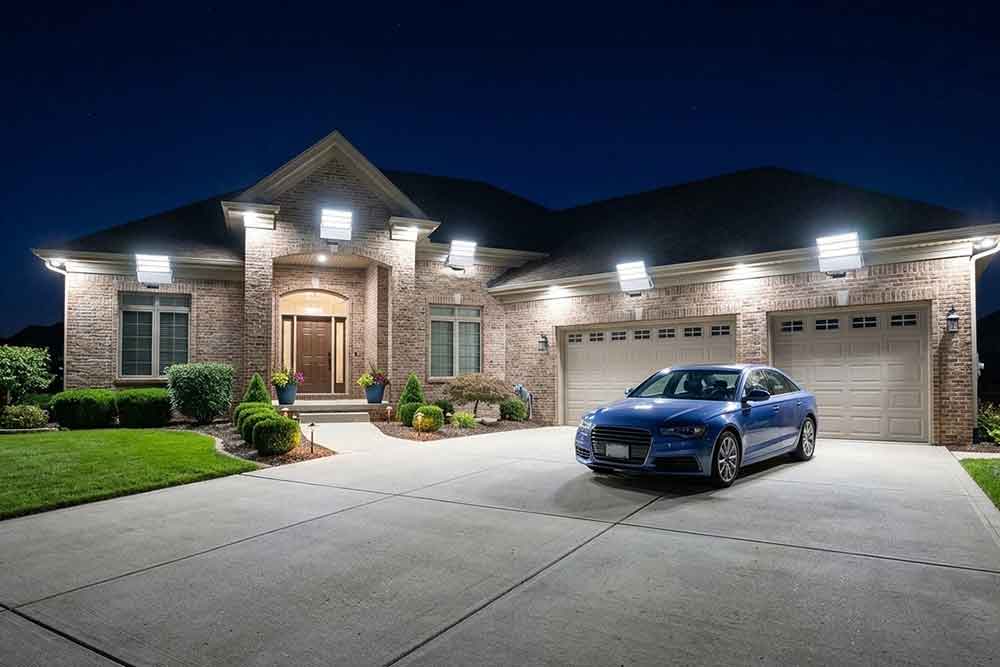
Outdoor Flood Light Bulbs LED (What Actually Works Outside)
Outdoor flood light bulbs LED deliver powerful, energy-saving illumination for yards and buildings. Learn real installation tips, durability factors, and expert insights with SEEKINGLED.
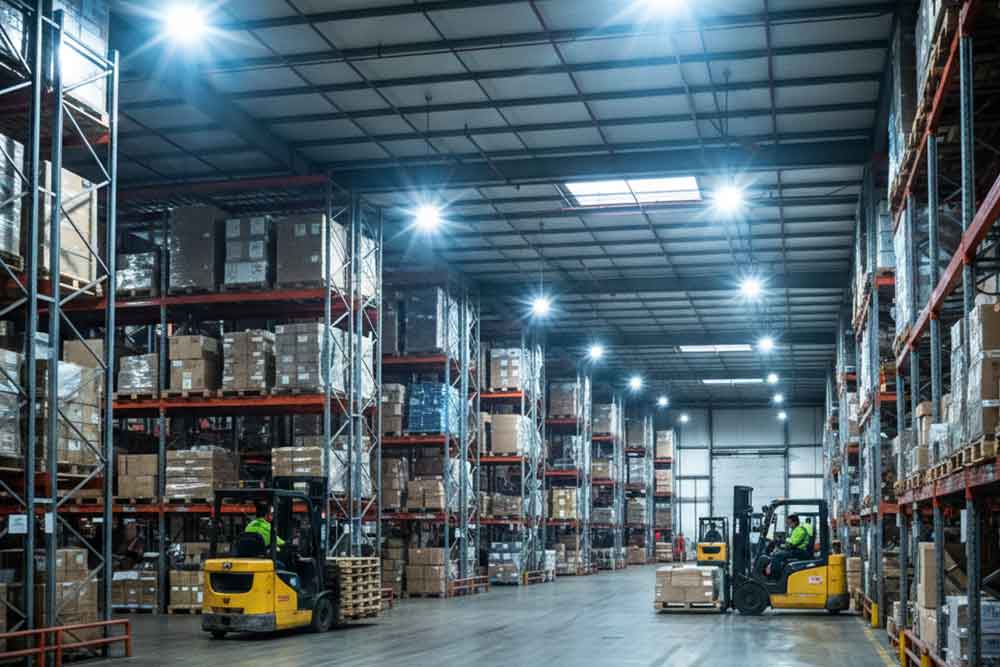
LED High Bay Glare vs Beam Angle Explained: What Actually Causes the Problem?
LED high bay glare vs beam angle explained with real warehouse examples. Learn why glare happens, how optics affect comfort, and what actually works.
Popular Project
Unfortunately, the information you searched was not found
What is the warranty period for explosion-proof lights?
Most compliant explosion-proof luminaires typically offer a warranty of 3-5 years.All SEEKINGLED explosion-proof lights come with a 5-year warranty, while emergency batteries are covered for 2 years.From the 5th to the 7th year, paid spare parts replacement service is available.
How to Select Explosion-Proof Lights for High and Low Temperature Environments
1.Key Temperature Parameters Common ambient ranges: -20°C to +40°C or -30°C to +55°C. High-end: -40°C to +55°C.T-Class (max surface temperature):T1 ≤450°C | T2 ≤300°C | T3 ≤200°C | T4 ≤135°C | T5 ≤100°C | T6 ≤85°C (strictest) 2.High-Temperature Challenges (>+40°C, especially >+55°C) Countermeasures: 3.Low-Temperature Challenges (<-20°C, espec...
What are the external materials of explosion-proof lights?
1.Main housing material: 2.Light-transmitting surface material: 3.Mounting bracket: 4.Screws:
What are the installation methods for explosion-proof lights?
In hazardous locations such as petroleum, chemical plants, coal mines and pharmaceutical facilities, the installation method of explosion-proof lights directly affects lighting performance, operational safety and later maintenance. Different sites require matching mounting solutions. The most common methods are pendant, bracket, portable and rec...
How can smart dimming be achieved for explosion-proof lights?
In hazardous areas such as oil & gas, chemical plants, coal mines and pharmaceuticals, safety always comes first. Extra functions are added according to project needs. Here is a clear answer. Dimming is not currently mainstream. Most standard explosion-proof lights use fixed power output.However, SEEKINGLED offers DALI dimming on selected mo...
What Is the Price Range of Explosion-Proof Lights Why Are They Expensive
In hazardous areas such as oil & gas, chemical plants, coal mines and pharmaceuticals, explosion-proof lights are critical safety equipment. Many people find the prices high at first glance. Here is a clear look at current market ranges and the real reasons behind the cost. Certified explosion-proof LED lights start at a higher level than or...
What Are the Typical Power, Lumens and Efficacy of Explosion-Proof Lights? Is Over 150 lm/W Common?
In hazardous areas (oil & gas, chemical, mining, pharma, warehouses), explosion-proof lights ensure safety and lighting. Key factors: power (W), lumens (lm), and efficacy (lm/W). Modern units use LED. Power depends on height, area, and illuminance (50–200 lx). Quick guide:2.5–4 m → 20–40 W | 3–6 m → 40–80 W | 6–10 m → 80–150 W | 8–12 m+ → 15...
How to Select Explosion-Proof Lights by Site Environment (Power, Illuminance, Height)
Match hazard level, height and work needs. Quick recommendations by scenario: Height doubles → illuminance drops to ~1/4Prefer ≥140 lm/W LEDAdd 20% maintenance factorMatch Zone + ATEX/IECEx certification SEEKINGLED is a professional manufacturer of explosion-proof lighting with extensive lighting design experience. If you encounter any difficult...
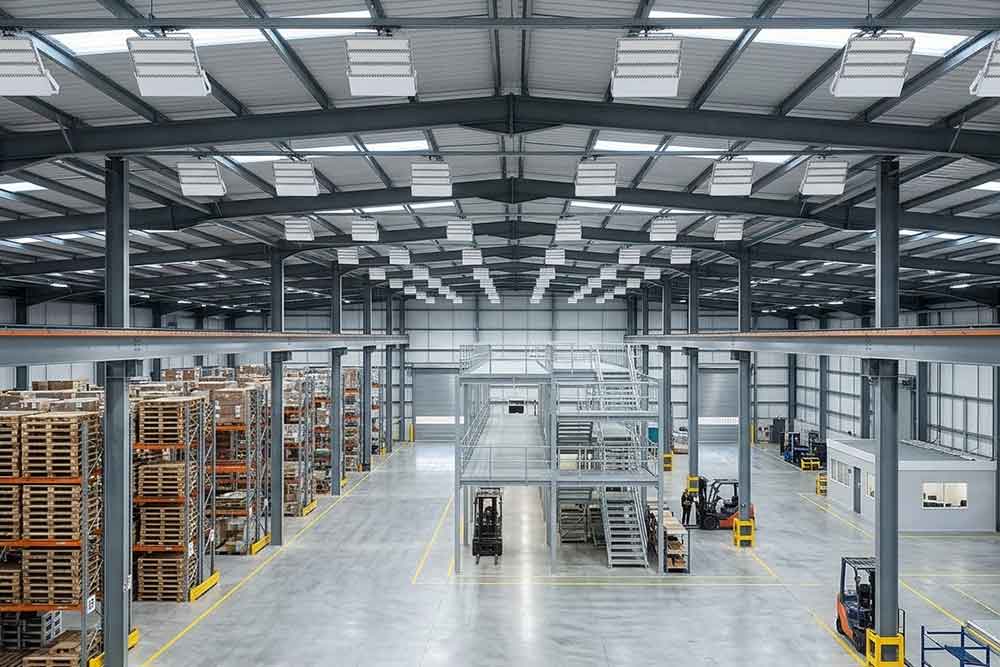
LED Interior Flood Lights: What Changes When You Actually Install Them Indoors
LED interior flood lights deliver efficient, uniform indoor lighting. Explore real-world insights, energy data, and expert tips for reliable performance.
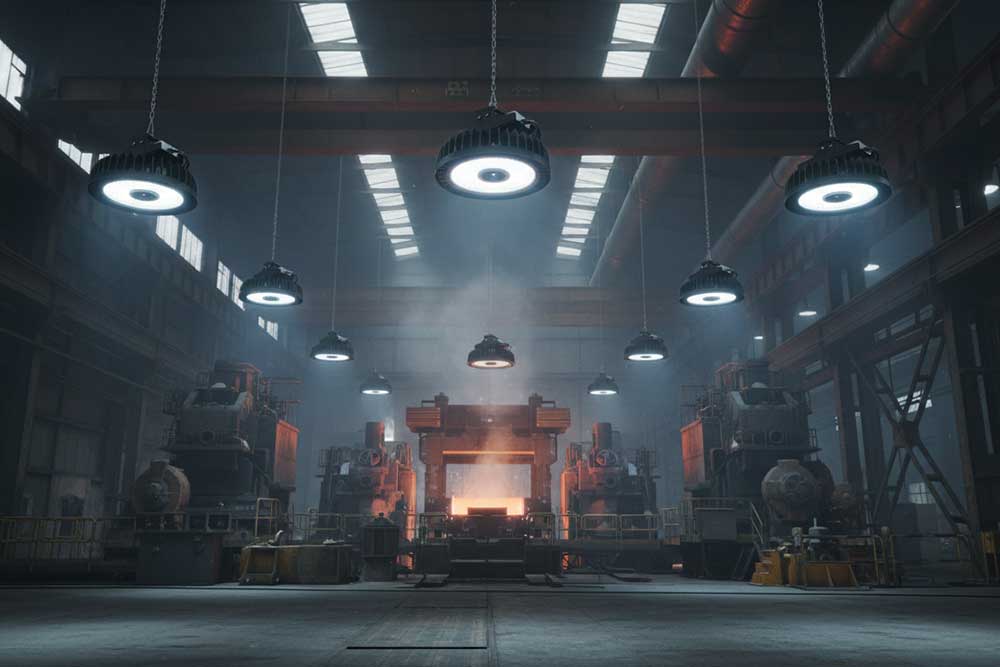
High Bay LED Light Fixtures That Don’t Quit When the Environment Gets Tough
High bay LED light fixtures designed for harsh industrial environments. SEEKING HBK Ultua Series supports stable lighting from -40°C to +70°C for heavy industry and high-temperature plants.
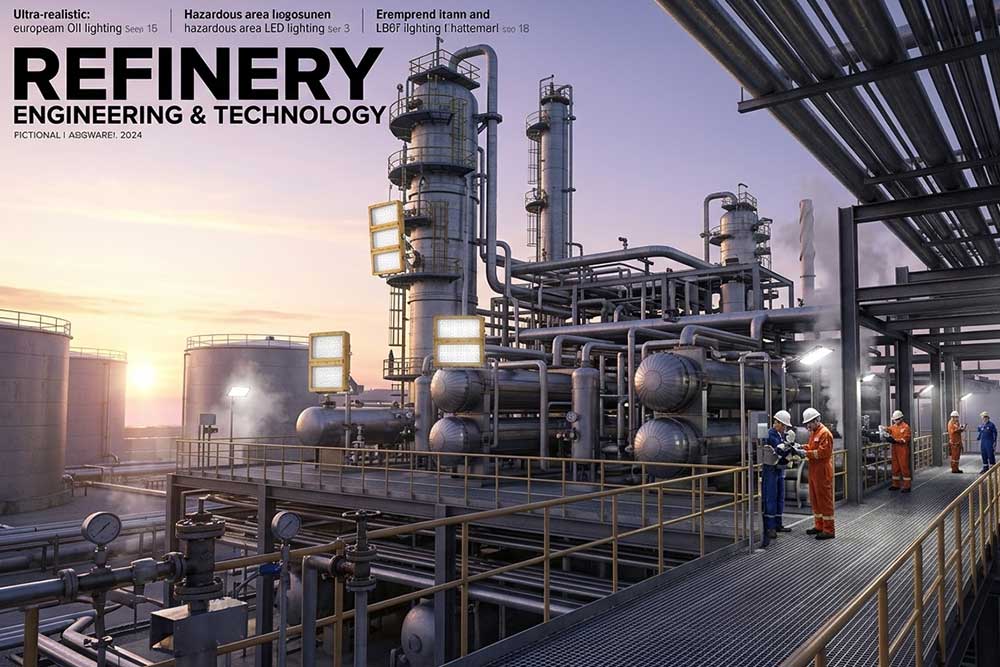
Hazardous Area LED Lighting: Complete Industrial Safety Guide
Discover hazardous area led lighting for Zone 1 and Zone 2 applications. Learn certifications, Ex ratings, LED benefits, and industrial safety requirements.
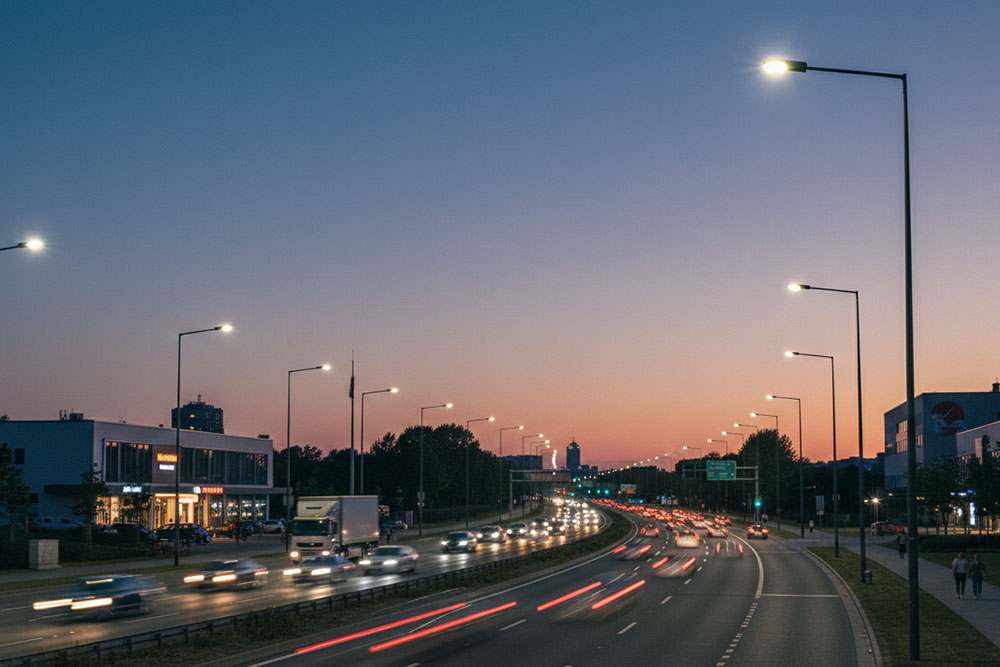
LED for Street Lighting: What Actually Works After Years on the Road
LED for street lighting designed for long-term outdoor use, delivering reliable performance, controlled optics, and proven energy savings by SEEKINGLED.
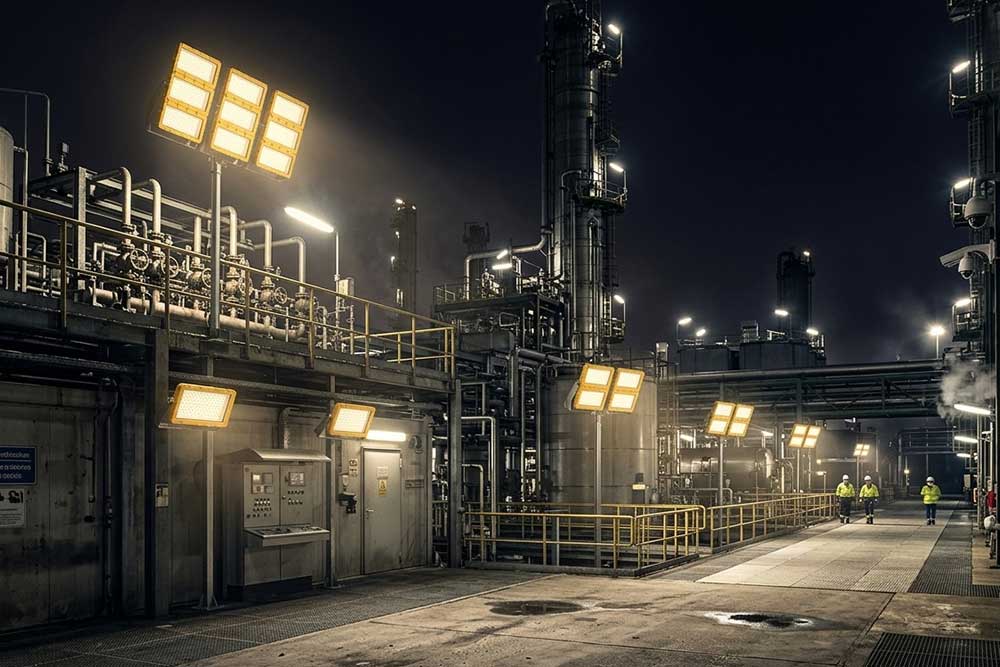
ATEX Flood Light: How to Choose the Right Hazardous Area Lighting
ATEX flood light for hazardous zones. Learn certifications, lumen output, installation tips, and how to choose a reliable explosion-proof LED solution.
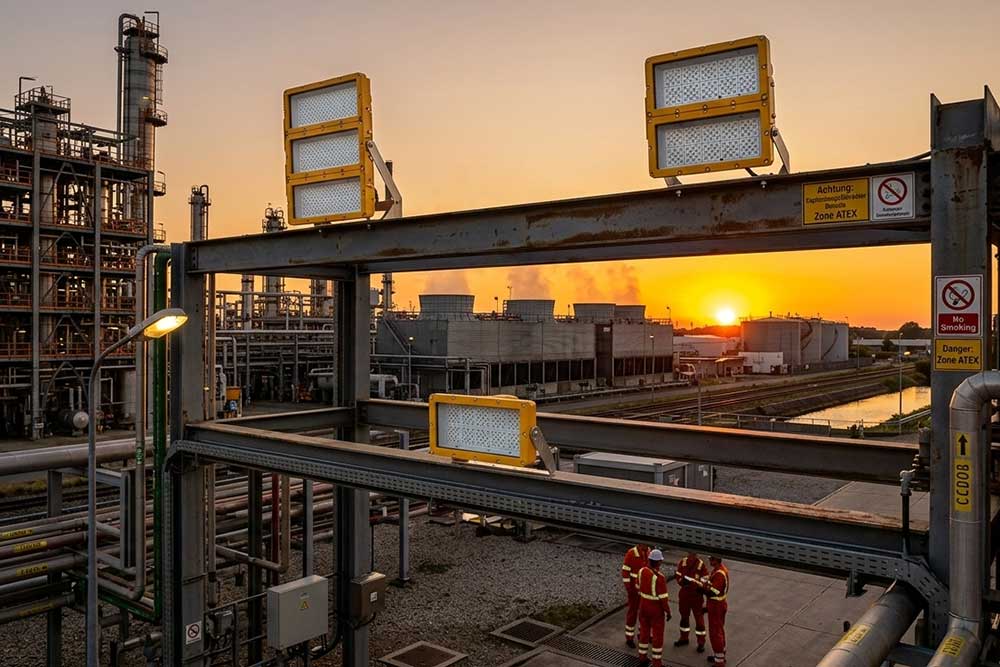
ex proof lamp for Hazardous Areas – Engineered for Real-World Risk
ex proof lamp by SEEKINGLED delivers ATEX & IECEx certified flameproof protection for Zone 1 & 21 hazardous areas with high efficiency and 100,000h life.
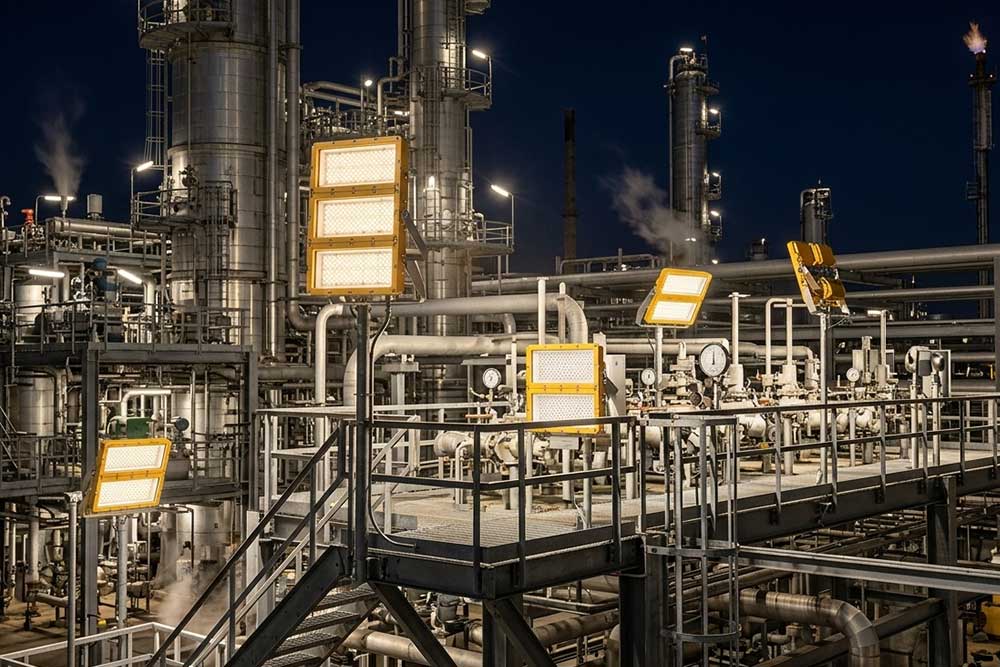
Class 1 Div 1 Lighting for the Most Hazardous Industrial Environments
Class 1 Div 1 lighting is engineered for locations with continuous or frequent explosive gas hazards. Learn certifications, applications, and selection tips from hazardous-area lighting experts.
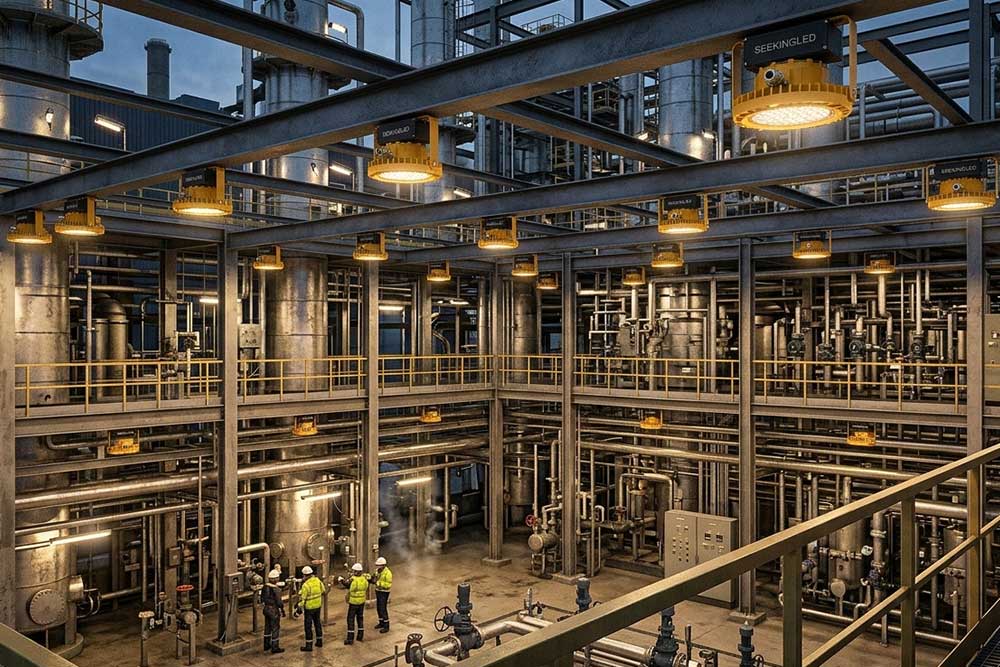
High Bay Explosion Proof LED Light for Hazardous Industrial Areas
High bay explosion proof LED light for hazardous areas. Reliable, energy-efficient lighting for oil, gas, and industrial sites. Trusted by SEEKINGLED.
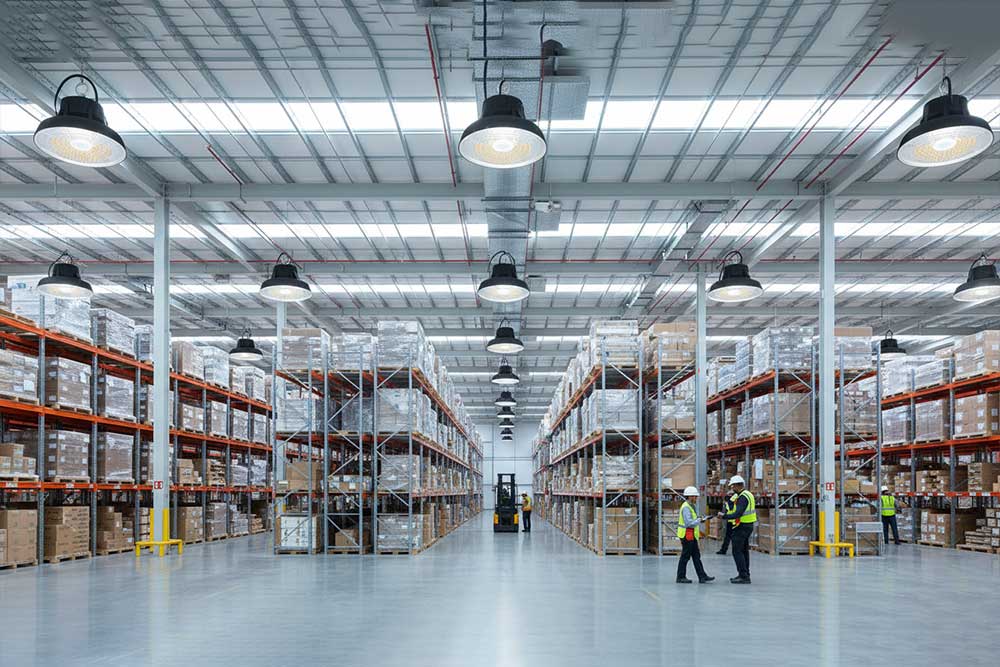
How High to Mount High Bay LED Lights?
How high to mount high bay LED lights for proper coverage and efficiency? This guide explains mounting height ranges, spacing logic, and real-world installation tips from SEEKINGLED projects.
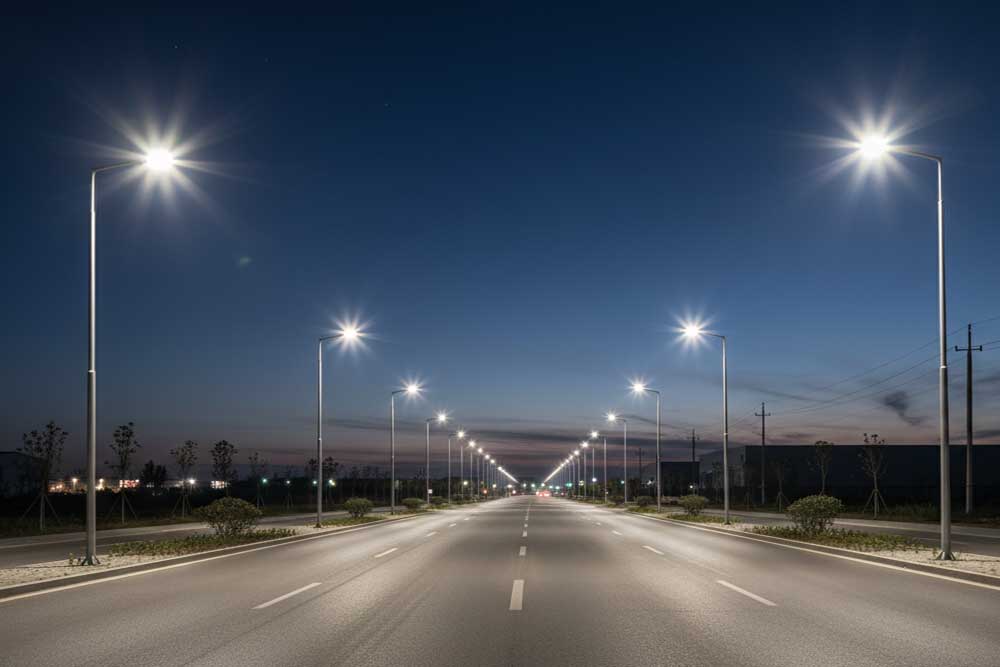
150W LED Street Light – Practical Questions from Real Projects
150W LED street light explained from real road projects. When to use it, when not to, and how SEEKINGLED balances output, spacing and cost.
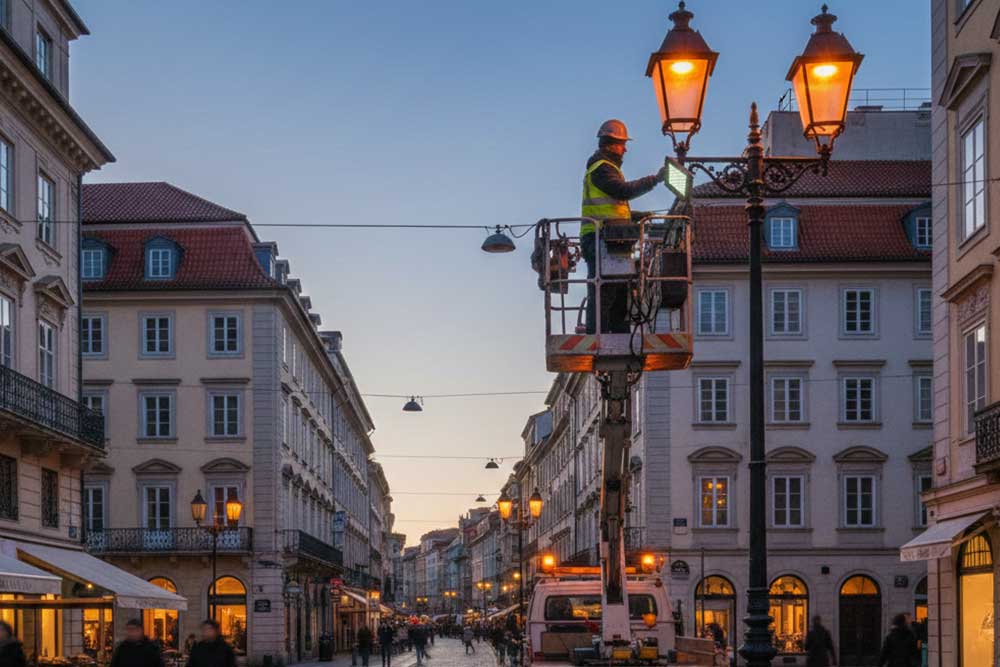
Can I Convert a Street Light to LED?
Can I convert a street light to LED? A practical explanation of when conversion works, when it doesn’t, costs involved, and real-world considerations.
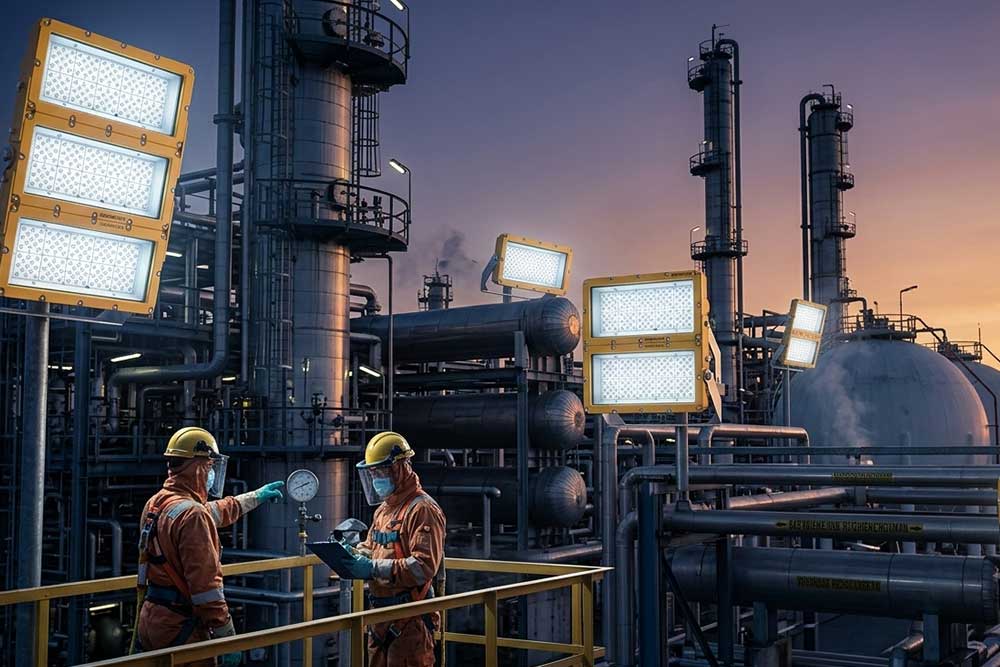
How to Select the Right Hazardous Area – Zone 1 & 2 ATEX Lighting?
How to Select the Right Hazardous Area – Zone 1 & 2 ATEX Lighting? Learn ATEX zone classification, gas groups, temperature classes, and expert selection tips for safer industrial lighting.
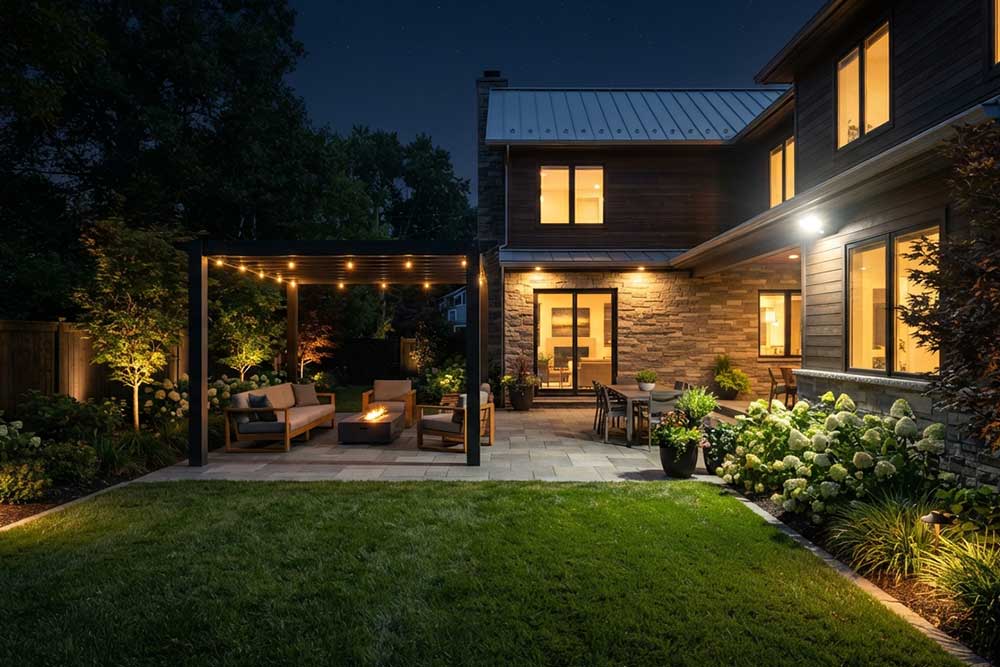
how many lumens for backyard flood light?
Learn how many lumens for backyard flood light applications, with practical ranges for patios, yards and security lighting plus guidance on height, beam angle and CCT.
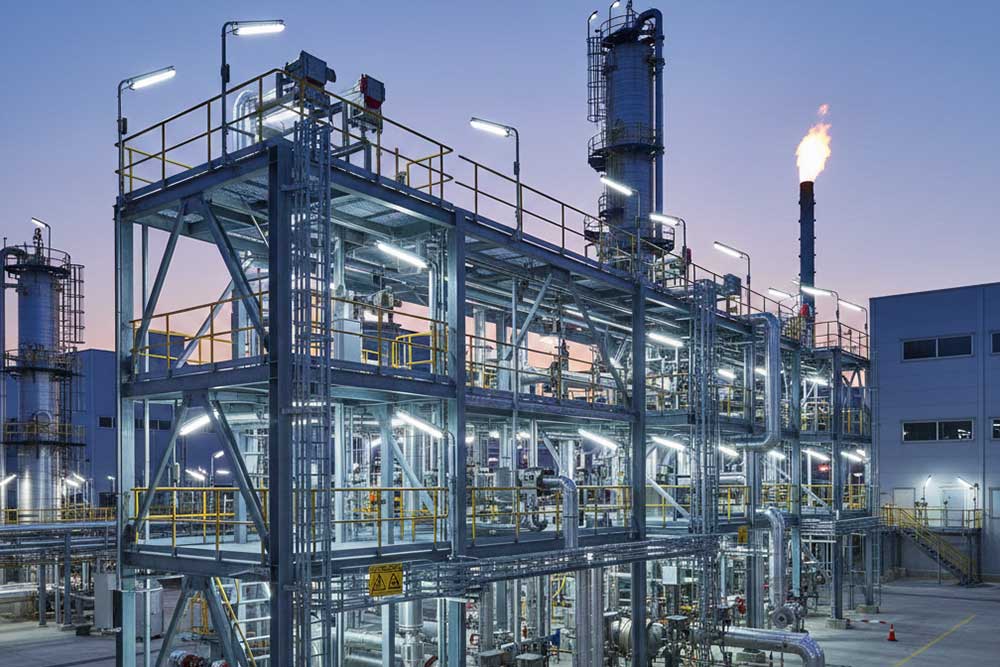
How to Make Explosion Proof Light?
How to make explosion proof light safely for hazardous areas? This guide explains enclosure design, ATEX compliance, materials, testing, and real engineering practices used by SEEKINGLED explosion proof lighting.
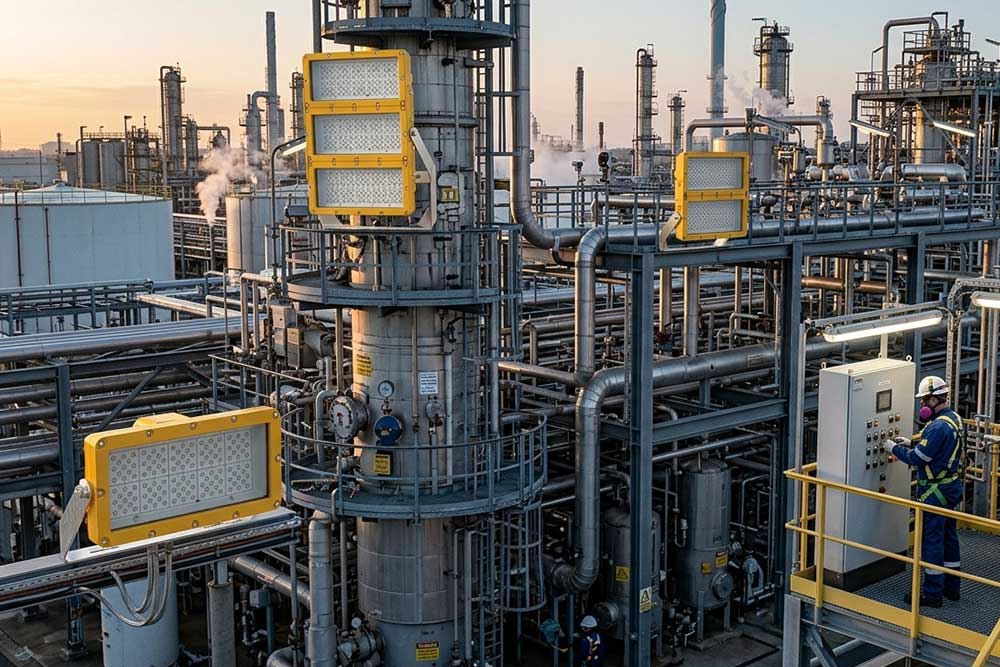
What Makes ATEX LED Lighting Different?
What Makes ATEX LED Lighting Different? Learn how ATEX-certified LED fixtures prevent ignition, meet hazardous area regulations, and outperform standard industrial lighting in explosive environments.
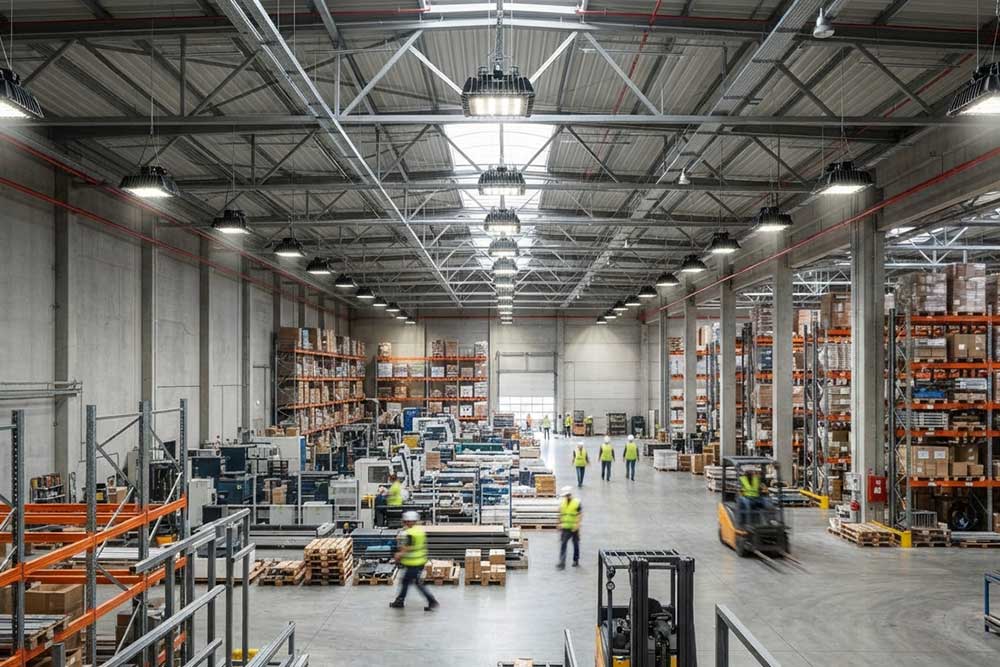
do high bay lights get hot?
Do high bay lights get hot? Learn why LED high bays produce heat, how hot they can become, and how heat sinks, drivers, airflow, and design affect fixture life.
Today's Picks
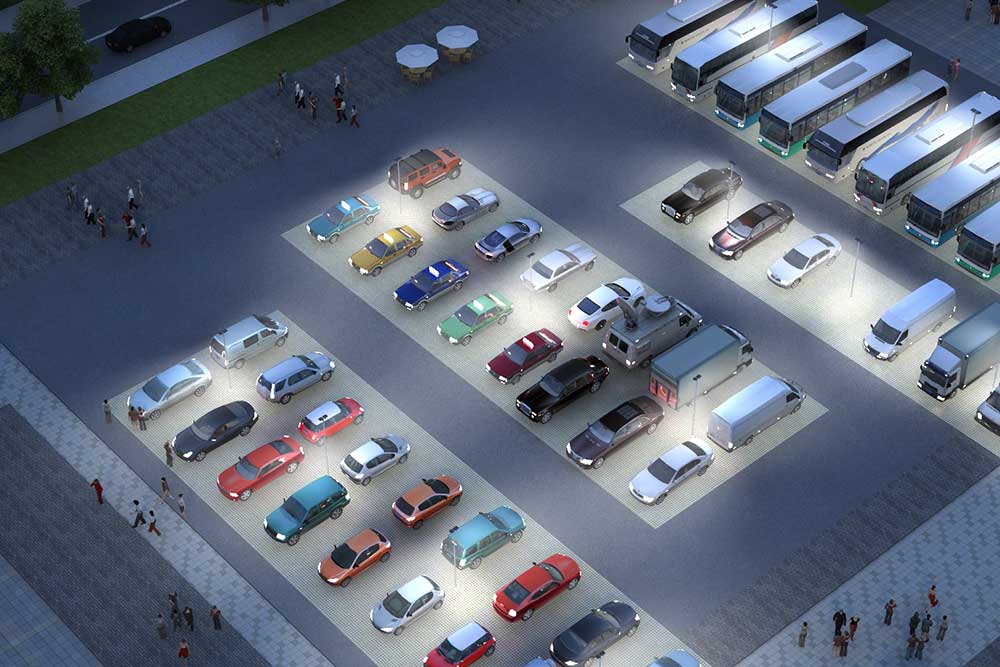
Outdoor Parking Lot LED Lighting Solutions for Safer and More Efficient Sites
Outdoor parking lot LED lighting solutions improve safety, visibility and energy efficiency. Learn how SEEKINGLED applies LED flood lights, street lights and tri-proof lamps in real parking projects.
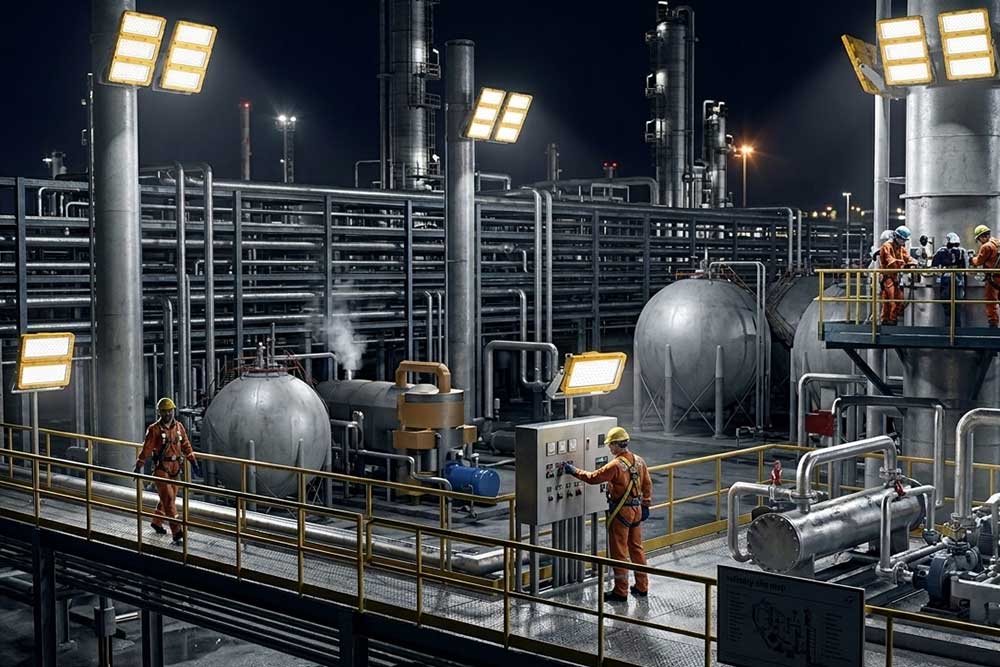
What is a Zone 1 LED Floodlight?
What is a Zone 1 LED floodlight? Learn how certified hazardous area floodlights safely illuminate explosive gas environments in refineries, chemical plants, and offshore facilities.
How to Select Explosion-Proof Lights for High and Low Temperature Environments
1.Key Temperature Parameters Common ambient ranges: -20°C to +40°C or -30°C to +55°C. High-end: -40°C to +55°C.T-Class (max surface temperature):T1 ≤450°C | T2 ≤300°C | T3 ≤200°C | T4 ≤135°C | T5 ≤100°C | T6 ≤85°C (strictest) 2.High-Temperature Challenges (>+40°C, especially >+55°C) Countermeasures: 3.Low-Temperature Challenges (<-20°C, espec...
sEARCH POST
Popular product
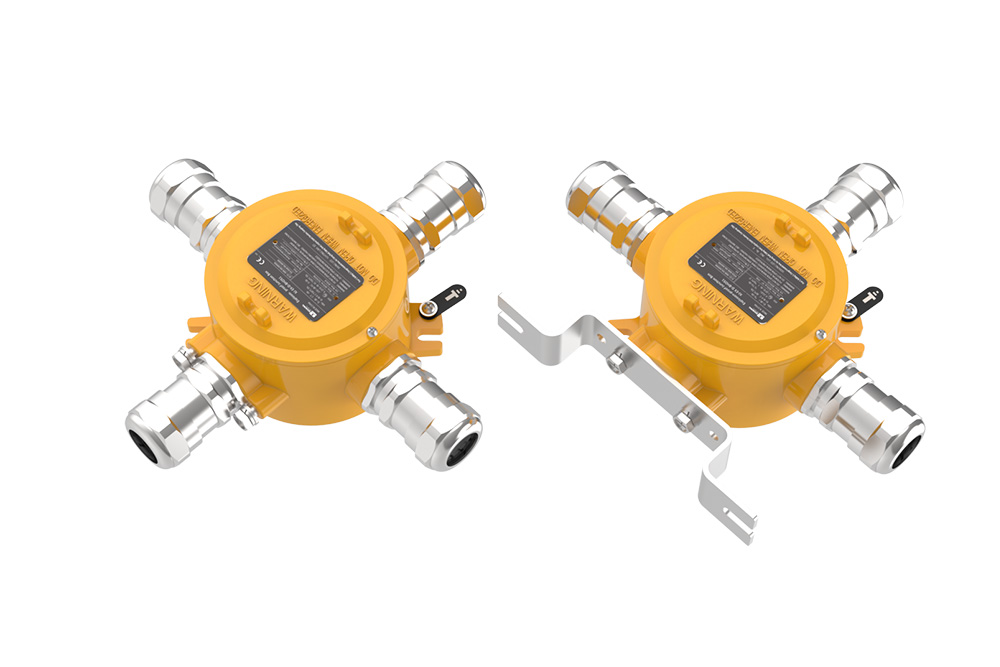
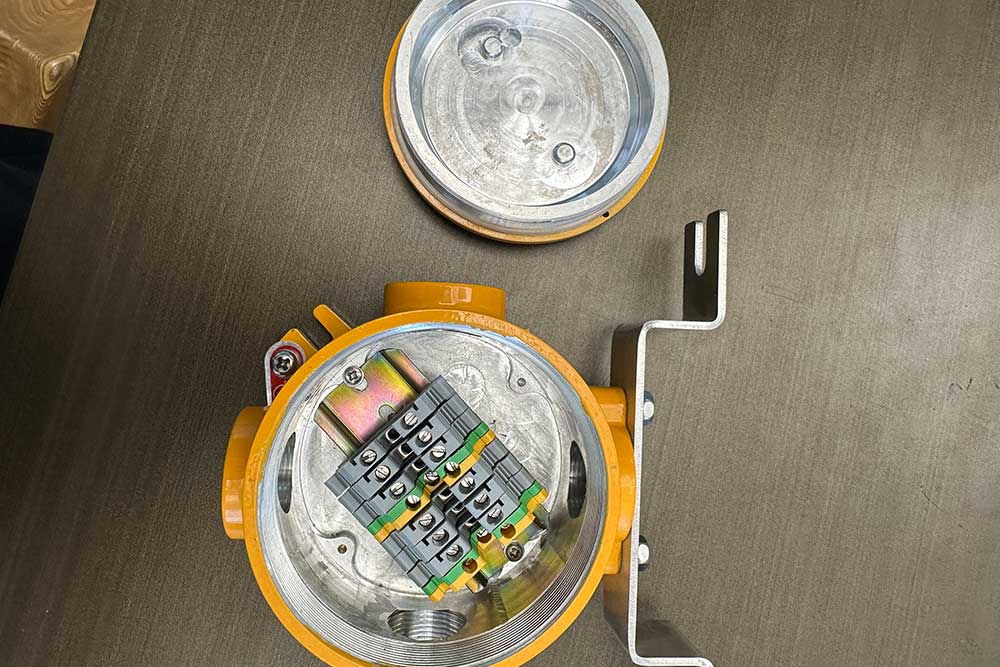
BHD51 Series Explosion-proof Junction Box
Explosion-proof Junction Box for safe wiring in Zone 1 areas. Fast, tool-free installation, ATEX & IECEx certified. Trusted performance from SEEKINGLED.
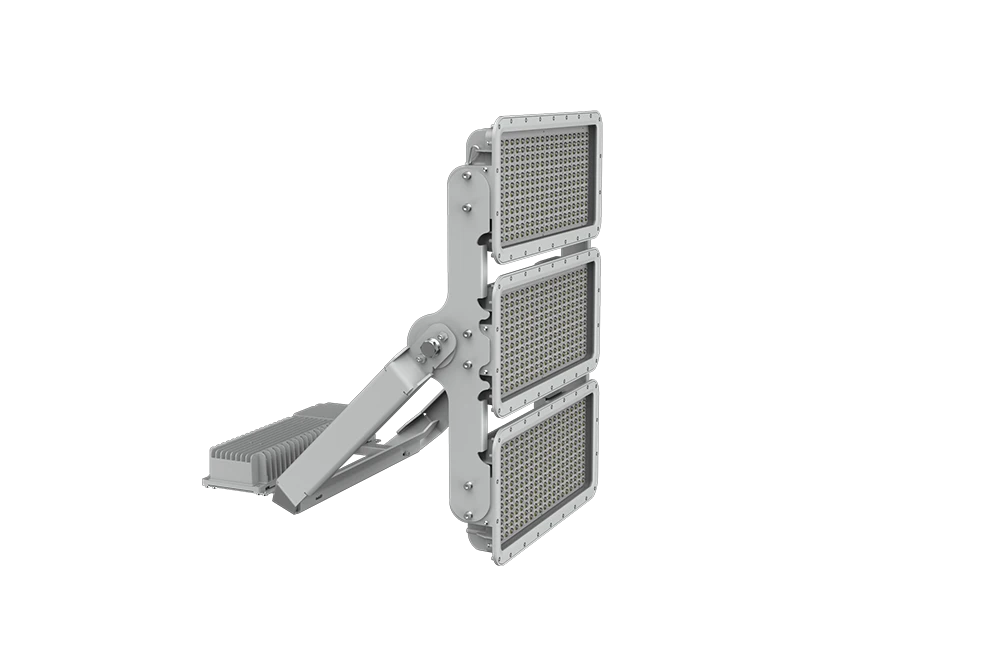
SUPER III SERIES Sports Stadium LED Lighting
Sports Stadium LED Lighting by SEEKINGLED delivers high mast illumination, precise beam control, and EN 12193 compliant performance for professional venues.
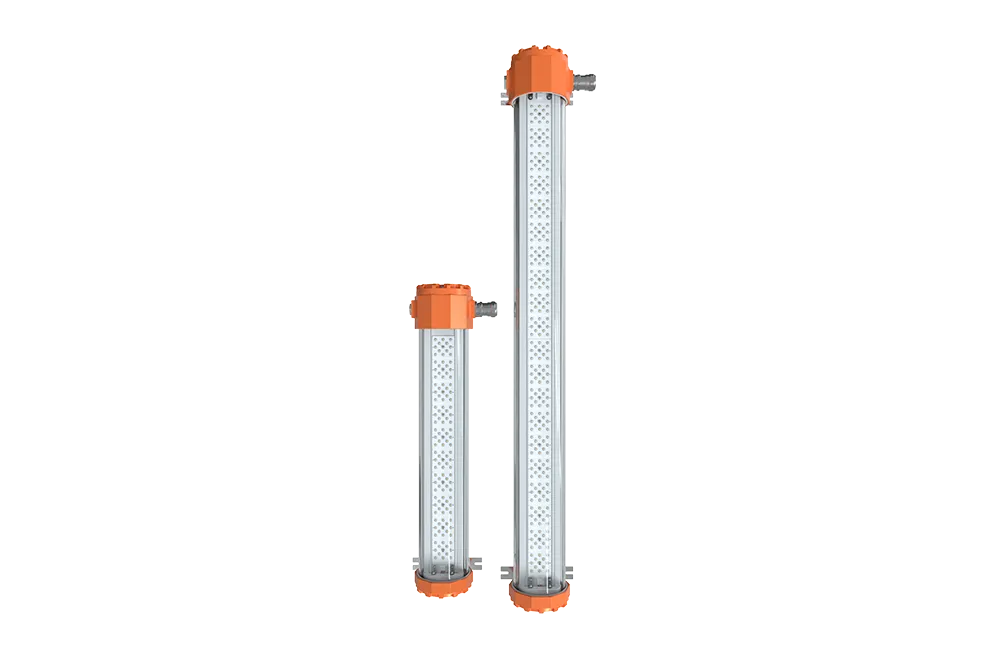
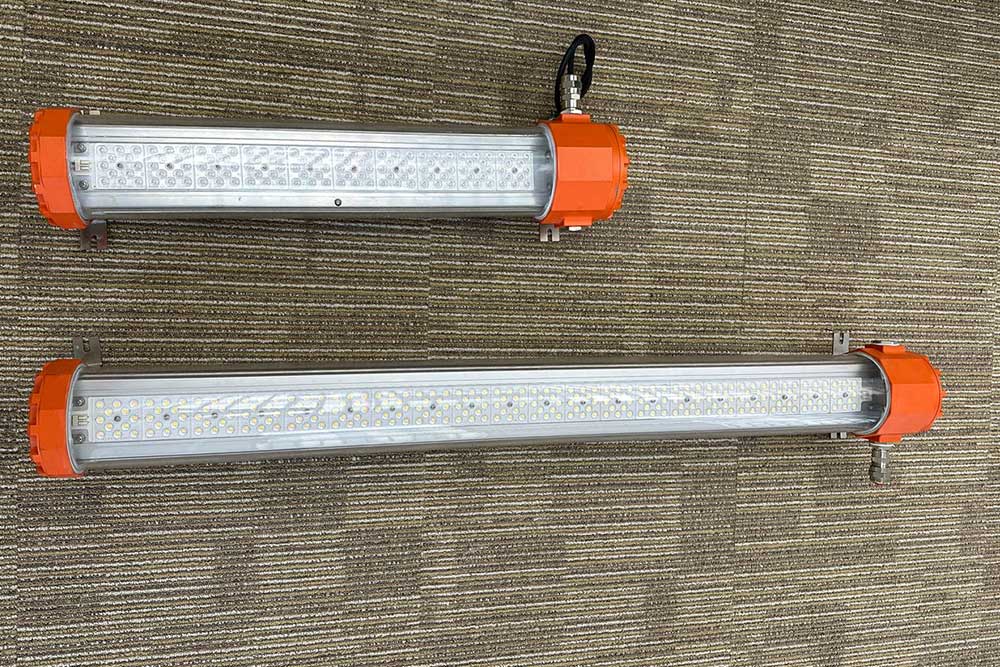
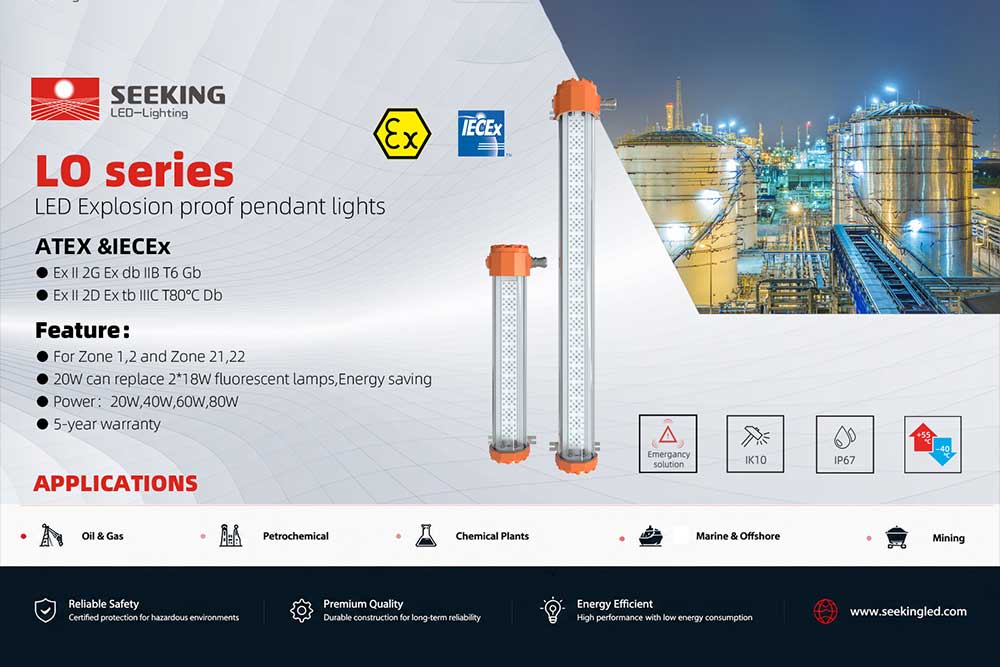
LO Series LED Linear Explosion Proof lighting
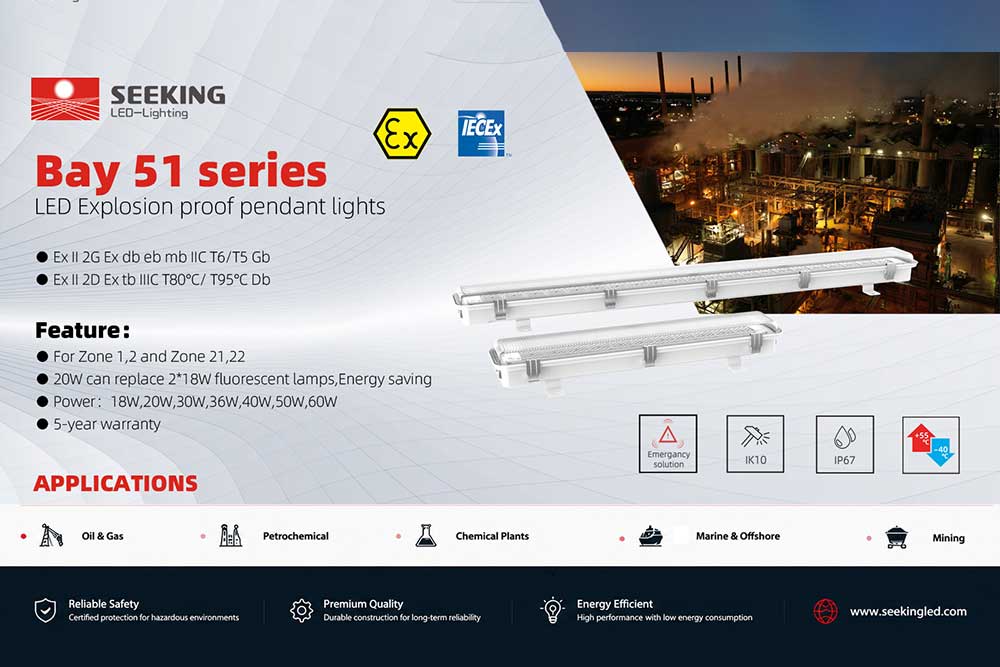
SEEKINGLED LED Linear Explosion Proof Light and Explosion Proof lighting is ATEX and IECEx certified for Zone 1, Zone 2, Zone 21 and Zone 22 hazardous locations, built for long-term industrial use.
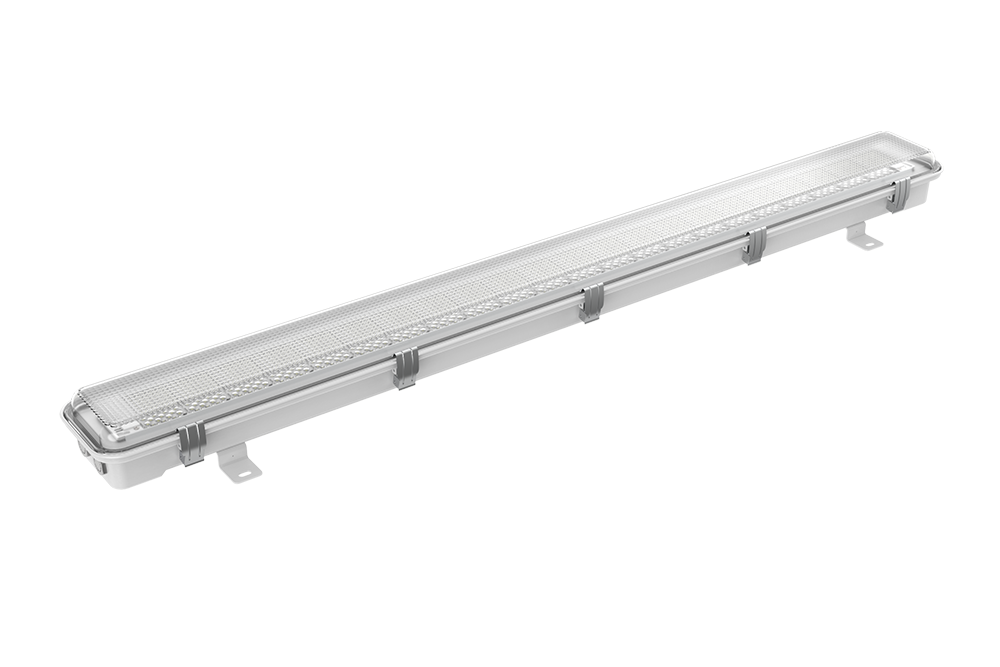
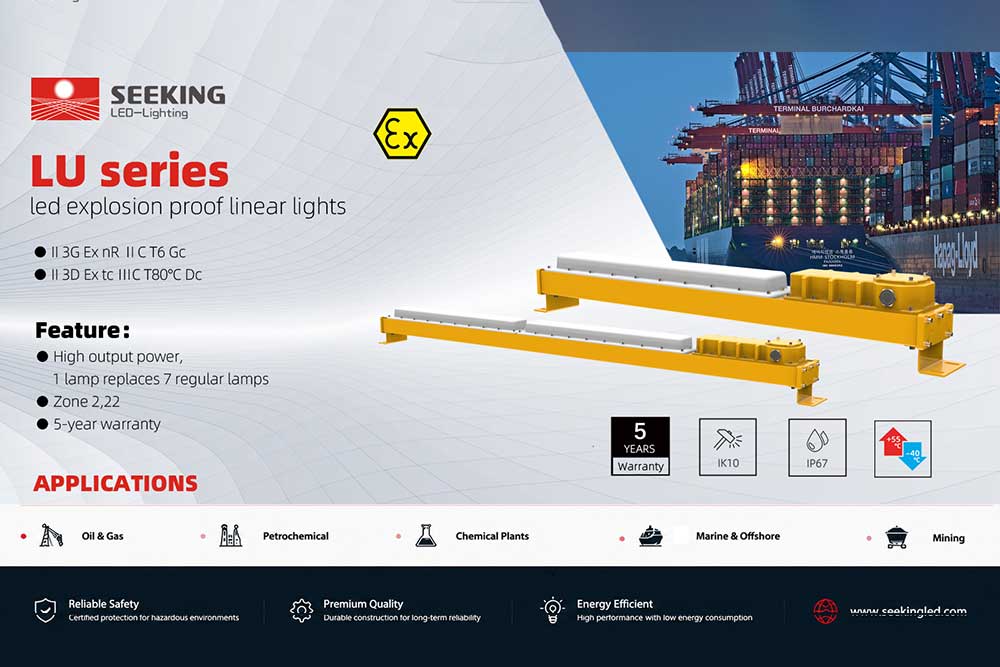
Bay51 Series LED Linear EX Proof lights
LED Linear Explosion Proof Lights and EX Proof lights for Zone 1, Zone 2, Zone 21 and Zone 22 hazardous areas. ATEX & IECEx certified explosion proof LED linear lighting with emergency function, adjustable power and IP67 protection by SEEKINGLED.
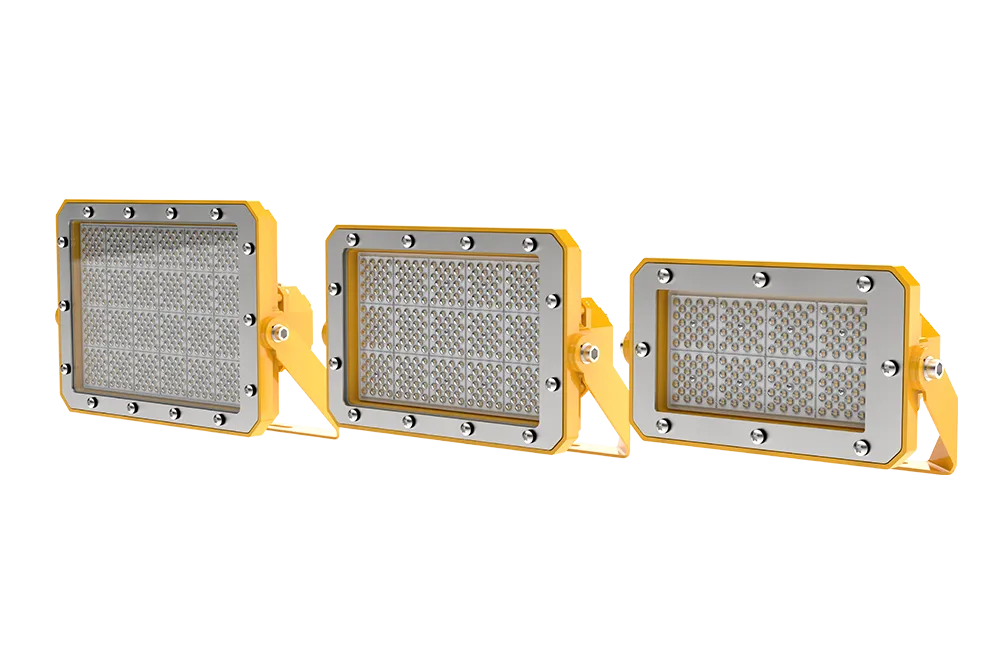
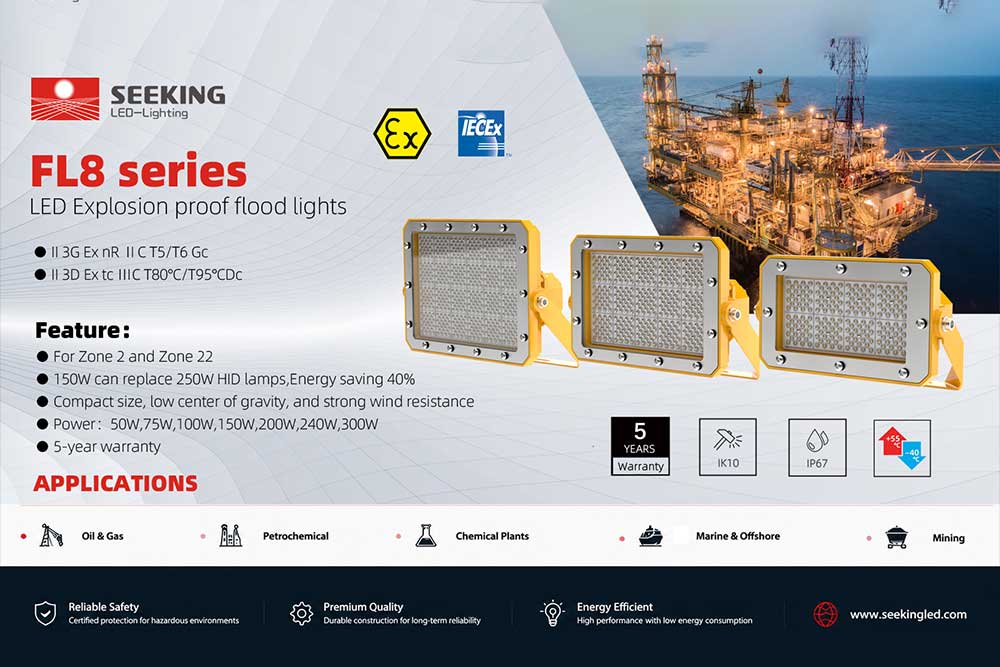
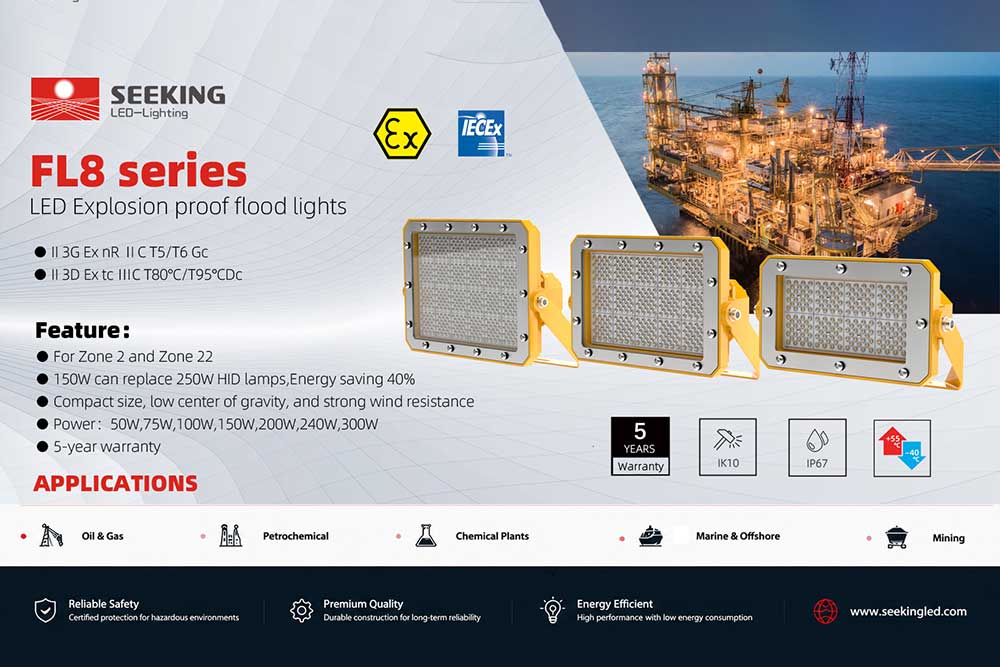
FL8 Series Explosion Proof FloodLights
SEEKINGLED LED Explosion Proof Flood Lights are ATEX certified for Zone 2 and Zone 22 hazardous areas, offering high efficiency, adjustable power and integrated junction box.
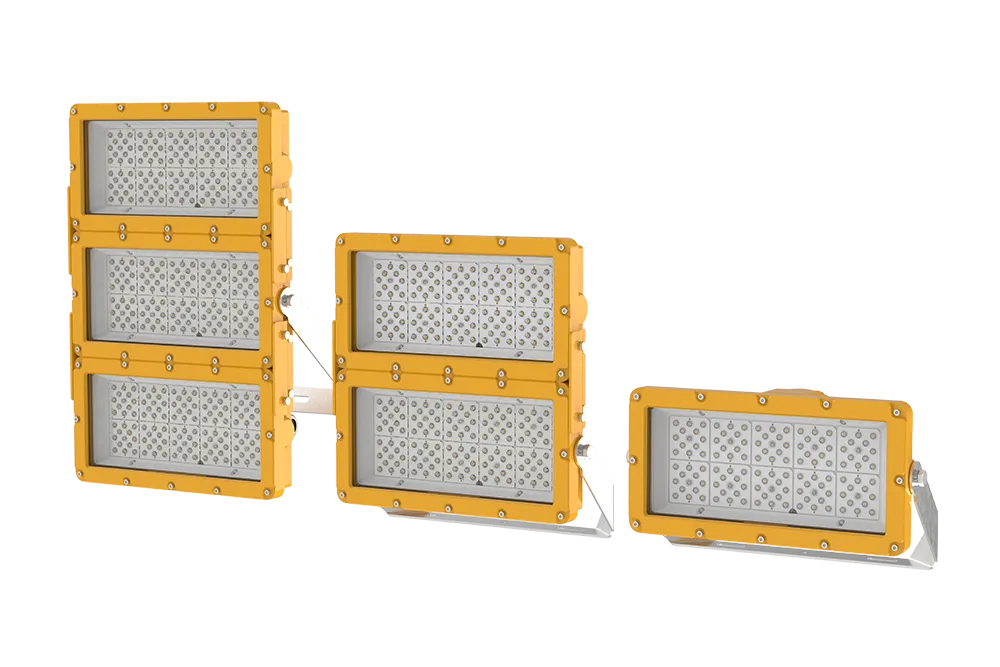
FL7 Series Explosion Proof Flood Lights
SEEKINGLED LED Explosion Proof Flood Lights are flameproof ATEX and IECEx certified for Zone 1 and Zone 2 hazardous areas, offering high power, adjustable output and long service life.
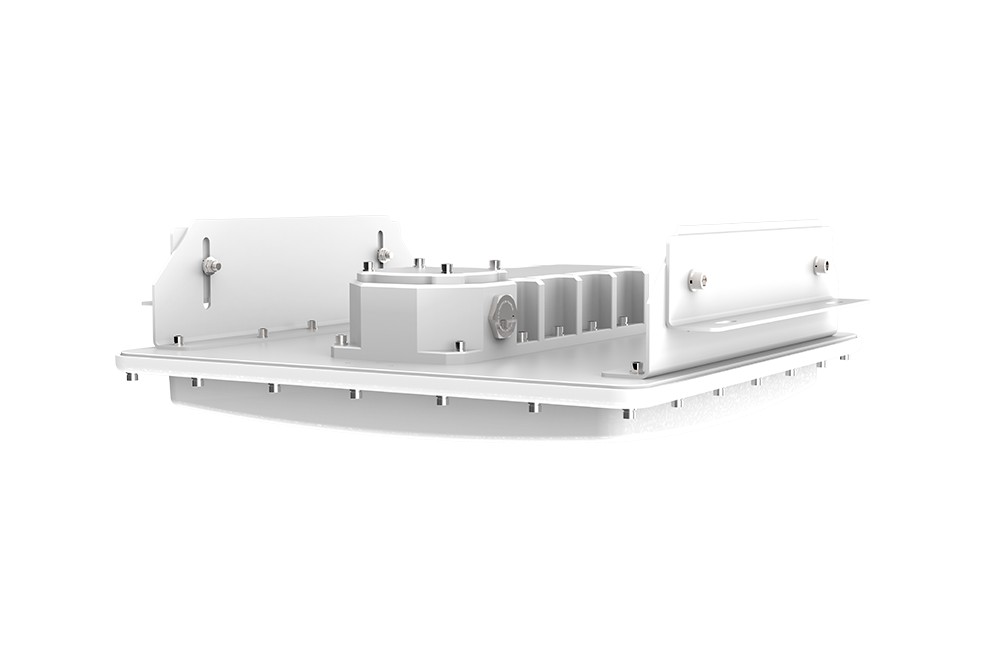
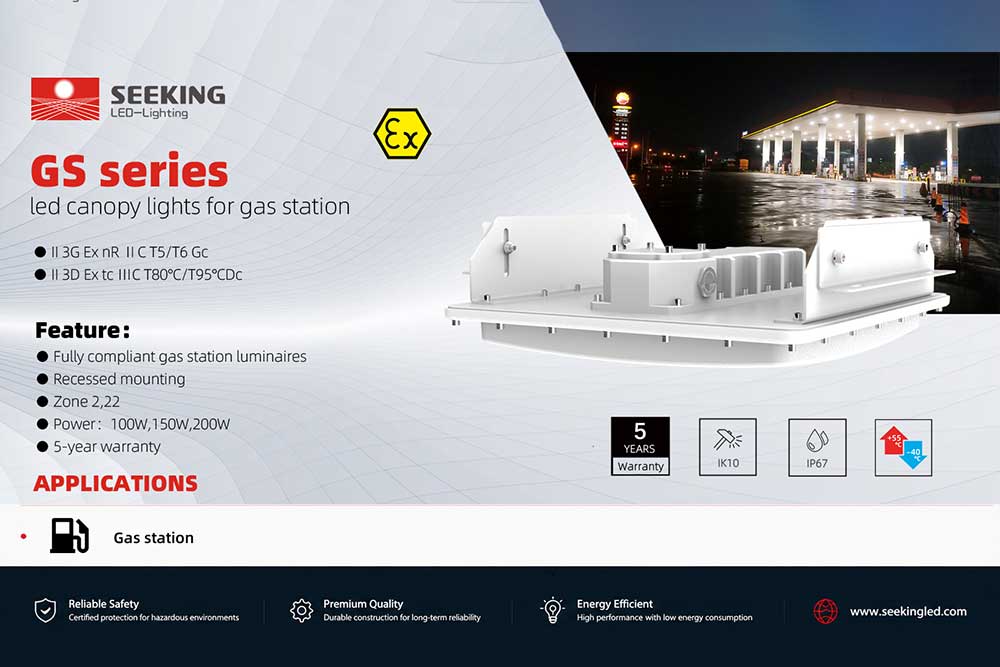
GS Series LED Gas Station Canopy Lights
SEEKINGLED LED Gas Station Canopy Lights are ATEX certified for Zone 2 and Zone 22 hazardous areas, featuring adjustable power and built-in explosion-proof junction box.
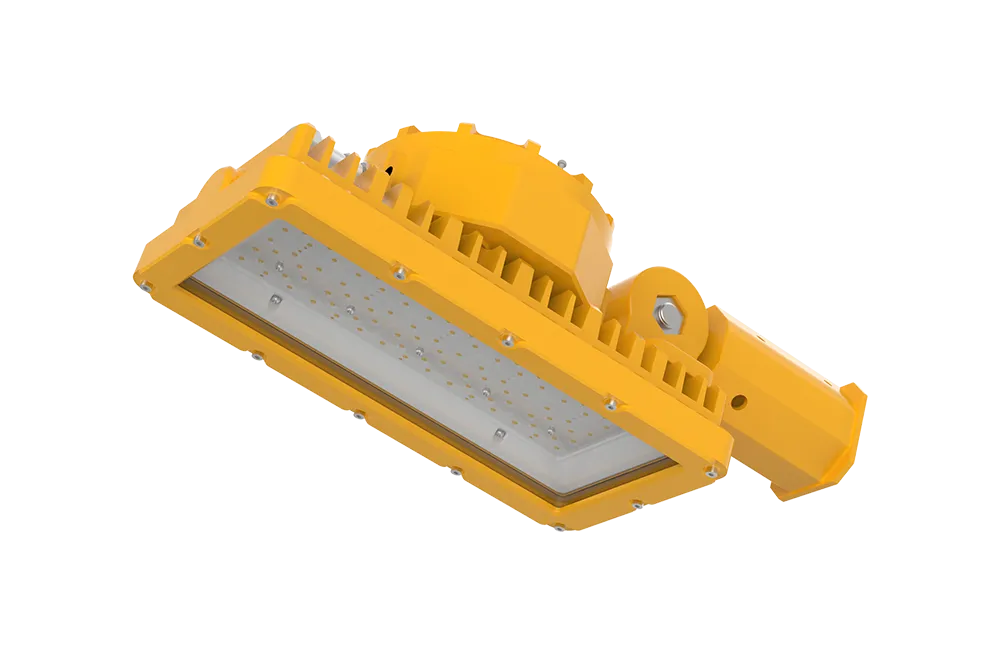
FL7 series EX street lights
ATEX: Ex II 2G Ex db IIB T6/T5 GbEx II 2D Ex tb IIIC T80°C/ T95°C Db IECEx Ex db IIB T6 Gb;Ex tb IIIC T80°C Db Feature: ● For Zone 1,2 and Zone 21,22● Flameproof type, the strongest● 100W can replace 250W HID,energy saving● Power:60W,80W,100W Application: Oil and gas, marine, Chemical, pharmaceutical, semiconductor,mining,military industr...

CONTACT US
E-mail: sales01@seekingled.com
7 * 24-hour free support hotline